

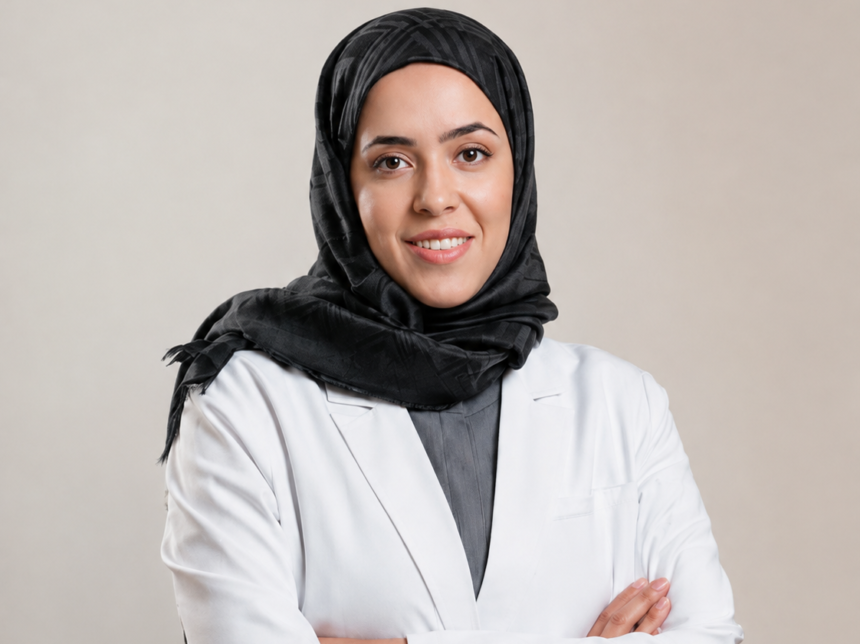
Shaping Modern Aesthetic Care
Plastic surgery is often associated only with appearance, but the specialty reaches much further. It can restore form after trauma, help patients recover following complex medical conditions and improve confidence through carefully planned aesthetic treatment. Behind every successful outcome stands a surgeon who must balance medical knowledge, technical precision and an understanding of what the patient truly needs.
- Dr Sara M Alharami Built Her Career Through Surgical Discipline
- Reconstructive Surgery Adds Deeper Meaning to the Specialty
- Dr Sara M Alharami Leads Through Medical Education
- Leadership Means Creating Confidence in Others
- Dr Sara M Alharami Expanded Her Vision Through The Cosmesis
- Aesthetic Medicine Requires Balance, Not Excess
- Patient Trust Remains at the Centre of Plastic Surgery
- Building a Medical Brand Comes With Responsibility
- Dr Sara M Alharami Represents Women in Surgical Leadership
- Continuous Learning Remains Essential in Plastic Surgery
- Dr Sara M Alharami Continues Building a Wider Medical Legacy
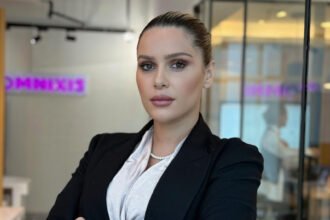
That wider responsibility has shaped the journey of Dr Sara M Alharami, a senior consultant in plastic and reconstructive surgery whose career combines clinical medicine, surgical education and entrepreneurship in Qatar.
Alongside her medical practice, Dr Sara serves as Plastic Surgery Program Director at Hamad Medical Corporation. She is also a Founder and Managing Director of The Cosmesis and The CosmeSpa, extending her professional vision into specialised aesthetic and wellness environments.
Her journey reflects something larger than individual achievement. It shows how medical expertise can grow into leadership, mentorship and the creation of healthcare spaces built around patient experience.
Dr Sara M Alharami Built Her Career Through Surgical Discipline
Becoming a plastic surgeon requires years of education, training and continuous practice.
The specialty demands an unusual combination of science and artistic judgement. Surgeons must understand anatomy in extraordinary detail while also considering proportion, balance, healing and the expectations of each patient.
For Dr Sara, this foundation gradually developed into a career spanning both plastic and reconstructive surgery.
Reconstructive work can involve patients whose needs extend far beyond appearance. Injury, congenital conditions or previous medical treatment may leave a person requiring restoration of function or form.
These situations demand patience.
A surgeon is not simply performing a procedure. They may be helping someone move toward a more comfortable and confident stage of life.
That responsibility has helped shape Dr Sara’s broader approach to medicine.
Reconstructive Surgery Adds Deeper Meaning to the Specialty
Aesthetic surgery often receives the greatest public attention, but reconstructive surgery demonstrates another side of plastic surgery.
The work can involve restoring structures affected by trauma, illness or other medical circumstances.
For patients, that can make surgery part of a much larger emotional journey.
A technically successful procedure matters, but so does the experience surrounding it.
Patients need to understand what is realistic.
They need to know what recovery may involve.
They also need confidence that their concerns are being heard.
This is where communication becomes as important as surgical skill.
For experienced surgeons such as Dr Sara, the consultation therefore becomes one of the most important parts of treatment.
Dr Sara M Alharami Leads Through Medical Education
One of the most significant dimensions of Dr Sara’s career is her role in medical education.
As Plastic Surgery Program Director at Hamad Medical Corporation, her responsibilities extend beyond treating her own patients.
She also contributes to developing future specialists.
Training surgeons requires a different form of leadership.
A senior doctor must teach technical skills while also developing judgement, responsibility and professional discipline.
Young surgeons need to learn when to operate, but they also need to learn when surgery may not be the right answer.
They need to understand patient safety, teamwork and communication.
These lessons cannot be learned entirely from textbooks.
They develop through mentorship and supervised clinical experience.
By helping guide surgical trainees, Dr Sara’s influence can extend across many future patient journeys.
Leadership Means Creating Confidence in Others
Medical leadership is not simply about seniority.
A strong program director needs to create an environment where trainees can ask questions, learn from mistakes and gradually become confident enough to make responsible clinical decisions.
That requires high standards without removing the human side of education.
Doctors in training face pressure.
They work through demanding schedules while carrying the responsibility that comes with caring for real patients.
Experienced mentors can make an enormous difference during this period.
For Dr Sara, leadership therefore becomes part of the legacy she is building.
The procedures she personally performs are important.
The surgeons she helps develop may carry that influence much further.
Dr Sara M Alharami Expanded Her Vision Through The Cosmesis
Clinical work and medical education represent only part of Dr Sara’s professional journey.
Her entrepreneurial direction led to the development of The Cosmesis, a specialised medical environment focused on plastic surgery, cosmetic dermatology and aesthetic care.
Moving from surgeon to founder creates an entirely new set of challenges.
A doctor usually focuses primarily on patient care.
A founder must also think about:
patient experience
team culture
service quality
technology
operations
brand identity
The healthcare environment itself becomes part of the treatment journey.
Patients entering an aesthetic medical centre may already feel vulnerable about their appearance.
The way they are welcomed, consulted and supported can influence their confidence before any treatment takes place.
Aesthetic Medicine Requires Balance, Not Excess
Modern aesthetic medicine is changing.
Many patients no longer want dramatic transformations.
They want results that feel natural.
They may want to appear more rested, balanced or refreshed while keeping the features that make them recognisable.
This creates a greater responsibility for aesthetic professionals.
The goal cannot simply be performing whatever treatment a patient requests.
A qualified surgeon must evaluate whether the procedure is suitable and whether expectations are realistic.
Sometimes restraint becomes the strongest medical decision.
For Dr Sara, combining surgical expertise with an aesthetic environment creates an opportunity to approach beauty through medical judgement rather than temporary trends.
Patient Trust Remains at the Centre of Plastic Surgery
Plastic surgery can be deeply personal.
People may arrive carrying insecurities they have lived with for years.
Others may have experienced trauma or medical conditions that changed their appearance.
That means trust has to develop before treatment.
Patients need clear conversations about risks, recovery and achievable outcomes.
They also need to feel that they are being treated as individuals rather than procedures.
This is particularly important in the age of social media.
Filters and edited images can create unrealistic ideas about beauty.
A responsible surgeon needs to bring the conversation back to anatomy, health and realistic outcomes.
Building a Medical Brand Comes With Responsibility
Running an aesthetic medical centre is different from building an ordinary consumer business.
Marketing cannot come before medicine.
Healthcare brands operate around people’s bodies, confidence and wellbeing.
This requires ethical responsibility in the way treatments are presented.
Patients should understand that aesthetic procedures are medical decisions rather than casual beauty purchases.
Dr Sara’s position as both surgeon and managing director places her at the intersection of these two worlds.
The challenge is to create a premium patient experience while keeping clinical standards at the centre.
That balance is essential for long term trust.
Dr Sara M Alharami Represents Women in Surgical Leadership
Surgery has historically been considered one of medicine’s most demanding professional paths.
Reaching senior consultant level while taking on program leadership and entrepreneurship represents years of persistence and professional development.
Dr Sara’s journey can therefore carry significance for young women considering careers in medicine and surgery.
Leadership does not need to follow one route.
A surgeon can operate.
A surgeon can teach.
A surgeon can mentor.
A surgeon can also build organisations.
Seeing professionals combine these responsibilities can help younger doctors imagine broader possibilities for their own careers.
Continuous Learning Remains Essential in Plastic Surgery
Plastic surgery continues evolving through new techniques, technologies and approaches to recovery.
What was considered advanced years ago may now be replaced by more refined methods.
That makes continuous education essential.
Experienced surgeons cannot depend only on what they learned during early training.
They need to keep studying evidence, evaluating new techniques and understanding changing patient expectations.
The same principle applies to medical educators.
Training programmes need to prepare younger surgeons for the healthcare environment they will actually enter.
For Dr Sara, the combination of clinical work, program leadership and entrepreneurship places continuous learning at the centre of several responsibilities.
Dr Sara M Alharami Continues Building a Wider Medical Legacy
Dr Sara M Alharami’s professional journey shows how a medical career can gradually expand beyond individual patient care.
As a senior plastic and reconstructive surgeon, she contributes directly to treatment.
As a Plastic Surgery Program Director, she helps develop future specialists.
As Founder and Managing Director of The Cosmesis and The CosmeSpa, she is also creating healthcare environments shaped by her broader vision of aesthetic care and patient experience.
These roles may appear different, but they are connected by one central responsibility.
People.
Patients need safe and thoughtful treatment.
Young surgeons need mentorship.
Medical teams need leadership.
Healthcare organisations need direction.
Dr Sara’s journey continues across all these areas.
Her story offers an inspiring reminder that the strongest medical careers are not measured only by titles or procedures.
They are also measured by the knowledge passed forward, the standards established and the confidence a doctor helps build in both patients and the next generation of professionals.
Follow Dr Sara M Alharami on Instagram
Read More – Dubai Metro Tips for Tourists: An Easy Guide to Exploring Dubai