The Story Behind Kuwait’s Famous Machboos: A Traditional Dish Full of History and Flavour
Introduction: Discover the Story Behind Kuwait’s Famous Machboos
Kuwaiti cuisine is deeply connected to the country’s history, maritime traditions, family life, and cultural identity. Among its many traditional dishes, Kuwait’s famous machboos holds a special place as a symbol of hospitality, togetherness, and the rich culinary heritage of the Arabian Gulf. Made with fragrant rice, meat or seafood, and a carefully balanced blend of spices, machboos is much more than an everyday meal. It is a dish that brings people together and tells a story about Kuwait’s connections with the wider world.
- Introduction: Discover the Story Behind Kuwait’s Famous Machboos
- What Is Machboos? Understanding Kuwait’s Famous Rice Dish
- The Historical Roots of Machboos in Kuwait
- Why Machboos Is So Important in Kuwaiti Culture
- The Essential Ingredients That Give Machboos Its Signature Flavour
- Popular Types of Kuwaiti Machboos You Should Know
- Conclusion: Why Kuwait’s Famous Machboos Is More Than a Meal
For generations, rice-based dishes have played a significant role in the cuisine of the Gulf countries. Situated along the Arabian Gulf, Kuwait became a hub for maritime trade, connecting local communities with merchants and travelers from South Asia, Persia, East Africa, and other parts of the Middle East. These interactions helped shape the regional culinary style through the exchange of ingredients, spices, and cooking techniques. Although ‘machboos’ shares many similarities with other rice-based dishes found throughout the Gulf and beyond, the way it is prepared in Kuwait gives it a distinct identity of its own.
The beauty of traditional Kuwaiti Machboos lies in the perfect balance between its simple ingredients and its deep, rich flavors. Long-grain rice absorbs the spice-infused broth beautifully, while the addition of chicken, mutton, fish, or shrimp elevates the dish even further. Spices such as cardamom, cinnamon, cloves, black pepper, and dried lime impart a wonderful aroma and profound depth of flavor—though the specific blend can vary depending on the recipe or the household.Today, machboos remains one of the most recognisable dishes associated with Kuwait. It is served in homes, traditional restaurants, family gatherings, and special celebrations. For Kuwaitis living abroad, it can also be a comforting reminder of home, family traditions, and familiar flavours.
In this guide, we explore the story behind Kuwait’s famous machboos, including its cultural roots, historical influences, essential ingredients, cooking traditions, regional variations, and continuing importance in modern Kuwaiti life.
What Is Machboos? Understanding Kuwait’s Famous Rice Dish
Machboos (also spelled Majboos or Makboos) is a traditional rice-based dish that is highly popular in Kuwait and other Gulf countries. It is typically prepared using Basmati or another suitable long-grain rice, meat or seafood, onions, spices, and a flavorful broth (stock).
This dish is known for its aromatic rice and the excellent harmony of the ingredients used. Rather than being treated merely as a side dish, rice in ‘Machboos’ serves as the centerpiece of the entire meal. The rice fully absorbs the flavors of the broth and spices, while the meat or seafood adds a distinct taste and texture to the dish.
Although recipes may vary, the preparation typically begins by cooking the main protein with onions, spices, and other ingredients. The resulting broth is then used to cook the rice, allowing all the flavors to meld thoroughly throughout the dish. While some cooks prefer to prepare the rice and protein separately—combining them only at the time of serving—others prefer to cook them together.
A traditional Machboos platter is often served in a generous portion, making it suitable for sharing among several people. Depending on whether it is served at home or in a restaurant, it may be accompanied by a tomato-based chutney, salad, yogurt, or other side dishes.
Key characteristics of traditional Kuwaiti machboos include:
- Fragrant rice cooked with a seasoned broth.
- A choice of chicken, lamb, fish, or shrimp.
- Aromatic spices that create depth without necessarily adding intense chilli heat.
- A balance of savoury, citrusy, and warming flavours.
- A presentation suited to family meals and communal dining.
What makes machboos especially interesting is that there is no single recipe followed by every household. Families adjust the seasoning, cooking technique, and choice of protein according to their preferences and traditions. This variety is part of the dish’s enduring appeal.
The Historical Roots of Machboos in Kuwait
Understanding the history of machboos means looking at Kuwait’s place in the trading networks of the Indian Ocean and the Arabian Gulf. For centuries, Kuwait’s coastal communities participated in maritime commerce, fishing, pearling, and regional exchange. Merchants and sailors connected the Gulf with ports in India, Persia, East Africa, and the wider Middle East.
These exchanges influenced more than trade. They also contributed to the movement of food ingredients, spices, cooking methods, and dining customs. Rice and aromatic spices became important in many cuisines connected through these routes, creating similarities between dishes across different regions.
Machboos reflects this wider culinary history. Rice-based preparations seasoned with spices are found throughout the Gulf, while comparable dishes exist in parts of South Asia and the Indian Ocean region. However, it would be inaccurate to attribute the entire dish to one culture or a single historical event. Its development is better understood as part of a broader tradition of regional cooking shaped by centuries of contact and adaptation.
In Kuwait, the dish became associated with local ingredients, family preferences, and the country’s social customs. Seafood versions reflect the importance of the Gulf to traditional Kuwaiti livelihoods, while chicken and lamb versions demonstrate the flexibility of rice-based cooking across different households.
Over time, machboos became an important expression of Kuwaiti food culture. Its familiar flavours and generous presentation made it suitable for everyday meals as well as celebrations and gatherings.
Historical influences that help explain machboos include:
- Maritime trade connecting Kuwait with neighbouring regions.
- The movement of rice, spices, and other ingredients through trading networks.
- The importance of fishing and seafood in coastal communities.
- Regional traditions of cooking meat with grains and aromatic seasonings.
- The passing down of family recipes across generations.
Although the exact origins and timeline of machboos are difficult to establish, its place in Kuwaiti cuisine illustrates how food traditions evolve through geography, trade, local adaptation, and family life.
Why Machboos Is So Important in Kuwaiti Culture
In Kuwait, food often represents much more than nourishment. Sharing a meal can express welcome, generosity, respect, and a sense of belonging. Machboos fits naturally into this culture because it is a substantial dish that can be prepared in generous quantities and shared among family members and guests.
During family gatherings, celebrations, and special occasions, a large platter of rice and meat can become the centrepiece of the meal. The act of sharing food encourages conversation and creates a sense of togetherness. In homes where recipes have been passed down through generations, preparing machboos can also be a way of preserving family memories and cultural traditions.
Hospitality is particularly important in Gulf societies. Serving guests a carefully prepared meal demonstrates thoughtfulness and generosity, and machboos is well suited to this purpose. Its ingredients, preparation, and presentation can all reflect the care taken by the host.
The dish also connects generations. Older family members may teach younger relatives how to select spices, judge the texture of the rice, prepare the broth, and balance the flavours. These lessons are often passed on through observation and practice rather than through written recipes alone.
The cultural significance of machboos can be seen in several ways:
- Family traditions: Recipes are often adapted and preserved within households.
- Hospitality: Generous servings help welcome relatives and guests.
- Celebrations: Rice and meat dishes are commonly associated with special meals across the Gulf.
- Cultural identity: Machboos is widely recognised as part of Kuwait’s traditional food heritage.
- Shared memories: Familiar flavours can connect people with family gatherings and home.
For Kuwaitis living overseas, preparing machboos can also provide a meaningful link to their cultural roots. The dish demonstrates how food can preserve a sense of identity even as lifestyles and surroundings change.
The Essential Ingredients That Give Machboos Its Signature Flavour
The distinctive taste of Kuwaiti machboos comes from the interaction of its main ingredients. Each element plays a role, from the rice that absorbs the broth to the spices that create the dish’s characteristic aroma.
1. Rice: The Foundation of Machboos
Long-grain rice, including basmati, is commonly used because it can produce a fragrant dish with distinct grains when cooked properly. The rice absorbs the seasoned broth, carrying the flavours of the meat, seafood, and spices throughout the meal.
The quality of the rice and the amount of liquid used can significantly affect the final result. Too much liquid may make the rice soft and sticky, while too little can leave it undercooked. Experienced cooks often rely on their knowledge of the rice variety and cooking method to achieve the desired texture.
2. Chicken, Lamb, Fish, or Shrimp
Machboos can be prepared with several types of protein, making it adaptable to different preferences and occasions.
- Chicken machboos: A popular option with a flavourful broth and tender meat.
- Lamb machboos: Often richer in flavour and suitable for generous family meals.
- Fish machboos: Reflects Kuwait’s historical connection with fishing and the Arabian Gulf.
- Shrimp machboos: Offers a seafood variation with a distinctive taste and texture.
The protein used influences the cooking time, stock, and overall flavour of the dish.
3. Aromatic Spices
Spices are essential to the character of traditional machboos. Common ingredients include cardamom, cinnamon, cloves, black pepper, and turmeric, while individual recipes may use additional seasonings.
Rather than simply making the dish hot, these spices create warmth, fragrance, and complexity. Their proportions vary, allowing households to develop distinctive flavour profiles.
4. Dried Lime: A Distinctive Gulf Ingredient
Dried lime, commonly known as loomi in Gulf cooking, is an important seasoning in many machboos recipes. It contributes a tangy, citrus-like flavour that can balance the richness of meat and the warmth of the spices.
Its use is one reason many Gulf rice dishes have a distinctive flavour compared with rice preparations from other regions. However, not every recipe uses dried lime in the same way or in the same quantity.
5. Onions, Garlic, and Cooking Stock
To create a flavorful base, onions are often cooked at the very beginning of the preparation process. Garlic and other aromatics can also be added. The broth that forms during cooking melds all the ingredients together, allowing the flavors of the dish to infuse into the rice.
Preparing this base with great care is one of the most crucial steps in making a delicious “machboos”.
Ultimately, it is the perfect balance between the rice, protein, spices, and broth that makes for an exceptional dish.
Popular Types of Kuwaiti Machboos You Should Know
One of the most appealing aspects of machboos is its versatility. Although the basic idea of seasoned rice remains consistent, the choice of meat or seafood can change the flavour, texture, and character of the dish.
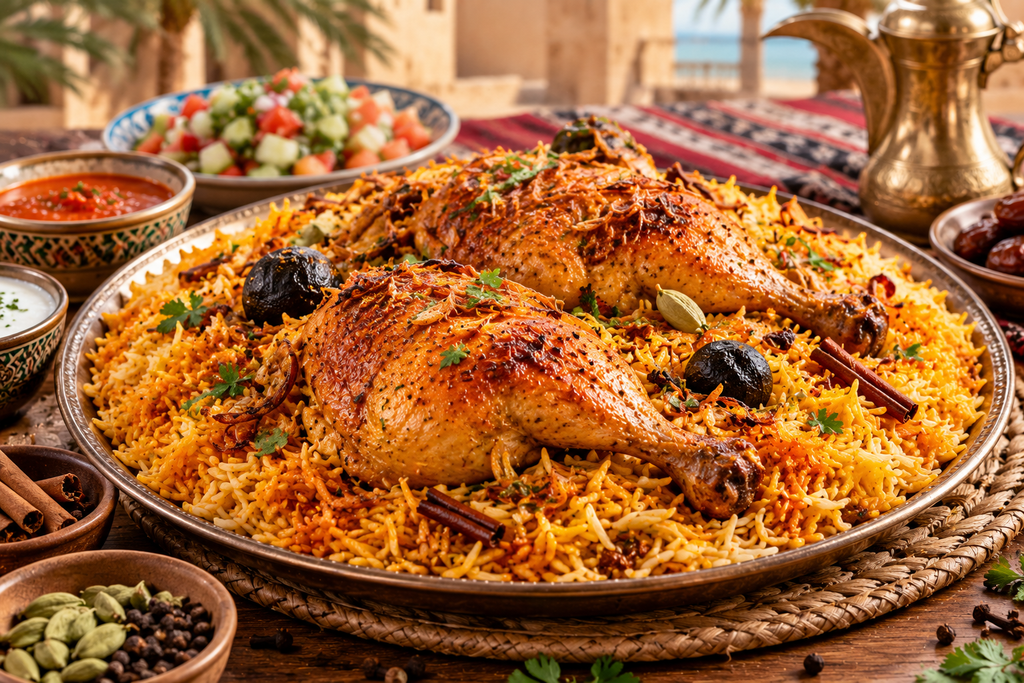
1. Chicken Machboos
Chicken machboos is a popular introduction to Kuwaiti cuisine. The chicken is cooked with aromatic seasonings, and the rice absorbs the flavourful broth. It is often served with a tomato-based sauce or fresh accompaniments.
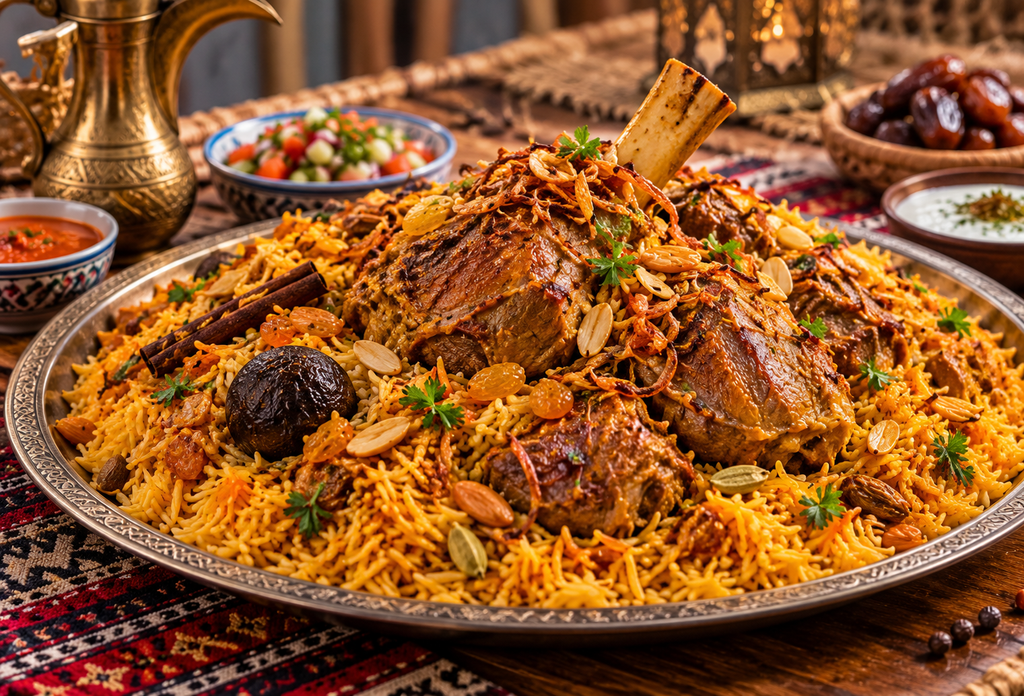
2. Lamb Machboos
Lamb machboos is known for its rich, savoury flavour. Slow cooking helps tenderise the meat and develop the broth, creating a satisfying dish for family gatherings and special meals.

3. Fish Machboos
Fish machboos highlights Kuwait’s coastal food traditions. The fish is seasoned and cooked alongside or separately from the rice, depending on the recipe, and pairs well with the fragrant spices used in Gulf cuisine.
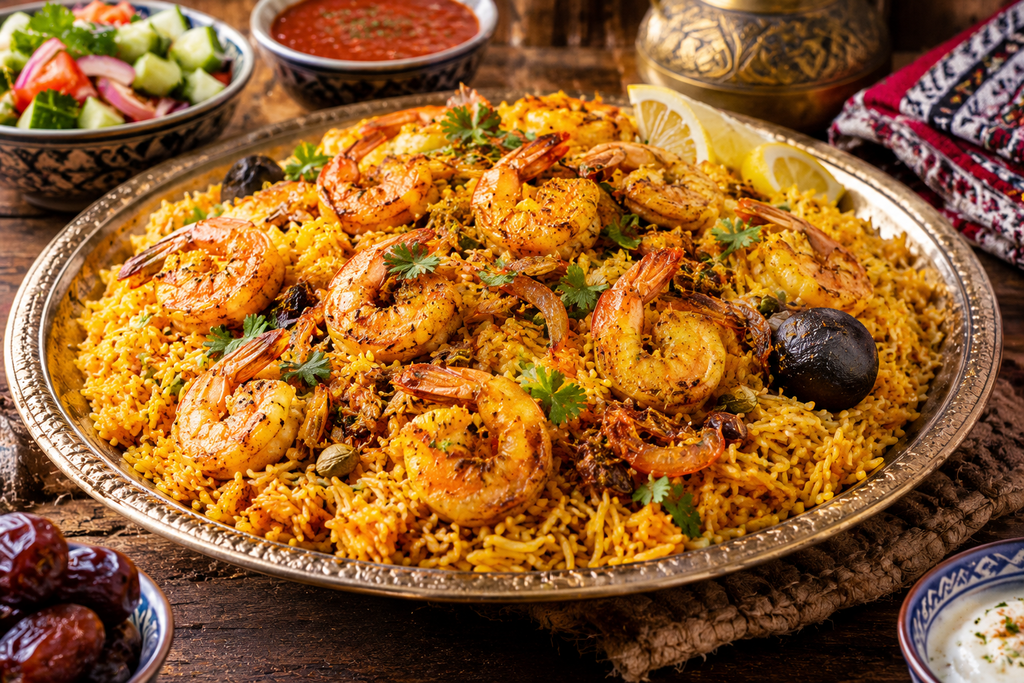
4. Shrimp Machboos
Shrimp machboos offers a seafood alternative with a lighter texture and distinctive flavour. The shrimp generally requires less cooking time than lamb or chicken, so preparation methods are adjusted to avoid overcooking.
These variations show how one traditional dish can represent different aspects of Kuwaiti food culture. Each version offers a slightly different experience while retaining the essential combination of fragrant rice and carefully balanced seasoning.
Conclusion: Why Kuwait’s Famous Machboos Is More Than a Meal
The story behind Kuwait’s famous machboos reveals how food can preserve a country’s history, cultural identity, and traditions of hospitality. Influenced by centuries of trade and regional exchange, the dish brings together fragrant rice, carefully chosen spices, and meat or seafood to create a meal that remains deeply connected to Kuwaiti life.
From the distinctive flavour of dried lime to the warmth of cardamom and cinnamon, each ingredient contributes to the dish’s character. Yet machboos is about more than its ingredients. It represents family recipes, generous hospitality, shared celebrations, and memories created around the dining table.
Its different versions, including chicken, lamb, fish, and shrimp machboos, demonstrate the flexibility of Kuwaiti cooking. At the same time, its similarities to other Gulf rice dishes highlight the connections that have shaped the region’s culinary heritage.
Whether you are exploring Kuwait’s traditional restaurants, learning about Middle Eastern food, or preparing machboos at home, discovering this dish is an excellent way to appreciate Kuwaiti culture through its flavours.
Ultimately, Kuwait’s famous machboos is more than a traditional rice dish: it is a living expression of the country’s culinary heritage, hospitality, and connection to the wider Arabian Gulf.
Do follow us on Instagram
Read More – 12 Delicious Traditional Kuwaiti Dishes Every Food Lover Should Know