Remarkable Journey From Medical Research to Surgical Excellence
Plastic surgery is often associated with beauty and appearance, but its true impact goes much deeper. It can help someone recover after cancer, restore movement following facial paralysis, or rebuild confidence after a life changing medical experience.
- A Medical Journey Built on Determination and Excellence
- Turning Academic Knowledge Into Surgical Expertise
- Building Expertise Across Reconstructive and Aesthetic Surgery
- An Achievement That Reflects International Medical Standards
- Restoring Confidence Through Reconstructive Medicine
- A Personalised Approach to Modern Aesthetic Surgery
- Expanding His Influence Through Medical Research
- Exploring the Future of Healthcare With Artificial Intelligence
- Beyond the Operating Theatre
- Manaf Khatib Inspiring the Next Generation of Medical Professionals
- A Future Defined by Precision, Compassion, and Innovation
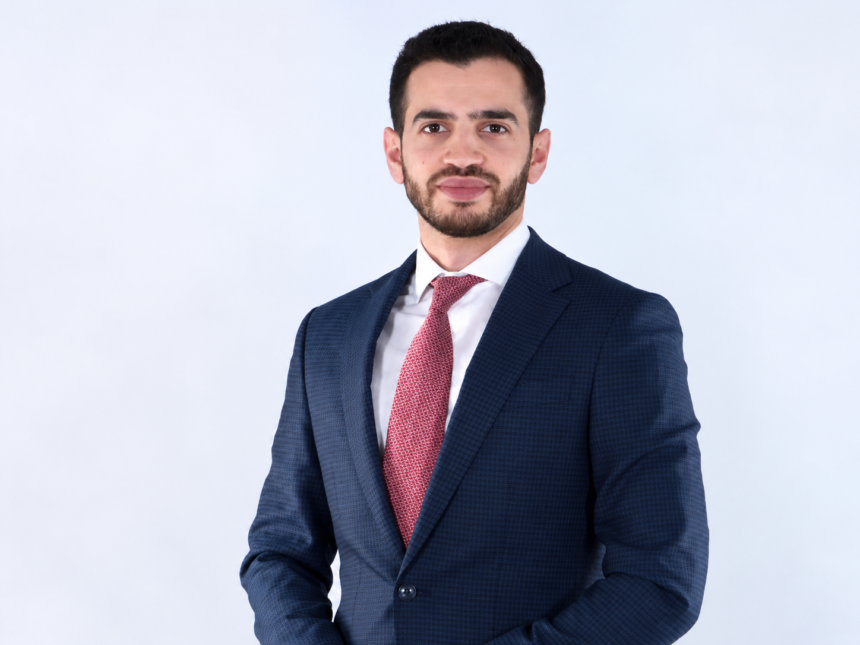
For Manaf Khatib, a respected consultant plastic, reconstructive, and aesthetic surgeon based in London and Hertfordshire, medicine is about combining scientific knowledge with compassion and surgical precision.
Working at Lister Hospital in Stevenage and across private healthcare practices, Manaf has developed a career that connects advanced reconstructive surgery, aesthetic medicine, medical research, and healthcare innovation.
His professional journey reflects years of specialist training, academic dedication, and a commitment to improving patient care.
A Medical Journey Built on Determination and Excellence
Every successful medical career begins with years of learning, difficult decisions, and consistent dedication.
Manaf began his medical education at St George’s University of London, graduating in 2010 with a distinction in medical sciences and a merit in clinical practice.
These early achievements established a strong foundation for his future in surgery.
He subsequently entered a competitive two year academic surgical training programme at Imperial College London.
During this period, he contributed to developing a surgical simulation model for hernia repair, research that was later published in the American Journal of Surgery.
This experience introduced him to an important connection between medicine, research, and technological advancement.
Rather than viewing surgery as a profession based only on technical skills, Manaf developed an interest in how scientific research could improve surgical education and patient outcomes.
Turning Academic Knowledge Into Surgical Expertise
Manaf continued expanding his medical knowledge by completing a Master of Science in Surgical Sciences at the University of Edinburgh.
His research focused on laser Doppler imaging and its application in assessing burn depth.
The work earned him a distinction and strengthened his understanding of how medical technology can support clinical decisions.
He later completed surgical training at leading institutions, including Cambridge University Hospital, Lister Hospital, and Norfolk and Norwich University Hospital.
His training also included experience at St Andrew’s Centre for Plastic Surgery and Burns.
Each stage introduced new responsibilities, complex procedures, and opportunities to develop his expertise.
The demanding nature of specialist surgical education requires patience, discipline, and continuous learning, qualities reflected throughout Manaf’s professional development.
Building Expertise Across Reconstructive and Aesthetic Surgery
One of the defining features of Manaf’s career is his experience across both reconstructive and aesthetic plastic surgery.
After completing his specialist training in 2020, he received the BAPRAS and BAAPS aesthetic surgery fellowship at London’s Cadogan Clinic.
He subsequently completed another aesthetic surgery fellowship at Wellington Hospital.
His professional development continued through advanced reconstructive surgery fellowships at Guy’s and St Thomas’ Hospital and the Royal Marsden Hospital.
These experiences provided specialist training in breast reconstruction, head and neck reconstruction, and microsurgical techniques.
Microsurgery involves operating on extremely small blood vessels and tissues, often requiring exceptional accuracy.
For patients recovering from cancer surgery or significant tissue loss, these procedures can play an important role in restoring physical function and appearance.
Manaf’s experience across different surgical disciplines allows him to approach patient needs from both functional and aesthetic perspectives.
An Achievement That Reflects International Medical Standards
Professional recognition is an important milestone in any surgeon’s career.
Manaf is among the relatively small number of plastic surgeons in the United Kingdom who have completed both UK and European plastic surgery board examinations.
His qualifications include FRCS in Plastic Surgery and FEBOPRAS, reflecting advanced specialist assessment and training.
These achievements demonstrate his commitment to maintaining professional standards across different medical systems.
However, qualifications represent only one part of a surgeon’s responsibilities.
The ability to communicate clearly, understand patient expectations, and make responsible clinical decisions remains equally important.
Manaf’s professional approach places emphasis on personalised treatment, informed decision making, and realistic expectations.
Restoring Confidence Through Reconstructive Medicine
For many patients, reconstructive surgery represents an important stage in their recovery.
Manaf’s clinical interests include breast reconstruction, facial palsy surgery, skin cancer surgery, and complex head and neck reconstruction.
These areas require an understanding of both physical function and emotional wellbeing.
Breast reconstruction may help patients following mastectomy, while facial reanimation procedures aim to improve movement and symmetry in people experiencing facial paralysis.
Skin cancer surgery can also involve reconstructing affected areas after removing cancerous tissue.
Manaf’s work reflects the wider purpose of reconstructive medicine, helping patients address physical changes caused by illness, injury, or treatment.
His research into facial palsy and smile reanimation received the Douglas Harrison Prize, recognising his contribution to this specialist field.
A Personalised Approach to Modern Aesthetic Surgery
Alongside reconstructive medicine, Manaf has developed expertise in cosmetic procedures involving the face, breast, and body.
His aesthetic practice focuses on individual anatomy, natural looking outcomes, and careful surgical planning.
Rather than treating every patient through the same approach, his practice emphasises understanding personal goals, medical suitability, and long term expectations.
Clear communication also forms an important part of the consultation process.
Patients are encouraged to understand potential benefits, surgical risks, recovery requirements, and available alternatives before making decisions.
This philosophy reflects an essential principle of responsible aesthetic medicine.
Surgery should be approached thoughtfully, with patient safety and informed choice taking priority over unrealistic expectations.
Expanding His Influence Through Medical Research
Manaf’s professional contributions extend beyond operating theatres and patient consultations.
Throughout his career, he has participated in medical research covering surgical simulation, burn assessment, facial palsy, and aesthetic surgery.
His academic contributions include journal publications, textbook chapters, and educational research.
He has also contributed to a medical textbook covering dermatology, ophthalmology, and ear, nose, and throat medicine.
His involvement in research demonstrates an interest in improving the knowledge available to future medical professionals.
By combining clinical practice with academic work, Manaf contributes to the continuing development of surgical education and treatment methods.
Exploring the Future of Healthcare With Artificial Intelligence
Another significant dimension of Manaf’s professional journey is his involvement with HealthGuardian AI.
As Chief Medical Officer, he brings clinical experience to an organisation working at the intersection of healthcare and artificial intelligence.
His responsibilities include supporting product validation and clinical studies, helping connect technological development with practical medical needs.
Artificial intelligence is creating opportunities for healthcare professionals to explore new approaches to information analysis, clinical workflows, and patient support.
However, successful healthcare technology must also demonstrate safety, reliability, and clinical value.
Manaf’s involvement reflects his interest in exploring innovation while maintaining the importance of medical expertise.
His career increasingly connects traditional surgical practice with emerging healthcare technologies.
Beyond the Operating Theatre
Although surgery demands significant professional commitment, Manaf also maintains interests outside medicine.
His personal interests include travelling, football, and spending time with family.
These activities offer a different perspective from the demanding environment of clinical practice.
For medical professionals, maintaining interests beyond work can be an important part of sustaining a long and fulfilling career.
Manaf’s journey illustrates how professional ambition and personal interests can exist alongside one another.
His achievements have required years of dedication, but his story also reflects the importance of maintaining connections beyond professional responsibilities.
Manaf Khatib Inspiring the Next Generation of Medical Professionals
Manaf’s journey offers an encouraging example for aspiring surgeons and healthcare innovators.
From his early medical education to advanced surgical fellowships and involvement in artificial intelligence, each stage reflects continued professional development.
His experience demonstrates that medical expertise is built through consistent learning rather than a single achievement.
A guiding principle that captures the philosophy of his work is:
“The true purpose of surgical excellence is not simply to change appearances, but to restore possibilities, dignity, and confidence.”
This is an editorial reflection of his professional approach rather than a verified personal quotation.
His story also highlights the importance of remaining open to new ideas throughout a medical career.
A Future Defined by Precision, Compassion, and Innovation
Today, Manaf continues his work as a consultant plastic surgeon while contributing to medical research and healthcare innovation.
His professional interests bring together reconstructive surgery, aesthetic medicine, clinical education, and emerging technology.
Looking ahead, these areas offer opportunities for continued progress in patient care and surgical practice.
His career demonstrates that meaningful professional achievement involves more than collecting qualifications or reaching senior positions.
It requires the ability to apply knowledge responsibly, continue developing expertise, and recognise the individual needs of patients.
For aspiring healthcare professionals, Manaf’s journey offers a powerful lesson about perseverance, continuous education, and the importance of combining technical excellence with compassion.
Through his work in surgery and healthcare innovation, he continues building a career focused on advancing medical practice and supporting patients through important stages of their lives.
Connect Manaf Khatib on LinkedIn
Read More – Places to Visit in Dubai For Free