A Career Shaped by Creativity and Determination
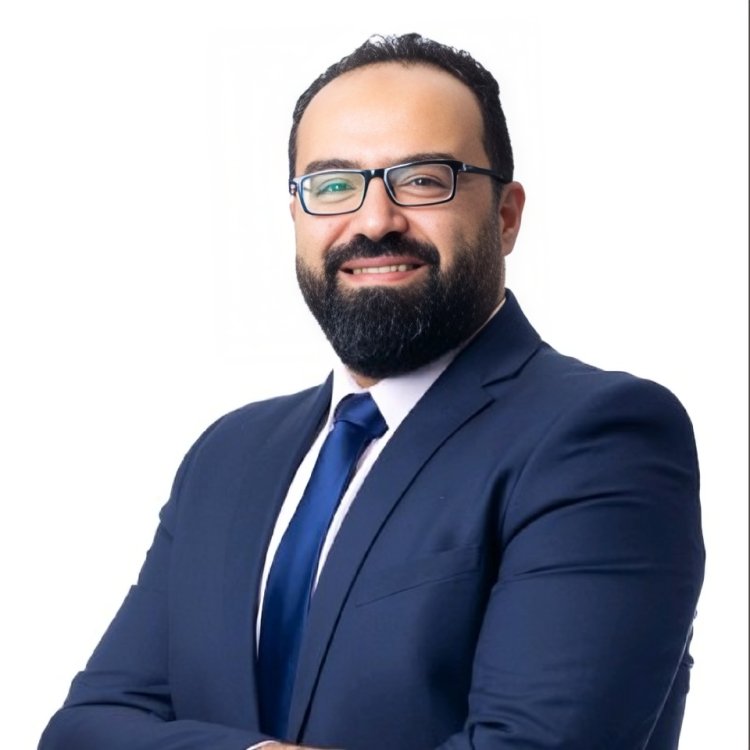
Behind every remarkable building lies a story of imagination, technical precision, and the collective effort required to transform an ambitious vision into reality. For Ahmed Khalifa, architecture is far more than the creation of physical spaces. It is about developing environments that connect functionality with aesthetics, respond to human needs, and deliver lasting value.
- The Beginning of a Professional Journey in Architecture
- Academic Qualifications and Professional Accreditations
- Eighteen Years of Experience and Continuous Professional Growth
- Comprehensive Architectural Expertise Across International Markets
- Hospitality Architecture: Where Design Meets Operational Excellence
- Landmark Hospitality Projects in Riyadh
- Leading Multidisciplinary Teams and Transforming Vision Into Reality
- Integrating Architectural Design With Interior Design Expertise
- Managing Complex Projects With Technical Precision
- Innovation and Sustainability as Foundations of Future Design
- Ahmed Khalifa: Contributing to Riyadh’s Evolving Architectural Landscape
- Looking Ahead With Purpose, Passion and Professional Ambition
With more than 18 years of professional experience, Ahmed has established a distinguished career across architectural design, interior design, urban planning, project management, and technical coordination. Based in Riyadh, Saudi Arabia, his professional journey spans projects in Egypt, Saudi Arabia, and the United Arab Emirates, reflecting his versatility across different architectural environments and development sectors.
His expertise extends from residential and commercial developments to administrative buildings and sophisticated hospitality projects. In recent years, he has developed a particular focus on hotel design and development, where architectural creativity must work alongside operational efficiency, technical requirements, and regulatory standards.
Through his association with Maamar Development & Investment, Ahmed continues to contribute to projects that reflect the evolving ambitions of Saudi Arabia’s architectural and hospitality landscape.
His story is one of perseverance, continuous learning, technical excellence, and a commitment to creating spaces where thoughtful design meets purposeful execution.
The Beginning of a Professional Journey in Architecture
Every successful architectural career begins with curiosity, creativity, and the desire to understand how ideas can become physical environments.
For Ahmed, architecture offered the opportunity to combine artistic expression with engineering knowledge, allowing him to explore the relationship between design, functionality, and the people who experience built spaces.
His professional foundation was established through years of academic preparation and practical learning, where he developed an appreciation for the technical complexity behind successful architectural projects.
From conceptual sketches and spatial planning to material selection, technical drawings, and construction coordination, every stage of architectural development requires careful consideration.
As Ahmed progressed professionally, he recognized that exceptional architecture depends on more than individual creativity.
It requires understanding the expectations of clients, the responsibilities of multidisciplinary teams, and the technical challenges involved in transforming designs into completed projects.
These early experiences shaped his approach to architecture, encouraging him to combine innovative thinking with disciplined execution.
Over time, this philosophy became central to his professional identity, guiding his development from architectural design responsibilities into broader technical and management leadership.
Academic Qualifications and Professional Accreditations
Ahmed’s technical foundation is supported by formal academic qualifications and professional affiliations that reflect his commitment to engineering excellence.
He holds a Bachelor’s degree in Architectural Engineering from the Faculty of Engineering at Shoubra, Benha University, Egypt, providing him with a comprehensive understanding of architectural principles, engineering systems, and design methodologies.
He is also a member of the Egyptian Syndicate of Engineers and the Saudi Council of Engineers, connecting his professional practice with established engineering communities in both countries.
Recognizing the increasing importance of digital transformation within architecture, Ahmed has obtained a certification in Building Information Modeling (BIM) Management.
This qualification supports his understanding of technology-driven design coordination, information management, and the integration of different disciplines throughout project development.
His professional knowledge also extends to project management principles and methodologies associated with the Project Management Institute (PMI), alongside an understanding of Leadership in Energy and Environmental Design (LEED) approaches to sustainable buildings.
Together, these qualifications and areas of expertise demonstrate his commitment to combining established engineering knowledge with contemporary tools and professional practices.
For Ahmed, continuous education remains essential in an industry where technological advancement and evolving design expectations constantly reshape the way projects are developed.
Eighteen Years of Experience and Continuous Professional Growth
Building a career spanning more than 18 years requires adaptability, discipline, and the ability to respond to changing industry demands.
Throughout his professional journey, Ahmed has developed experience across architectural design, interior design, technical management, project coordination, and multidisciplinary design leadership.
His responsibilities have involved guiding architectural and technical teams, reviewing design requirements, coordinating different engineering disciplines, and contributing to projects from their earliest conceptual stages through execution.
Working across diverse project environments has strengthened his understanding of the relationship between creative ambition, technical feasibility, and commercial expectations.
His career has also provided opportunities to work across different building sectors, each presenting unique challenges and requirements.
Residential projects demand careful consideration of comfort, functionality, and lifestyle. Commercial and administrative developments require efficient spatial organization and operational performance, while hospitality projects introduce additional expectations surrounding guest experience, service standards, and regulatory compliance.
For Ahmed, each professional experience has contributed to a broader understanding of architecture as an interconnected discipline.
His progression reflects a commitment to continuous improvement, demonstrating that lasting success comes from combining practical experience with the willingness to embrace new knowledge and responsibilities.
Comprehensive Architectural Expertise Across International Markets
One of the defining strengths of Ahmed’s professional background is the breadth of his experience across architectural disciplines and building sectors.
His work encompasses architectural design, interior design, urban planning, urban design, and landscape and site coordination.
This multidisciplinary perspective allows him to consider developments beyond individual buildings, recognizing how architectural spaces interact with their surrounding environments.
His professional experience extends across Egypt, Saudi Arabia, and the United Arab Emirates, providing exposure to different market expectations, architectural requirements, and development approaches.
Across these markets, Ahmed has contributed to projects involving residential, commercial, administrative, and hospitality facilities.
Each sector requires a distinctive balance between aesthetics, technical performance, operational requirements, and user experience.
By working across multiple disciplines, Ahmed has developed the ability to understand how architectural decisions influence interior environments, surrounding landscapes, and the overall functionality of a development.
This comprehensive approach is particularly valuable when managing complex projects involving different consultants, technical teams, and stakeholders.
His international experience has strengthened his adaptability while reinforcing the importance of clear communication and effective coordination.
Hospitality Architecture: Where Design Meets Operational Excellence
In recent years, hospitality architecture has become an increasingly important focus of Ahmed’s professional career.
Over the past five years, he has been involved in the design and management of approximately 10 hospitality projects, ranging across different hotel classifications, including three-star, four-star, and five-star developments.
Hospitality design presents a distinctive architectural challenge.
Unlike many conventional building types, hotels must successfully integrate guest comfort, operational efficiency, brand identity, service requirements, and regulatory compliance within a cohesive design.
For Ahmed, delivering successful hospitality developments requires understanding how these elements interact throughout the design and construction process.
A central aspect of his work involves balancing architectural and interior design objectives with the requirements and regulations established by Saudi Arabia’s Ministry of Tourism.
This demands careful planning to ensure that design proposals remain visually appealing while addressing the technical and operational standards associated with hotel development.
His experience reflects an understanding that successful hospitality architecture is not simply about creating impressive interiors or attractive building façades.
It is about designing environments that support the complete guest experience while meeting the practical needs of owners, operators, and regulatory authorities.
Landmark Hospitality Projects in Riyadh
Ahmed’s hospitality portfolio includes several hotel developments in Riyadh associated with Maamar Development & Investment and the international hotel operator Rotana.
These projects demonstrate his experience working with different hotel capacities, development requirements, and operational considerations.
Nova M Hotel – Riyadh
One of the notable projects in his portfolio is Nova M Hotel, a four-star hospitality development comprising 104 keys.
Owned by Maamar Development & Investment and operated by Rotana, the hotel has a stated opening year of 2024.
The project reflects the importance of coordinating architectural design, interior environments, and hospitality requirements to create an efficient and welcoming guest experience.
Edge Riyadh Al Rabie Hotel
Another significant project is Edge Riyadh Al Rabie Hotel, a four-star development comprising 71 keys.
The property is associated with Maamar Development & Investment as owner and Rotana as operator, with 2026 identified as its scheduled opening year.
Its development represents another example of the technical and design coordination required to support modern hospitality environments.
Edge Al Sahafa Hotel
Ahmed’s portfolio also includes Edge Al Sahafa Hotel, a four-star property comprising 114 rooms, owned by Maamar Development & Investment and associated with Rotana as operator.
The project has a planned opening year of 2027, reflecting continued development within Riyadh’s expanding hospitality market.
Alongside these developments, Ahmed has been involved in additional ongoing hospitality projects expected to progress toward opening over the coming years.
Together, these projects highlight his experience in managing the relationship between architectural creativity, hospitality operations, and the technical requirements necessary to deliver complex developments.
Leading Multidisciplinary Teams and Transforming Vision Into Reality
Architecture is rarely the achievement of one individual. Behind every completed project is a network of architects, engineers, designers, consultants, and technical specialists working toward a shared objective.
Ahmed understands that bringing these professionals together is one of the most important responsibilities of architectural leadership.
As a Design and Technical Manager, his work involves coordinating multidisciplinary teams, reviewing design requirements, managing technical considerations, and ensuring that architectural concepts can be translated into practical solutions.
This responsibility requires more than technical expertise.
It demands effective communication, sound judgment, problem-solving abilities, and the confidence to make informed decisions under pressure.
Complex developments often involve changing requirements, coordination challenges, technical revisions, and competing project priorities.
Ahmed approaches these situations through structured planning, collaborative decision-making, and attention to detail.
His leadership philosophy emphasizes the importance of creating alignment between different professional disciplines while maintaining a clear understanding of project objectives.
For him, successful design management means enabling teams to contribute their expertise effectively while ensuring that creativity, quality, and technical feasibility remain connected.
His experience reinforces a fundamental principle of architectural development: exceptional results emerge when individual expertise becomes a coordinated collective effort.
Integrating Architectural Design With Interior Design Expertise
A distinctive aspect of Ahmed’s professional background is his understanding of both architectural and interior design.
While architecture establishes a building’s structure, spatial organization, and overall identity, interior design determines how those spaces are experienced in everyday life.
For Ahmed, these disciplines should not operate independently.
Instead, they must complement one another to create environments that are visually cohesive, functional, and responsive to their intended purpose.
His expertise includes architectural drawings, technical detailing, design coordination, and the integration of creative concepts with practical requirements.
This approach is particularly relevant within hospitality developments, where the relationship between exterior architecture and interior experience contributes directly to a property’s character.
From circulation planning and spatial efficiency to materials, lighting considerations, and operational requirements, every design decision influences the overall experience of a building.
Ahmed believes that successful design should balance aesthetic ambition with comfort, usability, technical performance, and long-term value.
By considering projects from both architectural and interior perspectives, he is able to support more integrated design outcomes.
Managing Complex Projects With Technical Precision
Transforming an architectural concept into a completed development is a demanding process that requires coordination across numerous technical and professional disciplines.
Design revisions, changing project requirements, material considerations, and technical challenges can arise throughout development.
Addressing these issues effectively requires flexibility without losing sight of the project’s original objectives.
Ahmed’s experience in architectural project management and design management has strengthened his ability to navigate these complexities.
His approach emphasizes early planning, clear communication, and structured decision-making to support efficient project delivery.
He recognizes that even minor technical details can influence construction efficiency, operational performance, and the overall quality of a completed development.
Rather than viewing complexity as an obstacle, Ahmed considers it an essential part of the architectural process that must be managed through preparation and collaboration.
His professional experience demonstrates the importance of connecting design ambitions with the practical realities of implementation.
For Ahmed, technical excellence is not simply about resolving challenges when they arise. It is about developing the processes and coordination necessary to anticipate them wherever possible.
Innovation and Sustainability as Foundations of Future Design
As the architectural industry evolves, innovation and sustainability are becoming increasingly important considerations in the development of modern buildings.
Ahmed maintains a strong professional interest in exploring solutions that combine creative design with environmental responsibility and operational efficiency.
He recognizes that contemporary architecture must respond not only to immediate functional needs but also to changing social, technological, and environmental expectations.
Thoughtful material selection, efficient spatial planning, adaptable design concepts, and responsible resource management can all contribute to more sustainable built environments.
His understanding of LEED approaches and modern project management methodologies supports his wider interest in incorporating sustainability principles into architectural thinking.
For Ahmed, innovation is most valuable when it produces practical improvements rather than simply introducing new visual concepts.
This philosophy reflects a belief that architectural excellence should be measured not only by the appearance of a building but also by its functionality, adaptability, and lasting contribution to its surroundings.
His professional perspective can be summarized through a guiding principle:
“Great architecture is not only what we build today, but how we design for tomorrow with care and thoughtfulness.”
This belief continues to influence his interest in developing thoughtful architectural solutions that connect creativity with long-term responsibility.
Ahmed Khalifa: Contributing to Riyadh’s Evolving Architectural Landscape
Riyadh is undergoing a significant period of urban development, creating opportunities for architectural professionals to contribute to new residential, commercial, and hospitality environments.
As Saudi Arabia continues advancing its development ambitions, the demand for technically experienced design and project management professionals remains important.
Ahmed’s professional presence in Riyadh places him within an evolving market where architectural creativity must be supported by efficient project delivery and increasingly sophisticated technical standards.
His association with Maamar Development & Investment reflects his involvement in a development environment where architectural design, hospitality requirements, and commercial objectives intersect.
Through his work on hotel developments and other architectural projects, he contributes experience in design coordination, technical management, and multidisciplinary leadership.
His understanding of both architectural and interior design requirements allows him to approach projects with a comprehensive perspective.
For Ahmed, Riyadh represents more than a professional location.
It is an environment where years of accumulated knowledge can be applied to ambitious developments while creating opportunities for continued learning and professional growth.
His journey reflects the role experienced architectural specialists play in translating development ambitions into practical, well-coordinated built environments.
Looking Ahead With Purpose, Passion and Professional Ambition
After more than 18 years in architecture, Ahmed’s professional journey continues to be defined by curiosity, perseverance, and a commitment to technical excellence.
His experience across Egypt, Saudi Arabia, and the United Arab Emirates has provided him with a broad understanding of architectural design, project management, and the complexities of different development sectors.
His growing involvement in hospitality projects represents an important dimension of his professional direction, bringing together architectural creativity, interior design expertise, and operational requirements.
Looking ahead, Ahmed remains focused on strengthening his knowledge, exploring innovative design solutions, and contributing to developments that combine functionality with long-term value.
His professional interests in sustainability, technical coordination, and modern design methodologies provide a foundation for continued growth.
For him, meaningful achievement is not defined solely by the number of completed projects or the scale of individual developments.
It is also reflected in the teams he has supported, the challenges he has helped overcome, and the knowledge gained throughout his career.
Ahmed Khalifa represents an architectural professional who understands that successful design requires a careful balance of imagination, technical discipline, and collaborative leadership.
His story demonstrates that lasting professional excellence is built through experience, continuous learning, and the determination to transform ambitious ideas into purposeful spaces.
Ultimately, his journey is a reminder that architecture is not simply about constructing buildings.
It is about creating environments that serve people, support progress, and remain meaningful for generations to come.
Connect Ahmed Khalifah on LinkedIn and Follow him on Facebook
Read More – Manuel Aragon’s Inspiring Rise as a Tax Entrepreneur