What Makes Traditional Emirati Cuisine UAE Food So Rich, Unique and Delicious?
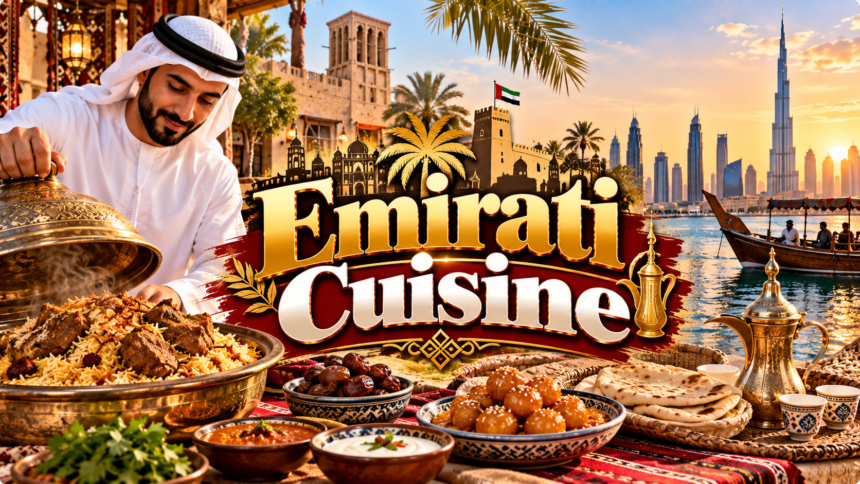
Emirati cuisine is an important part of the United Arab Emirates’ cultural identity, reflecting the country’s history, geography, traditions and hospitality. Known for its aromatic spices, slow-cooked meats, fresh seafood, rice-based meals and delicious desserts, traditional Emirati food offers a fascinating journey through the flavours of the Arabian Peninsula. It combines influences from Bedouin heritage, coastal fishing communities, desert lifestyles and centuries of international trade.
- 1. What Are the Main Characteristics of Emirati Cuisine?
- 2. How Has the History of the UAE Influenced Its Traditional Food?
- 3. Which Are the Most Famous Traditional Emirati Dishes?
- 4. Which Traditional Emirati Desserts Should Food Lovers Try?
- 5. What Role Do Dates Play in Emirati Cuisine?
- 6. Which Spices Give Emirati Food Its Distinctive Flavour?
- 7. What Traditional Drinks Are Popular in the UAE?
- 8. How Does Emirati Cuisine Reflect the Culture of Hospitality?
- 9. What Is the Importance of Emirati Food During Ramadan and Eid?
- 10. How Has Modern Emirati Cuisine Evolved Over Time?
- 11. What Are the Main Differences Between Emirati Cuisine and Other Middle Eastern Cuisines?
- 12. Where Can Visitors Experience Authentic Emirati Food in the UAE?
- 13. Is Emirati Cuisine Suitable for Vegetarians and International Food Lovers?
- 14. Why Is Preserving Traditional Emirati Cuisine Important for Future Generations?
- 15. What Are Some Interesting Facts About Traditional Emirati Food?
The traditional food of the UAE is more than just a collection of recipes. It tells stories about family gatherings, community celebrations, religious festivals and the hospitality for which Emirati people are widely recognised. From the famous Al Machboos and Harees to sweet Luqaimat and refreshing traditional drinks, every dish has its own cultural significance.
Although modern restaurants and international food trends have influenced dining habits across the Emirates, traditional Emirati cuisine dishes continue to hold a special place in homes, restaurants and celebrations. Whether someone is exploring Dubai, Abu Dhabi, Sharjah or the smaller Emirates, discovering local food is one of the best ways to understand the country’s heritage.
But what makes Emirati cuisine so distinctive? Which traditional dishes should visitors try? How have historical trade routes shaped its flavours? Let’s explore the delicious world of authentic Emirati food and its cultural importance.
1. What Are the Main Characteristics of Emirati Cuisine?
Emirati cuisine is recognised for its balanced flavours, aromatic spices, simple ingredients and traditional cooking techniques. Historically, people living in the UAE depended on ingredients that were available in their surroundings. These included dates, fish, rice, camel milk, meat, vegetables and locally sourced herbs.
The country’s geographical location played a major role in shaping its culinary traditions. Coastal communities relied heavily on fishing, while desert communities developed food habits based on livestock, dates and preserved ingredients. Over time, these regional traditions became part of a shared Emirati food culture.
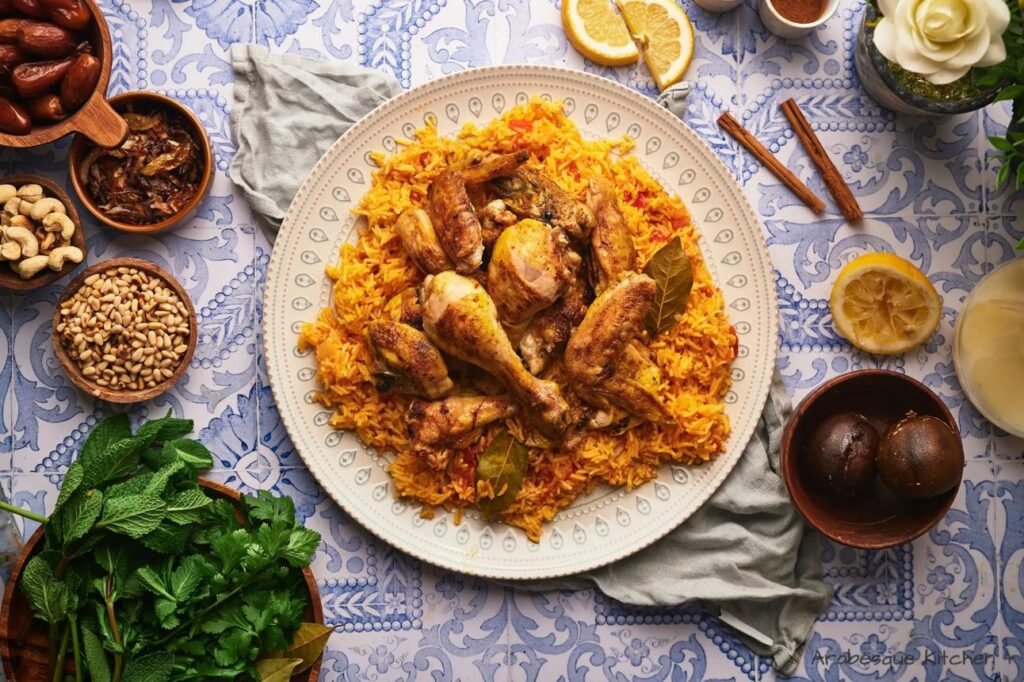
Some of the most important characteristics of traditional Emirati cuisine include:
- Aromatic spices: Cardamom, cinnamon, saffron, turmeric, cloves and dried lime are frequently used to create distinctive flavours.
- Rice-based dishes: Rice is an important ingredient in many traditional meals, particularly those prepared with chicken, lamb or seafood.
- Fresh seafood: Fish and other seafood have historically been essential to coastal Emirati communities.
- Slow cooking: Many traditional recipes involve slow cooking to develop rich flavours and tender textures.
- Dates and traditional sweets: Dates are central to Emirati hospitality and are used in various desserts and everyday snacks.
- Community dining: Sharing food from large serving dishes reflects the importance of family and togetherness.
These characteristics make Emirati cuisine food both comforting and distinctive, connecting modern dining experiences with generations of culinary knowledge.
2. How Has the History of the UAE Influenced Its Traditional Food?
The history of Emirati cuisine is closely connected to the country’s desert environment, coastal settlements and trading traditions. Before the discovery of oil transformed the UAE, communities relied on fishing, pearl diving, animal husbandry, agriculture and regional trade for their livelihoods.
Food habits developed according to the availability of ingredients and the demands of everyday life. Bedouin communities needed meals that were nutritious, filling and practical to prepare in challenging desert conditions. Coastal communities, meanwhile, used fish and seafood as important sources of nourishment.
The UAE’s position along historic maritime trading routes also introduced new ingredients and cooking influences. Traders travelling between Arabia, India, East Africa and Persia contributed to the exchange of spices, rice, cooking methods and culinary ideas.
Some important historical influences include:
- Bedouin traditions: Encouraged the use of dates, camel milk, meat and simple cooking methods.
- Fishing communities: Developed seafood-based dishes using locally available fish.
- Pearl-diving heritage: Influenced the food habits of coastal communities.
- Indian Ocean trade: Introduced and popularised ingredients such as rice and various spices.
- Regional Arabian culture: Connected Emirati cooking with broader Gulf and Arabian food traditions.
Today, these historical influences can still be recognised in many traditional recipes served throughout the UAE.
3. Which Are the Most Famous Traditional Emirati Dishes?
Traditional Emirati cuisine food includes a variety of rice dishes, meat preparations, seafood recipes, breads and sweets. Each dish has a distinctive flavor and preparation method, making the cuisine interesting for both residents and international visitors.
Here are some of the most popular dishes worth discovering.
3.1 Al Machboos: Why Is It One of the Most Popular Emirati Dishes?
Al Machboos is one of the best-known dishes in Emirati cuisine. It is a fragrant rice preparation traditionally cooked with chicken, lamb, goat or fish. The dish is flavoured with a combination of spices, onions, tomatoes and dried lime, which gives it a distinctive aroma and slightly tangy taste.
The preparation generally involves cooking the meat with spices until tender. Rice is then added to absorb the flavourful cooking liquid. The finished dish is usually served on a large platter, making it suitable for family meals and special occasions.
Common ingredients include:
- Basmati rice
- Chicken, lamb or fish
- Onions and tomatoes
- Dried lime, also known as loomi
- Cardamom and cinnamon
- Turmeric and other spices
Al Machboos represents the importance of rice-based meals in Gulf food culture and remains a favourite choice at traditional gatherings.
3.2 Harees: What Makes This Traditional Dish So Special?
Harees is a traditional Emirati cuisine dish prepared using wheat, meat and water. The ingredients are slowly cooked until they develop a thick, smooth and creamy consistency. Depending on the recipe, chicken or lamb may be used.
The dish is particularly popular during Ramadan, Eid celebrations and family gatherings. Its simple ingredients and comforting texture make it a meaningful part of traditional Emirati food culture.
Harees is often finished with ghee, which adds richness and flavour. It is commonly served warm and shared among family members.
3.3 Thareed: Why Is It Considered a Traditional Comfort Food?
Thareed is a traditional bread-based dish prepared with thin pieces of bread layered with a flavourful meat and vegetable stew. The bread absorbs the cooking liquid, creating a soft and satisfying meal.
Common ingredients include meat, potatoes, tomatoes, onions, carrots and spices. The recipe can vary between households, with each family adding its own touch.
Thareed is especially popular during Ramadan and is valued for its hearty ingredients and comforting taste.
3.4 Balaleet: How Does Emirati Cuisine Combine Sweet and Savoury Flavours?
Balaleet is a distinctive Emirati breakfast dish that combines sweet vermicelli noodles with a savoury egg omelette. The vermicelli is usually flavoured with sugar, cardamom, saffron and sometimes rose water.
The sweet noodles are served with an egg layer on top, creating an interesting combination of textures and flavours.
Balaleet is especially popular during Eid mornings and traditional family breakfasts. It demonstrates how Emirati cuisine balances sweetness and savoury ingredients in a single preparation.
3.5 Madrouba: What Makes This Creamy Rice Dish Unique?
Madrouba is a comforting dish prepared with rice, chicken or fish, spices and other ingredients. It is cooked for an extended period and stirred until the mixture becomes thick and creamy.
The name is associated with the traditional method of beating or stirring the ingredients to create its characteristic texture.
Madrouba is particularly appreciated as a warm, filling meal and is often prepared for family gatherings.
3.6 Samak Mashwi: Why Is Grilled Fish Important in Emirati Cuisine?
Samak Mashwi refers to grilled fish prepared with aromatic spices and seasonings. As fishing was historically important to coastal communities in the UAE, seafood became a significant part of local food traditions.
Fresh fish is typically seasoned with spices, herbs and sometimes lemon before being grilled. It may be served with rice, salad or traditional sauces.
This dish highlights the relationship between Emirati cuisine and the country’s maritime heritage.
3.7 Regag Bread: What Makes This Traditional Bread Popular?
Regag is a thin, crispy traditional Emirati bread prepared on a hot flat cooking surface. It is commonly enjoyed for breakfast or as a snack.
It can be eaten plain or accompanied by ingredients such as cheese, eggs, honey and fish sauce. Its light texture makes it a versatile addition to everyday meals.
Regag remains popular in traditional bakeries and local food markets across the UAE.
4. Which Traditional Emirati Desserts Should Food Lovers Try?
Emirati desserts are an essential part of the country’s culinary heritage. They are often prepared using dates, flour, honey, sugar, saffron, cardamom and rose water. These ingredients create sweet treats that are closely associated with hospitality, celebrations and family traditions.

Here are some popular traditional Emirati desserts.
4.1 Luqaimat: Why Are These Sweet Dumplings So Popular?
Luqaimat are small, round, golden-fried dumplings with a soft interior and slightly crispy exterior. They are traditionally drizzled with date syrup or honey and sometimes sprinkled with sesame seeds.
They are especially popular during Ramadan and other festive occasions. Their sweet flavour and bite-sized shape make them a favourite among children and adults.
4.2 Khabeesa: What Makes This Traditional Emirati Dessert Special?
Khabeesa is a traditional sweet dish prepared using roasted flour, sugar, water, ghee and aromatic spices. Cardamom and saffron are often added to enhance its flavour.
Its soft, slightly grainy texture and rich aroma make it a comforting dessert. Khabeesa is commonly served during family gatherings and special occasions.
4.3 Batheetha: How Are Dates Used in Traditional Emirati Sweets?
Batheetha is a traditional Emirati sweet made primarily from dates and roasted flour. It may also contain ghee, cardamom and other flavourful ingredients.
Dates provide natural sweetness, while roasted flour gives the dessert its distinctive texture. It reflects the historical importance of date palms in Emirati agriculture and everyday life.
4.4 Khanfaroosh: What Is This Traditional Emirati Sweet?
Khanfaroosh is a traditional sweet cake or fritter prepared using flour, eggs, sugar, saffron, cardamom and sometimes rose water. It is usually fried or cooked until golden.
Its fragrant flavour and soft texture make it a popular accompaniment to Arabic coffee and tea.
5. What Role Do Dates Play in Emirati Cuisine?
Dates are among the most important ingredients in traditional Emirati food culture. The date palm has historically provided food, shelter materials and other essential resources to communities living in the Arabian Peninsula.
The UAE has a long tradition of date cultivation, and dates remain an important part of everyday meals, celebrations and hospitality.
They are commonly served to guests alongside Arabic coffee. This combination represents a traditional gesture of welcome and generosity.
Dates are also used in several Emirati recipes, including desserts, snacks and sweet preparations. Different varieties offer different flavours, textures and levels of sweetness.
Some popular ways dates are enjoyed include:
- Fresh dates as an everyday snack.
- Dates served with Arabic coffee.
- Date syrup used as a natural sweetener.
- Date-based desserts and traditional sweets.
- Dates stuffed with nuts or other ingredients.
Beyond their culinary importance, date palms represent cultural heritage, agricultural knowledge and the historical relationship between Emirati communities and the desert environment.
6. Which Spices Give Emirati Food Its Distinctive Flavour?
Spices are essential to the character of Emirati cuisine. They create the rich aromas and layered flavours that make traditional UAE dishes recognisable.
Unlike cuisines that rely heavily on hot chilli flavours, many Emirati recipes focus on aromatic spices that provide warmth, fragrance and depth.
Some commonly used spices and flavourings include:
- Cardamom: Adds a fragrant and slightly sweet flavour to food and beverages.
- Saffron: Provides colour, aroma and a distinctive taste to rice dishes and desserts.
- Cinnamon: Adds warmth and sweetness to meat preparations and traditional sweets.
- Turmeric: Gives rice and other dishes a beautiful golden colour.
- Cloves: Provide a strong aromatic flavour in spice blends.
- Black pepper: Adds mild heat and depth.
- Dried lime (loomi): Creates a distinctive tangy flavour in traditional rice and meat dishes.
- Coriander: Adds freshness and an earthy taste.
These ingredients are often combined to create traditional spice mixtures used in different Emirati households.
The use of spices also reflects the UAE’s historical connections with international trade networks, particularly those linking the Arabian Peninsula with India, East Africa and other regions.
7. What Traditional Drinks Are Popular in the UAE?
Traditional beverages are an important part of Emirati hospitality. They are commonly served during family gatherings, social visits, celebrations and formal occasions.
Some of the most recognised drinks include:
1. Arabic Coffee (Gahwa)
Arabic coffee, commonly known as Gahwa, is one of the most important traditional beverages in Emirati culture. It is usually prepared with lightly roasted coffee beans and flavoured with cardamom. Saffron and other spices may also be added.
It is traditionally served in small cups called finjan and accompanied by dates. Serving coffee to guests is an important expression of generosity and respect.
2. Karak Tea
Karak tea is a popular beverage throughout the UAE. It is generally prepared using strong black tea, milk, sugar and spices such as cardamom.
Although its roots are associated with South Asian tea traditions, karak has become an important part of everyday drinking culture in the Emirates.
3. Jallab
Jallab is a sweet, refreshing beverage traditionally prepared using ingredients such as date syrup, grape molasses or rose water, depending on the recipe. It is often served chilled.
4. Laban
Laban is a fermented milk drink enjoyed across the Gulf region. It has a refreshing, slightly sour flavour and is often served with meals.
5. Saffron Milk
Saffron-flavoured milk is another aromatic beverage enjoyed in some households. It combines milk with saffron and sometimes cardamom or other sweetening ingredients.
8. How Does Emirati Cuisine Reflect the Culture of Hospitality?
Hospitality is one of the defining elements of Emirati culture, and food plays a central role in expressing it. Welcoming guests with Arabic coffee, dates and generous meals is a long-established tradition.
In traditional Emirati households, preparing food for visitors is considered an important gesture of respect. Large dishes are often shared among family members and guests, creating opportunities for conversation and togetherness.
Several customs reflect this hospitality:
- Offering Arabic coffee and dates when guests arrive.
- Preparing generous portions for visitors.
- Sharing traditional meals during family gatherings.
- Serving special dishes during weddings and celebrations.
- Welcoming relatives and friends during religious festivals.
Traditional coffee-serving etiquette is also meaningful. Coffee is generally served from a traditional dallah into small cups. Guests may gently shake their cup to indicate that they do not want another serving.
Food therefore represents much more than nourishment in Emirati society. It is a way of maintaining relationships, celebrating traditions and showing appreciation for others.
9. What Is the Importance of Emirati Food During Ramadan and Eid?
Ramadan and Eid are among the most important occasions for experiencing traditional Emirati food. During Ramadan, families gather to break their fast at sunset, sharing meals that often include traditional dishes and desserts.
Harees, Thareed, Al Machboos and Luqaimat are among the foods commonly associated with festive and family dining during this period.
Dates and water are traditionally used to break the fast, followed by a variety of dishes depending on family customs and regional preferences.
Eid celebrations also bring families together around special meals. Breakfast tables may feature Balaleet, traditional breads, sweets and Arabic coffee.
Food during these occasions strengthens family relationships and provides opportunities to pass culinary traditions from one generation to another.
Some popular Ramadan and Eid food traditions include:
- Preparing Harees for family gatherings.
- Serving Luqaimat as a traditional sweet.
- Sharing large rice-based meals.
- Offering dates and Arabic coffee to guests.
- Preparing special breakfasts on Eid mornings.
- Sharing food with neighbours and those in need.
These traditions highlight the connection between food, generosity, community and religious celebrations.
10. How Has Modern Emirati Cuisine Evolved Over Time?
Modern Emirati cuisine reflects the transformation of the UAE into a global destination for tourism, business and international culture. While traditional recipes remain important, contemporary chefs are exploring new ways to present local ingredients and heritage dishes.
The growth of Dubai, Abu Dhabi and other cities has introduced residents and visitors to a wide range of international cuisines. This cultural diversity has influenced restaurant menus, cooking techniques and dining experiences.
However, traditional Emirati flavours continue to inspire modern culinary creativity.
Some notable developments include:
- Traditional dishes presented using contemporary plating techniques.
- Restaurants introducing creative versions of Al Machboos and Harees.
- Greater attention to locally sourced ingredients.
- Modern desserts inspired by dates, saffron and cardamom.
- Fine-dining experiences that celebrate Emirati heritage.
- Culinary festivals promoting traditional UAE food.
Many chefs are also working to introduce Emirati cuisine to international audiences through restaurants, food events and cultural experiences.
The evolution of Emirati food demonstrates that preserving tradition does not mean avoiding innovation. Instead, traditional recipes can continue to develop while maintaining their cultural identity.
11. What Are the Main Differences Between Emirati Cuisine and Other Middle Eastern Cuisines?
Emirati cuisine shares several ingredients and cooking traditions with other Middle Eastern and Gulf cuisines. Rice, meat, dates, flatbreads, aromatic spices and coffee are common across the region.
However, traditional Emirati food has distinctive characteristics influenced by the UAE’s geography, maritime history and desert lifestyle.
For example, seafood has historically played an important role in coastal Emirati communities. Dried lime, cardamom and traditional spice combinations also contribute to the unique flavours of local rice and meat dishes.
Some key differences include:
| Culinary feature | Emirati cuisine |
|---|---|
| Main ingredients | Rice, fish, meat, dates and wheat |
| Popular spices | Cardamom, saffron, cinnamon and dried lime |
| Traditional meals | Machboos, Harees and Thareed |
| Popular sweets | Luqaimat, Khabeesa and Batheetha |
| Traditional drink | Arabic coffee |
| Food traditions | Shared meals and generous hospitality |
Although neighbouring countries have their own culinary identities, the cuisines of the Gulf share a rich cultural heritage that connects communities through food.
12. Where Can Visitors Experience Authentic Emirati Food in the UAE?
Visitors interested in traditional Emirati food can explore local restaurants, heritage villages, traditional markets and cultural dining experiences throughout the country.
Dubai and Abu Dhabi offer opportunities to discover traditional recipes alongside modern interpretations of Emirati cuisine. Sharjah and other Emirates also provide cultural experiences that highlight local food traditions.
Some ways to explore authentic Emirati food include:
- Traditional Emirati restaurants: Look for restaurants specialising in heritage recipes and local ingredients.
- Heritage villages: Explore cultural centres that showcase traditional lifestyles, cooking methods and food customs.
- Local food markets: Discover traditional breads, dates, sweets and regional ingredients.
- Ramadan food experiences: Experience traditional dishes served during community iftars.
- Cultural festivals: Attend food festivals celebrating Emirati heritage and culinary traditions.
- Local breakfast experiences: Try Balaleet, Regag bread and Arabic coffee.
Visitors should also consider asking local hosts about the history and preparation of traditional dishes. Understanding the cultural background of a meal can make the dining experience more meaningful.
13. Is Emirati Cuisine Suitable for Vegetarians and International Food Lovers?
Yes, Emirati cuisine offers several options for people with different food preferences, although many traditional main courses contain meat or seafood.
Vegetarian-friendly dishes and ingredients include:
- Regag bread served with suitable vegetarian fillings.
- Vegetable-based Thareed.
- Rice preparations with vegetables.
- Date-based desserts.
- Luqaimat.
- Khabeesa.
- Fresh dates and seasonal fruits.
International food lovers can also explore the cuisine through its variety of textures, aromatic spices and distinctive flavour combinations.
People following vegetarian, vegan or specific dietary requirements should check individual ingredients, as traditional recipes can vary between households and restaurants. Some dishes may contain ghee, dairy products, meat stock or eggs.
For travellers who enjoy exploring food cultures, Emirati cuisine offers a wonderful opportunity to discover unfamiliar ingredients and traditional cooking techniques.
14. Why Is Preserving Traditional Emirati Cuisine Important for Future Generations?
Preserving Emirati cuisine is important because food represents a living connection between the country’s past, present and future. Traditional recipes preserve knowledge about local ingredients, historical lifestyles, agricultural practices and family customs.
As cities become more modern and international food options become increasingly available, maintaining traditional cooking practices helps protect the country’s cultural identity.
Families, chefs, restaurants and cultural organisations all contribute to preserving this culinary heritage.
Important ways to protect Emirati food traditions include:
- Teaching younger generations traditional family recipes.
- Supporting local restaurants that specialise in Emirati dishes.
- Documenting traditional cooking techniques and ingredients.
- Promoting local food festivals and culinary exhibitions.
- Encouraging the use of traditional ingredients.
- Sharing the cultural stories behind heritage dishes.
- Introducing Emirati cuisine to international visitors.
Food education can also help younger people understand the historical importance of dates, seafood, spices and traditional cooking methods.
By preserving these traditions, future generations can continue to enjoy the flavours and cultural experiences that make Emirati cuisine special.
15. What Are Some Interesting Facts About Traditional Emirati Food?
Emirati cuisine has many interesting features that reflect the country’s history, hospitality and regional diversity.
Here are some fascinating facts about traditional UAE food:
- Dates have been an essential food source in the Arabian Peninsula for centuries.
- Arabic coffee is an important symbol of hospitality in Emirati culture.
- Harees is traditionally prepared by slowly cooking wheat and meat together.
- Luqaimat is especially popular during Ramadan.
- Regag is a traditional thin bread commonly enjoyed as breakfast or a snack.
- Dried lime is an important flavouring ingredient in several Gulf rice dishes.
- Seafood reflects the historical importance of fishing in coastal communities.
- Balaleet combines sweet vermicelli with savoury eggs.
- Traditional meals are frequently shared from large serving platters.
- Emirati culinary traditions reflect historical connections with India, East Africa and other trading regions.
These facts demonstrate how traditional food can preserve the history and cultural identity of a nation.
Conclusion: Why Should Everyone Discover Emirati Cuisine?
Emirati cuisine is a fascinating expression of the United Arab Emirates’ cultural heritage, historical experiences and traditions of hospitality. From aromatic Al Machboos and comforting Harees to crispy Regag bread and sweet Luqaimat, every dish offers a glimpse into the country’s culinary identity.
The cuisine reflects the influence of desert communities, fishing traditions, regional trade and generations of family cooking. Ingredients such as dates, rice, seafood, wheat, cardamom and saffron continue to play an important role in traditional recipes.
Today, Emirati cuisine is gaining greater recognition through restaurants, cultural festivals, tourism experiences and modern culinary innovation. While contemporary chefs experiment with new presentation styles and ingredients, traditional dishes remain an essential part of family celebrations and everyday food culture.
For international visitors, discovering Emirati food is an excellent way to experience the UAE beyond its famous skyscrapers, luxury shopping destinations and modern attractions. For residents, it offers an opportunity to celebrate and preserve the culinary traditions passed down through generations.
Ultimately, Emirati cuisine is not simply about delicious meals. It is about heritage, generosity, community and the stories that connect people through food.
Do follow us on Instagram
Read More – 20 Emirati Foods Everyone Should Try