How Functional Drinks Are Creating New Business Opportunities in Dubai
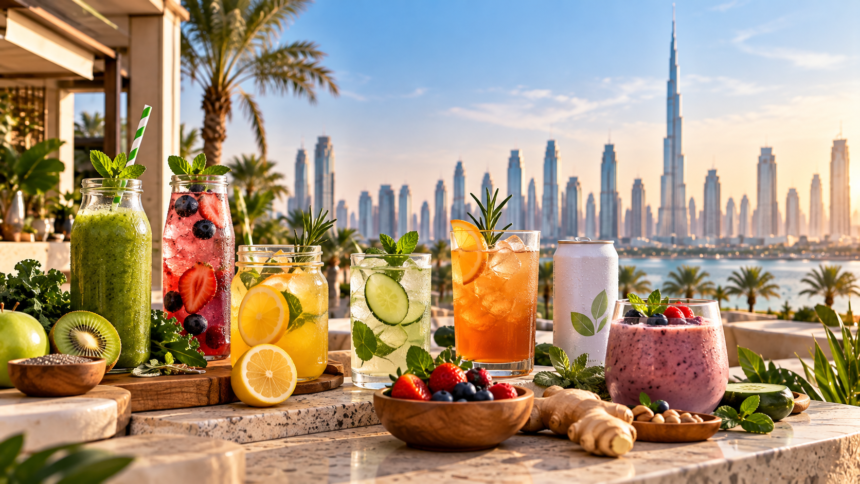
Walk into a supermarket in Dubai or Abu Dhabi, and the beverage aisle offers far more than conventional soft drinks, bottled water and fruit juices. Alongside familiar products are electrolyte drinks, protein beverages, fermented teas, sparkling waters and alternatives promoted around reduced sugar or additional nutritional ingredients.
- What Are Functional Drinks in UAE and Why Are They Gaining Attention?
- 7 Beverage Trends Changing the UAE Drinks Market
- UAE Sugar Tax 2026: How New Rules Are Reshaping Beverage Pricing
- Low-Sugar, Sugar-Free and Natural Drinks: What Is Actually Healthier?
- How Functional Drinks Are Creating New Business Opportunities in Dubai
- Beverage Regulations, Nutrition Labels and Consumer Trust in the UAE
- The Future of Functional Drinks in UAE and Frequently Asked Questions
This expanding selection reflects a change in how beverage companies are positioning their products. Customers are no longer being offered drinks based only on flavour and refreshment. Many products are now marketed around hydration, fitness, nutrition, convenience and personal lifestyle preferences.
Functional Drinks in UAE retail are becoming part of this development, alongside growing interest in low-sugar and no-added-sugar alternatives.
A functional drink generally refers to a beverage marketed with ingredients or nutritional characteristics intended to provide benefits beyond ordinary refreshment. These may include added protein, vitamins, minerals, caffeine, electrolytes or ingredients associated with digestive health.
However, not every product carrying a wellness-related label has proven additional health benefits. The value of a beverage depends on its ingredients, nutritional composition, serving size and the needs of the person consuming it.
The UAE’s beverage market is also experiencing an important regulatory change.
On January 1, 2026, the country introduced a tiered excise tax system for qualifying sweetened drinks. Instead of applying the previous flat percentage-based approach, the new system calculates the tax according to sugar content per litre.
This creates a direct commercial reason for manufacturers to reconsider product formulations.
Industry research published by Euromonitor in January 2026 also identified increasing demand for reduced-sugar products and beverages positioned around vitamins, minerals, protein and other functional ingredients.
For manufacturers, retailers and entrepreneurs, the development creates opportunities to introduce products addressing different consumer preferences. It also brings challenges involving pricing, ingredient claims, regulatory compliance and competition.
The question is no longer simply whether UAE consumers want healthier beverages. It is how the industry can respond to changing expectations while maintaining taste, affordability and credibility.
What Are Functional Drinks in UAE and Why Are They Gaining Attention?
Functional drinks are beverages positioned around a particular nutritional ingredient, intended purpose or lifestyle requirement.
The term covers several different categories rather than one clearly defined product type. Some beverages contain nutrients with established dietary functions, while others include ingredients whose advertised benefits may be supported by limited evidence.
A drink containing protein, for example, may provide a measurable quantity of dietary protein. A beverage claiming to improve concentration or digestive health requires more careful examination of its ingredients, dose and supporting research.
Different Types of Functional Beverages
| Beverage Type | Typical Ingredients | Common Positioning |
|---|---|---|
| Electrolyte Drinks | Sodium, potassium and other minerals | Hydration and exercise |
| Protein Drinks | Milk, whey, soy or plant proteins | Convenient protein intake |
| Kombucha | Fermented tea | Fermentation and gut-health interest |
| Vitamin-Enriched Water | Added vitamins and minerals | Nutritional convenience |
| Functional Energy Drinks | Caffeine and other ingredients | Alertness and energy |
| Coconut Water | Naturally occurring electrolytes | Refreshment and hydration |
| Low-Sugar Sparkling Drinks | Carbonated water and flavourings | Alternative to sweetened soda |
Why Consumers Are Exploring New Options
The UAE has a diverse population with different dietary practices, lifestyles and purchasing preferences. Some consumers want convenient beverages after exercise, while others seek alternatives to high-sugar carbonated drinks.
Fitness participation, health awareness and international beverage trends help shape the products appearing in local retail channels. However, consumer interest does not necessarily establish that every advertised product is more nutritious than an ordinary alternative.
The Role of Convenience
Ready-to-drink packaging is an important part of the market. Consumers can purchase beverages from supermarkets, convenience stores, gyms and online platforms without preparing them at home.
For busy professionals, students and travellers, convenience can be as important as the ingredients themselves.
This creates opportunities for manufacturers to combine clear nutritional information, acceptable taste and practical packaging.
7 Beverage Trends Changing the UAE Drinks Market
The growing variety of drinks available in the UAE reflects several overlapping consumer and industry developments.
These trends are not necessarily replacing conventional beverages. Instead, they are expanding the choices available to shoppers.
1. Reduced-Sugar Soft Drinks
Soft-drink manufacturers are increasingly examining formulations with less sugar. Lower-sugar products may appeal to consumers who enjoy familiar flavours but want to reduce their intake of added sugars.
The UAE’s revised excise tax provides an additional commercial incentive for relevant manufacturers to consider sugar levels.
2. Electrolyte and Hydration Beverages
Electrolyte drinks are marketed around the replacement of fluids and minerals lost through sweating.
They may be relevant during prolonged or demanding exercise, particularly in hot conditions. However, most people undertaking ordinary daily activities can generally meet hydration needs through water and normal meals.
The presence of electrolytes does not automatically make a beverage necessary or superior for everyone.
3. Ready-to-Drink Protein Products
Protein drinks are designed for consumers seeking convenient sources of dietary protein.
They may appeal to people involved in fitness or individuals who find it difficult to meet their nutritional requirements through meals.
However, additional protein is not automatically beneficial when dietary needs are already met.
4. Kombucha and Fermented Drinks
Kombucha has attracted attention as a fermented tea beverage with distinctive flavours.
Some brands market it around digestive wellness, but evidence for specific health benefits in humans remains limited.
Products can also contain added sugar, and fermentation may influence alcohol content. Consumers should examine labels rather than assume that all fermented drinks have the same characteristics.
5. Coconut Water and Plant-Based Beverages
Coconut water is positioned as a natural refreshment containing certain electrolytes.
Plant-based beverages made from soy, oats or other ingredients also provide alternatives for consumers with different preferences.
Their nutritional profiles vary substantially, particularly for protein, sugar and added nutrients.
6. Premium Sparkling Water
Flavoured sparkling water offers a different taste experience without necessarily containing the sugar found in conventional soft drinks.
Unsweetened versions can be useful alternatives for consumers seeking carbonation without added sugars.
However, products containing sweeteners or other additives should be assessed according to their actual formulation.
7. Functional Drinks With Added Ingredients
Some emerging drinks feature added fibre, vitamins or botanical ingredients.
These products can offer distinctive marketing positions, but claims must be supported by appropriate evidence and comply with applicable food regulations.
Seven Beverage Trends Compared
| Trend | Main Consumer Appeal | Important Consideration |
|---|---|---|
| Reduced-Sugar Soft Drinks | Familiar taste with less sugar | Sweetener type |
| Electrolyte Drinks | Exercise-related hydration | Individual need |
| Protein Drinks | Convenient nutrition | Total dietary protein |
| Kombucha | Fermented flavours | Sugar and evidence limitations |
| Coconut and Plant Drinks | Alternative ingredients | Nutritional differences |
| Sparkling Water | Refreshing carbonation | Check added sugar |
| Added-Ingredient Drinks | Specialised positioning | Claim substantiation |
These developments suggest that the beverage market is becoming more segmented, with products designed for increasingly specific occasions and preferences.
UAE Sugar Tax 2026: How New Rules Are Reshaping Beverage Pricing
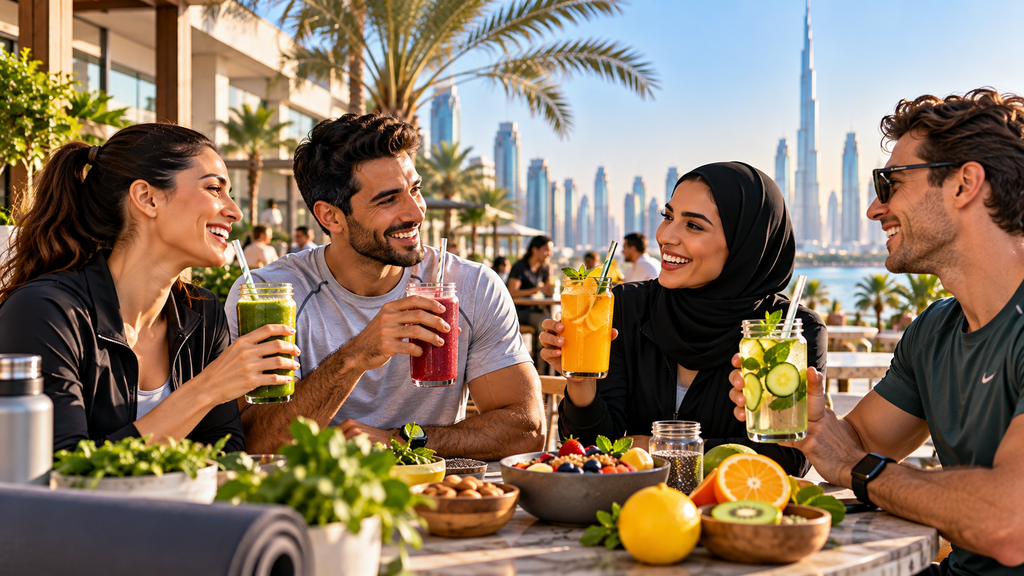
One of the most significant recent changes affecting UAE beverage businesses is the introduction of a sugar-content-based excise tax system.
The Ministry of Finance announced the revised framework in December 2025 under Cabinet Decision No. 197 of 2025. It took effect on January 1, 2026.
The system applies different excise tax amounts to qualifying sweetened drinks based on their sugar content.
New UAE Sweetened Beverage Tax Categories
| Sweetened Beverage Category | Sugar Content per 100 ml | Excise Tax |
|---|---|---|
| Low Sugar | Less than 5 g | AED 0 per litre |
| Moderate Sugar | 5 g to less than 8 g | AED 0.79 per litre |
| High Sugar | 8 g or more | AED 1.09 per litre |
| Qualifying Artificially Sweetened Drinks | Under applicable conditions | AED 0 per litre |
The classification is more detailed than simply reading the added-sugar figure on a product’s packaging. Businesses must follow the Federal Tax Authority’s definitions, which consider relevant natural sugars, added sugars and other sweeteners.
Beverages containing only naturally occurring sugars, without added sugar or other qualifying sweeteners, are treated differently under the framework.
Energy Drinks Have Separate Treatment
Energy drinks remain subject to an excise tax of 100% of the applicable excise price rather than the new tiered volumetric model.
This is important because a beverage marketed around energy or performance may have different tax treatment from an ordinary low-sugar soft drink.
Manufacturers should verify classification before determining prices.
Illustrative Tax Calculation
Consider two hypothetical one-litre sweetened beverages.
One contains 9 grams of relevant sugar per 100 ml, placing it in the high-sugar category with AED 1.09 in excise tax per litre.
Another contains 6 grams per 100 ml, placing it in the moderate-sugar category with AED 0.79 per litre.
The difference is AED 0.30 per litre in excise tax.
This example does not account for production costs, retailer margins, VAT or other commercial factors affecting the final shelf price.
Why Reformulation Matters
The new structure encourages manufacturers to evaluate whether products can be offered with lower sugar concentrations.
However, reformulation requires careful testing.
Reducing sugar can change taste, texture, preservation requirements and consumer acceptance. Manufacturers must ensure that changes meet product safety, labelling and quality standards.
The regulation may therefore influence product development as much as retail pricing.
Low-Sugar, Sugar-Free and Natural Drinks: What Is Actually Healthier?
Beverage packaging often uses expressions such as natural, light, low sugar and no added sugar. These descriptions can influence purchasing decisions, but they do not all communicate the same nutritional information.
A product may contain naturally occurring sugars without added sugar, while another may use non-sugar sweeteners to achieve a sweet taste. Understanding these differences helps consumers compare products more accurately.
What Low Sugar Really Means
The sugar content of a beverage should be assessed using its nutrition label and serving size. A product containing 4 grams of sugar per 100 ml, for example, supplies 12 grams in a 300 ml bottle.
That beverage falls below the UAE’s 5-gram-per-100-ml excise threshold for qualifying sweetened drinks, but the tax classification does not automatically make it nutritionally ideal.
Consumers should consider how often they drink the product and how it fits within their overall diet.
No Added Sugar vs Sugar-Free
A beverage labelled no added sugar may still contain naturally occurring sugars. Fruit juices, for example, can contain substantial amounts of sugar even when no sweetener has been added during manufacturing.
A sugar-free product generally makes a different nutritional claim, which must meet the requirements of the applicable labelling standards.
Neither description should be interpreted as proof that a beverage has every possible health benefit.
What About Artificial Sweeteners?
Some lower-sugar beverages use non-sugar sweeteners such as sucralose, aspartame or stevia-derived sweeteners.
In 2023, the World Health Organization issued a conditional recommendation against using non-sugar sweeteners specifically as a strategy for long-term weight control or prevention of noncommunicable diseases.
The recommendation does not mean all approved sweeteners are automatically unsafe. It also does not replace established food-additive safety assessments.
The broader dietary goal remains reducing excessive sweetness and free-sugar consumption rather than relying exclusively on substitutes.
Comparing Beverage Categories
| Beverage | Potential Advantage | What to Check |
|---|---|---|
| Plain Water | Hydration without sugar | Water quality |
| Unsweetened Sparkling Water | Carbonation without added sugar | Added ingredients |
| No-Added-Sugar Juice | No additional sweetener | Naturally occurring sugar and serving size |
| Low-Sugar Soft Drink | Reduced sugar compared with some alternatives | Total sugar and sweeteners |
| Protein Drink | Dietary protein | Sugar, calories and protein quantity |
| Electrolyte Drink | Minerals for specific situations | Sodium, sugar and actual need |
| Kombucha | Fermented flavour | Sugar, alcohol content and handling |
Understanding Functional Health Claims
A beverage claiming to support immunity, improve digestion or increase energy should be evaluated according to the ingredient, quantity and scientific evidence.
The presence of vitamins or botanical extracts does not necessarily demonstrate that a product can prevent disease or improve health outcomes.
Consumers should be cautious about drinks advertised as treatments for medical conditions, particularly when those claims are unsupported.
How Functional Drinks Are Creating New Business Opportunities in Dubai
The emergence of specialised drinks is creating commercial opportunities for manufacturers, distributors, supermarkets, cafés and independent beverage brands.
However, the category is highly competitive. Products must offer convincing value while meeting food-safety and regulatory requirements.
Product Development and Innovation
Businesses may develop low-sugar formulations, protein-enriched beverages or distinctive unsweetened flavours.
Before launching, manufacturers need to test taste, stability, packaging and nutritional composition.
A product that communicates an attractive health message but fails to satisfy consumer preferences may struggle to generate repeat purchases.
Retail and Distribution Opportunities
Functional beverages can be distributed through supermarkets, pharmacies, convenience stores, fitness centres and e-commerce platforms.
Different channels serve different purchasing occasions. A ready-to-drink protein beverage might appeal to gym customers, while an unsweetened sparkling drink may compete within the broader refreshment category.
Distributors need to understand shelf-life requirements, temperature control and retailer commercial terms.
The Importance of Repeat Purchases
An attractive product launch can generate initial interest, but sustainable revenue depends on customers purchasing the drink again.
Taste, price, availability and consistent quality remain important even when a product is positioned around wellness.
Brands should therefore evaluate repeat sales rather than judging success exclusively through social media attention.
Illustrative Beverage Business Economics
Consider a hypothetical business selling a functional beverage through retail distributors.
| Item | Illustrative Amount per Bottle |
|---|---|
| Retail Selling Price | AED 12.00 |
| Retailer and Distributor Share | AED 4.00 |
| Manufacturer Revenue | AED 8.00 |
| Ingredients and Production | AED 2.40 |
| Packaging | AED 1.00 |
| Transport and Handling | AED 0.60 |
| Promotional Allowance | AED 0.80 |
| Contribution Before Fixed Costs | AED 3.20 |
These are hypothetical figures, not actual UAE distributor margins or product quotations. Excise tax, VAT and other applicable expenses would need to be incorporated according to the product and commercial arrangements.
Business Models Compared
| Business Model | Revenue Opportunity | Main Challenge |
|---|---|---|
| Beverage Manufacturing | Wholesale product sales | Production and compliance |
| Private-Label Drinks | Supplying retail brands | Contract terms and margins |
| Distribution | Sales across retail channels | Logistics and working capital |
| Specialist E-Commerce | Direct consumer orders | Customer acquisition costs |
| Café Beverage Lines | Prepared drinks | Consistency and operating expenses |
| Corporate Supply | Regular workplace orders | Contract reliability |
Why Packaging and Positioning Matter
Packaging helps consumers distinguish products on crowded shelves. However, attractive design must be supported by accurate ingredient and nutrition information.
Businesses should avoid implying that a drink provides medical benefits simply through the use of scientific-looking graphics or wellness terminology.
The strongest market opportunity lies in products that combine transparent communication, acceptable taste and sustainable commercial economics.
Beverage Regulations, Nutrition Labels and Consumer Trust in the UAE
As the range of functional beverages expands, regulatory compliance becomes increasingly important.
Businesses introducing drinks to the UAE need to consider product registration, labelling, excise classification, ingredient suitability and any claims made through packaging or advertising.
Nutrition Information and Product Claims
Consumers need reliable information about sugar, calories, ingredients and relevant nutrients.
Manufacturers should ensure that label descriptions reflect the actual product formulation and comply with applicable UAE and Gulf requirements.
A beverage should not be described as clinically beneficial merely because it contains a popular ingredient.
Abu Dhabi’s Nutri-Mark Initiative
The Abu Dhabi Quality and Conformity Council and Abu Dhabi Public Health Centre launched Nutri-Mark in November 2024.
The system provides a front-of-pack nutritional assessment using grades from A to E. It is designed to make nutritional differences easier for consumers to understand.
The scheme is relevant to selected food and beverage categories, and businesses should confirm the requirements applicable to their products and the current implementation stage.
Excise Tax Compliance
The Federal Tax Authority requires businesses dealing in qualifying sweetened beverages to comply with the revised excise framework.
Product classification may require approved laboratory evidence and supporting documentation.
Failure to submit the necessary information can affect product classification and create commercial consequences.
Businesses should therefore include regulatory review early in the product-development process.
The Challenge of Consumer Trust
Consumers may become sceptical when several products make similar claims about hydration, energy or wellness.
Brands can strengthen credibility by clearly explaining ingredients, avoiding unrealistic promises and responding to customer questions.
A simple, accurately labelled beverage may create more long-term trust than an elaborate product claiming multiple unverified benefits.
Common Business Risks
| Risk | Possible Consequence | Practical Response |
|---|---|---|
| Misleading Health Claims | Consumer distrust or regulatory issues | Verify scientific support |
| Incorrect Sugar Classification | Tax compliance problems | Accurate testing |
| Unclear Labels | Customer confusion | Transparent nutritional information |
| Unstable Product Formulation | Quality concerns | Appropriate product testing |
| High Retail Prices | Limited repeat purchases | Review value proposition |
| Poor Distribution | Product unavailability | Reliable logistics |
| Excessive Marketing Claims | Reputational damage | Responsible advertising |
Sustainability Considerations
Beverage brands also face questions concerning packaging waste, transport and refrigeration.
Recyclable packaging, efficient distribution and responsible production may support environmental objectives, but sustainability claims should be specific and verifiable.
A beverage should not be presented as environmentally friendly solely because it uses a particular packaging colour or marketing slogan.
The Future of Functional Drinks in UAE and Frequently Asked Questions
The UAE beverage market is likely to continue developing products that respond to changing consumer preferences and regulatory requirements.
Reduced-sugar formulations, functional ingredients and clearer nutritional information may remain important areas of innovation.
However, the future of the category will depend on whether businesses can offer products that consumers enjoy, understand and consider worth purchasing regularly.
More Reformulated Beverages
The 2026 excise framework gives manufacturers an additional reason to evaluate sugar concentrations.
Some companies may introduce lower-sugar versions of familiar products, while others may develop new flavours designed without conventional levels of sweetness.
The success of these products will depend on taste, safety, pricing and consumer acceptance.
Greater Nutrition Transparency
Front-of-pack initiatives and clearer product information may help consumers compare beverages more effectively.
For manufacturers, this creates an incentive to communicate nutritional differences accurately rather than relying on vague wellness language.
Specialised Drinks and Everyday Refreshment
Some functional drinks may remain niche products intended for specific occasions, while lower-sugar alternatives could become part of everyday shopping.
The market may therefore develop through several overlapping categories rather than one dominant replacement for conventional soft drinks.
Practical Consumer Checklist
- Read the sugar content per 100 ml.
- Check the full bottle or serving size.
- Distinguish no-added-sugar from sugar-free claims.
- Review caffeine and sweetener ingredients.
- Compare protein or electrolyte amounts where relevant.
- Avoid assuming natural means automatically healthier.
- Treat disease-related claims with caution.
- Consider price alongside nutritional value.
- Check product storage and expiry information.
- Choose drinks according to individual needs and overall diet.
Frequently Asked Questions
What are functional drinks in the UAE?
Functional drinks are beverages marketed with particular ingredients or nutritional characteristics, such as added protein, vitamins, electrolytes or other components associated with specific uses.
Are functional drinks healthier than ordinary soft drinks?
Not necessarily. Their nutritional value depends on ingredients, sugar content, serving size and individual requirements.
What changed in the UAE sugar tax in 2026?
The UAE introduced a tiered volumetric excise tax for qualifying sweetened drinks on January 1, 2026. The tax amount now depends on the beverage’s relevant sugar concentration.
Are sugar-free drinks exempt from UAE excise tax?
Qualifying artificially sweetened drinks can fall within the zero-dirham tier, but classification depends on the applicable conditions. Energy drinks remain separately taxed.
Are electrolyte drinks necessary in Dubai’s climate?
Not for everyone. Water and normal meals are generally sufficient for routine hydration, while electrolyte replacement may be appropriate during prolonged sweating or in specific circumstances.
Does kombucha improve gut health?
Human evidence for specific kombucha health benefits remains limited. Consumers should also check sugar content and product handling information.
Is coconut water better than plain water?
Coconut water contains certain nutrients, but plain water remains a suitable everyday hydration choice for most people.
Will low-sugar beverages replace conventional soft drinks?
There is no reliable basis to assume complete replacement. Lower-sugar beverages are more likely to expand consumer choice alongside established categories.
Final Thoughts on Functional Drinks and Low-Sugar Alternatives in the UAE
The UAE beverage industry is entering a period of greater product diversity and nutritional scrutiny.
Consumers can choose from familiar soft drinks, reduced-sugar alternatives, electrolyte beverages, protein products and an expanding range of drinks marketed around wellness.
For businesses, the change creates opportunities to develop products addressing different lifestyles and purchasing preferences. The new sugar-based excise framework also makes formulation an increasingly important commercial consideration.
However, successful innovation requires more than adding fashionable ingredients or making ambitious health claims.
Taste, transparent labelling, regulatory compliance and affordability remain essential to building consumer confidence.
For shoppers, the most useful approach is to examine what a beverage actually contains rather than assuming that every functional or natural-looking product provides superior health benefits.
Ultimately, Functional Drinks in UAE are helping reshape the beverage market by expanding the relationship between refreshment, nutrition and everyday lifestyle choices.
The long-term opportunity for the industry is to provide genuinely useful alternatives while allowing consumers to make informed decisions about what they drink.
Do follow us on Instagram
Read More – The Hidden Impact of Indoor Air Quality on Life in Gulf Cities