


From Personal Questions to a Purpose Driven Career
Some professional journeys begin with a clear plan. Others begin with life asking difficult questions.
- Helping People See What They Have Slowly Lost
- Bringing the Conversation Into an Arab Cultural Context
- The Mother Behind the Coach
- From Confusion to Clarity
- Why Responsibility Does Not Mean Blame
- Taking the Work Beyond Romantic Relationships
- Turning Awareness Into Real Change
- A Bigger Vision for Families and Future Generations
- When Clarity Becomes the First Step Forward
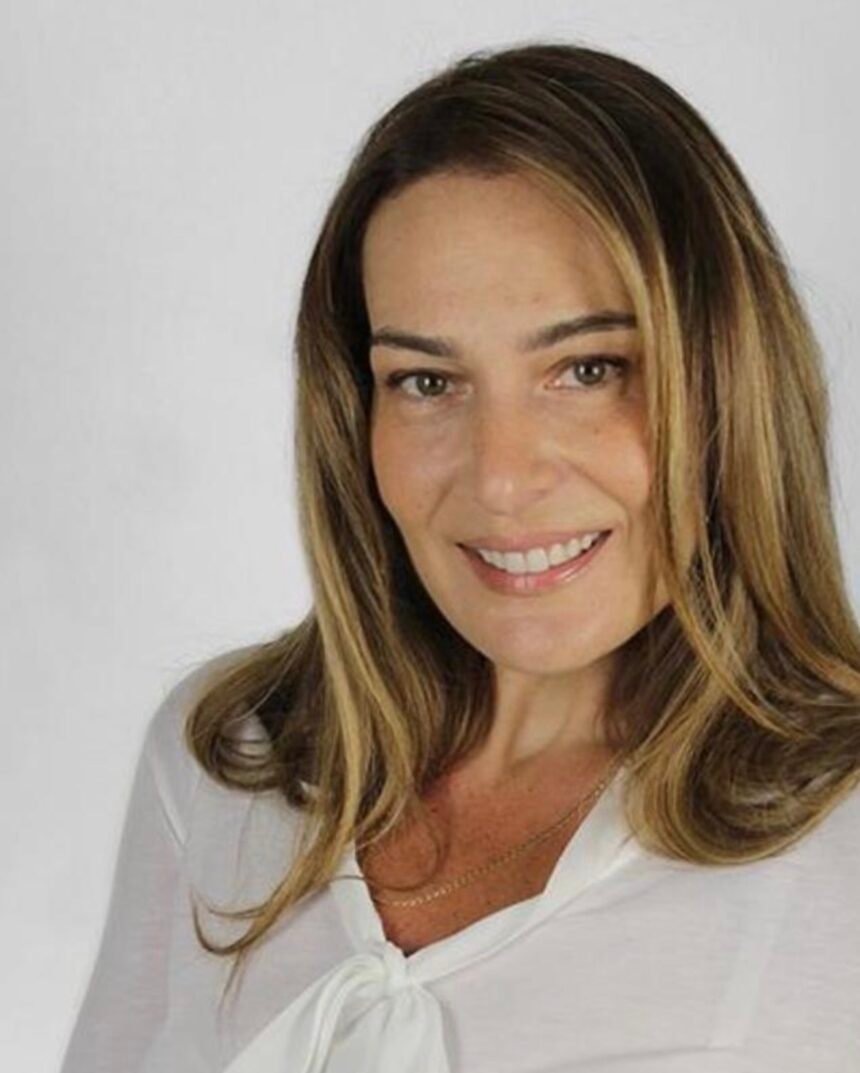
For Haya Lahham, the path toward becoming a Narcissistic Abuse Recovery Coach, NLP Practitioner, Advanced Practitioner Coach and Professional Trainer was not mapped out from the beginning. It developed through personal experiences, major transitions and a period in which she had to reconsider what she wanted her life to look like.
As a mother, Haya experienced the weight of rebuilding while raising her children and navigating uncertainty. Coaching first entered her life as a personal tool for understanding herself, finding direction and moving forward. Over time, that personal exploration became professional training and eventually evolved into a deeper mission.
Today, Haya uses what she has learned through both education and lived experience to help people understand toxic relationship dynamics without allowing those experiences to become the definition of their lives.
Her work is built around a simple but powerful idea. Understanding what happened matters, but the next question is what a person chooses to do with that understanding.
Helping People See What They Have Slowly Lost
Toxic relationships are not always easy to identify.
Emotional manipulation can develop gradually. A person may begin questioning their judgment, apologising for things they did not do, silencing their needs or constantly trying to avoid conflict. Over time, the relationship can affect more than emotions. It can change how a person sees themselves.
Haya’s work focuses on this quieter side of unhealthy relationship dynamics.
Rather than concentrating only on identifying another person’s behaviour, she encourages people to look inward and ask an equally important question: What is happening to me?
That shift can be significant.
The goal is not simply to understand narcissistic behaviour or emotional manipulation. It is to help individuals begin rebuilding the confidence, boundaries and self trust that may have been weakened over time.
Her approach reflects a wider movement in relationship recovery, where rebuilding identity and self trust are increasingly recognised as important parts of moving forward after emotionally harmful experiences.
Bringing the Conversation Into an Arab Cultural Context
For Haya, this work has another important dimension.
As an Arab woman and mother, she does not believe that conversations about boundaries, unhealthy relationships and personal authority should require people to abandon their cultural values.
Family, connection, responsibility and dignity remain important to her.
The challenge, she believes, is learning how to preserve the values that strengthen families while questioning patterns that may quietly cause harm.
This perspective is particularly relevant as families navigate rapid social and generational change. Parents are raising children in a world that often looks very different from the one they grew up in, creating new questions around communication, independence, boundaries and responsibility.
Haya wants those conversations to happen without turning them into a rejection of culture.
For her, awareness and cultural identity can exist together.
The Mother Behind the Coach
Behind the professional titles is a woman who describes motherhood as one of the defining parts of her journey.
Raising children while rebuilding a life has influenced the way Haya understands responsibility. Her experiences have taught her that difficult circumstances do not have to determine the person someone becomes.
That belief also shapes how she views achievement.
For Haya, success is not limited to certificates, professional milestones or recognition. One of her greatest personal achievements is becoming a woman who can look at difficult chapters without allowing them to control her identity.
Motherhood has also strengthened her belief that children learn from the choices adults make during difficult moments.
Character, in her view, is not created when everything is easy. It is revealed through how people respond when life becomes complicated.
From Confusion to Clarity
One of the strongest themes in Haya’s work is clarity.
People caught in emotionally difficult relationships can spend enormous amounts of energy trying to understand another person. Why are they behaving this way? Do they really care? Will they change? Was it my fault?
Haya encourages a different direction.
Instead of remaining trapped in endless questions about another person’s intentions, she believes people can begin examining their own experience, needs and choices.
That does not mean blaming someone for what happened to them.
In fact, Haya makes a clear distinction between blame and responsibility.
She believes a person may not be responsible for another individual’s harmful behaviour, but they can gradually reclaim responsibility for what happens next.
That can include their boundaries, decisions, identity, peace, relationships with their children and vision for the future.
Why Responsibility Does Not Mean Blame
The idea of responsibility is central to Haya’s philosophy.
She sees responsibility as a form of agency rather than punishment.
When someone has experienced manipulation or a painful relationship dynamic, it can feel as though control over their life has disappeared. Reclaiming responsibility can therefore become a way of recognising that choices still exist.
A person may not be able to change the past. They may not be able to control another person’s decisions. They may not even be able to change every circumstance surrounding them.
But they can begin deciding how they want to respond.
This distinction is also consistent with modern recovery approaches that place emphasis on boundaries, self trust, emotional regulation and practical decision making rather than remaining focused only on the past.
Taking the Work Beyond Romantic Relationships
Haya’s current vision extends beyond the traditional idea that toxic dynamics only happen between romantic partners.
She believes similar patterns can appear within families, communities and professional environments.
That wider perspective could make conversations around emotional manipulation relevant not only to individuals but also to parents, leaders and organisations.
In the workplace, healthier boundaries and emotionally responsible communication can influence leadership and team culture. Within families, better communication can help parents navigate disagreements while maintaining both connection and appropriate boundaries.
Haya wants her work to contribute to this broader conversation.
Her goal is not simply to help people leave difficult situations. It is to help them develop greater awareness so they can make healthier choices in future relationships and environments.
Turning Awareness Into Real Change
Awareness can be powerful, but Haya believes it should lead somewhere.
Recognising manipulation is only the beginning. Understanding emotional patterns matters, but people also need the confidence to act on what they understand.
This is where her coaching philosophy focuses on boundaries, self trust, clarity and responsible choice.
Her professional background combines Narcissistic Abuse Recovery Coaching with INLPTA certified NLP training, Noble Manhattan advanced coaching training and advanced professional training.
Rather than presenting transformation as an overnight event, her message is centred on gradual personal change.
The journey can begin with something as simple as recognising that a person’s feelings deserve attention.
Fear, grief, anger and guilt do not necessarily need to control decisions. They can instead become signals that help people understand what they need and what matters to them.
A Bigger Vision for Families and Future Generations
Looking ahead, Haya wants her work to become part of a larger cultural conversation.
She hopes to help create healthier individuals, stronger families and more conscious leaders while encouraging people to examine inherited patterns with honesty.
Her vision is especially connected to parenting.
As generations change, parents are faced with the challenge of remaining connected to their children while also teaching boundaries, accountability and emotional responsibility.
For Haya, empathy does not mean removing responsibility. Connection does not mean abandoning boundaries.
The future she imagines is one in which people can hold both ideas at the same time.
When Clarity Becomes the First Step Forward
Perhaps the most meaningful part of Haya’s journey is that her professional mission grew from questions she once needed to answer for herself.
She understands that difficult chapters can leave people confused, exhausted and disconnected from the person they once recognised.
But she also believes those chapters do not have to become the ending.
Her message to anyone living through such a period is direct. Do not ignore the feeling that something has changed within you. Pay attention to your emotions. Understand your story. Protect what matters. Then begin deciding what comes next.
For Haya, that is where awareness becomes empowerment.
And sometimes, rebuilding a life does not begin with having every answer.
It begins with finding enough clarity to ask a better question.
Follow Haya Lahham on Instagram
Read More – Best Banks in the Gulf: 10 Powerful Banking Leaders in 2026