15 Must-Try Dishes and Local Delights: Popular Dubai Foods
Dubai is famous for its luxurious lifestyle, impressive architecture, shopping destinations, and diverse culinary scene. However, one of the most exciting ways to experience the city is through its food. From traditional Emirati dishes and aromatic rice preparations to delicious street food, grilled meats, and irresistible desserts, popular Dubai foods reflect a rich blend of Arabian heritage and international influences.
- 1. What Is Al Machboos, and Why Is It Popular in Dubai?
- 2. What Is Harees, and When Do People Eat It?
- 3. Why Are Luqaimat One of the Most Popular Dubai Desserts?
- 4. What Makes Dubai Shawarma So Famous?
- 5. What Is Chebab, and Why Should You Try This Emirati Pancake?
- 6. What Is Madrouba, and How Is It Prepared?
- 7. What Is Balaleet, and Is It Sweet or Savoury?
- 8. Why Is Manakish a Favourite Breakfast and Snack in Dubai?
- 9. What Are the Best Arabic Grilled Foods to Try in Dubai?
- 10. What Is Kunafa, and Why Is It a Must-Try Dessert?
- 11. What Is Arabic Coffee, and How Is It Served in Dubai?
- 12. Which Traditional Dubai Foods Feature Dates?
- 13. What Is Balaleet’s Companion Dish, Thareed, and Why Is It Popular?
- 14. What Are the Best Street Foods to Try in Dubai?
- 15. What Are the Best Foods to Eat During Ramadan in Dubai?
- Where Can You Find Authentic Emirati Food in Dubai?
- How Much Does Food Cost in Dubai?
- What Should Vegetarians Eat in Dubai?
- Which Dubai Foods Should First-Time Visitors Try?
- Frequently Asked Questions About Popular Dubai Foods
Dubai’s cuisine has developed through centuries of trade, travel, and cultural exchange. Traditional Emirati food draws inspiration from the desert environment, the Arabian Gulf, and historic trading routes. Over time, influences from Indian, Persian, Levantine, and other cuisines have also become an important part of the city’s food culture.
Whether you are visiting Dubai for the first time, planning a family holiday, or exploring the city’s culinary traditions, knowing what to eat can make your experience more memorable.
Some of the most popular Dubai foods include:
- Al Machboos, a traditional spiced rice dish.
- Harees, a comforting wheat and meat preparation.
- Luqaimat, sweet dumplings drizzled with date syrup.
- Shawarma, a favourite street-food option.
- Manakish, a popular Middle Eastern flatbread.
- Chebab, Emirati-style pancakes.
- Madrouba, a creamy rice-based dish.
- Kunafa, a famous Middle Eastern dessert.
- Arabic grilled meats and mixed grills.
- Balaleet, a sweet-and-savoury vermicelli dish.
Let’s explore the most popular foods in Dubai, their ingredients, flavours, cultural importance, and where they fit into the city’s food scene.
1. What Is Al Machboos, and Why Is It Popular in Dubai?
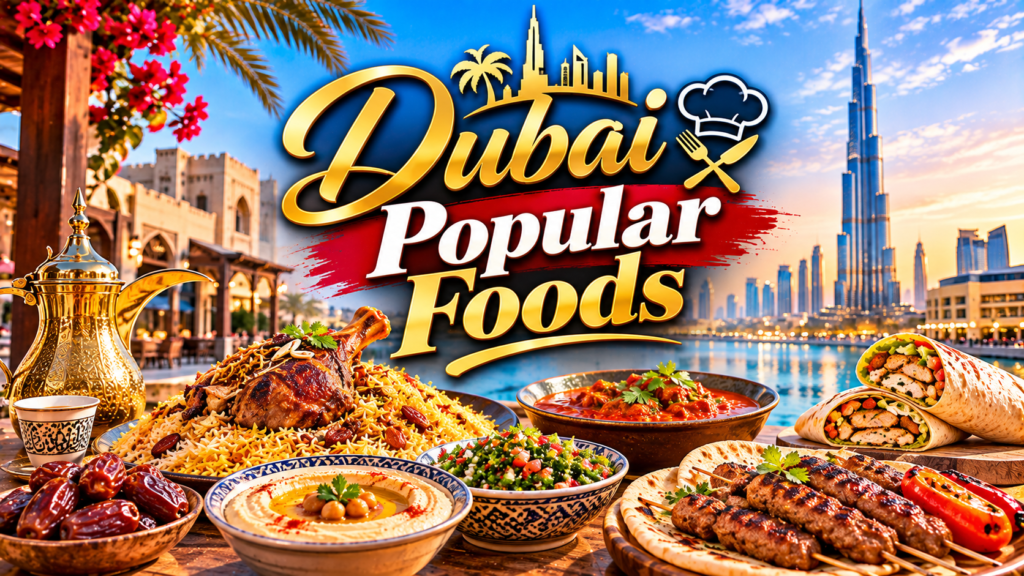
Al Machboos, also spelled machboos or makbous, is one of the best-known traditional dishes in Emirati and wider Gulf cuisine. It is a flavourful rice preparation cooked with spices, meat, and sometimes fish or seafood. The dish is valued for its rich aroma, satisfying texture, and connection to Gulf hospitality.
Al Machboos commonly contains basmati rice, onions, tomatoes, garlic, and a blend of spices such as cardamom, cinnamon, cloves, turmeric, and dried lime. Chicken, lamb, or fish may be used, depending on the recipe and regional tradition.
The ingredients are cooked together or in stages to allow the rice to absorb the flavor of the broth and spices. The result is a fragrant meal that is often served on a large platter and shared among family members or guests.
Why should you try Al Machboos in Dubai?
- It offers a taste of traditional Emirati and Gulf cooking.
- Its aromatic spices create a distinctive flavour.
- It can be prepared with different types of meat or seafood.
- It is suitable for family meals and traditional gatherings.
Visitors looking for authentic local cuisine should consider ordering Al Machboos at an Emirati restaurant. It is an excellent introduction to the region’s rice-based dishes.
2. What Is Harees, and When Do People Eat It?
Harees is a traditional dish made primarily from wheat and meat, usually chicken or lamb. It is slow-cooked until the ingredients become soft and blend into a thick, comforting preparation. A little salt and butter or ghee may be added, depending on the recipe.
Harees has a special place in Emirati food culture and is associated with family gatherings, Ramadan, Eid, weddings, and other important occasions. Its simple ingredients and slow cooking method demonstrate how traditional cuisine can transform everyday staples into a nourishing meal.
The texture of Harees is similar to a thick porridge, although its flavour and consistency vary between households. Unlike heavily spiced rice dishes, it often has a relatively mild taste that allows the wheat and meat to remain the main ingredients.
What makes Harees worth trying?
- It represents an important part of traditional Emirati food.
- Its soft texture makes it a comforting meal.
- It is commonly associated with festive occasions.
- It highlights the importance of slow cooking in regional cuisine.
If you want to explore Dubai beyond its modern restaurants and international food chains, Harees is a meaningful dish to include on your culinary list.
3. Why Are Luqaimat One of the Most Popular Dubai Desserts?
Luqaimat are small, golden dumplings that are crispy on the outside and soft on the inside. They are among the most recognisable traditional Emirati sweets and are especially popular during Ramadan and festive gatherings.
The dumplings are generally prepared using flour, yeast, water, and other simple ingredients. After the dough has risen, small portions are fried until golden brown. They are then drizzled with date syrup or sugar syrup and may be sprinkled with sesame seeds.
The contrast between the crisp exterior and fluffy interior makes Luqaimat particularly appealing. Their sweetness pairs well with Arabic coffee, making them a popular choice after meals or during social visits.
Why do visitors love Luqaimat?
- They offer an authentic taste of Emirati dessert culture.
- Their bite-sized shape makes them easy to share.
- Date syrup adds a distinctive regional flavour.
- They are commonly available during festive seasons and at traditional food outlets.
For travellers exploring popular Dubai foods, Luqaimat is a must-try dessert. Freshly prepared dumplings are particularly enjoyable when served warm.
4. What Makes Dubai Shawarma So Famous?
Shawarma is one of the most popular street foods in Dubai. Although it is not originally an Emirati dish, it has become an essential part of the city’s everyday food culture.
Shawarma is usually prepared by stacking marinated slices of chicken, beef, or lamb on a vertical rotisserie. The meat cooks slowly as the outer layers are shaved off and served in flatbread or pita.
A typical shawarma wrap may include garlic sauce, tahini, pickles, vegetables, or other accompaniments. The ingredients vary by restaurant and meat choice. Chicken shawarma is particularly popular, while beef and lamb versions offer different flavours.
What makes shawarma a favourite in Dubai?
- It is convenient for a quick lunch or dinner.
- It combines seasoned meat with fresh or pickled accompaniments.
- It is widely available in neighbourhood eateries and dedicated shawarma shops.
- It often offers an affordable way to experience the city’s casual dining culture.
Visitors should try shawarma from a busy, reputable establishment where the meat is freshly cooked and handled safely. Ask about the sauces and ingredients if you have allergies or dietary restrictions.
5. What Is Chebab, and Why Should You Try This Emirati Pancake?
Chebab is a traditional Emirati pancake often enjoyed for breakfast. It is known for its soft texture, golden colour, and lightly spiced flavour. Depending on the recipe, the batter may contain flour, yeast, sugar, cardamom, saffron, and other ingredients.
The pancakes are cooked on a hot surface until they develop a golden exterior. They may be served with date syrup, honey, or cheese, depending on local preferences and the restaurant.
Chebab is an excellent example of how Emirati cooking uses familiar ingredients alongside aromatic flavours associated with the Arabian Peninsula.
Why is Chebab worth adding to your Dubai food list?
- It is a traditional breakfast option.
- Saffron and cardamom can give it a distinctive aroma.
- It pairs well with Arabic coffee or tea.
- It offers a different experience from internationally familiar pancakes.
Look for Chebab at Emirati breakfast restaurants or cafés that specialise in local cuisine. It is especially enjoyable when served fresh and warm.
6. What Is Madrouba, and How Is It Prepared?
Madrouba is a traditional Gulf dish known for its thick, soft consistency. Its name is associated with the process of beating or mashing the ingredients during cooking.
The dish is commonly prepared using rice, chicken or fish, water or broth, and seasonings. Some recipes include additional ingredients such as vegetables, spices, or butter. The rice is cooked until very soft and then mixed or mashed with the other ingredients to create a creamy texture.
Madrouba is a comforting alternative to the separate grains found in many rice dishes. It is particularly suitable for those who enjoy warm, hearty meals with a smooth consistency.
What makes Madrouba special?
- It showcases a traditional Gulf cooking technique.
- Its texture distinguishes it from ordinary rice dishes.
- It can be prepared with different proteins.
- It is a useful dish to explore when learning about Emirati home cooking.
If you enjoy discovering foods with a strong cultural background, Madrouba deserves a place on your list of popular Dubai foods.
7. What Is Balaleet, and Is It Sweet or Savoury?
Balaleet is a traditional Emirati breakfast dish made with vermicelli, sugar, and aromatic spices. It is often served with an egg preparation, creating a distinctive combination of sweet and savoury flavours.
The vermicelli is cooked with ingredients such as cardamom, saffron, sugar, and sometimes rose water. A thin omelette or fried egg may be placed on top or served alongside it.
Although the combination might seem unusual to first-time visitors, Balaleet is an established part of traditional Emirati food culture. It is particularly associated with breakfast and festive occasions.
Why should you try Balaleet in Dubai?
- It offers a unique sweet-and-savoury flavour combination.
- It reflects the region’s use of aromatic spices.
- It provides an alternative to conventional breakfast dishes.
- It introduces visitors to a lesser-known side of Emirati cuisine.
Balaleet is ideal for adventurous food lovers who want to experience something different from the city’s internationally popular dishes.
8. Why Is Manakish a Favourite Breakfast and Snack in Dubai?
Manakish, also spelled manoushe or manakish, is a Middle Eastern flatbread that has become popular across Dubai. It is often eaten for breakfast, as a snack, or as a light meal.
The dough is topped with ingredients before baking. One of the best-known varieties features za’atar, a mixture of herbs, sesame seeds, and other seasonings, combined with olive oil. Other versions use cheese, minced meat, or a mixture of toppings.
Manakish is popular because it is versatile, flavourful, and easy to eat on the go. Bakeries and cafés may offer different sizes and combinations, making it suitable for individual meals or sharing.
What makes Manakish popular in Dubai?
- It is available in many bakeries and Middle Eastern cafés.
- It can be prepared with vegetarian or meat toppings.
- It is suitable for breakfast, lunch, or a quick snack.
- It offers a simple introduction to Levantine food traditions.
For a satisfying breakfast, try a warm za’atar or cheese Manakish with tea. Check the ingredients if you need to avoid dairy, sesame, or other allergens.
9. What Are the Best Arabic Grilled Foods to Try in Dubai?
Dubai’s dining scene offers a wide selection of grilled meats inspired by Arabic and broader Middle Eastern culinary traditions. Mixed grills are particularly popular because they combine several flavours on one platter.
Common options include shish tawook, which consists of marinated chicken skewers; kofta, made from seasoned minced meat; and lamb or beef kebabs. These dishes are often cooked over charcoal or on a grill to develop a smoky aroma.
Grilled food platters may be served with flatbread, hummus, garlic sauce, tahini, grilled vegetables, salads, and rice. The exact combination depends on the restaurant.
Why should you try Arabic grilled food in Dubai?
- It provides several flavours in one meal.
- Charcoal grilling adds a distinctive aroma.
- Mixed platters work well for families and groups.
- Many restaurants offer different meat combinations and side dishes.
If you prefer lighter meals, consider grilled chicken or vegetable accompaniments. If you are dining with a group, a mixed grill can be an easy way to sample several dishes together.
10. What Is Kunafa, and Why Is It a Must-Try Dessert?
Kunafa, also known as kanafeh or knafeh, is a popular Middle Eastern dessert found throughout Dubai. It typically combines fine pastry strands or semolina-based dough with a soft cheese filling or another creamy centre. The dessert is baked until golden and finished with sweet syrup.
Some versions feature stretchy cheese, while others use cream or different fillings. The flavour may be enhanced with pistachios or other nuts.
Kunafa is particularly popular at dessert shops and during festive occasions. Its combination of crisp pastry, soft filling, and sweet syrup makes it a memorable dessert for visitors.
Why is Kunafa worth trying?
- It combines contrasting textures in one dessert.
- It is available in several regional styles.
- It pairs well with Arabic coffee or tea.
- It is a favourite for sharing after dinner.
For the best experience, try Kunafa while it is still warm. If you have a dairy or nut allergy, check the ingredients carefully before ordering.
11. What Is Arabic Coffee, and How Is It Served in Dubai?
Arabic coffee, often called gahwa or qahwa, is an important part of hospitality in the UAE. It is traditionally served to guests during social visits, family gatherings, and formal occasions.
Arabic coffee is commonly prepared using lightly roasted coffee beans, water, and spices such as cardamom. Some versions include saffron or other aromatic ingredients. It is often served in small cups alongside dates.
Unlike many espresso-based drinks, traditional Arabic coffee is generally lighter in colour and served in small portions. The flavour can be aromatic and mildly bitter, depending on the preparation.
Why should visitors experience Arabic coffee?
- It offers insight into Emirati hospitality.
- It is commonly served with dates and traditional sweets.
- Its preparation differs from many familiar coffee styles.
- It is an important part of social and cultural traditions.
When visiting an Emirati restaurant or cultural venue, ordering Arabic coffee with dates is a simple way to experience local customs.
12. Which Traditional Dubai Foods Feature Dates?
Dates are among the most significant foods in Emirati culture. They have long been valued across the Arabian Peninsula because they are nutritious, versatile, and suitable for the region’s climate.
In Dubai, dates may be eaten on their own, served with Arabic coffee, or incorporated into desserts and other preparations. They are particularly prominent during Ramadan, when dates are traditionally used to break the daily fast.
Popular ways to enjoy dates include:
- Fresh or dried dates served as a snack.
- Dates accompanied by Arabic coffee.
- Dates stuffed with nuts or other fillings.
- Date syrup used to sweeten desserts such as Luqaimat.
- Date-based cakes, pastries, and other modern sweets.
Why are dates important in Dubai’s food culture? They represent hospitality, tradition, and the historical importance of date palms in the region. Visitors can explore different varieties at supermarkets, traditional markets, and specialist date shops.
13. What Is Balaleet’s Companion Dish, Thareed, and Why Is It Popular?
Thareed is a traditional Gulf and Arabian dish made with bread, vegetables, and a meat-based broth. It is often prepared with chicken or lamb, although ingredients vary between households and recipes.
The bread absorbs the flavourful broth, creating a soft, layered meal. Vegetables such as potatoes, carrots, onions, and courgettes may be included, depending on the preparation.
Thareed has a long-standing place in regional food traditions and is frequently associated with family meals and Ramadan. Its simple ingredients and rich broth make it a filling option.
What makes Thareed worth trying?
- It highlights the importance of bread in Arabian cooking.
- The broth provides a deep, savoury flavour.
- It can include a variety of vegetables.
- It is a traditional dish with strong cultural associations.
Thareed is a good choice for travellers seeking hearty regional food beyond the better-known rice dishes and street-food favourites.
14. What Are the Best Street Foods to Try in Dubai?
Dubai’s street-food culture reflects the city’s international population and its position as a global travel destination. Alongside Emirati dishes, visitors can find food inspired by Lebanon, India, Pakistan, Iran, Turkey, and many other regions.
Street food is especially appealing for travellers who want to sample several flavours without committing to a formal restaurant meal.
Some popular street-food choices include:
- Shawarma: Thinly sliced, seasoned meat served in flatbread.
- Falafel: Fried patties made primarily from chickpeas or fava beans, depending on the regional recipe.
- Manakish: Flatbread topped with za’atar, cheese, or other ingredients.
- Samosas: Pastry parcels with savoury fillings, often influenced by South Asian cuisine.
- Karak chai: Strong, milky tea flavoured with spices.
- Grilled kebabs: Skewered meat cooked over heat.
- Fresh flatbread: Bread served with dips, grilled foods, or savoury fillings.
Where can you explore street food in Dubai? Neighbourhood eateries, casual cafés, bakeries, food markets, and established food districts are good starting points. Areas such as Deira and Bur Dubai are known for their diverse dining options, although individual restaurants and offerings change over time.
Choose vendors that maintain good food hygiene and serve freshly prepared dishes. If you have dietary restrictions, ask about cooking oils, sauces, allergens, and meat preparation.
15. What Are the Best Foods to Eat During Ramadan in Dubai?
Ramadan is an important time for food, family, generosity, and hospitality in Dubai. During the holy month, restaurants, hotels, and community venues often offer special iftar meals after sunset.
Iftar menus vary widely, combining traditional Emirati dishes with foods from across the Middle East and beyond. Dates and water are commonly used to break the fast, followed by soups, salads, main dishes, and desserts.
Some foods you may encounter during Ramadan include:
- Dates: Traditionally eaten to break the fast.
- Harees: A slow-cooked wheat and meat dish.
- Thareed: Bread served with vegetables and broth.
- Luqaimat: Sweet dumplings finished with syrup.
- Samosas: Savoury pastry snacks popular across many communities.
- Machboos: Spiced rice served with meat or seafood.
- Kunafa: A sweet pastry dessert often enjoyed after a meal.
Ramadan dining can be a memorable way to experience Dubai’s hospitality. Visitors should check restaurant schedules and booking requirements because opening hours and meal arrangements can change during the holy month.
Where Can You Find Authentic Emirati Food in Dubai?
Finding authentic Emirati food is easier when you look beyond international hotel restaurants and explore establishments that specialise in local cuisine.
Traditional Emirati restaurants, heritage dining venues, and selected neighbourhood cafés can introduce you to dishes such as Al Machboos, Harees, Chebab, Balaleet, and Luqaimat.
Here are a few practical tips for finding traditional food:
- Search for restaurants that specifically advertise Emirati cuisine.
- Check menus before visiting to confirm which traditional dishes are available.
- Read recent customer reviews to understand the dining experience.
- Visit cultural or heritage districts where traditional dining may be available.
- Ask restaurant staff about regional specialities and seasonal dishes.
Al Fahidi Historical Neighbourhood and other heritage-focused areas can be useful starting points for exploring Dubai’s cultural side. However, individual restaurant offerings and opening hours should be checked before you travel.
How Much Does Food Cost in Dubai?
Food prices in Dubai vary depending on the restaurant, neighbourhood, portion size, ingredients, and dining experience. Casual eateries generally provide more affordable meals than upscale restaurants and luxury hotel venues.
As a broad planning guide, the following ranges are illustrative rather than live prices:
- Street food and simple snacks: approximately AED 5–25.
- Casual meals: approximately AED 20–60 per person.
- Mid-range restaurant meals: approximately AED 60–150 per person.
- Luxury dining: AED 200 or more per person, depending on the venue.
These amounts are estimates and may not include drinks, service charges, or other fees. Check current menus before visiting, particularly if you are travelling on a budget.
How can you enjoy Dubai’s food scene without spending too much?
- Explore local neighbourhood cafés and casual restaurants.
- Share larger platters with friends or family.
- Try traditional breakfasts and affordable street-food options.
- Compare menu prices before ordering.
- Look for clearly advertised lunch specials where available.
Dubai offers a wide range of dining experiences, so visitors can discover local cuisine at different price points.
What Should Vegetarians Eat in Dubai?
Vegetarians can find a variety of options in Dubai, although traditional dishes may contain meat broth, animal fat, or other non-vegetarian ingredients.
Some potentially suitable choices include:
- Falafel: Often made with chickpeas or fava beans.
- Hummus: A chickpea and tahini dip.
- Manakish with za’atar: A herb-topped flatbread that may be vegetarian.
- Lentil soup: Available at many Middle Eastern restaurants.
- Vegetable mezze: Small dishes featuring vegetables, dips, and salads.
- Luqaimat: Sweet dumplings that may be suitable depending on the ingredients.
- Fresh salads and grilled vegetables: Available at many restaurants.
Always confirm ingredients and preparation methods with restaurant staff. Some dishes may contain dairy, eggs, animal-based stock, or shared cooking surfaces.
Which Dubai Foods Should First-Time Visitors Try?
First-time visitors do not need to sample every dish to appreciate Dubai’s culinary traditions. A balanced food itinerary can include a traditional Emirati meal, a popular street-food option, a regional dessert, and a local beverage.
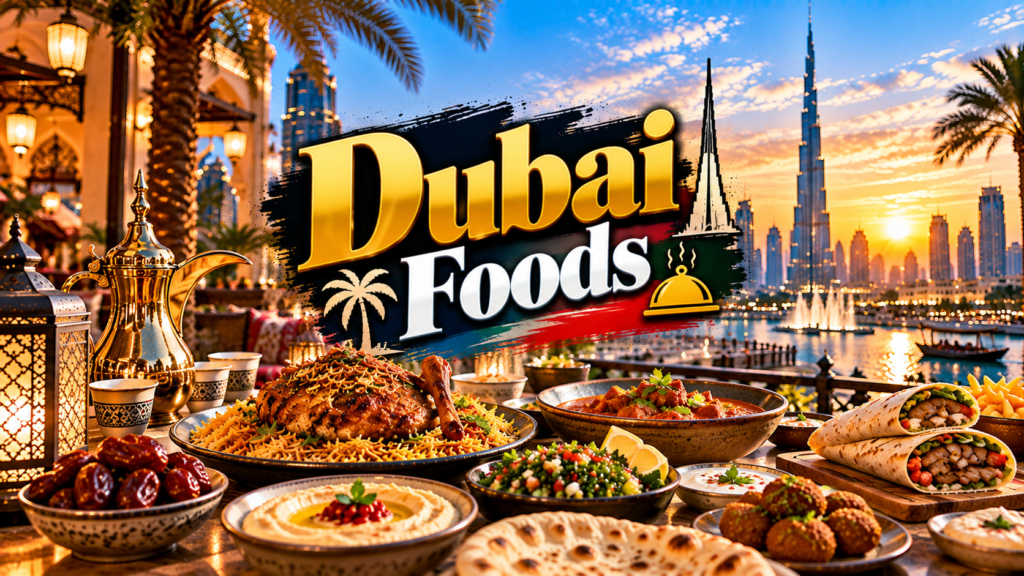
Consider this simple tasting list:
- Al Machboos: For a traditional Gulf rice meal.
- Luqaimat: For a classic Emirati sweet.
- Shawarma: For a popular casual meal.
- Chebab: For a traditional breakfast.
- Arabic coffee and dates: For a taste of local hospitality.
- Kunafa: For a well-known Middle Eastern dessert.
- Harees: For a comforting traditional preparation.
If you have limited time, start with dishes that are most closely associated with Emirati heritage, then explore the wider Middle Eastern and international food scene.
Frequently Asked Questions About Popular Dubai Foods
Q1. What Is Dubai’s Most Famous Traditional Food?
Ans: Al Machboos is among the best-known traditional Emirati and Gulf dishes. It is made with spiced rice and commonly features chicken, lamb, fish, or seafood. Harees and Thareed are also important traditional foods.
Q2. What Is the Most Popular Street Food in Dubai?
Ans: Shawarma is one of Dubai’s most recognisable street-food favourites. Other popular choices include falafel, Manakish, samosas, grilled kebabs, and flatbread snacks.
Q3. What Is a Traditional Emirati Dessert?
Ans: Luqaimat is one of the best-known Emirati desserts. These golden dumplings are usually fried and finished with date syrup or another sweet topping.
Q4. What Do People in Dubai Eat for Breakfast?
Ans: Breakfast options range from Chebab and Balaleet to eggs, flatbreads, Manakish, dates, and Arabic coffee. International breakfast dishes are also widely available.
Q5. Is Dubai Food Spicy?
Ans: Some Dubai foods contain aromatic spices, but not every dish is hot or chilli-heavy. Machboos may be richly seasoned, while Harees is usually milder. The level of heat depends on the recipe and restaurant.
Q6. Can You Find Indian Food in Dubai?
Ans: Yes. Indian cuisine is widely represented in Dubai, reflecting the city’s diverse population. Visitors can find regional Indian meals, biryani, dosa, curries, vegetarian dishes, and street-food favourites alongside Emirati and Middle Eastern cuisine.
Q7. What Is a Must-Try Food in Dubai for Families?
Ans: Families may enjoy Machboos, grilled chicken, mixed grills, shawarma, flatbreads, and Luqaimat. Sharing platters can make it easier to sample different flavours together.
Q8. Is Traditional Emirati Food Available Throughout Dubai?
Ans: Traditional Emirati dishes are available at specialist restaurants, selected cafés, heritage venues, and some hotel restaurants. Availability varies, so checking menus in advance is recommended.
Conclusion: Why Should You Explore Popular Dubai Foods?
Popular Dubai foods offer much more than a collection of delicious meals. They provide an introduction to Emirati heritage, Gulf hospitality, regional ingredients, and the many cultures that shape the city’s culinary identity.
From the fragrant rice of Al Machboos and the comforting texture of Harees to the sweetness of Luqaimat and the everyday appeal of shawarma, each dish tells a different story about Dubai’s food culture.
Visitors can start with traditional Emirati specialities, discover the city’s diverse street-food scene, and finish their meals with Arabic coffee, dates, or Kunafa. There are options for different tastes, budgets, and dining preferences, making Dubai an exciting destination for food lovers.
Whether you are planning your first visit or returning to explore more of the city, trying popular Dubai foods is a rewarding way to experience its traditions, hospitality, and remarkable culinary diversity.
Do follow us on Instagram
Read More – Famous Foods in the UAE