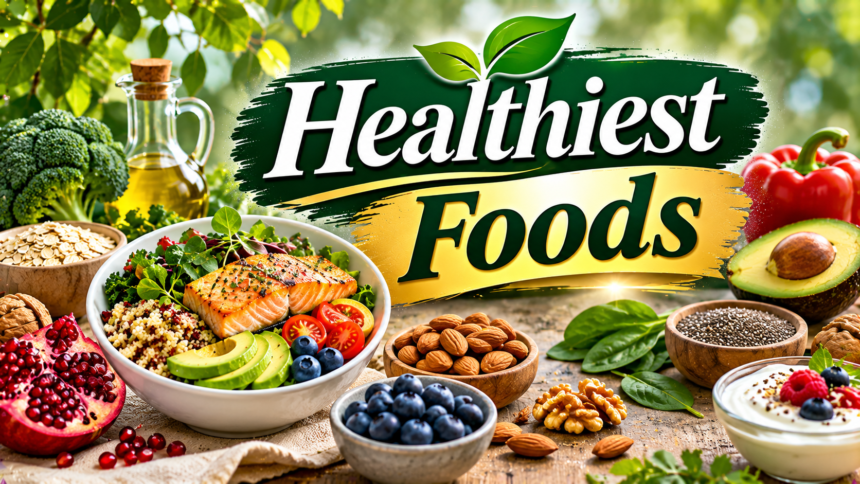
18 Healthiest Foods Everyone Should Include in Their Daily Diet
Eating a healthy and balanced diet is one of the most effective ways to support overall well-being, maintain energy levels, and promote a healthier lifestyle. The foods we eat every day provide essential nutrients that help the body function properly, support the immune system, improve digestion, and maintain healthy bones, muscles, and organs. However, with so many food choices available, it can sometimes be difficult to identify which foods offer the greatest nutritional benefits.
- 1. What Makes a Food Healthy and Nutritious?
- 2. Which Fruits Are the Healthiest to Eat Every Day?
- 3. Why Should Green Leafy Vegetables Be Part of Your Daily Diet?
- 4. Which Whole Grains Are Best for a Healthy Diet?
- 5. Why Are Nuts and Seeds Considered Healthy Foods?
- 6. Which Protein-Rich Foods Should You Include in Your Daily Meals?
- 7. Are Healthy Fats Important for Everyday Nutrition?
- 8. Why Should You Include Fermented Foods in Your Diet?
- 9. Which Vegetables Provide the Most Nutritional Benefits?
- 10. Are Beans and Legumes Essential for a Balanced Diet?
- 11. Which Dairy and Dairy Alternatives Support Better Nutrition?
- 12. What Are the Benefits of Eating Healthy Foods for Breakfast?
- 13. How Can You Include Healthy Foods in Your Daily Diet?
- 14. What Foods Should You Limit for Better Health?
- 15. Can Healthy Eating Improve Immunity and Overall Well-Being?
- 16. What Is a Simple Daily Healthy Food Plan?
- 17. How Can You Make Healthy Eating a Long-Term Lifestyle?
- 18. What Are the Most Important Foods to Include in a Healthy Diet?
The healthiest foods are generally those that provide a combination of vitamins, minerals, antioxidants, fibre, protein, and healthy fats. Fresh fruits, green vegetables, whole grains, nuts, seeds, legumes, and other nutrient-rich ingredients can all contribute to a balanced diet. Including a variety of these foods in everyday meals can help meet nutritional needs while making eating more enjoyable.
But what are the healthiest foods to include in your daily diet? Which fruits, vegetables, grains, and protein sources offer the most benefits? How can you build healthy eating habits without making complicated changes to your lifestyle?
Let’s explore some of the most nutritious foods, their health benefits, and practical ways to incorporate them into everyday meals.
1. What Makes a Food Healthy and Nutritious?
A healthy food is one that provides important nutrients without excessive amounts of added sugar, sodium, or unhealthy fats. Nutrient-dense foods offer substantial nutritional value relative to their calorie content. They help the body receive the vitamins, minerals, and other essential compounds needed for normal growth, repair, and daily functioning.
A balanced diet should include different food groups because no single food contains everything the body needs. For example, fruits and vegetables provide vitamins and fibre, whole grains supply complex carbohydrates, and nuts offer healthy fats and minerals.

Some important characteristics of healthy foods include:
- Rich in vitamins and minerals: Essential nutrients support immunity, metabolism, bone health, and other body functions.
- High in dietary fibre: Fibre supports digestion, gut health, and healthy cholesterol levels.
- Good sources of protein: Protein helps build and repair muscles and other body tissues.
- Contain healthy fats: Unsaturated fats support heart and brain health.
- Provide antioxidants: Natural plant compounds help protect cells from oxidative damage.
- Low in excessive added sugar and sodium: Choosing minimally processed foods can help support long-term health.
Eating a variety of nutrient-rich foods is more beneficial than relying on a single so-called superfood.
2. Which Fruits Are the Healthiest to Eat Every Day?
Fruits are among the most convenient and nutritious additions to a daily diet. They contain natural sugars, dietary fibre, vitamins, minerals, and plant compounds that support overall health. Eating whole fruits regularly can contribute to better digestion and help meet daily nutritional requirements.
Here are some healthy fruits worth including in your meals.
Apples: Apples provide dietary fibre, particularly pectin, which supports digestive health. They also contain plant antioxidants. Eating an apple as a snack is an easy way to add fruit to your daily routine.
Bananas: Bananas are rich in potassium and provide vitamin B6 and carbohydrates. They are particularly convenient as a pre-workout snack or breakfast ingredient.
Oranges: Oranges are well known for their vitamin C content, which supports normal immune function and collagen production. They also provide water and dietary fibre.
Blueberries: Blueberries contain anthocyanins, plant compounds responsible for their deep blue colour. They also provide vitamin C, vitamin K, and fibre.
Papaya: Papaya provides vitamin C, vitamin A precursors, and fibre. Its soft texture makes it a popular breakfast or snack option.
Pomegranates: Pomegranates contain polyphenols and other antioxidant compounds. Their juicy seeds can be added to salads, yoghurt, or breakfast bowls.
Kiwi: Kiwi is a good source of vitamin C, fibre, and vitamin K. It can be enjoyed on its own or combined with other fruits.
For the best nutritional variety, choose different seasonal fruits rather than eating the same fruit every day.
3. Why Should Green Leafy Vegetables Be Part of Your Daily Diet?
Green leafy vegetables are among the most nutrient-dense foods available. They provide vitamins, minerals, fibre, and plant compounds that support several important body functions.
Adding leafy vegetables to lunch and dinner is a simple way to improve the nutritional quality of everyday meals.
Some of the healthiest green vegetables include:
- Spinach: Contains iron, folate, vitamin K, and carotenoids. It can be added to soups, curries, salads, and smoothies.
- Kale: Provides vitamins A, C, and K, along with fibre and other plant nutrients.
- Broccoli: Contains vitamin C, vitamin K, fibre, and beneficial plant compounds.
- Fenugreek leaves: Commonly known as methi, these provide fibre and several vitamins and minerals.
- Lettuce: Offers water, folate, and vitamin K, making it a useful ingredient for fresh salads.
- Amaranth leaves: Popular in many Indian kitchens, they provide fibre, folate, and minerals.
Why are leafy vegetables important? Their combination of fibre and micronutrients supports digestion, helps maintain nutritional balance, and contributes to a healthy eating pattern.
You can include them in vegetable curries, dal, soups, stuffed parathas, sandwiches, and salads.
4. Which Whole Grains Are Best for a Healthy Diet?
Whole grains are an important source of complex carbohydrates, dietary fibre, vitamins, and minerals. Unlike refined grains, whole grains retain their bran, germ, and endosperm, which means they generally contain more fibre and nutrients.
They provide sustained energy and can support digestive and cardiovascular health when included as part of a balanced diet.
Some excellent whole-grain choices include:
Oats: Oats contain beta-glucan, a type of soluble fibre that can help lower LDL cholesterol when consumed regularly as part of a healthy diet.
Brown Rice: Brown rice retains its bran and germ, providing more fibre and nutrients than white rice.
Quinoa: Quinoa provides protein, fibre, magnesium, and several other minerals. It also contains all nine essential amino acids.
Whole Wheat: Whole-wheat roti, bread, and other products can provide fibre and complex carbohydrates.
Ragi: Finger millet is a traditional Indian grain rich in calcium and fibre.
Jowar: Sorghum is a naturally gluten-free grain that provides fibre and minerals.
Bajra: Pearl millet contains fibre, magnesium, iron, and other nutrients.
Replacing some refined-grain foods with whole-grain alternatives is a practical way to improve daily nutrition.
5. Why Are Nuts and Seeds Considered Healthy Foods?
Nuts and seeds are small but nutritionally powerful foods. They contain healthy fats, plant protein, fibre, vitamins, minerals, and antioxidant compounds.
Although they are relatively high in calories, moderate portions can be a valuable part of a balanced diet.
Some nutritious options include:
- Almonds: Provide vitamin E, magnesium, fibre, and healthy fats.
- Walnuts: Contain plant-based omega-3 fatty acid ALA, which supports cardiovascular health.
- Pistachios: Provide protein, fibre, potassium, and vitamin B6.
- Chia Seeds: Rich in fibre, plant-based omega-3 fats, and minerals.
- Flaxseeds: Provide ALA omega-3 fatty acids and lignans, which are beneficial plant compounds.
- Pumpkin Seeds: Contain magnesium, zinc, iron, and healthy fats.
- Sunflower Seeds: Provide vitamin E, selenium, and unsaturated fats.
A small handful of nuts or a spoonful of seeds can be added to oatmeal, yoghurt, smoothies, salads, and homemade snacks.
6. Which Protein-Rich Foods Should You Include in Your Daily Meals?
Protein is essential for building and repairing tissues, maintaining muscles, supporting immunity, and producing important enzymes and hormones.
Both animal-based and plant-based foods can provide high-quality protein. Choosing different protein sources throughout the week helps create a nutritionally balanced diet.
Eggs: Eggs provide complete protein, vitamin B12, choline, and selenium. They are versatile and can be prepared boiled, scrambled, or in vegetable omelettes.
Fish: Fish provides protein and several important nutrients. Fatty fish such as salmon, sardines, and mackerel also contain omega-3 fatty acids.
Chicken: Skinless chicken is a useful source of lean protein and vitamin B6.
Lentils: Lentils are affordable plant-based protein sources that also contain fibre, folate, iron, and other minerals.
Chickpeas: Chickpeas provide protein, fibre, and complex carbohydrates. They can be used in salads, curries, and hummus.
Kidney Beans: Rajma contains plant protein, fibre, iron, and potassium.
Tofu: Tofu is made from soybeans and provides plant protein, calcium in some varieties, and iron.
Greek Yoghurt: Greek yoghurt is generally higher in protein than regular yoghurt and also provides calcium.
Combining different plant-based protein sources, such as lentils, beans, grains, nuts, and seeds, can help meet protein requirements.
7. Are Healthy Fats Important for Everyday Nutrition?
Yes. Healthy fats are essential for several body functions. They help the body absorb fat-soluble vitamins A, D, E, and K, support cell structure, and provide energy.
The key is choosing appropriate sources of unsaturated fats while limiting excessive saturated and trans fats.
Some healthy fat sources include:
- Avocados: Provide monounsaturated fats, fibre, and potassium.
- Olive Oil: Contains monounsaturated fats and beneficial plant compounds.
- Walnuts: Provide plant-based omega-3 fatty acids.
- Almonds: Contain vitamin E and unsaturated fats.
- Chia Seeds: Provide omega-3 fats and fibre.
- Fatty Fish: Supplies long-chain omega-3 fatty acids, particularly EPA and DHA.
You can use moderate amounts of olive oil or other suitable vegetable oils for cooking and include nuts, seeds, and fish in your weekly meal plan.
8. Why Should You Include Fermented Foods in Your Diet?
Fermented foods are produced through controlled microbial processes that transform the ingredients and may introduce beneficial microorganisms. Some fermented foods contain live cultures that can support gut health.
A healthy digestive system plays an important role in nutrient absorption and overall well-being.
Some popular fermented foods include:
Yoghurt and Curd: These are valuable sources of protein and calcium. Some varieties contain live bacterial cultures.
Buttermilk: Traditional unsweetened chaas is a refreshing drink that can provide calcium and protein.
Idli and Dosa: These popular Indian foods are made using fermented rice and lentil batter.
Kimchi: A traditional Korean fermented vegetable preparation containing cabbage and other vegetables.
Sauerkraut: Fermented cabbage that may contain live microorganisms when unpasteurised.
Including suitable fermented foods in moderation can add variety to your diet. However, check sodium and added sugar levels in packaged products.
9. Which Vegetables Provide the Most Nutritional Benefits?
While leafy greens are important, colourful vegetables also provide a wide range of nutrients. Different vegetable colours often indicate different plant pigments and beneficial compounds.
Try including a variety of vegetables throughout the week.
- Carrots: Rich in beta-carotene, which the body can convert into vitamin A.
- Sweet Potatoes: Provide fibre, potassium, and beta-carotene.
- Tomatoes: Contain lycopene, vitamin C, and potassium.
- Bell Peppers: Particularly red peppers, which are rich in vitamin C.
- Beetroot: Contains folate, fibre, and natural plant pigments called betalains.
- Cauliflower: Provides vitamin C, fibre, and folate.
- Green Peas: Supply plant protein, fibre, and several vitamins.
- Cabbage: Provides vitamin C, vitamin K, and fibre.
Eating vegetables in different colours can help ensure a broader range of nutrients. Aim to include vegetables in multiple meals instead of depending on a single serving.
10. Are Beans and Legumes Essential for a Balanced Diet?
Beans and legumes are among the most affordable and nutritious foods available. They provide plant-based protein, fibre, complex carbohydrates, and important minerals.
They are especially valuable for people following vegetarian or vegan diets.
Some healthy legumes include:
- Moong dal
- Masoor dal
- Toor dal
- Chana dal
- Chickpeas
- Kidney beans
- Black beans
- Soybeans
- Black-eyed peas
Regularly including legumes can help support digestive health, provide lasting fullness, and contribute to healthy cholesterol levels.
In Indian households, dal, chana, rajma, and sprouts are convenient ways to add plant protein to everyday meals.
11. Which Dairy and Dairy Alternatives Support Better Nutrition?
Dairy products can provide calcium, protein, vitamin B12, and other important nutrients. Calcium is particularly important for maintaining strong bones and teeth.

Some nutritious choices include:
- Milk: Provides protein, calcium, and vitamin B12.
- Plain Yoghurt: Offers protein and calcium, with live cultures in some varieties.
- Paneer: A popular Indian food that provides protein and calcium.
- Cottage Cheese: Contains protein and can be included in salads and meals.
- Fortified Soy Milk: A plant-based alternative that can provide protein, calcium, and vitamin B12 when fortified.
People who are lactose intolerant or avoid dairy can choose suitable fortified alternatives. Always check product labels because nutritional content varies between brands.
12. What Are the Benefits of Eating Healthy Foods for Breakfast?
Breakfast can be an opportunity to provide the body with essential nutrients after an overnight fast. A balanced breakfast containing protein, fibre, and complex carbohydrates may help maintain energy and satisfaction throughout the morning.
Instead of relying on sugary cereals, pastries, or heavily processed foods, consider nutritious combinations.
Some healthy breakfast ideas include:
- Oatmeal topped with bananas, almonds, and chia seeds.
- Vegetable poha with peanuts and fresh fruit.
- Whole-wheat toast with boiled eggs.
- Plain yoghurt with berries and walnuts.
- Moong dal chilla with mint chutney.
- Idli with sambar.
- Vegetable upma with a serving of curd.
The best breakfast is one that provides balanced nutrition and fits your appetite, preferences, and daily routine.
13. How Can You Include Healthy Foods in Your Daily Diet?
Eating healthy does not require expensive ingredients or complicated recipes. Small, consistent changes can make everyday meals more nutritious.
Here are some practical ways to improve your eating habits:
- Start your morning with a nutritious breakfast.
- Include at least one fruit in your daily meals.
- Add green vegetables to lunch and dinner.
- Replace some refined grains with whole grains.
- Choose lentils, beans, eggs, fish, or tofu as protein sources.
- Include moderate portions of nuts and seeds.
- Drink enough water throughout the day.
- Reduce frequent consumption of sugary drinks and packaged snacks.
- Choose home-cooked meals more often.
- Include different colours and varieties of vegetables.
Planning meals in advance can also make it easier to maintain healthy eating habits, especially during busy working days.
14. What Foods Should You Limit for Better Health?
A nutritious diet is not only about eating healthy foods but also about limiting foods that offer little nutritional value when consumed frequently or in large quantities.
Certain foods can contain excessive added sugar, sodium, saturated fats, or calories.
Consider limiting:
Sugary Drinks: Soft drinks, sweetened juices, and energy drinks can contribute significant amounts of added sugar.
Highly Processed Snacks: Packaged chips, biscuits, and similar snacks may contain excessive salt, refined carbohydrates, and unhealthy fats.
Excessive Fried Foods: Frequent consumption of deep-fried foods can increase overall calorie and saturated fat intake.
Processed Meats: Sausages, bacon, and other processed meats are best consumed sparingly.
Excessive Salt: Too much sodium can increase blood pressure in many people.
Foods High in Added Sugar: Cakes, sweets, desserts, and sugary breakfast products should be enjoyed in moderation.
Healthy eating does not mean completely avoiding your favourite foods. Instead, focus on balance, portion sizes, and the overall quality of your diet.
15. Can Healthy Eating Improve Immunity and Overall Well-Being?
A nutritious diet supports the normal functioning of the immune system. The body requires several vitamins, minerals, protein, and other nutrients to maintain its natural defence mechanisms.
For example, vitamin C found in citrus fruits and bell peppers supports immune function. Vitamin A precursors in carrots and sweet potatoes help maintain healthy skin and tissues. Zinc from legumes, seeds, and nuts contributes to normal immune responses.
Other nutrients also play important roles:
- Vitamin D: Supports immune function and bone health.
- Vitamin E: Helps protect cells from oxidative damage.
- Iron: Supports oxygen transport throughout the body.
- Zinc: Supports immune system activity and wound healing.
- Protein: Helps maintain and repair body tissues.
- Folate: Supports cell division and normal growth.
No single food can prevent every illness or guarantee strong immunity. A balanced diet, adequate sleep, regular physical activity, and other healthy habits work together to support overall well-being.
16. What Is a Simple Daily Healthy Food Plan?
A healthy meal plan does not have to be complicated. The following example shows how different nutritious foods can be combined throughout the day.
Sample daily healthy eating plan
Breakfast
Oatmeal with banana, almonds, and chia seeds, or vegetable poha with curd.
Mid-Morning Snack
One seasonal fruit, such as an apple, orange, or guava.
Lunch
Whole-wheat roti or brown rice, dal, seasonal vegetables, and fresh salad.
Evening Snack
Roasted chana, a small handful of nuts, or unsweetened buttermilk.
Dinner
Vegetable khichdi, dal with vegetables, or grilled fish with vegetables.
Throughout the Day
Drink water regularly according to your individual needs and activity level.
This is a general example rather than a personalised meal plan. Portion sizes and food choices should be adjusted according to age, activity, nutritional requirements, and individual health needs.
17. How Can You Make Healthy Eating a Long-Term Lifestyle?
Maintaining a healthy diet is easier when nutritious choices become part of your regular routine. Extreme diets and sudden restrictions can be difficult to sustain, so developing realistic eating habits is often more effective.
Here are some useful strategies:
Make Gradual Changes: Begin by adding one fruit or vegetable to your daily meals rather than changing your entire diet overnight.
Prepare Meals at Home: Home cooking allows you to control ingredients, cooking methods, salt, and added sugar.
Eat a Variety of Foods: Rotate different fruits, vegetables, grains, and protein sources to improve nutritional variety.
Control Portion Sizes: Even nutritious foods should be eaten in appropriate portions according to your energy requirements.
Read Food Labels: Check ingredients, sodium, added sugars, fibre, and serving sizes when purchasing packaged foods.
Avoid Skipping Meals Unnecessarily: Develop a regular eating routine that works with your hunger, lifestyle, and nutritional needs.
Stay Physically Active: Combine healthy eating with regular movement, adequate sleep, and other positive lifestyle habits.
The goal is not to follow a perfect diet every day but to build a balanced eating pattern that you can maintain over time.
18. What Are the Most Important Foods to Include in a Healthy Diet?
If you want a simple starting point, focus on including foods from different nutritional categories rather than searching for one perfect food.
| Food category | Healthy examples |
|---|---|
| Fruits | Apples, oranges, berries, papaya |
| Vegetables | Spinach, broccoli, carrots, tomatoes |
| Whole grains | Oats, brown rice, ragi, jowar |
| Protein | Eggs, lentils, fish, tofu |
| Nuts and seeds | Almonds, walnuts, chia seeds |
| Healthy fats | Olive oil, avocado, fatty fish |
| Dairy alternatives | Plain yoghurt, fortified soy milk |
| Legumes | Chickpeas, kidney beans, moong dal |
Eating a combination of these foods can provide the nutrients required for a balanced and varied diet.
Conclusion: Why Should You Choose the Healthiest Foods Every Day?
Choosing the healthiest foods for your daily diet is an important step towards supporting long-term health and well-being. Fruits, vegetables, whole grains, nuts, seeds, legumes, dairy products, and quality protein sources all offer valuable nutrients that help the body function properly.
The secret to healthy eating is variety, moderation, and consistency. Instead of depending on expensive superfoods or following restrictive diet trends, focus on fresh, seasonal, and minimally processed ingredients. Include colourful vegetables, enjoy whole fruits, choose fibre-rich grains, and add suitable protein sources to your everyday meals.
Whether you prefer traditional Indian meals, Mediterranean-inspired dishes, or simple home-cooked food, healthy eating can fit into almost any lifestyle. By making thoughtful food choices and developing sustainable habits, you can build a balanced diet that supports energy, digestion, heart health, and overall wellness.
Remember, healthy eating is not about changing everything in one day. It is about making better food choices consistently, one meal at a time.
Do follow us on Instagram
Read More – Healthy Eating in Dubai