


Powerful Cinematic Vision To Global Productions
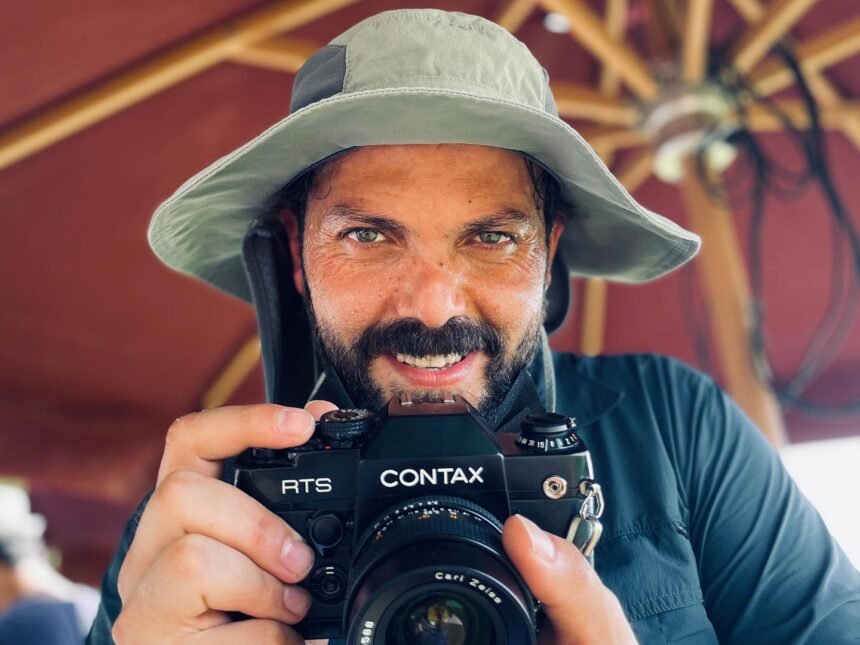
Elias Trad has spent more than 17 years turning visual ideas into cinematic experiences, building a professional career that connects creativity, storytelling, and technical expertise. As an award winning cinematographer, Elias has developed a distinctive identity across the European and Middle Eastern creative markets.
- Elias Trad Builds His Career Through Cinematography
- The Creative Power Behind The Camera
- Elias Trad Brings International Experience To His Work
- The Importance Of Experience In Cinematography
- Elias Trad And The Art Of Visual Storytelling
- Adapting To A Changing Film Industry
- The Character Of Canon FD In His Creative Identity
- Working Across Multiple Languages And Cultures
- The Challenges Behind An Award Winning Career
- Elias Trad Continues To Expand His Visual Journey
- A Career Built Around Vision And Persistence
His work sits at the intersection of filmmaking and visual storytelling. While cameras and production equipment are essential tools, cinematography is ultimately about understanding light, movement, composition, atmosphere, and emotion. A cinematographer helps shape how audiences experience a story, often communicating feelings without saying a single word.
Elias’s journey reflects the dedication required to build a long term career in such a demanding creative industry. With experience spanning more than 17 years and the ability to communicate in English, Arabic, French, and German, he brings an international perspective to his work.
His professional identity also highlights an appreciation for Canon FD equipment and a willingness to make his work available to audiences online. Together, these elements paint a picture of an experienced creative professional who continues to explore the possibilities of visual storytelling.
Elias Trad Builds His Career Through Cinematography
Cinematography is often described as the visual language of filmmaking.
It determines how audiences see a scene, where their attention goes, and how a particular moment feels. Lighting, framing, camera movement, lenses, color, and composition can completely change the emotional impact of a story.
For Elias Trad, cinematography has become a long term professional pursuit.
More than 17 years in the field represent years of learning and adaptation. The technology used by filmmakers has changed dramatically during that time, from traditional camera systems to modern digital workflows and increasingly advanced production tools.
Remaining relevant through those changes requires curiosity.
A cinematographer must understand technology, but technology alone does not create memorable images. Creative judgment remains essential.
Elias’s career demonstrates how experience can provide a strong foundation while continued experimentation keeps an artist moving forward.
The Creative Power Behind The Camera
The cinematographer often works behind the scenes, but their influence can be seen throughout the final production.
Every frame tells a story.
A close shot can create intimacy. A wide frame can communicate isolation or scale. A carefully placed light can create warmth, tension, mystery, or drama.
These decisions may appear simple to an audience, but they require experience and a strong understanding of visual language.
Elias’s professional journey reflects this combination of technical skill and creative thinking.
The camera is not simply a recording device. It becomes a tool through which the cinematographer interprets the world.
This perspective can help explain why experienced cinematographers often develop recognizable visual styles.
Elias Trad Brings International Experience To His Work
Elias identifies the European Union and Middle East as key regions for his professional work.
Working across different markets can expose a cinematographer to a wide range of cultures, creative expectations, production styles, and storytelling traditions.
The Middle East has developed a growing creative and media environment, while Europe offers its own diverse network of filmmakers, production companies, brands, and artistic communities.
Working between these regions can provide valuable perspective.
A cinematographer may need to adapt quickly to different production environments while maintaining professional standards.
Elias’s multilingual ability adds another advantage.
His ability to communicate in English, Arabic, French, and German can help him collaborate with international teams and understand different creative environments.
For a profession built around collaboration, communication can be just as important as technical knowledge.
The Importance Of Experience In Cinematography
Seventeen years of experience represent more than a number.
They represent countless hours behind cameras, creative decisions, production challenges, changing technologies, and lessons learned through real projects.
Experience can help cinematographers anticipate problems before they happen.
They learn how light behaves in different environments. They understand how lenses influence perspective. They become more comfortable working under pressure and communicating with directors, producers, actors, and production teams.
These skills often develop gradually.
A young cinematographer may focus heavily on technical settings, while an experienced professional can think more broadly about the story and the emotion behind a shot.
Elias’s long career reflects this evolution.
Elias Trad And The Art Of Visual Storytelling
Good cinematography should support the story rather than distract from it.
A beautiful image has greater value when it contributes to the emotion or meaning of a scene.
This is where cinematography becomes an art.
The cinematographer needs to understand what the audience should feel and how visual decisions can support that objective.
Sometimes the strongest shot may be simple.
At other times, a complex composition or carefully designed lighting setup may be necessary.
Elias’s professional identity as an artist and cinematographer reflects this broader understanding of visual storytelling.
The objective is not merely to produce attractive images.
It is to create images that remain meaningful after the viewer has finished watching.
Adapting To A Changing Film Industry
The filmmaking industry has experienced significant technological changes over the past two decades.
Digital cameras have transformed production workflows. Editing has become more accessible. Social media has created new formats for visual storytelling. Online platforms have expanded opportunities for filmmakers and cinematographers to reach audiences.
Professionals who began their careers before many of these changes have had to adapt continuously.
Elias’s 17 plus years of experience place him across multiple stages of this transformation.
The ability to continue learning can become one of the most valuable qualities in a creative career.
Rather than seeing new technology as a replacement for traditional skills, experienced professionals can use it as another creative tool.
The Character Of Canon FD In His Creative Identity
Elias’s public profile mentions Canon FD, a lens system associated with Canon’s earlier generations of manual focus cameras.
For filmmakers and photographers, lenses can influence the character and feel of an image.
Different lenses produce different perspectives, depth, rendering, and visual qualities.
A cinematographer’s choice of lens can therefore become part of the creative process.
Elias’s interest in Canon FD suggests an appreciation for equipment with a particular visual character and history.
It also highlights an important point about cinematography.
The newest equipment is not always the only path to creative expression.
Experienced artists often develop preferences based on how tools help them achieve the visual language they want.
Working Across Multiple Languages And Cultures
International creative projects require strong communication.
A production team may include people from several countries, each bringing different expectations and working styles.
Elias’s ability to communicate in four languages can help him navigate this environment.
English, Arabic, French, and German provide access to a broad range of professional conversations across Europe and the Middle East.
Language can also influence storytelling.
Understanding cultural context can help a cinematographer approach subjects with greater sensitivity and awareness.
For Elias, this international perspective can become part of his creative advantage.
The Challenges Behind An Award Winning Career
Creative careers are rarely built without setbacks.
Production schedules can change. Equipment can fail. Weather can disrupt filming. Creative differences can emerge. Deadlines can become demanding.
A cinematographer needs to remain calm and adaptable.
Awards can recognize achievements, but they represent only one part of a much longer journey.
The real challenge is maintaining creativity after each success.
An artist must continue searching for new ideas rather than repeating what has already worked.
Elias’s continued presence in the industry demonstrates the value of persistence.
His experience shows that a long creative career requires both technical development and personal discipline.
Elias Trad Continues To Expand His Visual Journey
The future of cinematography is becoming increasingly connected to digital platforms.
Work can now reach audiences through traditional cinema, television, advertising, social media, streaming platforms, and online portfolios.
Elias’s public profile indicates that his work is available online, allowing potential collaborators and audiences to explore his visual style.
This accessibility can be valuable for independent creative professionals.
A strong online portfolio can introduce a cinematographer to people who may never have encountered their work through traditional industry channels.
For Elias, maintaining an online presence can therefore support continued opportunities across international markets.
A Career Built Around Vision And Persistence
Elias Trad’s journey is ultimately a story about the power of visual storytelling.
With more than 17 years of professional experience, recognition as an award winning cinematographer, and work spanning Europe and the Middle East, he has developed a career based on creativity and technical understanding.
His ability to work across languages and cultures adds another dimension to his professional identity.
Yet the most important part of his story is his continued relationship with the camera.
Cinematography requires patience.
It requires the ability to see possibilities where others may simply see a scene.
A strong cinematographer can turn light into emotion, movement into meaning, and a single frame into a memorable moment.
Elias’s career demonstrates how years of experience can strengthen an artist’s ability to tell stories visually.
As technology continues changing and new platforms create fresh opportunities, his experience provides a foundation for further exploration.
His journey shows aspiring filmmakers that success is rarely about mastering one camera or one technique.
It is about developing a vision, learning continuously, collaborating with others, and remaining curious.
For Elias Trad, the camera remains more than a professional tool. It is a way of seeing, interpreting, and communicating with audiences around the world.
Follow Elias Trad on Instagram
Read More – Ultimate Guide to Dubai Nightlife: Amazing Expert Tips for an Unforgettable Evening