


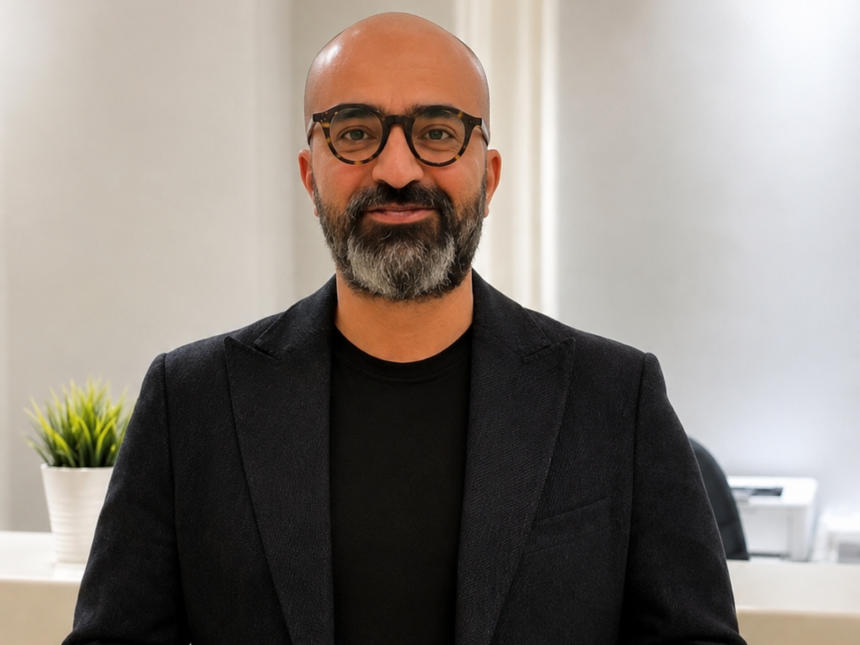
Remarkable Journey From Surgeon To Professor
Dr Ahmed Hweidi has developed a distinguished professional identity in plastic surgery through years of medical education, clinical practice, and academic work. Identified publicly as a Consultant Plastic Surgeon and Professor of Plastic Surgery, Dr Ahmed Hweidi brings together patient care, surgical expertise, and medical education as important parts of his professional journey.
- Dr Ahmed Hweidi Builds His Medical Foundation
- The Role Of A Consultant Plastic Surgeon
- Combining Surgery With Academic Leadership
- The Human Side Of Plastic Surgery
- Precision And Patience In Surgical Practice
- The Importance Of Continuing Medical Education
- Building Patient Confidence Through Communication
- The Challenges Behind A Surgical Career
- Dr Ahmed Hweidi And The Future Of Plastic Surgery
- A Career Built On Knowledge, Precision And Service
His profile highlights qualifications including MRCS, EBOPRAS, and MD, reflecting a substantial commitment to specialist training. For a surgeon, these qualifications represent more than professional titles. They are part of a longer journey that involves education, practical experience, continuous learning, and the responsibility of working closely with patients.
Plastic surgery is a field that requires both technical precision and an understanding of people. Patients may seek treatment for reconstructive needs, functional concerns, or appearance related goals. Every individual arrives with a different expectation, which means communication and careful assessment are essential parts of the process.
For Dr Ahmed Hweidi, his career also extends into academia. His position as Professor of Plastic Surgery places education alongside clinical practice, allowing him to contribute to the development of future medical professionals.
Dr Ahmed Hweidi Builds His Medical Foundation
A successful surgical career begins long before entering the operating room.
Medical training requires years of study, practical experience, examinations, and professional development. Surgeons must understand anatomy, patient safety, clinical decision making, and the responsibilities that come with complex procedures.
Dr Ahmed Hweidi’s qualifications reflect this commitment to specialist development.
His MRCS qualification represents postgraduate surgical training, while EBOPRAS is associated with specialist recognition in plastic, reconstructive, and aesthetic surgery within Europe. His MD adds an academic dimension to his medical background.
Together, these qualifications demonstrate a career built through continued education.
The journey is not simply about reaching a professional position. Medicine requires professionals to continue updating their knowledge because surgical techniques, technologies, and patient expectations continue to develop.
The Role Of A Consultant Plastic Surgeon
Being a Consultant Plastic Surgeon involves more than performing procedures.
A consultant must assess patients carefully, understand their concerns, explain possible approaches, and help them make informed decisions.
Plastic surgery can involve reconstructive procedures following injuries, medical conditions, or previous surgeries. It can also include aesthetic procedures where patients are seeking changes to their appearance.
Because every patient is different, there is no single approach that works for everyone.
This makes consultation particularly important.
A surgeon needs to understand what a patient hopes to achieve while also considering medical history, individual anatomy, realistic outcomes, and safety.
Dr Ahmed Hweidi’s role as a consultant places these responsibilities at the center of his professional identity.
Combining Surgery With Academic Leadership
One of the notable aspects of Dr Ahmed Hweidi’s career is his role as a Professor of Plastic Surgery.
Academic medicine creates another responsibility for experienced doctors.
Professors are involved in teaching and mentoring medical students, residents, and other healthcare professionals. Their knowledge can influence future generations of doctors.
For a specialist surgeon, teaching can also provide an opportunity to reflect on clinical practice.
Explaining a surgical principle to a student requires clarity.
It requires breaking complicated ideas into understandable steps while demonstrating why each decision matters.
This relationship between clinical practice and education can strengthen both areas.
Dr Ahmed Hweidi’s academic position therefore adds another layer to his career, showing that his professional journey extends beyond individual patient care.
The Human Side Of Plastic Surgery
Plastic surgery is sometimes viewed mainly through photographs and visible results.
However, the human side of the specialty is much deeper.
Patients may arrive with concerns that have affected their confidence, comfort, or quality of life for years.
For reconstructive patients, surgery can be part of a longer recovery journey after injury, illness, or congenital conditions.
For aesthetic patients, the motivation may be personal and highly individual.
This means surgeons need to listen.
A good consultation involves understanding why a patient is considering a procedure rather than focusing only on the procedure itself.
Clear communication can help establish realistic expectations.
For Dr Ahmed Hweidi, working in this environment requires balancing technical expertise with empathy and professional responsibility.
Precision And Patience In Surgical Practice
Plastic surgery demands attention to detail.
Small differences in anatomy and tissue can influence surgical planning and outcomes.
Surgeons therefore need patience, concentration, and precision.
These qualities are developed over years of training and repeated clinical experience.
The operating room also requires teamwork.
Surgeons work alongside anesthetists, nurses, assistants, and other healthcare professionals.
Every member of the team has an important responsibility.
This collaborative environment means leadership is another important part of specialist surgery.
A consultant must be able to communicate clearly and remain focused, particularly when managing complex situations.
Dr Ahmed Hweidi’s career reflects the type of professional development that comes with taking on these responsibilities over time.
The Importance Of Continuing Medical Education
Medicine never remains completely still.
New technologies, surgical techniques, research findings, and approaches to patient care continue to emerge.
For specialists, continuing education is therefore an essential part of professional life.
Qualifications are an important foundation, but lifelong learning allows doctors to remain informed.
Academic involvement can also contribute to this process.
Being connected with medical education exposes specialists to new ideas and encourages discussion with colleagues and students.
For Dr Ahmed Hweidi, combining academic responsibilities with clinical practice creates an environment where learning can remain a continuous part of his professional journey.
Building Patient Confidence Through Communication
Patients considering plastic surgery often have many questions.
They may wonder about preparation, recovery, possible results, risks, and whether a particular procedure is appropriate for them.
These questions are natural.
A consultant’s ability to communicate clearly can help patients better understand their choices.
Trust cannot be created through qualifications alone.
It is also built through professional behavior, honest conversations, careful assessments, and appropriate expectations.
Dr Ahmed Hweidi’s public identity as a consultant and professor reflects a career where knowledge and patient communication are important parts of the wider medical experience.
The relationship between doctor and patient can continue to influence how someone experiences their treatment journey.
The Challenges Behind A Surgical Career
A successful medical career requires significant personal commitment.
Long periods of education are followed by demanding clinical responsibilities.
Surgeons must remain prepared to deal with complicated cases while maintaining high standards of patient safety.
There is also the emotional responsibility of treating people who may be anxious or vulnerable.
Academic work adds another layer of responsibility.
Teaching requires preparation and the ability to support developing professionals.
Balancing clinical practice and education can be demanding, but it can also create a broader professional perspective.
Dr Ahmed Hweidi’s career demonstrates how medical professionals can develop multiple areas of expertise while remaining connected to their central specialty.
Dr Ahmed Hweidi And The Future Of Plastic Surgery
The future of plastic surgery will continue to be shaped by advances in technology, improved surgical techniques, research, and changing patient expectations.
Patients increasingly seek information before meeting a surgeon.
They want to understand procedures and make decisions based on knowledge rather than assumptions.
This makes professional communication increasingly important.
Medical professionals also have an opportunity to use education to provide accurate information and encourage realistic expectations.
For an experienced consultant and professor such as Dr Ahmed Hweidi, the future can include continued clinical development alongside teaching and professional contribution.
His academic role can also allow him to influence the next generation of surgeons as the specialty continues to evolve.
A Career Built On Knowledge, Precision And Service
Dr Ahmed Hweidi’s professional journey represents the combination of medical expertise, surgical responsibility, and academic leadership.
As a Consultant Plastic Surgeon and Professor of Plastic Surgery, he operates within a field where technical knowledge must work alongside communication and patient understanding.
His MRCS, EBOPRAS, and MD qualifications highlight the educational foundation behind his career.
But the journey does not end with qualifications.
Medicine is a profession that demands continuous learning.
Every patient presents a different situation.
Every surgical experience can offer another lesson.
Every student provides an opportunity to share knowledge.
That combination makes a medical career an ongoing journey rather than a finished achievement.
Dr Ahmed Hweidi’s story can inspire aspiring medical professionals who are considering specialist surgery. It demonstrates the importance of patience, education, discipline, and a willingness to keep developing.
His journey also highlights the broader responsibility of senior doctors.
They are not only treating patients. They can also help shape the future of their profession through education, mentorship, and the standards they set in clinical practice.
As plastic surgery continues to develop, professionals who combine clinical experience with academic involvement will remain important to the field.
For Dr Ahmed Hweidi, the path forward can continue to build on the foundation already established through specialist training, surgical practice, and medical education.
His career reflects a simple but powerful principle. Excellence in medicine is built gradually through knowledge, precision, responsibility, and a genuine commitment to helping people.
Follow Dr Ahmed Hweidi on Linkedin
Read More – Erin Sokolowsky Built a Marketing Brand Ready for the AI Future