The Ultimate Guide to Better Care
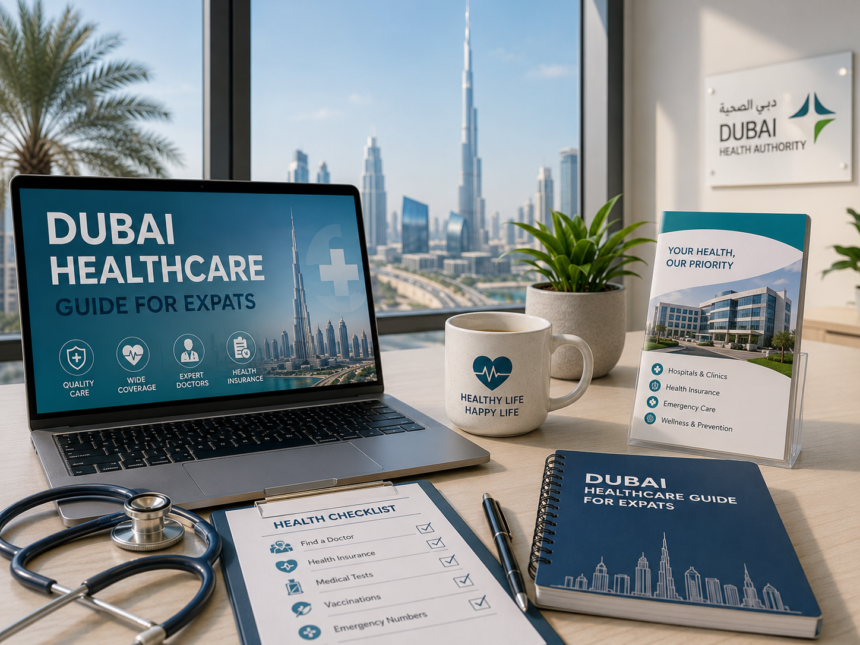
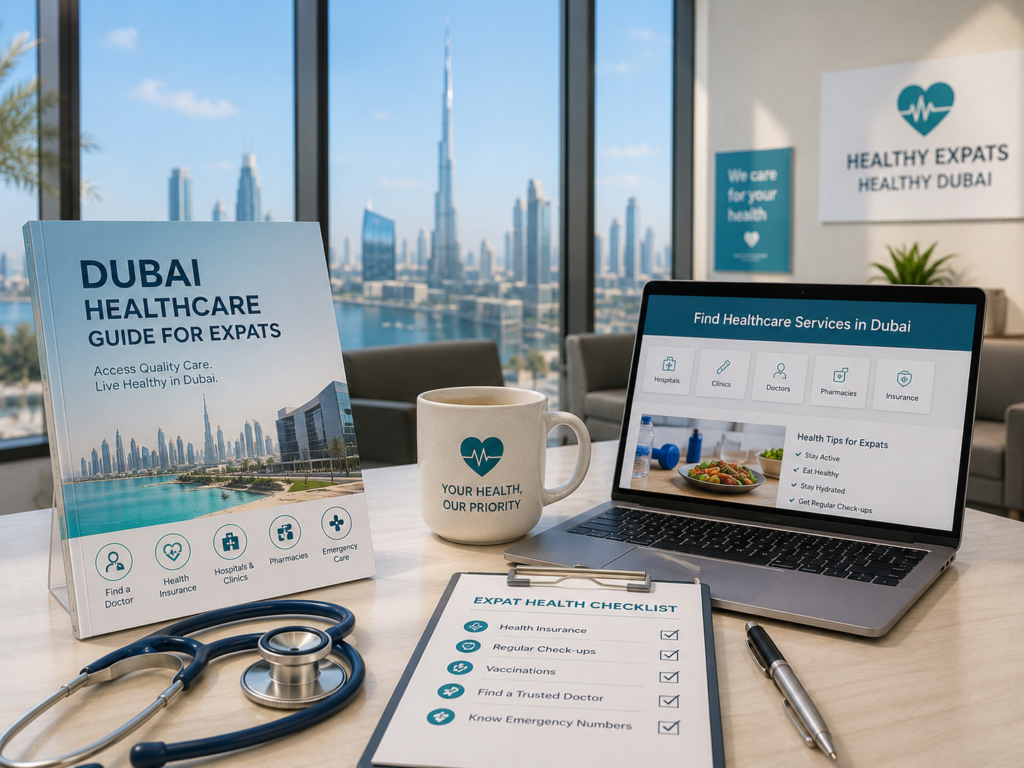
Moving to Dubai can be exciting, but understanding healthcare should be one of the first priorities for any newcomer. This Dubai healthcare guide for expats explains how healthcare works, why insurance matters, how to choose hospitals and clinics, what to do during an emergency, how pharmacies work, and how families can prepare for everyday medical needs. Dubai has a well-developed healthcare system with public and private providers, but the experience can be different from what expats are used to in their home countries. Knowing how insurance networks, appointments, prescriptions, medical records and emergency services work can make healthcare easier to navigate and help you make more confident decisions when you or your family need medical attention.
- Dubai Healthcare Guide for Expats: Understanding The System
- Health Insurance In Dubai For Expats
- How To Choose Health Insurance In Dubai
- Hospitals In Dubai: What Expats Should Know
- Clinics In Dubai For Everyday Healthcare
- Finding A Doctor In Dubai
- Emergency Healthcare In Dubai
- Pharmacies In Dubai
- Dental Healthcare For Expats
- Maternity And Women’s Healthcare
- Healthcare For Children In Dubai
- Mental Healthcare In Dubai
- Telehealth And Digital Healthcare
- Medical Records And Health Documents
- Understanding Healthcare Costs In Dubai
- How Expats Can Reduce Healthcare Costs
- Healthcare Tips For New Expats
- What To Ask Your Insurance Provider
- Healthcare Mistakes Expats Should Avoid
- Dubai Healthcare Guide For Expats: Best Practical Strategy
- Dubai Healthcare Guide For Expats Checklist
- Frequently Asked Questions
- Conclusion: Making Healthcare Easier In Dubai
Dubai Healthcare Guide for Expats: Understanding The System
Dubai’s healthcare system includes public and private healthcare providers.
The Dubai Health Authority, commonly known as DHA, is responsible for regulating the healthcare sector in the emirate. It also oversees licensing, standards and various healthcare services. Dubai’s healthcare environment includes hospitals, outpatient clinics, medical centres, pharmacies, diagnostic facilities and specialist services.
For expats, the private healthcare sector is particularly important because many employers and insurance providers connect patients with private hospitals and clinics.
This creates a healthcare experience that can be highly convenient, especially when your insurance network includes facilities close to your home or workplace.
However, convenience often depends on preparation.
A new resident should understand their insurance policy, identify nearby medical facilities and know where to go for routine care versus emergencies.
Public And Private Healthcare In Dubai
Dubai’s public healthcare system provides important services for residents and citizens, while the private sector offers a large network of hospitals and clinics.
Private healthcare is popular among expats because many employer-sponsored insurance plans are designed around private provider networks.
Before choosing a healthcare facility, check whether it accepts your insurance.
A hospital may offer excellent medical services but still create a higher personal expense if it is outside your insurance network.
This is one of the most important lessons for anyone moving to Dubai.
The best hospital is not always the closest hospital. It is often the facility that combines appropriate medical expertise, convenient location and suitable insurance coverage.
Health Insurance In Dubai For Expats
Health insurance is one of the most important parts of settling in Dubai.
Dubai’s health insurance framework makes coverage mandatory for residents, including expatriates. Employers are responsible for providing health insurance coverage for employees under the applicable rules, while arrangements for dependents and other categories can vary.
For expats, the first step is therefore to understand exactly what your policy provides.
Do not assume that every medical service is automatically covered.
Insurance policies can differ significantly in:
- Hospital networks
- Clinic networks
- Doctor access
- Specialist consultations
- Prescription medicines
- Dental care
- Optical care
- Maternity services
- Diagnostic tests
- Physiotherapy
- Mental health services
- Emergency treatment
- Annual limits
- Deductibles
- Coinsurance
- Pre-approval requirements
A policy that looks affordable may have a limited network or higher out-of-pocket expenses.
A more comprehensive plan may cost more but provide greater flexibility.
What Is The Essential Benefits Plan?
Dubai has established minimum healthcare insurance requirements through its health insurance framework.
The Essential Benefits Plan provides a basic level of healthcare coverage and is intended to ensure access to essential services.
According to Dubai’s healthcare investment information, the basic benefits framework includes inpatient and outpatient treatment, emergency care, maternity services and medication.
However, basic coverage should not automatically be treated as comprehensive coverage.
Expats with families, chronic medical needs or specific preferences should carefully review their policy before deciding that basic insurance is enough.
How To Choose Health Insurance In Dubai
Choosing health insurance can feel complicated when you are new to the country.
Instead of focusing only on price, consider the entire healthcare experience.
Check the hospital network.
Find out whether major hospitals and clinics near your home are included.
Check the pharmacy network.
This can make recurring prescriptions easier to manage.
Understand the deductible.
A lower premium may come with higher costs when you actually use the policy.
Check specialist access.
Some policies may require a referral before you can see a specialist.
Review maternity coverage.
Families planning to have children should check waiting periods, limits and approved facilities.
Check pre-existing conditions.
Coverage rules can vary depending on the policy and circumstances.
Look at annual limits.
A policy with a low annual limit may become difficult to rely on for major treatment.
Understand emergency coverage.
Know how your policy handles emergency treatment and ambulance services.
Taking an hour to understand your insurance can save considerable stress later.
Hospitals In Dubai: What Expats Should Know
Dubai has a broad selection of hospitals, ranging from government facilities to large private hospitals and specialist medical centres.
Expats often choose hospitals based on several factors:
- Location
- Insurance acceptance
- Specialist availability
- Emergency services
- Family facilities
- Maternity care
- Pediatric services
- International patient support
- Reputation
- Appointment availability
For routine healthcare, you may not need a hospital.
A nearby clinic or medical centre can often handle common health concerns, basic tests, vaccinations and referrals.
Hospitals become more important when you need specialist treatment, surgery, complex diagnostics or emergency care.
Choosing A Hospital Near Your Home
Location matters more than many newcomers expect.
Dubai is geographically spread out, and traffic can affect travel time.
A hospital that looks close on a map may take considerably longer to reach during peak traffic.
When choosing your healthcare provider, consider:
Home to hospital travel time
Workplace to hospital travel time
Parking and accessibility
Emergency department availability
Insurance network
Specialist departments
Families should also consider whether the hospital provides pediatric services and whether children can be seen by appropriate specialists.
Clinics In Dubai For Everyday Healthcare
For everyday health needs, clinics are often the most convenient starting point.
A general practitioner or family doctor can help with common conditions, basic assessments and referrals.
A good clinic can become your first point of contact for healthcare.
This is especially useful for expats who are still learning how the Dubai healthcare system works.
Instead of visiting a hospital every time you have a minor concern, you can build a relationship with a primary care provider.
Clinics can also help coordinate specialist appointments.
For families, having a nearby clinic can make routine healthcare considerably easier.
Finding A Doctor In Dubai
Choosing a doctor is a personal decision.
Two doctors with similar qualifications can have very different communication styles.
For expats, communication is particularly important.
You should feel comfortable explaining symptoms, asking questions and discussing treatment options.
When choosing a doctor, consider:
- Qualifications
- Specialization
- Experience
- Languages spoken
- Hospital affiliation
- Appointment availability
- Insurance acceptance
- Communication style
- Patient reviews
DHA maintains licensing and regulatory information for healthcare professionals and facilities within its regulatory framework.
This makes it useful to verify that the healthcare professional or facility you plan to use is appropriately licensed.
Emergency Healthcare In Dubai
Knowing what to do during a medical emergency is essential.
In an emergency, do not delay necessary medical care because you are uncertain about insurance details.
Emergency departments are designed to handle urgent medical situations.
Dubai’s healthcare regulatory framework includes specific emergency and urgent care standards, reflecting the importance of structured emergency services within the emirate.
For non-life-threatening problems, urgent care services or clinics may sometimes be more appropriate than an emergency department.
The important distinction is urgency.
If someone is experiencing severe symptoms or a potentially life-threatening condition, seek emergency medical help immediately.
Prepare An Emergency Healthcare Plan
Every expat household should know:
- The nearest emergency department
- The nearest clinic
- Where the insurance card is stored
- Which insurance provider covers the family
- Important medical conditions and allergies
- Regular medications
- Emergency contact details
- Relevant medical records
Parents should also make sure children know where important medical information is kept.
A simple plan can make a stressful situation easier to manage.
Pharmacies In Dubai
Pharmacies are widely available throughout Dubai.
Many are located near residential communities, clinics and hospitals, making it relatively convenient to obtain medicines and healthcare products.
However, expats should not assume that every medication available in their home country can be purchased in exactly the same way in Dubai.
Some medicines require prescriptions, and rules can differ depending on the substance and classification.
If you regularly take prescription medication, research the UAE availability of your medicine before moving.
Keep a copy of your prescription and relevant medical documentation.
For long-term conditions, it is useful to discuss your medication with a licensed doctor in the UAE.
Do Not Rely Only On Medication Names
Medication brands can differ between countries.
The same active ingredient may be sold under another brand name in Dubai.
When speaking with a doctor or pharmacist, knowing the active ingredient, dosage and formulation can be more useful than simply providing the brand name from your home country.
Keep photographs or copies of prescription labels when appropriate.
Dental Healthcare For Expats
Dental care is another area expats should plan for.
Dental treatment may have different levels of insurance coverage compared with general medical treatment.
Some basic insurance plans provide limited dental benefits or none at all.
If dental care is important to you, check:
- Dental consultation coverage
- Cleaning coverage
- X-rays
- Fillings
- Root canal treatment
- Crowns
- Orthodontics
- Emergency dental care
Regular dental checkups can also help avoid more expensive treatment later.
Families with children should check whether pediatric dental care is included in their insurance plan.
Maternity And Women’s Healthcare
Women moving to Dubai should review maternity and women’s healthcare coverage carefully.
Maternity benefits can include different conditions, limits and waiting periods depending on the insurance plan.
If you are planning pregnancy, check your policy before choosing a hospital.
Consider:
- Maternity coverage
- Waiting periods
- Antenatal appointments
- Ultrasound coverage
- Delivery coverage
- Emergency delivery
- Specialist consultations
- Newborn coverage
- Pediatric services
Do not wait until pregnancy begins to understand your insurance.
Planning ahead gives you more choices.
Healthcare For Children In Dubai
Families often have different healthcare needs from single expats.
Children may need vaccinations, pediatric appointments, dental care, urgent consultations and specialist treatment.
When choosing a family healthcare provider, look for facilities with dedicated pediatric services.
It is also useful to keep a complete medical file for every child.
This can include:
- Vaccination records
- Previous diagnoses
- Allergy information
- Medication history
- Previous test results
- Specialist reports
Digital copies can be stored securely so they remain available when needed.
Mental Healthcare In Dubai
Mental healthcare is an increasingly important part of modern healthcare.
Expats can experience unique pressures after moving abroad.
Relocation, work expectations, cultural adjustment, financial responsibilities and distance from family can affect wellbeing.
Dubai’s healthcare regulatory framework includes mental health services and related standards.
If you are looking for mental healthcare, check whether your insurance includes psychological or psychiatric services.
You can also ask your insurer which providers are inside the approved network.
Finding the right professional may take time.
Communication style, cultural understanding and professional specialization can all influence whether a particular provider feels suitable.
Telehealth And Digital Healthcare
Digital healthcare has become an increasingly useful part of the healthcare experience.
Telehealth can be convenient for certain consultations, follow-up appointments and situations where visiting a clinic is difficult.
However, not every health concern can be handled remotely.
A doctor may need to conduct a physical examination, order laboratory tests or arrange imaging.
Dubai’s health regulator maintains policies covering telehealth services as part of its healthcare regulatory framework.
For expats, digital healthcare can be particularly useful when combined with a regular primary care provider.
Medical Records And Health Documents
One of the easiest ways to improve your healthcare experience is to keep your records organized.
When moving to Dubai, bring copies of important medical documents where relevant.
These can include:
- Vaccination records
- Previous medical reports
- Prescription information
- Allergy records
- Surgical history
- Chronic condition information
- Diagnostic reports
- Dental records
Do not carry only paper copies.
Secure digital copies can be useful when visiting a new doctor.
This is particularly important for children and anyone receiving long-term treatment.
Understanding Healthcare Costs In Dubai
Healthcare costs vary significantly.
A simple clinic consultation can be very different in price from a specialist appointment or hospital procedure.
The final cost may depend on:
- Doctor specialization
- Facility type
- Diagnostic tests
- Treatment complexity
- Insurance coverage
- Deductible
- Coinsurance
- Medication
- Hospital stay
This is why insurance matters so much.
Before receiving planned treatment, ask whether the service requires pre-approval.
Some insurance policies require authorization for specific treatments, procedures or hospital admissions.
Failing to understand these requirements can result in unexpected expenses.
How Expats Can Reduce Healthcare Costs
Good healthcare planning can also help manage expenses.
Use your insurance network.
Out-of-network treatment may cost more.
Choose primary care for routine problems.
A family doctor can often manage everyday health concerns and provide referrals.
Use preventive healthcare.
Regular checkups can identify problems earlier.
Understand your policy.
Know your deductible, copayment, annual limit and exclusions.
Ask about pre-approval.
Do this before planned procedures.
Keep medical records.
This can reduce unnecessary repeat testing.
Compare providers when treatment is non-urgent.
You may have several suitable options.
Healthcare Tips For New Expats
The first few weeks after arriving in Dubai are busy.
You are likely thinking about housing, employment, schools, transportation and banking.
Healthcare can easily be forgotten.
A better approach is to make it part of your relocation checklist.
Your First Healthcare Tasks In Dubai
- Confirm your health insurance.
- Download or save your insurance details.
- Find your nearest approved clinic.
- Find the nearest hospital emergency department.
- Identify a suitable family doctor.
- Check your pharmacy options.
- Transfer important prescriptions if needed.
- Organize medical records.
- Check children’s vaccination records.
- Review dental and optical coverage.
Completing these tasks early means you will not have to research everything during an illness.
What To Ask Your Insurance Provider
If your insurance policy is confusing, contact the insurer.
Ask clear questions.
Which hospitals are included?
Which clinics are included?
Do I need a referral for specialists?
Which medicines are covered?
Are there annual limits?
What is my deductible?
What is my coinsurance?
Does the policy cover dental treatment?
Does it cover maternity services?
Does it cover mental health services?
Which treatments require pre-approval?
What happens during an emergency?
Write down the answers.
Insurance terminology can become confusing, particularly when you are comparing multiple policies.
Healthcare Mistakes Expats Should Avoid
Moving to Dubai can be overwhelming, and healthcare mistakes are often caused by assumptions.
Do not assume your home country insurance works automatically in Dubai.
Do not assume every hospital accepts your insurance.
Do not wait until an emergency to locate the nearest hospital.
Do not ignore prescription requirements.
Do not choose insurance based only on its price.
Do not forget about dependents.
Do not ignore policy renewal dates.
Do not assume basic coverage includes every specialist service.
A little preparation can prevent many of these problems.
Dubai Healthcare Guide For Expats: Best Practical Strategy
The easiest way to manage healthcare in Dubai is to think of it as a system rather than a collection of individual appointments.
Start with insurance.
Then choose a primary care provider.
After that, identify hospitals and specialists within your network.
Keep your medical records organized.
Finally, create an emergency plan.
This approach gives you a clear path when something happens.
Instead of asking, “Where should I go?” you already know which clinic or hospital is appropriate.
Instead of wondering, “Will insurance pay?” you already understand your coverage.
Instead of searching for your medical records, you know where they are stored.
That preparation is particularly valuable for families.
Dubai Healthcare Guide For Expats Checklist
Use this quick checklist after moving to Dubai:
- Confirm your health insurance
- Check your insurance network
- Save your insurance card
- Find a nearby clinic
- Find a nearby hospital
- Identify a family doctor
- Check prescription requirements
- Locate a trusted pharmacy
- Transfer important medical records
- Review dental coverage
- Review maternity coverage if relevant
- Check children’s healthcare coverage
- Understand specialist referral rules
- Learn your emergency healthcare options
- Save important medical contacts
- Check insurance renewal dates
Frequently Asked Questions
Is healthcare in Dubai free for expats?
Expats should generally expect to use health insurance or pay privately for healthcare services. Dubai’s health insurance system requires residents to have appropriate coverage under the applicable regulations.
Do expats need health insurance in Dubai?
Yes. Health insurance is mandatory for residents in Dubai under the emirate’s health insurance framework.
Does an employer provide health insurance in Dubai?
Employers are responsible for providing health insurance coverage for employees under Dubai’s health insurance requirements. Dependents can have separate arrangements depending on the circumstances and policy.
Are hospitals in Dubai expensive?
Healthcare costs vary considerably depending on the hospital, treatment, doctor, tests and insurance coverage. Private healthcare can become expensive without appropriate insurance.
Can expats use public hospitals in Dubai?
Public healthcare facilities are part of Dubai’s healthcare system. Access, eligibility and fees can depend on the service and the individual’s circumstances.
Can I use my international health insurance in Dubai?
It depends on your policy. International insurance may cover treatment in the UAE, but you should confirm directly with your insurer before receiving planned treatment.
How do I find a licensed doctor in Dubai?
Use the relevant healthcare authority’s official resources and verify that the professional and facility are appropriately licensed. DHA provides regulatory and professional licensing information.
Are medicines available easily in Dubai?
Many medicines are available through pharmacies, but prescription and controlled medicine rules apply to certain products. Expats taking regular medication should check UAE requirements before relocating.
Can I visit a clinic instead of a hospital?
Yes. Clinics are often suitable for routine medical concerns, consultations and referrals. Hospitals are more appropriate for emergency situations, complex treatment and specialist hospital services.
Does health insurance cover dental treatment?
Not necessarily. Dental coverage varies by policy, so check your insurance benefits before booking treatment.
Is maternity care covered by Dubai health insurance?
Maternity coverage depends on the policy and applicable requirements. Check benefits, waiting periods, limits and approved providers before planning treatment.
Does Dubai offer mental healthcare?
Yes. Mental healthcare forms part of Dubai’s regulated healthcare environment, with relevant standards and services.
Conclusion: Making Healthcare Easier In Dubai
Moving to a new country involves a long list of decisions, but healthcare should never be left until the last minute.
A good Dubai healthcare guide for expats begins with one simple principle: understand your healthcare system before you need it.
Start by learning your insurance coverage.
Find a nearby clinic and hospital.
Understand how prescriptions work.
Keep your medical records organized.
Know what to do in an emergency.
For families, add children’s healthcare, dental services and maternity planning to the list.
Dubai offers expats access to a broad healthcare ecosystem, including public services, private hospitals, clinics, pharmacies, specialists and digital healthcare options. The Dubai Health Authority regulates significant parts of the emirate’s healthcare environment and maintains standards covering healthcare facilities and professionals.
The most important thing is not simply finding the most expensive hospital or the biggest insurance plan.
It is finding healthcare that fits your lifestyle, location, medical needs and budget.
With the right preparation, expats can spend less time worrying about how the system works and more time enjoying life in Dubai.
follow us on Instagram
Read More – UAE Freelance Visa Guide: Complete 2026 Guide For Freelancers