



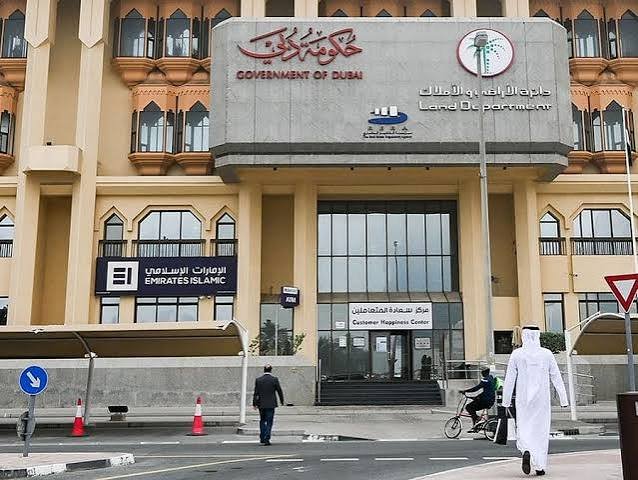
Common Ejari Mistakes Dubai Tenants Should Avoid
For Tenants Renting a home in Dubai involves more than signing a tenancy contract and collecting the keys. One of the most important steps after agreeing a lease is registering the tenancy through Ejari. For new residents, the process can initially sound like another administrative requirement, but Ejari plays an important role in officially recording the landlord-tenant relationship in Dubai.
- What Is Ejari and Why Dubai Tenants Need It
- How Dubai Tenants Can Register an Ejari Contract
- What Documents Are Needed for Ejari Registration?
- How Much Does Ejari Registration Cost?
- Why Ejari Is Important When Setting Up Your Dubai Home
- How Ejari Renewal Works When the Lease Is Renewed
- What Happens When You Move Out and Need to Cancel Ejari?
- Common Ejari Problems Dubai Tenants Should Avoid
- A Practical Ejari Checklist for Dubai Tenants
Understanding what is Ejari and why Dubai tenants need it can help renters avoid problems when setting up their home, renewing a lease or proving that they legally occupy a property.
Ejari is the tenancy-registration system operated under Dubai Land Department. Once an eligible tenancy contract is registered, the system issues an electronic contract registration certificate. Dubai Land Department currently allows tenancy contracts to be registered or renewed through approved channels including the Dubai REST app, the Ejari system for authorised users and Real Estate Services Trustee Centres.
For tenants, Ejari creates an official record of important rental information such as the property, landlord, tenant and contract period. It also provides documentation that can be useful when dealing with other services connected with the rented home.
Registration should not be confused with simply signing a private rental agreement. The lease establishes the contractual relationship, while Ejari records the tenancy in Dubai’s official rental system.
This guide explains what Ejari is, who can register it, how much it currently costs, what documents tenants may need, how renewal and cancellation work and why renters should make sure their tenancy is properly registered.
What Is Ejari and Why Dubai Tenants Need It
Ejari is Dubai’s official system for registering tenancy contracts.
The word “Ejari” is commonly translated as “my rent” in Arabic, but for tenants the important point is what the system does.
It creates an official record of the rental agreement.
After registration, Dubai Land Department issues an e-Contract Registration Certificate.
The registered tenancy can help establish:
- Who is renting the property
- Who owns or legally represents the property
- Which property is being rented
- The contract period
- The agreed tenancy details recorded in the system
Why registration matters
A signed tenancy contract by itself is an agreement between the parties.
Ejari places that contract into the official Dubai rental-registration system.
This helps create a standardised record for tenants, landlords and relevant authorities.
Ejari is not a replacement for the tenancy contract
You still need a rental agreement.
In fact, Dubai Land Department lists the Unified Tenancy Contract as the main document required when registering through the Dubai REST app. At a Real Estate Services Trustee Centre, the original Unified Tenancy Contract must be presented along with the applicant’s Emirates ID.
Think of the process as:
Signed tenancy contract
- official Ejari registration
= officially registered Dubai tenancy
Who usually completes it?
Dubai Land Department states that responsibility for registering Ejari is shared by the landlord and tenant, although in practice the tenant or real estate agent often completes the process.
The important issue is making sure it actually gets done.
How Dubai Tenants Can Register an Ejari Contract
Dubai Land Department currently provides several approved registration channels.
These include:
- Dubai REST app
- Ejari system for authorised business users
- Real Estate Services Trustee Centres
For individual tenants, the Dubai REST app and Trustee Centres are particularly relevant.
Registration through Dubai REST
Dubai Land Department says tenants can initiate an Ejari registration request through the Dubai REST mobile app, but the landlord’s approval is required for completion.
The general process is:
- Log in to Dubai REST.
- Select the relevant Ejari service.
- Enter tenancy information.
- Upload the required document.
- Submit the request.
- Obtain landlord approval.
- Pay the applicable fees.
- Receive the electronic registration certificate.
DLD’s current Ejari guidance states that if the landlord does not approve a tenant-initiated registration request within five days, the request is automatically cancelled.
Registration through a Trustee Centre
A tenant can also visit an approved Real Estate Services Trustee Centre.
The process generally involves:
- Providing the required documents
- Allowing the employee to review the application
- Paying the applicable fees
- Receiving the registration certificate
Dubai Land Department estimates the service itself at around 25 minutes through a Trustee Centre, excluding waiting time.
Which option is better?
Dubai REST can be more convenient when:
- Both parties’ information is up to date
- The landlord responds quickly
- The tenancy is straightforward
A Trustee Centre may be useful when:
- You need assistance
- Documentation is unusual
- A representative is involved
- The digital process is not working properly
What Documents Are Needed for Ejari Registration?
The document requirements depend partly on the registration channel.
Dubai Land Department currently lists a relatively simple set of documents for standard tenancy registration.
Through Dubai REST
For individuals and companies, the main document listed is:
- Copy of the Unified Tenancy Contract
Through a Real Estate Services Trustee Centre
The applicant should generally provide:
- Original Unified Tenancy Contract
- Emirates ID of the applicant
- Official Power of Attorney if the applicant is acting as a representative
If a Power of Attorney was issued in Dubai, its number can generally be entered without attaching the full document. If it was issued in another emirate, the document must be attached.
Is Emirates ID required?
Dubai Land Department’s current FAQ states that Emirates ID is mandatory for tenant registration in the Ejari system, with certain special cases such as GCC nationals handled differently using passport details.
New residents should therefore make sure their identification documents are ready before attempting registration.
Check that the details match
Before submitting the application, compare the information on:
- Tenancy contract
- Emirates ID
- Property details
- Landlord details
Mistakes can create delays.
Pay particular attention to:
- Tenant name
- Unit number
- Property location
- Contract dates
How Much Does Ejari Registration Cost?
Ejari costs depend on the channel used.
Dubai Land Department currently lists the following fees for registering or renewing a tenancy contract through Dubai REST or its website:
- AED 100 tenancy registration fee
- AED 10 Knowledge Fee
- AED 10 Innovation Fee
- AED 55 service-partner fee
- AED 2.75 VAT on the service-partner fee
Current total:
AED 177.75
Trustee Centre fees
Through a Real Estate Services Trustee Centre, DLD currently lists:
- AED 100 registration fee
- AED 10 Knowledge Fee
- AED 10 Innovation Fee
- AED 95 service-partner fee
- VAT on the service-partner fee
The current total listed by Dubai Land Department is:
AED 220
Ejari fee comparison
| Registration Channel | Current DLD Total |
|---|---|
| Dubai REST / DLD website | AED 177.75 |
| Real Estate Services Trustee Centre | AED 220 |
Fees can change, so tenants should always confirm the latest amount with Dubai Land Department before paying.
Who pays the fee?
DLD says responsibility for Ejari registration belongs to both landlord and tenant, but in many cases the tenant or real estate agent completes the registration and pays the fee.
The tenancy agreement may also specify how registration costs are handled.
Check before signing.
Why Ejari Is Important When Setting Up Your Dubai Home

Ejari becomes particularly relevant when a renter starts organising life in the property.
Once a lease is officially registered, the tenant has an official tenancy record rather than only a privately signed document.
DEWA and moving into the property
One common example is electricity and water.
Dubai Electricity and Water Authority has integrated its Move-In process with Ejari for many rental properties. Once Ejari is issued, relevant tenancy information can be transferred digitally to support the utility setup process.
This can reduce the amount of manual information tenants need to enter when establishing their home services.
Official proof of tenancy
An Ejari certificate can also provide an official record showing that you are the registered tenant of a Dubai property.
This can be useful when another organisation asks for evidence of your residence or tenancy.
Rental administration
Having the tenancy registered also creates a clearer official record when the lease later needs to be:
- Renewed
- Cancelled
- Reviewed
Dubai Land Department’s Dubai REST system supports registration, renewal and cancellation of Ejari contracts.
Rental disputes
Proper documentation can also become important if disagreement occurs between landlord and tenant.
Tenants should therefore keep copies of:
- Signed tenancy contract
- Ejari certificate
- Payment receipts
- Deposit records
- Important correspondence
Good documentation makes the rental relationship easier to manage.
How Ejari Renewal Works When the Lease Is Renewed
Ejari is linked to the tenancy contract.
When tenants renew their rental agreement, the registered tenancy should also be updated through the Ejari renewal process.
Dubai Land Department combines registration and renewal under its current Register / Renew Tenancy Contract service.
Do not assume the old registration automatically continues
If the contract changes for another rental period, the registration should reflect the renewed tenancy.
This keeps the official record current.
Renewal channels
The same general approved channels are available:
- Dubai REST
- Ejari system for authorised users
- Real Estate Services Trustee Centres
Renewal fees
Dubai Land Department’s current FAQ lists:
Through Dubai REST / DLD website:
- AED 100 registration fee
- AED 10 Knowledge Fee
- AED 10 Innovation Fee
Additional applicable partner fees may apply depending on the channel.
Through Trustee Centres:
- AED 120 in government fees
- AED 95 service-partner fee
- VAT on the service-partner charge
For the most current total, tenants should use the live DLD service page before paying.
Check information before renewal
Make sure the updated tenancy includes the correct:
- Rental amount
- Contract dates
- Property details
- Tenant information
If there has been a lawful rent change, the renewed documentation should reflect the agreed amount.
What Happens When You Move Out and Need to Cancel Ejari?
Ejari should not simply be forgotten when you leave the property.
Dubai Land Department offers a formal service to cancel tenancy registrations.
Its current cancellation service allows customers to cancel an expired tenancy contract for a Dubai property that has been vacated.
Cancellation through Dubai REST
Dubai Land Department says landlords and tenants can use Dubai REST for cancellation requests.
Where a valid lease is still active, tenant cancellation generally requires landlord approval.
If the lease has already expired, DLD’s current Ejari guidance says landlord approval is not required for the tenant’s cancellation request.
Trustee Centre cancellation
A tenant may also use a Real Estate Services Trustee Centre.
If cancelling while the tenancy remains valid, an NOC from the landlord may be required.
Why cancellation matters
Closing the previous tenancy record helps avoid complications when you move to another property.
You want your official rental information to reflect your actual living situation.
Do not wait until the next tenancy
When moving out:
- Complete the handover.
- Settle the required rental obligations.
- Confirm the contract status.
- Complete Ejari cancellation where required.
- Keep cancellation evidence.
This gives you a cleaner record when arranging your next home.
Common Ejari Problems Dubai Tenants Should Avoid
The Ejari process is usually manageable, but mistakes can create delays.
Problem 1: Assuming the agent completed it
Do not assume.
Ask for the actual Ejari registration certificate.
A receipt for another rental-related payment is not the same thing.
Problem 2: Incorrect contract details
Review:
- Tenant name
- Rent
- Contract dates
- Property number
before registration.
Problem 3: Landlord details are outdated
Digital approval may become difficult if the owner’s information in the Dubai Land Department system is not current.
DLD specifically notes that owners need updated information to manage property and Ejari requests through Dubai REST.
Problem 4: Landlord does not approve the digital request
Tenant-initiated digital registration requires landlord approval.
Under DLD’s current guidance, the application is automatically cancelled if approval does not happen within five days.
Follow up promptly.
Problem 5: Forgetting renewal
Do not assume one Ejari certificate covers every future tenancy period.
Register the renewed agreement.
Problem 6: Forgetting cancellation
When leaving the property, make sure the previous registration is properly closed when required.
Problem 7: Using unofficial channels
Use Dubai Land Department-approved services.
These include:
- Dubai REST
- Ejari system where authorised
- Approved Real Estate Services Trustee Centres
A Practical Ejari Checklist for Dubai Tenants
Tenants can make the process easier by organising everything before registration.
Before signing the tenancy
- Confirm landlord/property details
- Review annual rent
- Check contract dates
- Understand Ejari responsibility
- Ask who will complete registration
Before Ejari registration
- Signed Unified Tenancy Contract ready
- Emirates ID ready
- Landlord details correct
- Property details correct
- Dubai REST access available if using the app
During registration
- Submit correct contract
- Check rent amount
- Check contract period
- Follow up for landlord approval
- Pay only approved fees
After registration
- Download Ejari certificate
- Save digital copy
- Keep fee receipt
- Use tenancy information when arranging home services
At renewal
- Sign renewed tenancy agreement
- Confirm new rent
- Renew Ejari
- Save updated certificate
When moving out
- Complete property handover
- Settle relevant obligations
- Request Ejari cancellation where required
- Keep cancellation confirmation
Ejari at a glance
| Question | Answer |
|---|---|
| What is Ejari? | Dubai’s tenancy-registration system |
| Who manages it? | Dubai Land Department |
| Can a tenant register? | Yes, with landlord approval where required |
| Main digital channel | Dubai REST |
| Registration certificate | e-Contract Registration Certificate |
| Current online total | AED 177.75 |
| Current Trustee Centre total | AED 220 |
| Needs renewal? | Yes, when the tenancy is renewed |
| Can it be cancelled? | Yes, through approved channels |
Understanding what is Ejari and why Dubai tenants need it makes the rental process much easier.
Ejari creates an official record of the tenancy with Dubai Land Department. Once registration is completed, tenants receive an electronic contract registration certificate that confirms the lease has been recorded in the system.
For tenants, the process is relatively straightforward. Registration can be initiated through Dubai REST or completed through a Real Estate Services Trustee Centre. A tenant can initiate registration, although landlord approval is required for applicable digital requests.
Current Dubai Land Department fees make digital registration cheaper than using a Trustee Centre. DLD presently lists a total of AED 177.75 through Dubai REST or the department website and AED 220 through a Real Estate Services Trustee Centre.
Tenants should also remember that Ejari is not a one-time document that follows them forever. A renewed tenancy needs an updated registration, while tenants leaving a property should make sure cancellation is completed where necessary.
Most importantly, keep your documentation.
Save copies of the signed tenancy contract, Ejari certificate, receipts and later renewal or cancellation documents.
Dubai’s rental system becomes much easier to navigate when your official records are accurate and up to date.
Do follow us on Instagram
Read More – How to Build a Comfortable Life in Dubai