Which Destinations Should Be on Your Travel Bucket List? 15 Amazing Gulf Region Places to Visit
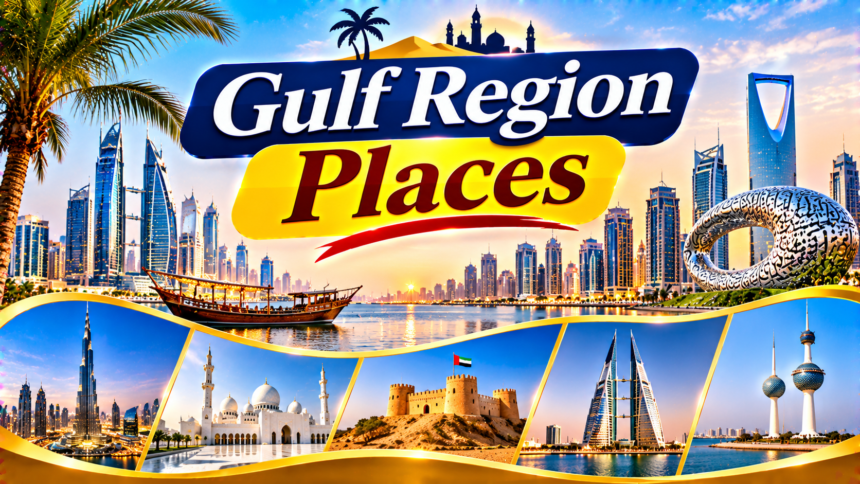
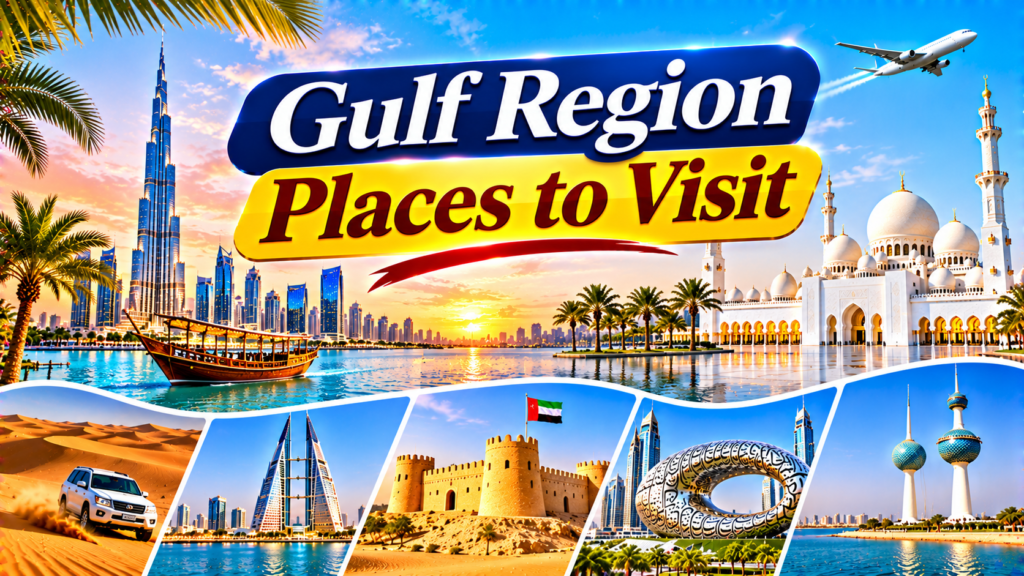
The Gulf region is one of the most fascinating travel destinations in the world, offering a remarkable combination of modern architecture, traditional culture, beautiful coastlines, golden deserts, historic landmarks, and luxurious experiences. From the spectacular skyscrapers of Dubai to the peaceful mountains of Oman, the region has something special for every kind of traveller.
- 1. Why Should Dubai, UAE, Be on Your Gulf Travel Bucket List?
- 2. What Makes Abu Dhabi, UAE, a Must-Visit Destination?
- 3. Why Is Doha, Qatar, Worth Exploring?
- 4. What Makes Muscat, Oman, One of the Most Beautiful Gulf Cities?
- 5. Why Should You Visit Salalah in Oman?
- 6. What Makes Manama, Bahrain, an Interesting Place to Visit?
- 7. Why Is Muharraq, Bahrain, a Special Cultural Destination?
- 8. What Makes Kuwait City a Worthwhile Gulf Destination?
- 9. Why Should Travellers Explore AlUla, Saudi Arabia?
- 10. What Makes Riyadh an Exciting City to Explore?
- 11. Why Is Jeddah a Beautiful Coastal Destination in Saudi Arabia?
- 12. What Makes Nizwa, Oman, a Fascinating Historic Destination?
- 13. Why Is Khasab, Oman, Known as the Norway of Arabia?
- 14. What Makes Fujairah, UAE, Different from Other Gulf Destinations?
- 15. Why Should You Visit Jebel Akhdar in Oman?
- Which Gulf Region Country Offers the Best Travel Experience?
- When Is the Best Time to Visit the Gulf Region?
- What Are the Best Things to Experience Across the Gulf Region?
- How Can Travellers Plan a Memorable Gulf Region Holiday?
- Frequently Asked Questions About the Best Places to Visit in the Gulf Region
The Gulf countries, including the United Arab Emirates, Saudi Arabia, Qatar, Bahrain, Kuwait, and Oman, attract millions of visitors with their unique landscapes, hospitality, shopping experiences, cultural attractions, and adventure opportunities.
Whether you are planning a family holiday, a romantic getaway, a cultural exploration, or an exciting adventure, the Gulf region offers countless opportunities to create unforgettable memories.
But which destinations deserve a place on your travel bucket list? Which cities offer the best attractions, and where can travellers experience the region’s natural beauty and cultural heritage?
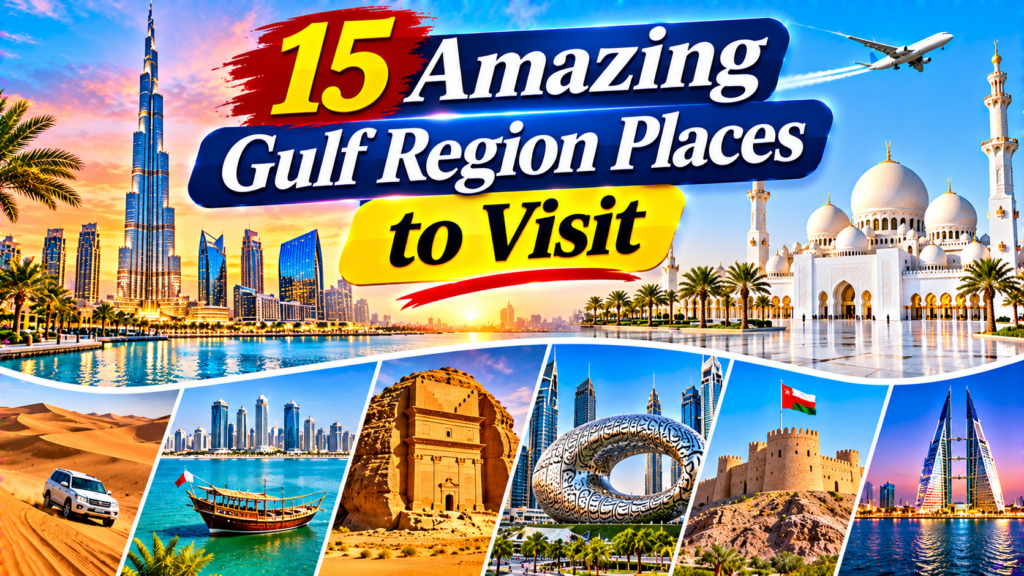
Here are 15 amazing Gulf region places to visit that showcase the best of Arabian hospitality, modern development, and timeless traditions.
1. Why Should Dubai, UAE, Be on Your Gulf Travel Bucket List?
Dubai is undoubtedly one of the most popular tourist destinations in the Gulf region. Known for its futuristic skyline, luxurious hotels, impressive shopping malls, and exciting entertainment attractions, the city offers an extraordinary travel experience.
One of Dubai’s most famous landmarks is the Burj Khalifa, the world’s tallest building. Visitors can enjoy breathtaking views of the city from its observation decks. The Dubai Fountain, located nearby, adds another spectacular attraction with its impressive water and light performances.
Dubai also offers beautiful beaches, traditional markets, desert safaris, and family-friendly attractions.
Top attractions to explore in Dubai:
- Burj Khalifa and Downtown Dubai.
- Palm Jumeirah, an iconic artificial island.
- Dubai Mall, a major shopping and entertainment destination.
- Dubai Marina and Jumeirah Beach.
- Dubai Desert Conservation Reserve for desert experiences.
- Al Fahidi Historical Neighbourhood for traditional Emirati architecture.
Dubai is ideal for families, couples, shopping enthusiasts, adventure seekers, and international travellers.
2. What Makes Abu Dhabi, UAE, a Must-Visit Destination?
Abu Dhabi, the capital of the United Arab Emirates, combines cultural heritage, impressive architecture, beautiful beaches, and world-class entertainment.
The city’s most celebrated landmark is the Sheikh Zayed Grand Mosque. Its magnificent white marble architecture, intricate decorations, enormous chandeliers, and peaceful atmosphere make it one of the region’s most remarkable attractions.
Another popular destination is Louvre Abu Dhabi, where visitors can explore artworks and historical objects representing different civilisations.
Nature lovers can also discover mangrove forests, islands, and beautiful coastal landscapes.
Best attractions in Abu Dhabi include:
- Sheikh Zayed Grand Mosque.
- Louvre Abu Dhabi.
- Qasr Al Watan Presidential Palace.
- Yas Island and Ferrari World.
- Saadiyat Island beaches.
- Mangrove National Park.
Abu Dhabi is particularly appealing to travellers interested in architecture, art, history, family entertainment, and relaxing coastal holidays.
3. Why Is Doha, Qatar, Worth Exploring?
Doha has transformed into one of the most attractive urban destinations in the Gulf. The capital of Qatar offers a wonderful combination of contemporary architecture, traditional markets, museums, waterfront attractions, and cultural experiences.
The Museum of Islamic Art is one of Doha’s most recognisable cultural landmarks. It houses an impressive collection of Islamic art and historical objects from different parts of the world.
Visitors can also explore Souq Waqif, a traditional marketplace filled with restaurants, shops, handicrafts, spices, and local experiences.
The Doha Corniche is another wonderful place to enjoy waterfront views and the city’s impressive skyline.
What should visitors explore in Doha?
- Museum of Islamic Art.
- Souq Waqif.
- Katara Cultural Village.
- The Pearl-Qatar.
- National Museum of Qatar.
- Doha Corniche.
Doha is an excellent destination for cultural tourism, luxury experiences, shopping, and family vacations.
4. What Makes Muscat, Oman, One of the Most Beautiful Gulf Cities?
Muscat is a destination where natural beauty and traditional Arabian architecture come together beautifully. Unlike some of the region’s rapidly developing metropolitan cities, Oman’s capital maintains a distinctive character with low-rise buildings, historic forts, mountains, and a beautiful coastline.
The Sultan Qaboos Grand Mosque is among the city’s most impressive attractions. Its elegant architecture and peaceful surroundings attract visitors interested in culture and Islamic heritage.
The historic Mutrah Souq is another popular destination, offering traditional jewellery, textiles, souvenirs, and Omani handicrafts.
Top places to visit in Muscat:
- Sultan Qaboos Grand Mosque.
- Mutrah Corniche.
- Mutrah Souq.
- Royal Opera House Muscat.
- Al Alam Palace.
- Qurum Beach.
Muscat is perfect for travellers seeking cultural experiences, coastal scenery, traditional markets, and a relaxed holiday atmosphere.
5. Why Should You Visit Salalah in Oman?
Salalah is one of the most unusual and beautiful destinations in the Arabian Peninsula. Located in southern Oman, the city is particularly famous for its Khareef season, when seasonal monsoon conditions transform the surrounding landscape into a lush green paradise.
During this period, the mountains become covered with greenery, waterfalls appear, and mist creates a refreshing atmosphere that contrasts with the region’s usual desert environment.
Salalah also has beautiful beaches, archaeological sites, coconut plantations, and traditional markets.
Must-visit attractions in Salalah include:
- Al Mughsail Beach.
- Wadi Darbat.
- Sultan Qaboos Mosque.
- Al Baleed Archaeological Park.
- Haffa Souq.
Salalah is especially attractive for nature lovers, photographers, families, and travellers looking for a different side of the Gulf region.
6. What Makes Manama, Bahrain, an Interesting Place to Visit?
Manama, the capital of Bahrain, offers a fascinating combination of modern attractions, traditional markets, historical landmarks, and vibrant dining experiences.
The city is known for its welcoming atmosphere and rich cultural history. Visitors can explore traditional Bahraini architecture, discover local food, and enjoy modern shopping and entertainment facilities.
The Bahrain National Museum provides an excellent introduction to the country’s history, culture, and archaeological heritage.
Popular attractions in Manama include:
- Bahrain National Museum.
- Bahrain World Trade Center.
- Bab Al Bahrain.
- Al Fateh Grand Mosque.
- Manama Souq.
- Bahrain Bay.
Manama is a wonderful choice for travellers interested in history, food, shopping, and discovering the cultural identity of Bahrain.
7. Why Is Muharraq, Bahrain, a Special Cultural Destination?
Muharraq is one of Bahrain’s most historically significant destinations. Once an important centre of the country’s pearling industry, the city preserves a remarkable collection of traditional buildings, historic houses, and cultural landmarks.
The Pearling Path is a UNESCO World Heritage Site that tells the story of Bahrain’s historic pearl trade and its influence on local communities.
Walking through Muharraq’s traditional streets allows visitors to discover the region’s architectural heritage and understand how pearling shaped Bahrain’s identity.
What can visitors discover in Muharraq?
- Pearling Path.
- Traditional Bahraini houses.
- Shaikh Isa Bin Ali House.
- Siyadi House.
- Historic neighbourhoods.
- Local cafés and traditional food.
Muharraq is particularly suitable for history enthusiasts, cultural travellers, photographers, and people interested in traditional Arabian lifestyles.
8. What Makes Kuwait City a Worthwhile Gulf Destination?
Kuwait City is an attractive destination for visitors who want to discover the modern and traditional sides of Kuwait. The city features impressive towers, museums, waterfront attractions, shopping destinations, and cultural institutions.
The famous Kuwait Towers are among the country’s most recognisable landmarks. Their distinctive architecture and location overlooking the Arabian Gulf make them a popular attraction.
Visitors can also explore the city’s cultural heritage through museums, traditional markets, and historical sites.
Best places to visit in Kuwait City:
- Kuwait Towers.
- Grand Mosque of Kuwait.
- Souq Al-Mubarakiya.
- Sheikh Jaber Al-Ahmad Cultural Centre.
- Tareq Rajab Museum.
- Al Shaheed Park.
Kuwait City offers a memorable experience for visitors interested in architecture, local traditions, shopping, and urban exploration.
9. Why Should Travellers Explore AlUla, Saudi Arabia?
AlUla is one of the most extraordinary destinations in Saudi Arabia and an increasingly recognised attraction for international travellers.
Famous for its dramatic sandstone formations, ancient archaeological sites, and beautiful desert landscapes, AlUla offers a unique opportunity to explore the history of the Arabian Peninsula.
One of its most important attractions is Hegra, Saudi Arabia’s first UNESCO World Heritage Site. The archaeological area contains impressive Nabataean tombs carved into sandstone mountains.
Visitors can also explore the historic old town, desert landscapes, and spectacular rock formations.
Top attractions in AlUla include:
- Hegra archaeological site.
- Elephant Rock.
- AlUla Old Town.
- Dadan archaeological site.
- Jabal Ikmah.
- Maraya concert hall.
AlUla is an excellent destination for history enthusiasts, photographers, adventure seekers, and travellers interested in ancient civilisations.
10. What Makes Riyadh an Exciting City to Explore?
Riyadh, the capital of Saudi Arabia, is one of the region’s fastest-growing metropolitan destinations. It combines contemporary architecture, entertainment attractions, traditional markets, and historical landmarks.
The famous Kingdom Centre Tower is among the city’s most recognisable buildings. Visitors can enjoy impressive views of the surrounding skyline.
History lovers should explore Diriyah, the birthplace of the first Saudi state and a destination known for its traditional Najdi architecture.
Popular attractions in Riyadh include:
- Kingdom Centre Tower.
- Al Masmak Palace.
- Diriyah and At-Turaif.
- National Museum of Saudi Arabia.
- Boulevard City.
- King Abdullah Financial District.
Riyadh is ideal for travellers interested in modern urban development, Saudi culture, shopping, entertainment, and history.
11. Why Is Jeddah a Beautiful Coastal Destination in Saudi Arabia?
Jeddah is one of Saudi Arabia’s most popular coastal destinations. Located along the Red Sea, the city is famous for its waterfront attractions, historic neighbourhoods, shopping centres, and seafood restaurants.
The historic district of Al-Balad is a UNESCO World Heritage Site featuring traditional buildings, wooden balconies, and historic markets.
Jeddah’s Corniche is another major attraction, offering beautiful sea views, walking paths, recreational areas, and public spaces.
What are the best places to visit in Jeddah?
- Al-Balad historic district.
- Jeddah Corniche.
- King Fahd’s Fountain.
- Al Rahma Mosque.
- Red Sea waterfront.
- Fakieh Aquarium.
Jeddah is a great destination for beach experiences, cultural exploration, family activities, and discovering the coastal lifestyle of Saudi Arabia.
12. What Makes Nizwa, Oman, a Fascinating Historic Destination?
Nizwa is one of Oman’s most charming historical cities. Once an important centre of trade, education, and Islamic scholarship, it offers visitors a glimpse into the country’s traditional heritage.
The famous Nizwa Fort is the city’s most recognisable landmark. Its impressive circular tower, defensive structures, and historical exhibits attract visitors interested in Omani architecture and history.
The nearby Nizwa Souq is another highlight, where visitors can explore traditional handicrafts, silver jewellery, pottery, spices, and local products.
Top attractions in Nizwa include:
- Nizwa Fort.
- Nizwa Souq.
- Jebel Akhdar.
- Bahla Fort.
- Al Hoota Cave.
- Traditional villages in the surrounding region.
Nizwa is perfect for travellers who want to explore Oman’s historic identity, mountain landscapes, and traditional markets.
13. Why Is Khasab, Oman, Known as the Norway of Arabia?
Khasab, located in Oman’s Musandam Peninsula, is famous for its dramatic coastal scenery and beautiful fjord-like landscapes.
Often called the Norway of Arabia, the destination features towering mountains, deep blue waters, secluded beaches, and spectacular coastal views.
One of the most popular activities in Khasab is taking a traditional dhow cruise through the Musandam fjords. Visitors may also enjoy swimming, snorkelling, kayaking, and exploring the coastline.
Best experiences in Khasab include:
- Musandam fjord cruises.
- Dolphin-watching excursions.
- Snorkelling and swimming.
- Khasab Castle.
- Mountain viewpoints.
- Coastal village visits.
Khasab is an excellent choice for nature lovers, adventure enthusiasts, couples, and travellers looking for peaceful coastal experiences.
14. What Makes Fujairah, UAE, Different from Other Gulf Destinations?
Fujairah offers a different atmosphere from the busy metropolitan destinations of the United Arab Emirates. Located along the Gulf of Oman, the emirate is known for its beaches, mountain scenery, historic forts, and beautiful natural landscapes.
Unlike Dubai and Abu Dhabi, Fujairah provides a more relaxed environment for visitors interested in outdoor activities and coastal holidays.
The Fujairah Fort is one of the emirate’s historic attractions, while Al Aqah Beach is popular for its coastal scenery and water-based activities.
Best places to explore in Fujairah include:
- Al Aqah Beach.
- Fujairah Fort.
- Al Bidya Mosque.
- Wadi Wurayah.
- Snoopy Island.
- Hajar Mountains.
Fujairah is particularly attractive for beach lovers, divers, photographers, families, and adventure travellers.
15. Why Should You Visit Jebel Akhdar in Oman?
Jebel Akhdar, meaning Green Mountain in Arabic, is one of the most beautiful mountain destinations in Oman. Located within the Al Hajar mountain range, the area is known for its cooler climate, dramatic canyons, traditional villages, and terraced agricultural landscapes.
During the right season, visitors can discover beautiful rose gardens, fruit orchards, and mountain scenery that contrast sharply with the surrounding desert environment.
The destination is particularly popular among travellers looking for hiking, scenic drives, photography, and peaceful mountain retreats.
What can visitors experience at Jebel Akhdar?
- Mountain hiking and nature walks.
- Traditional Omani villages.
- Scenic canyon viewpoints.
- Rose gardens during the flowering season.
- Local agricultural experiences.
- Mountain resorts and outdoor relaxation.
Jebel Akhdar is an excellent destination for nature lovers, couples, photographers, and travellers seeking a refreshing escape from busy cities.
Which Gulf Region Country Offers the Best Travel Experience?
Every Gulf country has its own attractions, landscapes, traditions, and travel experiences. The best destination depends on what visitors want to experience during their holidays.
Here is a quick comparison of the six Gulf countries and their major travel highlights.
| Country | Popular destination | Best known for |
|---|---|---|
| UAE | Dubai and Abu Dhabi | Modern architecture, luxury and entertainment |
| Saudi Arabia | AlUla and Jeddah | Heritage, archaeology and coastal tourism |
| Qatar | Doha | Museums, culture and modern attractions |
| Oman | Muscat and Salalah | Nature, mountains and traditional heritage |
| Bahrain | Manama and Muharraq | History, pearling heritage and shopping |
| Kuwait | Kuwait City | Architecture, museums and local culture |
When Is the Best Time to Visit the Gulf Region?
The best time to visit most Gulf destinations is generally between November and March. During these months, temperatures are usually more comfortable for sightseeing, outdoor adventures, beach activities, and desert excursions.
However, weather conditions vary across the region, particularly in mountainous and coastal destinations.
Here is a general seasonal guide:
- November to March: Generally suitable for city sightseeing, desert safaris, outdoor activities, and cultural exploration.
- April to May: Spring offers opportunities for sightseeing, although temperatures begin rising.
- June to September: Summer can be extremely hot in many Gulf cities. Indoor attractions and resort experiences may be more comfortable.
- June to September in Salalah: The Khareef season brings misty weather, greenery, and seasonal waterfalls to parts of Dhofar.
Travellers should check local weather conditions before planning outdoor activities.
What Are the Best Things to Experience Across the Gulf Region?
The Gulf region offers much more than impressive buildings and luxury shopping destinations. Its diverse landscapes and cultural traditions provide opportunities for memorable travel experiences.
Some of the most popular activities include:
1. Explore traditional Arabian markets: Visit Souq Waqif in Doha, Mutrah Souq in Muscat, and Souq Al-Mubarakiya in Kuwait City to discover local crafts, spices, clothing, and traditional food.
2. Experience desert adventures: Enjoy dune bashing, camel rides, desert camping, and sunset photography in selected desert destinations across the UAE, Oman, and Saudi Arabia.
3. Discover historical landmarks: Explore ancient forts, archaeological sites, traditional villages, and museums that reveal the Gulf’s fascinating history.
4. Enjoy beautiful beaches: Discover the coastlines of Fujairah, Jeddah, Muscat, and Bahrain for swimming, relaxation, and water sports.
5. Taste traditional Gulf cuisine: Try popular regional dishes such as machboos, harees, shuwa, and traditional Arabic sweets.
6. Discover mountain landscapes: Visit Jebel Akhdar, Musandam, and the Hajar Mountains for hiking, photography, and outdoor adventures.
How Can Travellers Plan a Memorable Gulf Region Holiday?
Planning a Gulf holiday becomes easier when travellers understand the destinations, travel distances, seasonal conditions, and cultural expectations.
Here are some useful travel tips:
- Choose your destinations carefully: Avoid trying to visit too many countries during a short holiday.
- Check visa requirements: Entry regulations differ by nationality and destination.
- Plan according to the weather: Choose cooler months for outdoor sightseeing in most Gulf countries.
- Respect local customs: Dress appropriately when visiting religious and cultural sites.
- Book popular attractions in advance: Some museums, guided tours, and adventure experiences require advance reservations.
- Explore local cuisine: Traditional restaurants and markets provide an excellent introduction to regional culture.
- Consider transportation: Flights, rental cars, public transport, and organised tours can help travellers explore different destinations.
- Purchase suitable travel insurance: Make sure your policy covers your planned activities.
Travellers should also check current entry requirements and attraction opening schedules before departure.
Frequently Asked Questions About the Best Places to Visit in the Gulf Region
Q1. What are the most beautiful places to visit in the Gulf region?
Ans: Some of the most beautiful destinations include Dubai, Abu Dhabi, Muscat, Salalah, AlUla, Doha, Khasab, and Jebel Akhdar. These places offer a combination of modern attractions, historical landmarks, beaches, mountains, and desert landscapes.
Q2. Which Gulf country is best for tourism?
Ans: The UAE is particularly popular for modern attractions, luxury hotels, shopping, and entertainment. Oman is ideal for natural beauty and adventure, Saudi Arabia offers fascinating historical destinations, while Qatar and Bahrain are excellent for cultural experiences.
Q3. What is the best month to visit the Gulf countries?
Ans: November to March is generally considered the best period for visiting many Gulf destinations because temperatures are more comfortable for outdoor activities and sightseeing.
Q4. Are Gulf countries suitable for family holidays?
Ans: Yes. Gulf countries offer numerous family-friendly attractions, including theme parks, museums, beaches, shopping centres, aquariums, nature destinations, and cultural experiences.
Q5. Which Gulf destination is best for nature lovers?
Ans: Oman is an excellent choice for nature lovers because of its mountains, beaches, wadis, deserts, and seasonal greenery in Salalah. Fujairah, Musandam, and AlUla also offer spectacular natural landscapes.
Q6. Can travellers experience traditional Arabian culture in the Gulf?
Ans: Absolutely. Traditional markets, historic neighbourhoods, museums, forts, cultural villages, and local restaurants provide opportunities to experience Arabian hospitality, architecture, cuisine, and heritage.
Q7. Is the Gulf region expensive for tourists?
Ans: Travel costs vary considerably depending on the country, accommodation, transportation, and activities. Luxury experiences can be expensive, but travellers can also find budget-friendly hotels, public transportation, local restaurants, and free attractions.
Q8. How many days are needed to explore the Gulf region?
Ans: A single city can often be explored in three to five days, depending on the attractions. Travellers planning to visit multiple countries should allow additional time for flights, border formalities, and transportation.
Final Thoughts: Why Should You Explore These 15 Amazing Gulf Region Places?
The Gulf region is a destination filled with contrasts, where modern skylines stand alongside historic forts, golden deserts meet beautiful coastlines, and traditional markets exist alongside world-class shopping and entertainment centres.
From the iconic attractions of Dubai and Abu Dhabi to the cultural richness of Doha and Manama, every destination offers something unique. Meanwhile, the natural landscapes of Oman, the archaeological treasures of AlUla, and the coastal beauty of Jeddah provide unforgettable experiences for travellers.
Whether you are interested in adventure, history, architecture, nature, shopping, or relaxation, these 15 amazing Gulf region places to visit offer plenty of inspiration for your next holiday.
The best way to discover the Gulf is to explore beyond its famous cities, experience its local traditions, taste its regional cuisine, and appreciate the natural and cultural diversity that makes this part of the world so special.
Start planning your journey and discover the remarkable destinations that make the Gulf region one of the most exciting places to explore.
Do follow us on Instagram
Read More – Best Winter Destinations in the Gulf