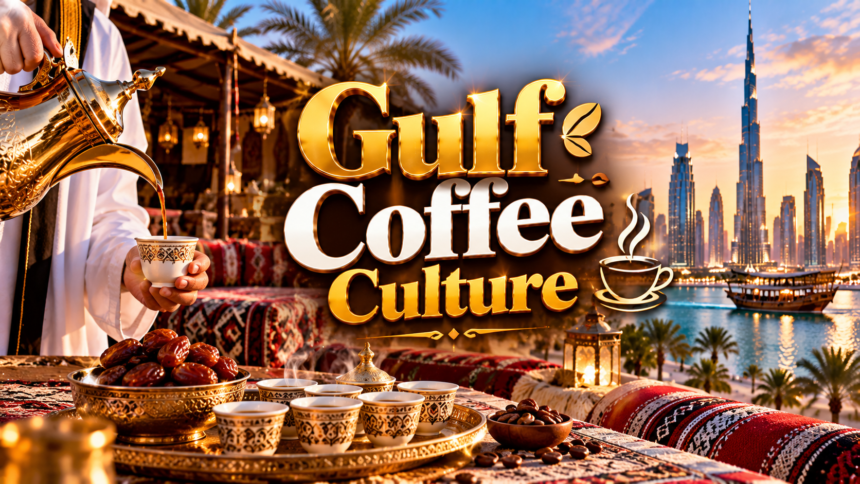
What Is Gulf Coffee Culture, and Why Is It So Important?
Gulf coffee culture is an essential part of the traditions, identity, and social life of the Arabian Gulf. More than just a popular beverage, coffee represents hospitality, generosity, respect, and meaningful human connections. Across countries such as the United Arab Emirates, Saudi Arabia, Qatar, Kuwait, Bahrain, and Oman, serving traditional Arabic coffee is a cherished custom that brings families, friends, neighbours, and visitors together. Known widely as gahwa or qahwa, Gulf coffee is traditionally prepared using lightly roasted coffee beans, water, and aromatic spices such as cardamom. Depending on local preferences, some recipes also include saffron, cloves, or other flavourings.
- How Did Gulf Coffee Culture Begin?
- What Makes Traditional Arabic Coffee Different from Other Coffees?
- Why Is Arabic Coffee a Symbol of Gulf Hospitality?
- How Is Traditional Gulf Arabic Coffee Prepared?
- What Is a Dallah, and Why Is It Important in Gulf Coffee Traditions?
- How Do Gulf People Traditionally Serve and Drink Arabic Coffee?
- Why Are Dates Commonly Served with Gulf Coffee?
- How Does Gulf Coffee Culture Differ Across the UAE, Saudi Arabia, Qatar, Oman, Bahrain, and Kuwait?
- What Is the Role of the Majlis in Gulf Coffee Culture?
- How Has Modern Lifestyle Changed Gulf Coffee Culture?
- Why Is Gulf Coffee Culture Important for Tourism?
- What Health Considerations Should People Know About Arabic Coffee?
- How Can Visitors Respect Gulf Coffee Etiquette?
- How Can Families Preserve Gulf Coffee Traditions for Future Generations?
What makes Gulf coffee culture particularly distinctive is the importance of the entire experience. Preparing the coffee, welcoming guests, presenting the traditional coffee pot, and serving small cups are all meaningful parts of the ritual. In many households, coffee is offered when guests arrive and remains available throughout a gathering. It is enjoyed during family visits, festive celebrations, business meetings, weddings, and important social occasions. This longstanding tradition reflects the values that have shaped Gulf society for generations, making Arabic coffee an important symbol of cultural heritage.

How Did Gulf Coffee Culture Begin?
The history of Gulf coffee culture is closely connected to the wider history of coffee in the Arabian Peninsula and the Indian Ocean trading world. Coffee became an important social beverage in the Middle East centuries ago, spreading through trade networks, religious communities, marketplaces, and urban coffeehouses. The Arabian Peninsula played a significant role in the development of coffee traditions, particularly through connections with Yemen and the historic port of Mocha.
As maritime trade expanded across the Gulf, coffee beans, spices, and other goods travelled between ports and communities. Coffee gradually became part of everyday social customs, especially among families, merchants, and tribal communities. In desert environments, welcoming a visitor with refreshments was an important expression of generosity, and coffee developed into one of the most recognisable ways to demonstrate that hospitality.
Over time, each Gulf society developed its own preferences for roasting, brewing, flavouring, and serving coffee. Although preparation methods vary, the central values remain similar: welcome guests warmly, offer refreshments generously, and create an atmosphere of mutual respect. Today, Gulf coffee connects contemporary lifestyles with a long history of cultural exchange, trade, and community traditions.
What Makes Traditional Arabic Coffee Different from Other Coffees?
Traditional Arabic coffee differs from espresso, cappuccino, and many Western-style coffees in its roasting technique, flavour profile, preparation method, and serving style. While many familiar coffee beverages use dark-roasted beans and milk or sugar, Gulf Arabic coffee is commonly made with lightly roasted beans and aromatic spices. The resulting drink is generally light in colour, fragrant, and less intense in bitterness than a typical dark-roasted coffee.
Traditional Gulf coffee is usually served without milk. Sugar is not generally added to the pot, although personal preferences may vary. Instead, cardamom gives the beverage its characteristic aroma, while saffron or cloves may contribute additional layers of flavour in some regional recipes.
Key characteristics of traditional Gulf Arabic coffee include:
- Light roasting: Beans are often roasted until they develop a pale golden or light brown colour.
- Aromatic spices: Cardamom is especially popular, with saffron and cloves used in some variations.
- Traditional brewing: Coffee is simmered in water, often in a dedicated pot, to extract its flavour.
- Small servings: Coffee is poured into small cups called finjan.
- Cultural significance: Serving coffee is associated with hospitality, respect, and social connection.
These characteristics make Gulf coffee more than a beverage choice. They create a distinctive cultural experience in which aroma, presentation, and shared customs are just as important as taste.
Why Is Arabic Coffee a Symbol of Gulf Hospitality?
Hospitality is one of the defining values associated with Gulf coffee culture. In many Gulf households, offering coffee to a visitor is an immediate gesture of welcome. Hosts may serve coffee alongside dates, sweets, or other traditional refreshments, creating a warm and inviting atmosphere.
This custom has roots in the historical importance of welcoming travellers and visitors in the Arabian Peninsula. In communities where journeys across deserts and between settlements could be demanding, offering food and drink was a meaningful demonstration of generosity. Coffee became closely associated with this tradition and continues to represent a host’s willingness to make guests feel comfortable.
The act of serving coffee also communicates respect. Hosts often pay attention to their guests, offer refreshments promptly, and continue serving during conversations. At formal gatherings, the person responsible for serving coffee may be an experienced family member or a designated host.
Gulf coffee hospitality is commonly expressed through several practices:
- Welcoming visitors with freshly prepared Arabic coffee.
- Serving coffee in small cups rather than large mugs.
- Offering dates or traditional sweets as accompaniments.
- Giving guests time to enjoy their refreshments and conversation.
- Following established customs that demonstrate courtesy and respect.
Although modern lifestyles have changed how people meet and socialise, the tradition of offering coffee remains a powerful expression of Gulf identity.
How Is Traditional Gulf Arabic Coffee Prepared?
Preparing traditional Gulf Arabic coffee can be a simple process, but the quality of the drink depends on the beans, roasting level, spice balance, and brewing time. Many households have their own preferred recipes, passed from one generation to the next.
The traditional method often begins with green coffee beans that are roasted in a suitable pan or roaster. Once the beans reach the desired colour, they are cooled and ground. The coffee is then simmered in water, with cardamom added either during brewing or after the coffee has been transferred to another pot. Some recipes include saffron or cloves to create a more complex aroma.
What Ingredients Are Needed for Gulf Coffee?
A basic recipe typically includes:
- Lightly roasted coffee beans, freshly ground.
- Clean drinking water.
- Crushed cardamom pods or ground cardamom.
- Optional saffron strands or a small quantity of cloves.
What Are the Main Steps in Preparing Arabic Coffee?
- Roast the beans: Lightly roast green coffee beans until they develop a pale golden or light brown colour, then allow them to cool.
- Grind the coffee: Grind the roasted beans to a suitable consistency for traditional brewing.
- Boil the water: Bring water to a boil in a pot.
- Add the coffee: Add the ground coffee and allow it to simmer gently.
- Introduce the spices: Add cardamom and any optional flavourings according to taste.
- Allow the grounds to settle: Let the brewed coffee rest briefly before pouring, or transfer it carefully into a serving pot.
- Serve warm: Pour small quantities into traditional cups and serve alongside dates if desired.
Brewing time and ingredient proportions vary between families and regions. The goal is to achieve a balanced, aromatic drink without excessive bitterness. For convenience, some modern households use ready-roasted beans, pre-ground coffee, or electric coffee makers while retaining traditional serving customs.
What Is a Dallah, and Why Is It Important in Gulf Coffee Traditions?
The dallah is the traditional Arabic coffee pot and one of the most recognisable symbols of Gulf hospitality. Its distinctive shape, curved spout, rounded body, and decorative handle make it an important part of the region’s cultural identity. Dallahs may be made from brass, copper, stainless steel, or other materials, and some feature intricate patterns inspired by traditional Arab craftsmanship.
In Gulf coffee culture, the dallah is more than a practical utensil. It represents generosity, welcome, and the preservation of heritage. Traditional coffee may be brewed in one pot and transferred to another for serving, depending on the household’s customs. The host or designated server pours the coffee into small cups, often holding the dallah in one hand and the cup in the other.
The dallah is frequently displayed in homes, cultural centres, hotels, restaurants, and heritage exhibitions throughout the Gulf. Decorative versions are also used as souvenirs and gifts, reflecting the enduring importance of coffee in regional identity.
Why does the dallah remain relevant today? It connects contemporary hospitality with traditional values. Even in modern homes equipped with coffee machines and automated brewing devices, the traditional pot continues to hold cultural significance, particularly during family gatherings and festive occasions.
How Do Gulf People Traditionally Serve and Drink Arabic Coffee?
Serving Arabic coffee follows a set of customs that vary slightly between Gulf communities. In many traditional settings, the host or server approaches guests with a dallah and a collection of small, handleless cups known as finjan. Coffee is poured in modest quantities so that guests can enjoy a warm serving and request more if they wish.
The order of serving may reflect age, social position, or the nature of the gathering. In some settings, the most senior or honoured guest is served first, while other households follow different established practices. These customs emphasise courtesy and attentiveness rather than rigid rules that apply everywhere.
One particularly recognisable tradition is the way guests indicate that they have finished drinking. In many Gulf communities, gently shaking the empty finjan from side to side signals that no more coffee is wanted. If a guest would like another serving, they may simply hold out the cup again.
Important customs associated with serving Arabic coffee include:
- Using small cups: Small servings allow coffee to be offered repeatedly throughout a gathering.
- Serving attentively: Hosts and servers remain aware of guests who may want another cup.
- Respecting elders and guests: Serving order often reflects local customs of courtesy.
- Offering coffee with dates: The combination balances aromatic coffee with natural sweetness.
- Knowing when to stop: A gentle movement of the cup can indicate that the guest has had enough.
These practices demonstrate how a simple drink can become a form of social communication. Understanding the customs helps visitors participate respectfully in Gulf gatherings.
Why Are Dates Commonly Served with Gulf Coffee?
Dates and Arabic coffee are one of the most familiar combinations in Gulf hospitality. Dates have long been important in the Arabian Peninsula because date palms thrive in the region’s climate and provide a valuable source of food. They have traditionally supported daily life, trade, agriculture, and community gatherings.
When served with coffee, dates offer natural sweetness that complements the drink’s roasted, aromatic, and sometimes slightly bitter flavour. The pairing is common in homes, majlis gatherings, hotels, cultural events, and formal receptions.
Different varieties of dates offer different textures and flavours. Some are soft and caramel-like, while others are firmer or more delicate in sweetness. Hosts may offer plain dates, stuffed dates, or other regional sweets depending on the occasion.
The combination is also practical. Small servings of coffee and dates allow guests to enjoy refreshments without interrupting conversation or requiring a formal meal. During Ramadan, dates are especially significant because they are traditionally used to break the daily fast, and coffee may be served later during evening visits and gatherings.
The pairing of dates and coffee illustrates the close relationship between Gulf food traditions and hospitality. It brings together locally important ingredients and a custom that continues to connect families and communities.
How Does Gulf Coffee Culture Differ Across the UAE, Saudi Arabia, Qatar, Oman, Bahrain, and Kuwait?
Although Arabic coffee is widely associated with the Gulf region, there is no single preparation method that represents every household. Coffee traditions vary according to local tastes, family recipes, historical influences, and the type of gathering.
How Is Arabic Coffee Enjoyed in the United Arab Emirates?
In the United Arab Emirates, Arabic coffee is closely associated with hospitality, heritage, and formal occasions. It is commonly served to guests at homes, weddings, cultural celebrations, and official receptions. Coffee and dates are frequently offered together, while the dallah remains a familiar symbol of Emirati identity.
The UAE also blends traditional customs with contemporary hospitality. Luxury hotels, restaurants, and cultural venues often present Arabic coffee as part of the visitor experience, introducing international guests to local traditions.
What Makes Saudi Arabian Coffee Traditions Distinctive?
Saudi Arabia has a rich coffee heritage that includes regional differences in roasting, preparation, and flavour. Cardamom is a familiar ingredient, while certain recipes include saffron, cloves, or other spices. The colour and intensity of coffee can vary considerably depending on the region and preparation method.
Coffee is served during family gatherings, celebrations, and formal visits. Saudi coffee traditions also have a strong connection with dates and other traditional foods, reinforcing the importance of hospitality in everyday social life.
How Is Coffee Connected to Qatari Hospitality?
In Qatar, Arabic coffee plays an important role in welcoming visitors and bringing people together. It is commonly offered during social visits, family celebrations, majlis gatherings, and official events. Coffee service is often accompanied by dates and reflects values of generosity, respect, and community.
Contemporary Qatari hospitality venues also incorporate Arabic coffee into cultural experiences, allowing visitors to learn about local traditions while enjoying a familiar regional beverage.
What Role Does Coffee Play in Omani Culture?
Oman has a distinctive coffee tradition shaped by its historical maritime connections and regional trade. Frankincense is an important part of Omani heritage, although it is not a standard ingredient in every cup of Omani coffee. Cardamom and other spices may be used depending on the recipe.
Coffee is commonly offered to guests during family visits and celebrations, often alongside dates, halwa, or other traditional refreshments. The combination highlights the relationship between hospitality, local food culture, and Oman’s historical trading heritage.
How Is Coffee Enjoyed in Bahrain and Kuwait?
In Bahrain and Kuwait, Arabic coffee remains a familiar part of social gatherings, family visits, and formal hospitality. Hosts may prepare coffee according to family preferences, with variations in spice combinations and brewing techniques.
In both countries, coffee traditions coexist with modern cafés and international coffee styles. Traditional Arabic coffee continues to hold a special place in cultural celebrations and gatherings, where it offers a connection to family customs and shared heritage.
Despite these differences, Gulf coffee traditions share a common foundation: welcoming guests, encouraging conversation, and preserving meaningful social connections.
What Is the Role of the Majlis in Gulf Coffee Culture?
The majlis is a traditional gathering space that plays an important role in social life across the Gulf. Depending on the household and occasion, it may be used to welcome visitors, hold family discussions, receive community members, celebrate important events, or conduct formal meetings.
Coffee is often central to the majlis experience. Guests may be offered Arabic coffee shortly after arriving, creating a welcoming atmosphere before conversation develops. Dates and other refreshments may also be served.
Historically, gatherings in the majlis provided opportunities to exchange news, discuss community matters, share knowledge, and strengthen relationships. The tradition continues today in both traditional and contemporary settings, including homes, dedicated reception rooms, and cultural venues.
Why does coffee matter in this environment? It helps establish a sense of welcome and creates a shared experience among people who may be meeting for the first time or reconnecting after a long period apart.
The combination of the majlis and Arabic coffee demonstrates that Gulf hospitality is not simply about offering food and drink. It is also about making time for others, listening carefully, and maintaining relationships.
How Has Modern Lifestyle Changed Gulf Coffee Culture?
Modern lifestyles have introduced new coffee habits across the Gulf, but traditional Arabic coffee remains an important part of the region’s identity. Today, residents can choose from espresso bars, specialty coffee shops, automated machines, instant beverages, and traditional home-brewed gahwa.
The growth of specialty coffee has introduced many consumers to different bean origins, roast profiles, brewing techniques, and presentation styles. Younger generations are increasingly exploring coffee as both a cultural tradition and a creative culinary experience.
At the same time, traditional coffee continues to be served during family gatherings, weddings, religious celebrations, and official events. Many households combine modern convenience with customary hospitality, using contemporary appliances to prepare coffee while retaining traditional serving practices.
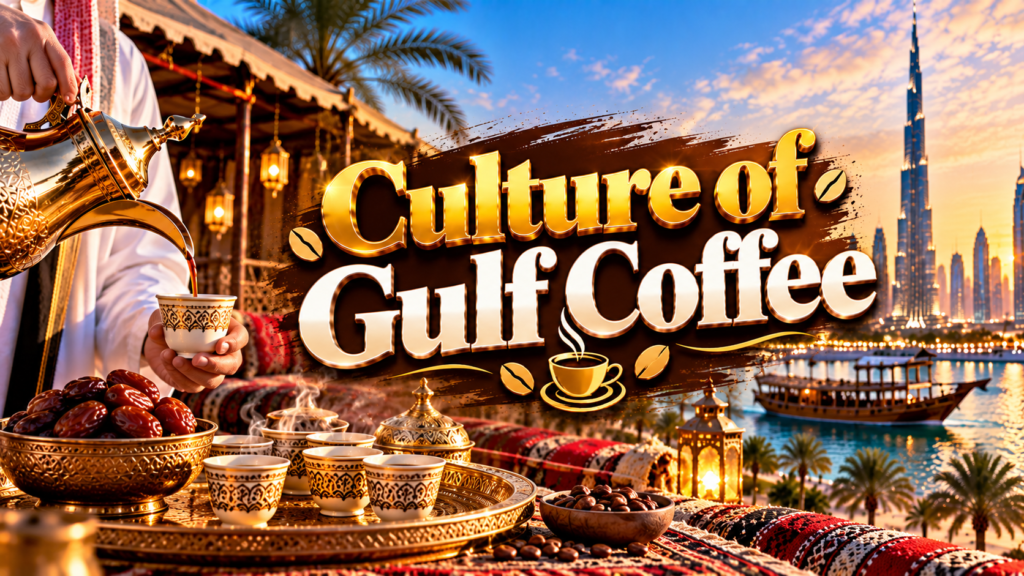
Several changes have influenced Gulf coffee culture:
- Specialty cafés: Modern coffee shops offer international brewing styles alongside regional flavours.
- Convenient preparation: Electric coffee makers and ready-ground beans reduce preparation time.
- Creative recipes: Some cafés experiment with cardamom-infused beverages, iced coffee, and contemporary presentations.
- Cultural tourism: Hotels and heritage venues introduce Arabic coffee to international visitors.
- Social media: Coffee presentation and café experiences have become popular subjects for digital content.
These developments demonstrate that cultural traditions can adapt without losing their meaning. Traditional Arabic coffee continues to represent hospitality even as consumers discover new ways to enjoy coffee.
Why Is Gulf Coffee Culture Important for Tourism?
Gulf coffee culture offers international visitors an accessible introduction to the region’s customs, food traditions, and social values. A cup of Arabic coffee can provide insight into how communities welcome guests, celebrate important occasions, and maintain connections with their heritage.
Tourism experiences throughout the Gulf may include traditional coffee service at heritage villages, museums, cultural festivals, desert camps, hotels, and local homes. Visitors can observe the use of the dallah, learn about coffee preparation, taste regional dates, and discover the etiquette associated with serving and accepting coffee.
For travellers, participating in these experiences can make a visit more meaningful. Rather than simply photographing landmarks, visitors gain an understanding of everyday cultural practices and the values behind them.
Coffee also contributes to the region’s wider culinary identity. Alongside traditional dishes, sweets, and locally important ingredients, Arabic coffee helps present Gulf heritage as a living tradition rather than something confined to historical displays.
Responsible cultural tourism should approach these customs with respect, recognising that practices differ between families and communities. Asking a host about the meaning of a particular tradition can be a valuable way to learn.
What Health Considerations Should People Know About Arabic Coffee?
Traditional Arabic coffee is generally consumed in small servings, but its caffeine content can vary according to the quantity of coffee used, bean type, brewing method, and serving size. Light roasting does not automatically mean that a coffee contains less caffeine, and recipes differ widely across households.
Because Arabic coffee is commonly served without milk or added sugar, it can be a relatively simple beverage. However, the nutritional profile changes when sugar, syrups, or sweetened accompaniments are added.
People who are sensitive to caffeine may prefer smaller servings or may choose to avoid coffee later in the day if it interferes with their sleep. Pregnant individuals and people taking medications or managing health conditions should follow relevant medical guidance regarding caffeine consumption.
It is also worth remembering that the spices used in traditional coffee primarily contribute flavour and aroma. Claims that a particular Arabic coffee recipe can cure disease, guarantee weight loss, or deliver specific medical benefits should not be accepted without reliable scientific evidence.
For most coffee drinkers, the best approach is to enjoy Arabic coffee in moderation, pay attention to personal caffeine tolerance, and appreciate it as both a beverage and a cultural tradition.
How Can Visitors Respect Gulf Coffee Etiquette?
Visitors do not need extensive cultural knowledge to enjoy Arabic coffee respectfully. A friendly attitude, appreciation for the host, and willingness to follow local guidance are usually enough.
If Arabic coffee is offered during a visit, accepting a cup can be a warm way to participate in the hospitality experience. Guests should feel comfortable asking how the coffee is prepared or how to indicate that they have finished.
Helpful etiquette tips include:
- Accept a serving graciously if you would like coffee.
- Hold the small cup carefully and allow the coffee to cool if necessary.
- Enjoy the dates or other refreshments offered with the drink.
- Observe how other guests receive and return their cups.
- Gently shake the finjan when local custom uses this gesture to indicate that no more coffee is wanted.
- Respect individual and household differences in serving practices.
It is important to recognise that customs are not identical throughout the Gulf. The host’s guidance is the best reference for understanding what is appropriate in a particular setting.
Learning a few basic customs can help visitors feel more comfortable and encourage meaningful interactions with local communities.
How Can Families Preserve Gulf Coffee Traditions for Future Generations?
Preserving Gulf coffee culture requires more than keeping traditional pots and cups on display. It involves passing down knowledge, sharing experiences, and helping younger generations understand why these customs matter.
Families can preserve coffee traditions by teaching children how beans are roasted, explaining the purpose of the dallah and finjan, and involving them in preparing refreshments for guests. Older relatives can share stories about family gatherings, regional recipes, and the role coffee played in earlier generations.
Schools, museums, cultural organisations, and heritage festivals can also support this process by documenting regional practices and offering educational activities. Such initiatives help ensure that traditional knowledge remains accessible as lifestyles change.
Practical ways to preserve Gulf coffee culture include:
- Teaching traditional preparation methods and family recipes.
- Explaining the meaning of hospitality and coffee-serving etiquette.
- Visiting cultural museums and heritage events.
- Recording family stories about coffee and social gatherings.
- Supporting local craftspeople who produce traditional coffee pots and related objects.
- Introducing visitors to Arabic coffee in respectful, informative ways.
The most effective preservation happens when traditions remain part of everyday life. By continuing to serve coffee during gatherings and celebrations, families can keep their cultural heritage meaningful and relevant.
Why Does Gulf Coffee Culture Continue to Matter Today?
Gulf coffee culture remains important because it combines a familiar daily beverage with values that have endured across generations. Arabic coffee represents hospitality, generosity, respect, and the importance of spending time with others. Whether served in a traditional majlis, a modern family home, a luxury hotel, or a cultural celebration, it continues to create opportunities for conversation and connection.
The region’s coffee traditions also reflect its historical relationships with agriculture, maritime trade, craftsmanship, and cultural exchange. From the aroma of cardamom to the graceful presentation of the dallah, every aspect of the experience can tell a story about the Gulf’s past and present.
Modern coffee trends will continue to evolve, and individual preferences will change. Yet traditional Arabic coffee is likely to remain a cherished feature of Gulf hospitality because its significance extends far beyond taste.
For residents, it offers a link to family and heritage. For visitors, it provides a meaningful introduction to local customs. For younger generations, it creates an opportunity to understand and preserve the traditions that have shaped their communities.
Ultimately, Gulf coffee culture is about people as much as coffee. It reminds us that a simple cup, offered with sincerity, can express welcome, strengthen relationships, and preserve a sense of belonging across generations.
Do follow us on Instagram
Read More – World’s Best Coffee Cities