Where People Buy and Sell Second-Hand Luxury in Dubai
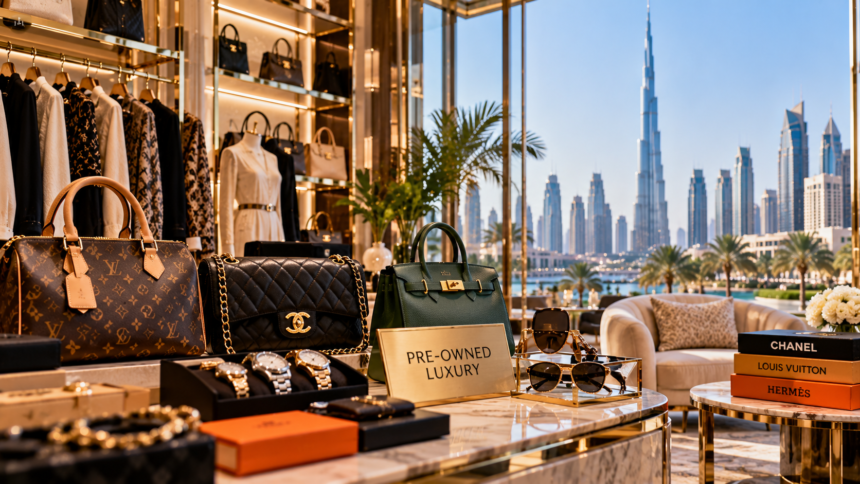
Second-hand luxury in Dubai is changing how residents and fashion enthusiasts shop for designer clothing, handbags, watches and accessories. In a city traditionally associated with glamorous shopping malls, exclusive boutiques and newly released designer collections, pre-owned luxury fashion is becoming an increasingly attractive alternative.
- Why Second-Hand Luxury in Dubai Is Becoming More Popular
- 7 Major Reasons Behind the Growth of Pre-Owned Luxury Fashion
- Designer Handbags, Watches and Fashion Items Driving Demand
- Where People Buy and Sell Second-Hand Luxury in Dubai
- How to Buy Authentic Pre-Owned Luxury Fashion Safely
- The Role of Sustainability and Circular Fashion in Dubai
- What the Future Holds for Second-Hand Luxury in Dubai
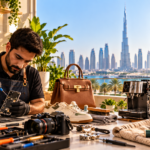
Shoppers are discovering that luxury does not always need to come directly from a brand’s latest collection. A carefully maintained Chanel handbag, a classic Louis Vuitton accessory or a discontinued designer jacket can offer craftsmanship, individuality and style at a different price from a comparable new product.
The growing popularity of pre-loved fashion also reflects changing consumer priorities. Some shoppers want better value, while others are interested in sustainability, vintage collections or designer pieces that are difficult to find in conventional stores.
Dubai’s international population and active luxury shopping culture have helped create an environment where designer items frequently enter the resale market. Fashion-conscious residents may refresh their wardrobes regularly, creating opportunities for other buyers to purchase items in excellent condition.
The UAE’s resale industry is also becoming more professional. Specialist boutiques, authenticated marketplaces and online resale platforms are providing structured ways for customers to buy and sell designer goods.
According to fashion coverage published in June 2026, the country’s second-hand shopping scene has moved beyond a small niche, with customers increasingly prioritising quality, longevity and value.
However, buying pre-owned luxury also requires careful attention to authenticity, product condition, pricing and seller reliability.
This guide explores why second-hand luxury fashion is gaining attention in Dubai, which products attract buyers, how the resale market operates and what shoppers should know before making a purchase.
Why Second-Hand Luxury in Dubai Is Becoming More Popular
Dubai has one of the region’s most visible luxury shopping cultures. International designer brands, premium shopping destinations and high-end fashion boutiques attract residents and visitors interested in quality products and contemporary trends.
Traditionally, purchasing a luxury item was closely associated with visiting an official boutique and selecting something new.
Today, the experience is changing as more consumers explore previously owned designer products.
Changing Attitudes Towards Pre-Owned Fashion
Second-hand clothing was once commonly associated with affordability or budget-conscious shopping.
However, pre-owned luxury has developed a different identity.
Many customers now view it as a way to access distinctive products, discover discontinued collections and make more considered fashion purchases.
A handbag that is no longer available through an official boutique may remain desirable because of its design, craftsmanship or association with a particular fashion period.
For these shoppers, previous ownership is not necessarily a disadvantage.
Better Access to Designer Fashion
Luxury retail prices can be substantial, particularly for handbags, jewellery and premium accessories.
The resale market offers an alternative entry point for buyers who appreciate designer products but do not necessarily want to pay the full retail price.
Some items may be available at significant discounts, depending on their age, condition and popularity.
However, highly sought-after pieces can command prices close to or even above their original retail prices.
Dubai’s International Fashion Community
Dubai is home to people from different countries, bringing a wide variety of fashion preferences and shopping habits.
Residents may sell designer pieces when relocating, changing their personal style or reducing the size of their wardrobes.
This creates a continuous movement of luxury products between owners.
The city’s established shopping infrastructure and strong interest in international fashion brands also support resale activity.
Why Shoppers Choose Pre-Owned Luxury
| Main Reason | Benefit for Buyers |
|---|---|
| Lower purchase prices | Access to selected designer items at reduced prices |
| Rare collections | Opportunity to find discontinued products |
| Sustainability | Extending the useful life of existing items |
| Personal style | Discovering distinctive designs |
| Product quality | Access to established luxury craftsmanship |
| Resale flexibility | Possibility of selling an item later |
| Wider selection | Products from different fashion seasons |
These motivations show that pre-owned luxury shopping is not driven by price alone.
7 Major Reasons Behind the Growth of Pre-Owned Luxury Fashion
Several trends are contributing to the growing interest in second-hand luxury in Dubai.
Together, they are changing consumer expectations and encouraging resale businesses to offer more professional services.
1. Luxury Fashion Is Becoming More Accessible
One of the strongest attractions of pre-owned designer fashion is the possibility of paying less than the current retail price.
Shoppers can compare items from different collections, conditions and price ranges.
For example, a customer interested in a designer handbag may find older models offered at a lower price than comparable new products.
This creates opportunities to explore premium fashion without automatically choosing the most expensive retail option.
However, buyers should compare the actual condition and specifications rather than relying only on an advertised discount percentage.
2. Younger Consumers Are Embracing Resale
Younger fashion enthusiasts are increasingly comfortable discovering designer pieces through digital platforms.
Online shopping has made it easier to browse large collections, compare prices and examine products without visiting multiple stores.
Social media also contributes to awareness by introducing consumers to vintage fashion, styling ideas and second-hand shopping experiences.
For some buyers, finding a unique pre-owned piece can be more appealing than purchasing an item widely available in stores.
3. Sustainability Is Influencing Shopping Decisions
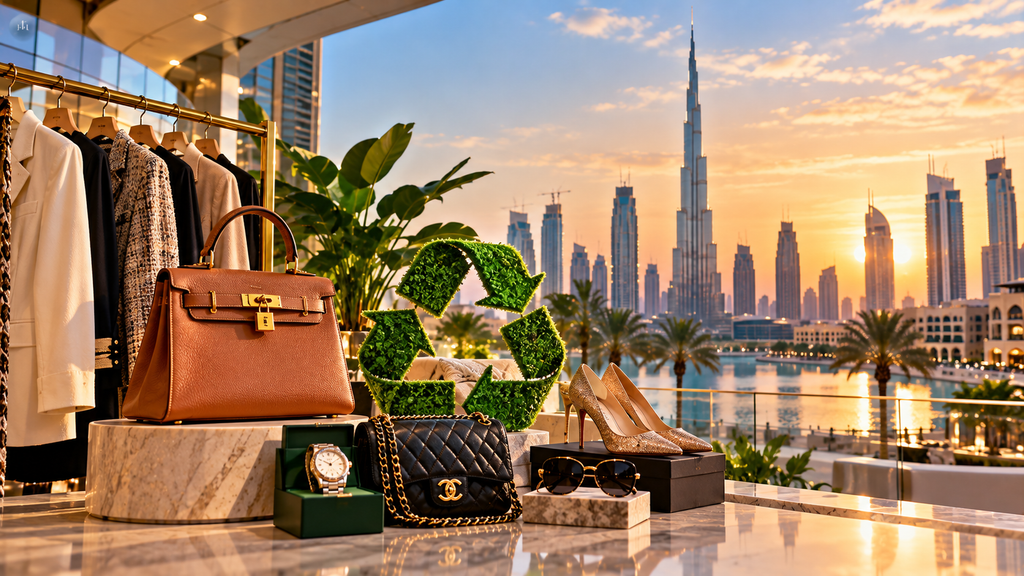
Fashion production requires materials, energy, water and transportation.
Extending the useful life of existing products can reduce demand for new manufacturing in some circumstances.
Pre-owned luxury shopping forms part of a broader circular-fashion approach that encourages reuse, repair and resale.
However, purchasing second-hand products is not automatically environmentally neutral.
Shipping, packaging, cleaning and repeated purchasing still create environmental impacts.
The greatest potential benefit generally comes from using products for longer and avoiding unnecessary consumption.
4. Rare and Discontinued Designs Are Attractive
Luxury brands regularly introduce new collections and discontinue older styles.
As a result, some designs become difficult to purchase through official retail channels.
The resale market allows buyers to search for older collections, limited releases and vintage products.
These pieces may appeal to collectors or people seeking a distinctive personal style.
5. Authentication Services Are Improving Confidence
Counterfeit designer goods are a major concern in luxury resale.
Professional sellers increasingly use authentication procedures, detailed condition reports and supporting documentation to reassure buyers.
These services may involve examining materials, stitching, construction, identifying details and other product characteristics.
However, no authentication process should be assumed to be infallible.
Buyers should understand the provider’s methods and the remedies available if an item is subsequently found to be inauthentic.
6. Selling Designer Items Has Become Easier
Resale marketplaces allow owners to list products, request valuations or use consignment services.
Instead of storing unused handbags or accessories indefinitely, owners may choose to recover part of their original expenditure.
This creates an ongoing supply of products for the second-hand market.
7. Luxury Resale Has Become a Lifestyle Choice
Some consumers enjoy combining new and pre-owned fashion.
A contemporary outfit may include a vintage designer handbag, while a classic accessory can complement newer clothing.
This approach reflects a shift towards individual styling rather than purchasing every product from the latest collection.
Designer Handbags, Watches and Fashion Items Driving Demand
Not every luxury category performs equally in the resale market.
Some products attract interest because of brand recognition, while others appeal through practicality, craftsmanship or rarity.
Designer Handbags
Handbags are among the most visible products in luxury resale.
Brands such as Louis Vuitton, Chanel, Hermès, Gucci, Dior and Prada have extensive product histories, creating a wide selection of styles across different periods.
Classic designs may remain attractive because they can be used with changing fashion trends.
However, condition, colour, size, materials and authenticity can significantly affect pricing.
Luxury Watches
Pre-owned watches attract buyers interested in engineering, heritage and distinctive design.
Some buyers focus on well-known luxury manufacturers, while others explore discontinued references or unusual models.
Watch authentication can be particularly complex because components may have been replaced or modified during servicing.
Buyers should review serial information, maintenance history and the condition of important mechanical components.
Designer Clothing and Footwear
Pre-owned clothing provides opportunities to purchase premium coats, dresses, jackets and other garments.
However, sizing and condition require careful attention.
Clothing may have been altered, while shoes can show wear that is difficult to restore.
For these categories, accurate measurements and detailed photographs are particularly important.
Luxury Product Comparison
| Product Category | Main Attraction | Important Buying Check |
|---|---|---|
| Designer Handbags | Recognisable styles and craftsmanship | Authenticity and condition |
| Luxury Watches | Engineering and collectability | Service history and components |
| Designer Clothing | Access to previous collections | Size, alterations and fabric |
| Luxury Shoes | Premium design | Sole wear and fit |
| Jewellery | Materials and craftsmanship | Hallmarks and gemstone details |
| Accessories | Entry into designer fashion | Condition and completeness |
Which Products May Retain Value?
Certain limited-production or highly desirable items may retain substantial resale value.
However, luxury products are not automatically reliable financial investments.
Market preferences change, and resale proceeds can be reduced by commissions, servicing costs and selling fees.
Buyers should primarily select products they genuinely want to use rather than assuming future appreciation.
Where People Buy and Sell Second-Hand Luxury in Dubai
Dubai’s resale landscape includes specialist boutiques, digital marketplaces and businesses combining online and in-person shopping.
These different models offer varying levels of convenience, product selection and seller involvement.
Specialist Luxury Resale Boutiques
Physical resale boutiques allow customers to examine products before purchasing.
Visitors can inspect materials, compare sizes and ask questions about product history.
Established names in the UAE resale sector include The Luxury Closet and Garderobe, alongside newer specialist businesses.
The Luxury Closet has developed a recognised presence in Dubai’s resale market, while Garderobe is associated with curated designer fashion and accessories.
Other operators focus on particular categories, such as handbags, watches or rare luxury products.
Online Luxury Marketplaces
Digital platforms offer broader browsing opportunities.
Customers can search by brand, model, colour, condition and price.
Businesses such as Gemaee, Libas Collective and other UAE-focused resale platforms illustrate the growing range of online shopping options.
However, authentication arrangements differ by provider.
Some platforms may authenticate items before listing, while others offer additional verification services or rely on different seller arrangements.
Customers should review these details individually.
Consignment Services
Consignment allows an owner to provide an item to a resale business that markets it on their behalf.
The business generally receives a commission when the item sells.
This approach may be convenient for sellers who do not want to handle photography, customer communication or shipping independently.
Peer-to-Peer Resale
Some individuals sell directly through classified platforms, social media or community groups.
Direct transactions may offer pricing flexibility, but they can involve greater responsibility for identity verification, product authentication and payment security.
Buyers should exercise particular caution when dealing with unknown individuals.
Different Resale Shopping Models
| Shopping Method | Main Advantage | Possible Limitation |
|---|---|---|
| Physical Boutique | Inspect items personally | Limited in-store selection |
| Online Marketplace | Wider product availability | Cannot always inspect before payment |
| Consignment Store | Professionally managed selling | Commission charges |
| Direct Seller | Flexible negotiation | Greater fraud exposure |
| Specialist Dealer | Category expertise | Pricing may include service premium |
The most suitable option depends on the product’s value, the buyer’s experience and the level of verification required.
How to Buy Authentic Pre-Owned Luxury Fashion Safely
Authentication is one of the most important considerations when purchasing second-hand luxury goods.
Counterfeit products can closely resemble genuine designs, making visual identification difficult for inexperienced buyers.
Understand the Authentication Process
Before purchasing an expensive item, ask the seller how authenticity is assessed.
Different businesses use specialist employees, external experts, technological tools or combinations of these methods.
Authentication may examine construction details, materials, hardware, stitching and other product-specific features.
However, packaging, receipts and serial numbers alone do not guarantee authenticity because these elements can also be copied.
Inspect Product Condition
Even genuine luxury goods can have defects that affect their usefulness and value.
For handbags, examine handles, corners, linings, zippers and hardware.
For watches, check the case, bracelet, movement and servicing records.
For clothing, look for stains, repairs, alterations and damage to delicate fabrics.
Luxury Condition Guide
| Condition | General Description |
|---|---|
| Unused | No apparent wear, subject to verification |
| Excellent | Very limited visible use |
| Very Good | Minor signs of normal wear |
| Good | Noticeable use but generally functional |
| Fair | Significant wear or possible repair needs |
Condition labels are not standardised across every resale platform.
Always review photographs and written descriptions rather than relying on the label alone.
Check Return and Refund Policies
Luxury resale products may be subject to different conditions from newly purchased items.
Before paying, confirm whether returns are accepted and how disputes about authenticity or undisclosed defects are handled.
Ask whether any authentication guarantee applies and what evidence is required to make a claim.
Buyer Safety Checklist
- Research the seller’s business reputation.
- Confirm the authentication process.
- Review detailed product photographs.
- Check signs of wear and previous repairs.
- Compare prices with similar items.
- Confirm shipping and insurance arrangements.
- Understand return conditions.
- Use secure payment methods.
- Retain invoices and correspondence.
- Request independent authentication when appropriate.
Watch for Suspicious Offers
A popular designer product offered at an unusually low price may require additional scrutiny.
Be cautious of sellers who refuse reasonable verification requests, pressure customers into immediate payment or insist on transferring money to unrelated personal accounts.
A trustworthy buying process should allow customers to understand what they are purchasing.
The Role of Sustainability and Circular Fashion in Dubai
The popularity of pre-owned luxury is connected to a broader conversation about how clothing and accessories are produced, used and discarded.
Circular fashion encourages products to remain in use through resale, repair, reuse and recycling.
Why Product Longevity Matters
Luxury goods are often designed with durable materials and careful construction.
When maintained properly, certain handbags, watches and accessories may remain functional for many years.
Reselling these products allows another person to continue using them instead of leaving them unused in storage.
However, durability varies significantly between items, materials and manufacturing methods.
Textile Waste in the UAE
The UAE has increased its focus on textile circularity.
In 2026, the country introduced the Naseej National Initiative for Textile Circularity, responding to concerns about the volume of clothing and textiles discarded.
Official reporting has referred to approximately 220,000 tonnes of textile waste generated annually in the UAE.
Although luxury fashion represents only one segment of the wider clothing market, resale can contribute to broader discussions about resource efficiency.
Circular Fashion in Practice
| Fashion Habit | Circular Alternative |
|---|---|
| Replacing a usable handbag | Maintain or repair it |
| Discarding unwanted clothing | Resell or donate suitable items |
| Buying for a single occasion | Consider rental or reuse |
| Following every trend | Choose versatile designs |
| Storing unused accessories | Explore responsible resale |
| Disposing of repairable products | Use qualified repair services |
Sustainability Requires Thoughtful Consumption
Buying second-hand is not automatically sustainable if it encourages frequent unnecessary purchases.
A consumer who purchases numerous pre-owned items and rarely uses them may still contribute to environmental impacts.
The more responsible approach involves considering whether a product is needed, how often it will be used and how it will be maintained.
For luxury fashion shoppers, purchasing fewer products and using them for longer may offer more meaningful benefits than simply switching from new to pre-owned items.
What the Future Holds for Second-Hand Luxury in Dubai
Dubai’s resale sector is becoming more sophisticated as shoppers develop greater expectations around product information, service quality and authenticity.
The next stage of development may involve stronger digital services, more specialised retailers and closer connections between conventional luxury shopping and resale.
Authentication Will Remain Essential
As the market expands, trust will become increasingly important.
Buyers purchasing expensive items need confidence in product descriptions and authenticity assessments.
Resale businesses that clearly explain their verification methods and offer appropriate customer protections may be better positioned to build long-term relationships.
Greater Interest in Vintage Fashion
Vintage products offer an alternative to designs currently available through luxury boutiques.
Some customers appreciate the history and distinctive craftsmanship associated with older collections.
However, genuinely vintage items may require additional care because materials and components can deteriorate over time.
More Opportunities for Sellers
Consignment services and digital marketplaces may make it easier for owners to sell unused designer items.
Sellers will increasingly need accurate product descriptions, clear photographs and realistic price expectations.
The ability to establish provenance and maintain original documentation can also support buyer confidence.
Challenges Facing the Market
Despite growing interest, luxury resale businesses face several operational challenges.
These include counterfeit products, inconsistent condition descriptions, changing fashion trends and disagreements about resale values.
High-value transactions may also require more sophisticated payment security and logistics arrangements.
Key Trends to Watch
| Trend | Potential Development |
|---|---|
| Professional Authentication | Greater emphasis on verification |
| Online Resale | Improved digital shopping experiences |
| Vintage Fashion | Interest in discontinued designs |
| Consignment | More convenient selling services |
| Circular Fashion | Increased attention to product longevity |
| Specialist Boutiques | Category-focused luxury resale |
| Price Transparency | Better comparison and condition reporting |
Frequently Asked Questions
Is second-hand luxury popular in Dubai?
Interest is growing, supported by specialist resale businesses, online marketplaces and changing attitudes towards pre-owned designer products.
Are pre-owned luxury products cheaper?
Many are available below comparable new retail prices. However, rare or highly desirable products may sell at premiums.
How can I verify a second-hand designer handbag?
Use a reputable seller with a clear authentication process, examine product documentation and consider independent expert verification for expensive purchases.
Where can I sell luxury handbags in Dubai?
Options include specialist resale boutiques, consignment businesses and online luxury marketplaces. Sellers should compare fees, payment terms and authentication requirements.
Are second-hand luxury bags good investments?
Some products may retain value, but resale prices are unpredictable. Luxury accessories should not be treated as guaranteed financial investments.
Is buying second-hand luxury environmentally friendly?
Extending product use can support circular consumption, particularly when it replaces unnecessary new purchases. Environmental outcomes also depend on shipping, maintenance and buying habits.
Final Thoughts on Second-Hand Luxury in Dubai
The rise of second-hand luxury in Dubai reflects a wider transformation in how consumers understand fashion, value and personal style.
Pre-owned designer products are no longer viewed exclusively as budget alternatives. They are increasingly associated with individuality, craftsmanship, sustainability and access to rare collections.
Dubai’s international population, established luxury shopping culture and expanding resale businesses have helped create a market where designer products can move between owners.
For buyers, the main advantages include greater choice and the possibility of finding quality items at more accessible prices.
For sellers, professional resale services provide opportunities to recover value from products they no longer use.
However, authenticity, condition and seller reliability remain essential considerations.
Consumers should carefully compare products, understand return policies and avoid assuming that every luxury item will retain its original value.
As awareness of circular fashion continues to develop, the UAE’s resale sector may become an increasingly established part of the broader luxury retail industry.
Ultimately, second-hand luxury in Dubai demonstrates that fashionable living does not always depend on purchasing something new. Sometimes, the most distinctive addition to a wardrobe is a carefully chosen piece with a previous story and many more years of use ahead.
Editorial Note: This article reflects UAE luxury resale developments reported through October 2026. Prices, seller services, authentication procedures and product availability may change. Buyers should independently verify authenticity and transaction conditions before purchasing.
Do follow us on Instagram
Read More – Royal Bahrain Concours 2026: 60 Rare Collector Cars to Go on Display