The Stories Behind Famous Landmarks Across the Gulf
Introduction
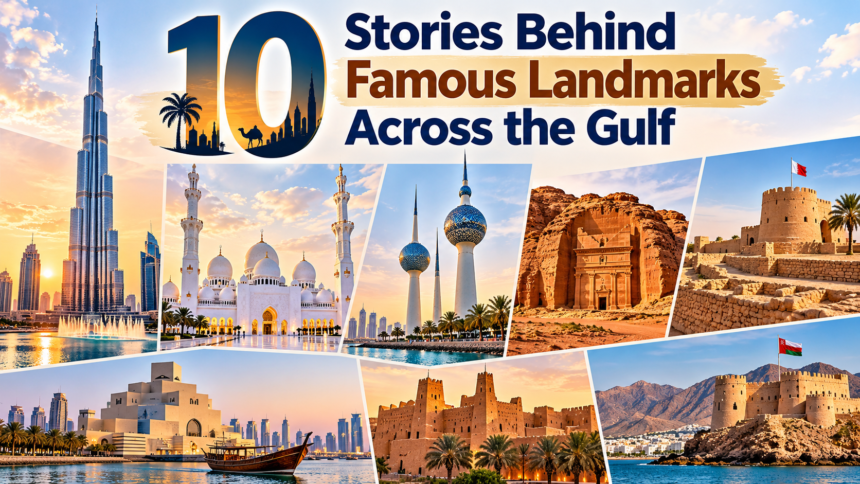
The Gulf region is known for its modern cities, beautiful coastlines, luxury hotels, and impressive skyscrapers. However, behind these famous sights are stories that reveal the history, culture, traditions, and dreams of the people who live there. From ancient forts and traditional markets to world-famous towers and grand mosques, the landmarks across the Gulf tell the story of a region that has changed greatly while keeping its cultural roots alive.
- Introduction
- 1. Burj Khalifa, Dubai, United Arab Emirates
- 2. Sheikh Zayed Grand Mosque, Abu Dhabi, United Arab Emirates
- 3. Kuwait Towers, Kuwait City, Kuwait
- 4. Bahrain Fort, Bahrain
- 5. Museum of Islamic Art, Doha, Qatar
- 6. Al Zubarah Archaeological Site, Qatar
- 7. Diriyah and At-Turaif, Saudi Arabia
- 8. Hegra, Saudi Arabia
- 9. Sultan Qaboos Grand Mosque, Muscat, Oman
- 10. Nizwa Fort, Oman
- Conclusion: Discover the Stories Behind Gulf Landmarks
- Frequently Asked Questions (FAQs)
The Gulf Cooperation Council (GCC) includes six countries: the United Arab Emirates, Saudi Arabia, Qatar, Kuwait, Bahrain, and Oman. Each country has its own identity, history, and special places. Some landmarks remind visitors of the days when pearl diving, fishing, and sea trade supported local communities. Others represent modern development, religious values, national pride, and the region’s growing place in the world.
For example, the Burj Khalifa shows Dubai’s ambition to reach new heights, while the Kuwait Towers reflect the country’s modern identity. Bahrain Fort takes visitors back to ancient trading communities, and the Museum of Islamic Art in Doha celebrates centuries of art and knowledge.
In this guide, we explore the stories behind famous landmarks across the Gulf, explaining what makes each place special and why it matters to local people and visitors. Whether you enjoy history, architecture, culture, or travel, these landmarks offer a deeper understanding of life in the Gulf.
1. Burj Khalifa, Dubai, United Arab Emirates
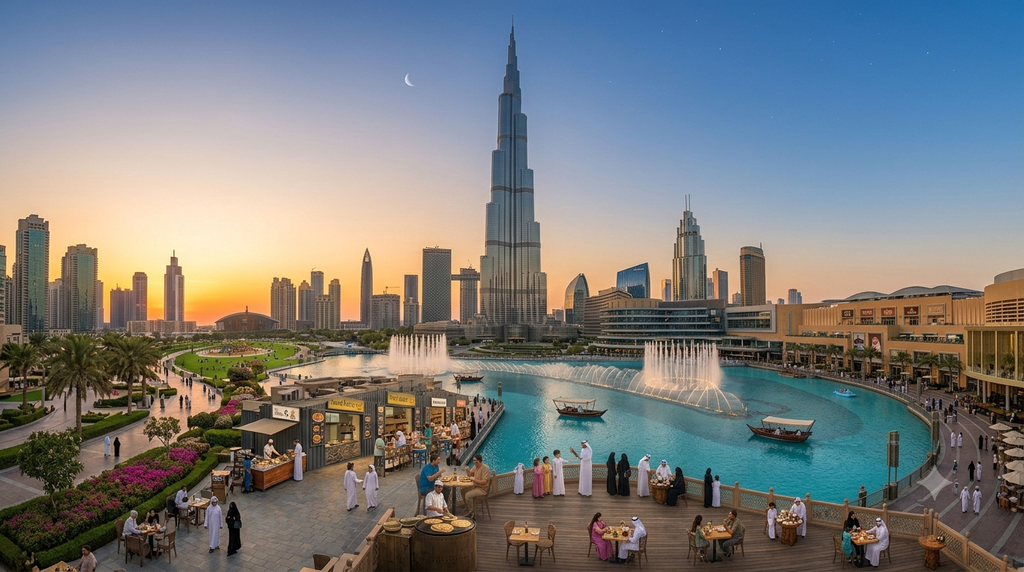
The Burj Khalifa is one of the most recognised landmarks in the world. Standing in the heart of Downtown Dubai, this towering building has become a symbol of the city’s growth, ambition, and modern lifestyle.
Before Dubai became a major international destination, its economy was closely connected to fishing, pearl diving, sea trade, and regional business. Over time, the city developed new industries, including tourism, finance, transport, real estate, and technology. The Burj Khalifa represents this transformation and the desire to create something that would attract worldwide attention.
Opened in 2010, the building reaches a height of 828 metres and remains famous for its record-breaking design. Its shape was influenced by the geometry of a desert flower and elements found in Islamic architecture. The building includes homes, offices, hotels, restaurants, and observation areas that offer wide views of Dubai.
One of the most interesting parts of the Burj Khalifa story is how it changed the image of the city. It became more than a building; it became a sign of what Dubai wanted to achieve. Its presence helped make the surrounding Downtown area a major centre for visitors, shopping, entertainment, and business.
Today, people visit the Burj Khalifa to enjoy the views, take photographs, and experience one of the Gulf’s most famous modern attractions. For many, it represents the region’s ability to combine ambitious engineering with a strong vision for the future.
Structural System
In addition to its aesthetic and functional advantages, the spiralling Y-shaped plan was utilised to shape the structural core of Burj Khalifa. This Y-shaped design helps to reduce the wind forces on the tower, as well as to keep the structure simple and foster constructability. Burj Khalifa’s structural design and system can be described as a buttressed core. This structural system allows for a dramatic increase in height. The structural system consists of a three-winged structure anchored to a strong hexagonal central core. Each wing is buttressed to the other to provide a highly stable system.
Key Facts and Records:
- Height: 828 meters (2,717 ft) to the architectural top, 829.8 meters to the tip.
- Floors: 163 levels above ground (plus subterranean floors).
- Design Inspiration: Shaped with a Y-floor plan inspired by the Hymenocallis desert flower.
- World Records: Tallest building, highest occupied floor, and longest-distance service elevators.
2. Sheikh Zayed Grand Mosque, Abu Dhabi, United Arab Emirates
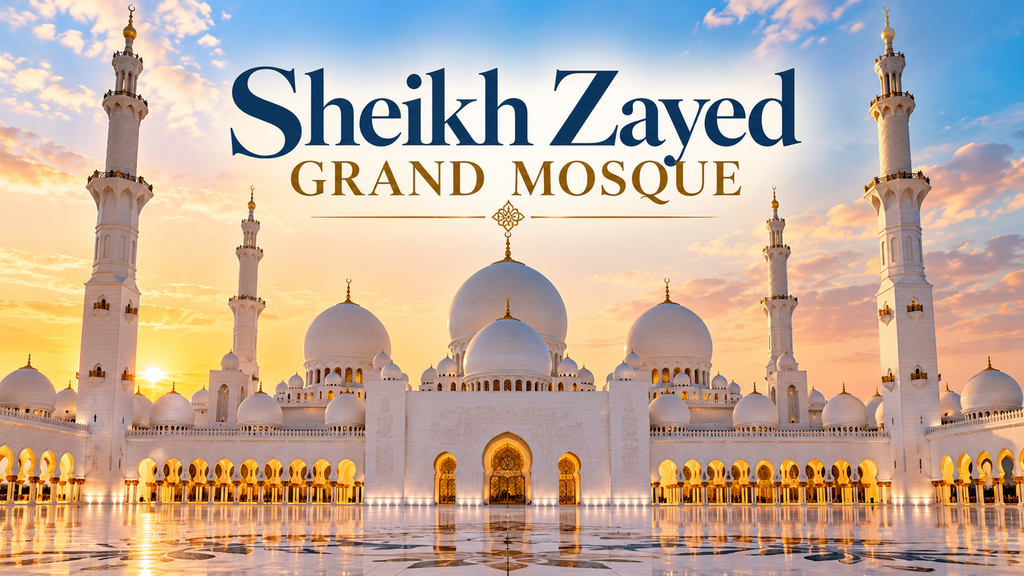
The Sheikh Zayed Grand Mosque is one of Abu Dhabi’s most important religious and cultural landmarks. Its bright white domes, tall minarets, detailed decorations, and peaceful surroundings make it a remarkable example of Islamic architecture.
The mosque was named after Sheikh Zayed bin Sultan Al Nahyan, the founding president of the United Arab Emirates. His vision included building a mosque that would reflect Islamic values, welcome worshippers, and serve as a place where people could learn about the country’s religious and cultural heritage. Construction began in 1996 and it officially opened in 2007.
The mosque combines design influences from different Islamic architectural traditions. White marble, geometric patterns, floral designs, calligraphy, and carefully planned courtyards give the building its distinctive appearance. Its large prayer halls and beautiful interior details show the level of skill involved in its construction.
The story behind the mosque is not only about its size or beauty. It is also about faith, unity, hospitality, and cultural understanding. Visitors from different backgrounds can learn about Islamic traditions and the role of the mosque in Muslim life.
The mosque is also a place of worship, so visitors should respect its religious purpose. Modest clothing and appropriate behaviour are important, and people should check the official visitor guidance before arriving.
For travellers exploring Abu Dhabi, the Sheikh Zayed Grand Mosque offers an opportunity to appreciate the spiritual and cultural side of the UAE, beyond its modern skyline and luxury attractions.
The Grand Mosque has been a significant destination for visiting foreign leaders during official state visits to the UAE. Notable visitors include Elizabeth, the then US Vice President Joe Biden, Australian Prime Minister Anthony Albanese and Indian Prime Minister Narendra Modi.
Important Additional Points About Sheikh Zayed Grand Mosque
- Sheikh Zayed bin Sultan Al Nahyan was born in Abu Dhabi in 1918 at Qasr al-Hosn and passed away in 2004.
- In 1946, he became the representative of Abu Dhabi’s Ruler in the Eastern Region.
- He became the Ruler of Abu Dhabi in August 1966, beginning a new period of development and progress.
- Sheikh Zayed played a leading role in uniting the seven emirates to establish the UAE on 2 December 1971.
- The mosque’s initial planning began in the late 1980s, and construction started on 5 November 1996.
- The mosque can accommodate approximately 50,000 people.
- Its inner prayer halls first opened for Eid Al Adha worship in 2007.
- More than 3,000 workers and 38 contracting companies contributed to its construction.
- The mosque’s design brought together international artisans, craftsmen, and materials from several countries, reflecting its vision of cultural unity.
- Natural materials used in its construction include marble, stone, gold, semi-precious stones, crystals, and ceramics.
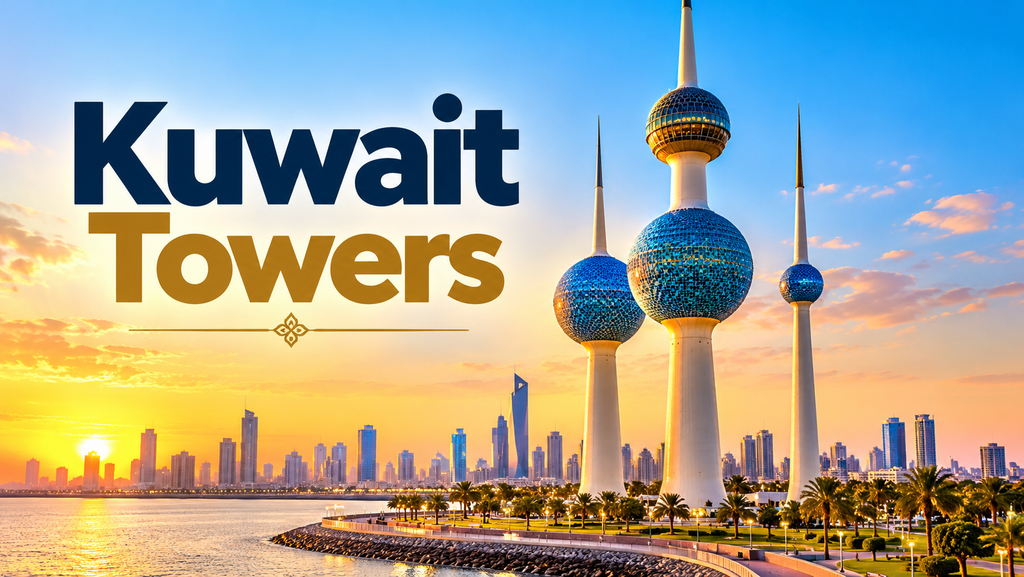
3. Kuwait Towers, Kuwait City, Kuwait
The Kuwait Towers are among the most recognisable landmarks in Kuwait. Their round blue-green spheres and unusual design make them stand out along the Arabian Gulf waterfront.
The towers opened in 1979 and became a symbol of Kuwait’s development during a period when the country was investing in modern infrastructure. Although they are often photographed as a tourist attraction, their original purpose was practical as well as visual. They form part of Kuwait’s water storage and distribution system.
The main tower contains an observation area and dining facilities, while another tower stores water. Their design combines everyday engineering with a distinctive architectural style. Instead of hiding essential infrastructure, the towers turned it into something that became part of the country’s identity.
The story of the Kuwait Towers reflects an important idea: a landmark does not always need to be an ancient building or a royal palace. Modern structures can also become meaningful when they serve the public and represent a country’s progress.
The towers also offer a connection to the sea. Kuwait has a long maritime history shaped by fishing, trade, boat building, and pearl diving. Their waterfront location reminds visitors of the relationship between the country and the Arabian Gulf.
For residents, the Kuwait Towers are a familiar part of the cityscape. For visitors, they provide a useful starting point for discovering Kuwait City’s waterfront, nearby attractions, and local history.
Design and construction
Kuwait towers were built in March 1979 and comprises of an area of 38,000 m² with two major towers and a minor tower. The height of main tower is 187 meters (614 ft) and consists of the Ground Floor, Main Sphere and the Viewing Sphere.
The main tower is also home to Kuwait Towers’ signature restaurants, cafés and reception halls; the lower sphere holds in its upper half a restaurant for 90 persons and in its bottom half a water tank of 4,500 cubic meters.
Rising to 123 meters above the sea level, the viewing sphere completes a 360° turn every 30 minutes so that visitors can experience a panoramic view of Kuwait City, its fascinating vicinities and the tranquil blue waters of the Arabian Gulf within a glass enclosed pavilion. The Viewing Sphere’s revolving platform provides an empowering view of Kuwait city, along with extra amenities like a quick snack cafeteria and a souvenir store.
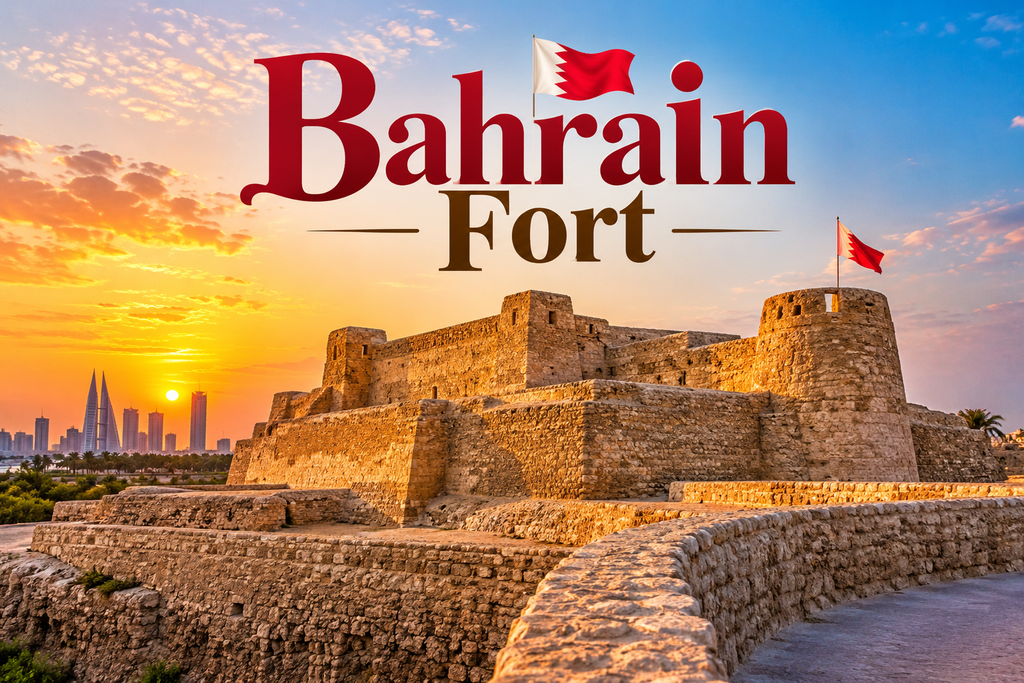
4. Bahrain Fort, Bahrain
Bahrain Fort, also known as Qal’at al-Bahrain, is one of the region’s most important historical sites. Unlike modern towers, its story stretches back thousands of years and offers evidence of ancient communities, trade, and settlement.
The site is closely connected with Dilmun, an ancient civilisation that played an important role in trade between Mesopotamia and other parts of the region. Archaeological discoveries show that Bahrain was not simply an isolated island. It was connected to wider networks of merchants, sailors, and communities.
Over many centuries, different settlements were built at the site. The remains include layers of human activity, structures, and a fortification that reflects later periods of history. This makes Bahrain Fort valuable because it allows researchers and visitors to explore how life changed over time.
The fort was recognised as a UNESCO World Heritage Site in 2005. Its location near the sea is also significant because maritime trade helped shape Bahrain’s history and development.
Visitors can walk around the archaeological area and imagine the people who lived and worked there long before modern cities appeared. The site offers a different experience from visiting a shopping centre or skyscraper. Instead of focusing on the future, it invites people to think about the distant past.
Bahrain Fort is an important reminder that the Gulf has a long and complex history. The region’s cultural story did not begin with oil or modern development; it reaches back to ancient communities that traded, built settlements, and connected different parts of the world.
Key Facts:
- The Mound (Tell): It is built on a 12-meter-high artificial tell (mound) that contains seven stratified layers of human occupation spanning from around 2300 BCE up to the 18th century.
- Dilmun Civilization: The site served as the ancient capital, primary harbor, and religious center of the prosperous Dilmun civilization, linking trade between Mesopotamia, the Indus Valley, and the Gulf.
- The Portuguese Fort: The prominent stone castle sitting at the top of the mound was built in the 16th century by the Portuguese (who called it Qalʿat al-Burtughal).
- Occupants & Influences: Over the millennia, the site saw rule and influence from the Dilmunites, Kassites, Greeks, Portuguese, and Persians.
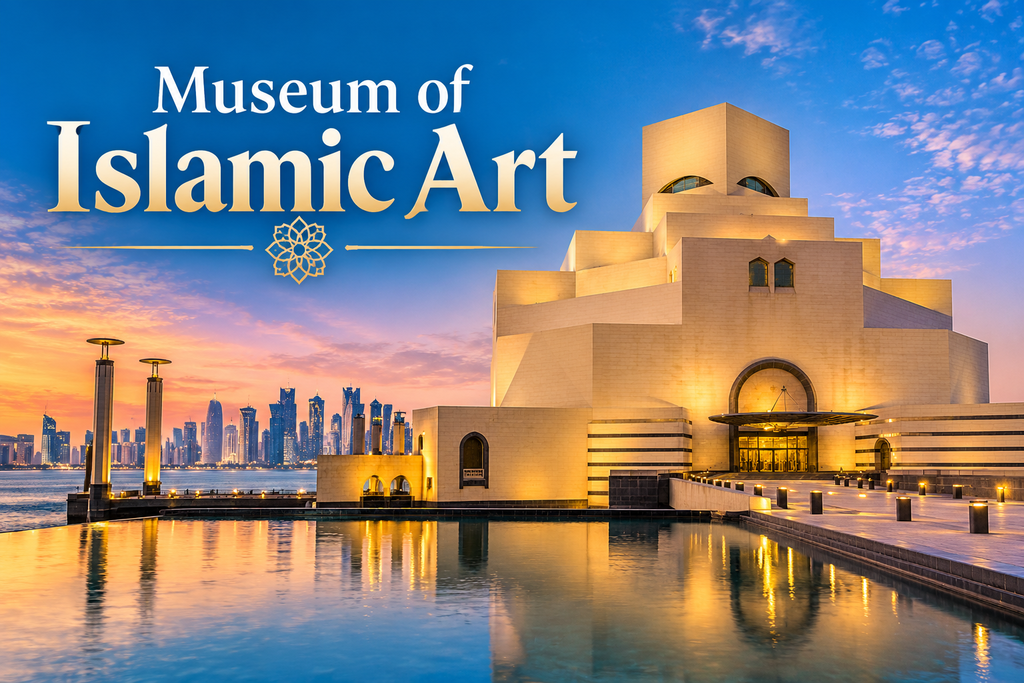
5. Museum of Islamic Art, Doha, Qatar
The Museum of Islamic Art in Doha is one of Qatar’s best-known cultural landmarks. Located beside the waterfront, the museum combines modern architecture with a collection that explores the artistic achievements of Muslim societies across many centuries.
Designed by architect I.M.Pei, the building draws inspiration from traditional Islamic architecture, including the geometric forms of an old ablution fountain. Its simple shapes, carefully arranged spaces, and position beside the water create a striking appearance.
The museum’s story is about more than its design. It brings together objects and artworks from different regions, helping visitors understand how ideas, skills, and artistic styles travelled across the Islamic world.
Its collections include ceramics, textiles, metalwork, manuscripts, glass, jewellery, and other objects. These items reveal the creativity of artists and craftspeople who worked in different periods and places. They also show how trade, religion, science, and everyday life influenced art.
For Qatar, the museum represents a commitment to preserving cultural heritage while building a modern international identity. Doha has developed rapidly, but cultural institutions such as this museum help connect its present with the wider history of the region.
Visitors do not need to be art experts to enjoy the experience. A close look at a decorated bowl, a handwritten manuscript, or a piece of jewellery can reveal the patience and knowledge involved in making it.
The Museum of Islamic Art reminds visitors that the Gulf has always been connected to wider cultural networks. Its history includes not only trade and business but also learning, creativity, and the exchange of ideas.
The Collection:
- Scope: Spans over 1,400 years of history across three continents (from the 7th through the 20th century).
- Artifacts: Includes metalwork, ceramics, jewelry, woodwork, textiles, glass, and rare manuscripts (such as the historic Blue Quran with gold script on deep blue parchment), astrolabes, and ancient coins.
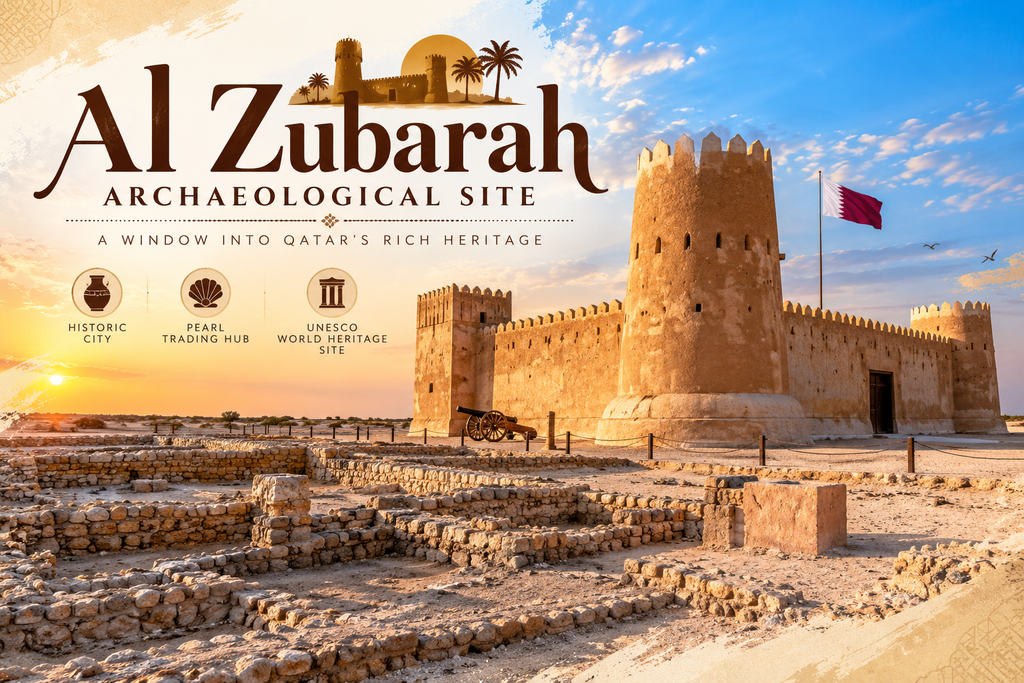
6. Al Zubarah Archaeological Site, Qatar
While Doha is known for its modern skyline, Al Zubarah offers a look at an older chapter of Qatari history. Located on the north-west coast of Qatar, this archaeological site preserves the remains of a historic town associated with trade and pearl fishing.
Al Zubarah developed as an important settlement during the late eighteenth and early nineteenth centuries. Its location near the sea helped connect it to maritime trade routes, and its economy was linked to the movement of goods and the pearl trade.
Pearls were once an important source of income for many communities around the Gulf. Divers and sailors faced difficult conditions, and families depended on the sea for work and trade. Towns such as Al Zubarah were part of this wider economic network.
Today, visitors can see the remains of houses, courtyards, streets, defensive structures, and other parts of the old settlement. These ruins offer clues about how people lived, worked, traded, and organised their communities.
Al Zubarah was added to the UNESCO World Heritage List in 2013. Its importance lies in the way it preserves evidence of a coastal trading town and the social and economic life that supported it.
The site also helps visitors understand that the Gulf’s history includes periods before the discovery and development of oil and gas. Trade, fishing, pearl diving, and regional connections played important roles in shaping local societies.
For people interested in history, Al Zubarah provides a valuable opportunity to see how an old town can reveal the experiences of earlier generations.
Key Overview:
- Location: Northwestern coast of Qatar in Madinat ash Shamal municipality, about 105 km northwest of Doha.
- History: Founded around 1760 by the Utub (Bani Utbah) tribe from Kuwait. It grew into a thriving 18th- and 19th-century global hub for pearling and maritime trade with a peak population of roughly 6,000.
- Destruction & Preservation: The town was attacked and burned in 1811, rebuilt smaller, and eventually abandoned by the early 20th century. Desert sands covered and naturally preserved the ruins.
7. Diriyah and At-Turaif, Saudi Arabia
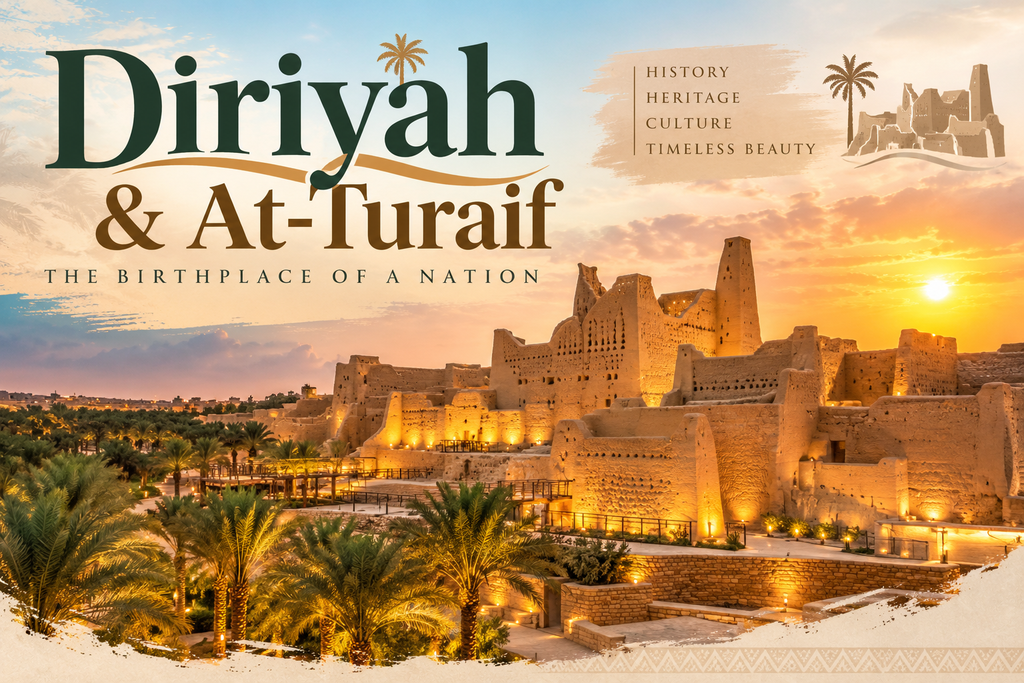
Diriyah, located near Riyadh, is one of Saudi Arabia’s most important historical places. Its At-Turaif district is closely connected with the early history of the Saudi state and the development of the country’s political and cultural identity.
Diriyah became an important centre in the eighteenth century. At-Turaif served as a major seat of power and contains buildings that reflect traditional Najdi architecture. The use of mudbrick, courtyards, thick walls, and local building methods shows how people adapted to the region’s climate and available materials.
The historic district is important because it connects visitors with the lives of earlier rulers, residents, craftspeople, and families. Its buildings are not simply old walls; they represent the way communities were organised and how architecture reflected local needs and traditions.
At-Turaif was added to the UNESCO World Heritage List in 2010. Its preservation helps protect an important part of Saudi Arabia’s history while allowing visitors to learn about the origins of the Saudi state.
Diriyah also shows how heritage can play a role in modern development. Restoration projects and cultural spaces can help people understand the past while creating new places for learning, tourism, and public activities.
Visitors exploring Diriyah can discover traditional architecture, historic streets, cultural exhibitions, and restaurants in designated visitor areas. Access arrangements and opening times may vary, so checking official information before a visit is useful.
The story of Diriyah reminds us that national identity is shaped over time through communities, leadership, culture, and shared experiences.
8. Hegra, Saudi Arabia
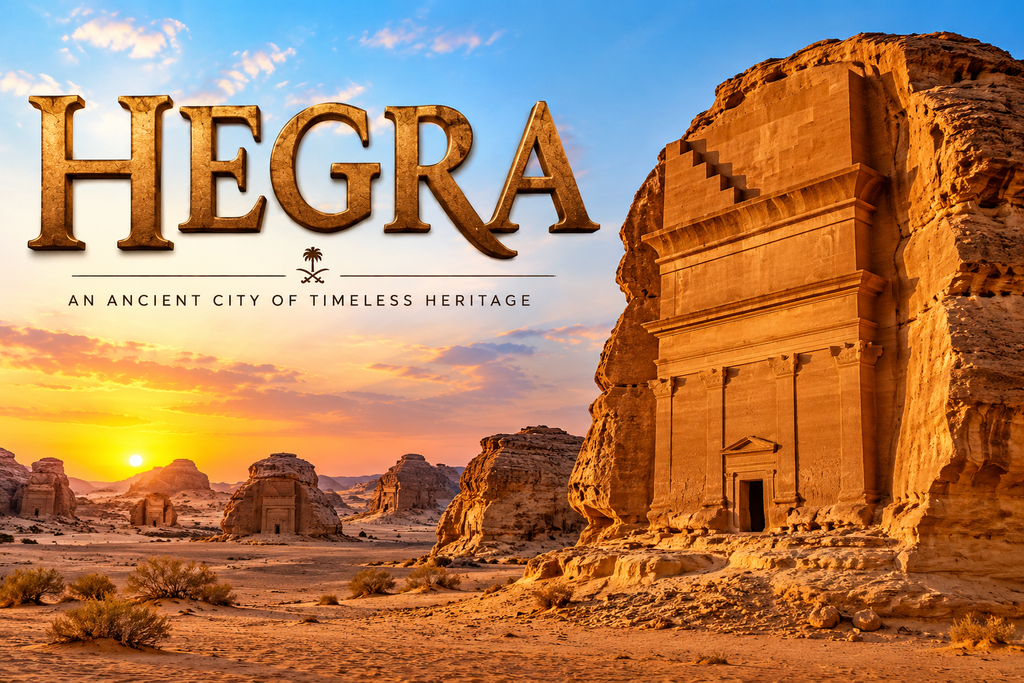
Hegra, also known as Al-Hijr or Madain Salih, is one of Saudi Arabia’s most remarkable archaeological sites. Located in the AlUla region, it is famous for its large rock-cut tombs and its connection with the ancient Nabataean civilisation.
The Nabataeans were skilled traders who built settlements and developed routes that connected different parts of the ancient world. Their most famous city is Petra in present-day Jordan, but Hegra shows that their influence extended much farther south.
At Hegra, visitors can see tombs carved into sandstone rock formations. Many have decorated entrances and inscriptions that provide information about the people who commissioned them. The tombs reveal the Nabataeans’ building skills, artistic style, and beliefs about death and remembrance.
Hegra became Saudi Arabia’s first UNESCO World Heritage Site in 2008. It is valuable because it preserves evidence of a civilisation that contributed to trade, architecture, and cultural exchange in the ancient Middle East.
The surrounding landscape adds to the experience. Huge sandstone formations, open desert views, and carefully carved structures create a setting that feels very different from the modern Gulf cities.
Visiting Hegra is an opportunity to understand how people lived in desert environments long before modern transport and technology. Their communities depended on trade, knowledge of routes, and the ability to work with the natural landscape.
Hegra is a reminder that Saudi Arabia’s history includes ancient civilisations and international connections that existed centuries before the modern kingdom was established.
9. Sultan Qaboos Grand Mosque, Muscat, Oman
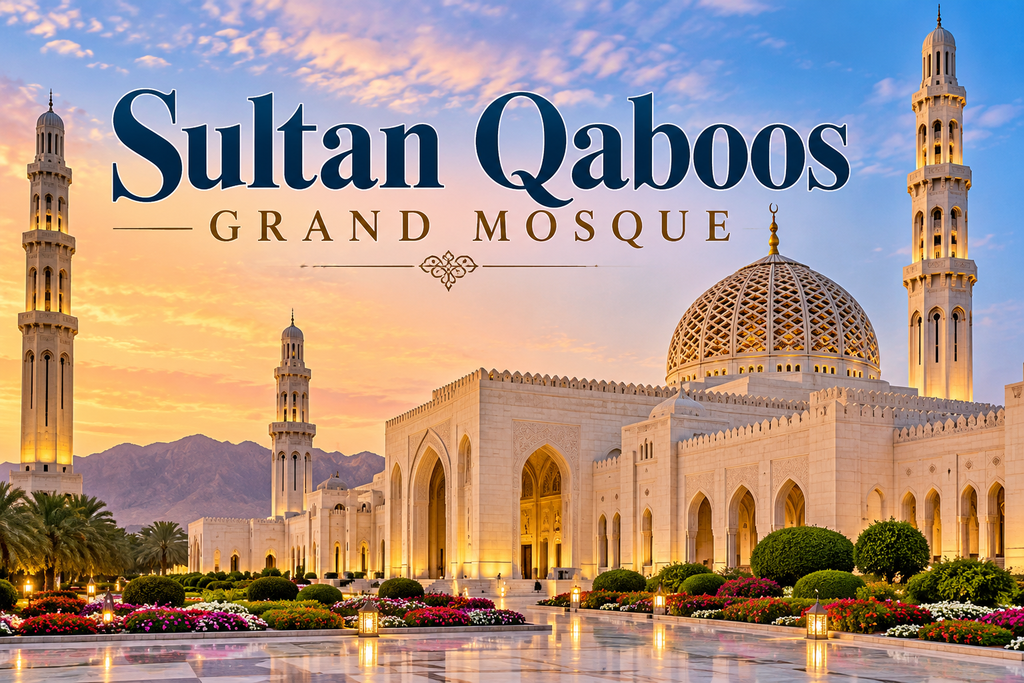
The Sultan Qaboos Grand Mosque is one of Oman’s most important religious and architectural landmarks. Located in Muscat, it is known for its spacious prayer halls, carefully designed arches, decorative details, and peaceful atmosphere.
The mosque was commissioned by Sultan Qaboos bin Said and opened in 2001. Its design combines elements of Islamic architecture with craftsmanship and materials from different parts of the world.
The main prayer hall features a large chandelier and a richly detailed interior. The mosque complex also includes courtyards, gardens, and spaces designed to welcome worshippers. Its scale and design reflect the importance of faith in Omani society.
However, the mosque’s story is not only about its size or decoration. It also represents Oman’s modern development and the country’s effort to preserve religious traditions while engaging with the wider world.
Oman has a long history of trade across the Indian Ocean, linking the Arabian Peninsula with East Africa, South Asia, and other coastal regions. That history helped shape its culture, food, architecture, and social life.
Visitors to the mosque can learn about Islamic design and religious practices, provided they follow current visitor rules. Appropriate clothing and respectful behaviour are essential, and opening arrangements for visitors should be checked in advance.
For travellers exploring Muscat, the Sultan Qaboos Grand Mosque provides an opportunity to experience the spiritual and cultural side of Oman. It also shows how modern architecture can reflect long-standing traditions.
10. Nizwa Fort, Oman
Nizwa Fort is one of Oman’s most famous historic buildings. Located in the city of Nizwa, it reflects the country’s history of local leadership, defence, trade, and community life.
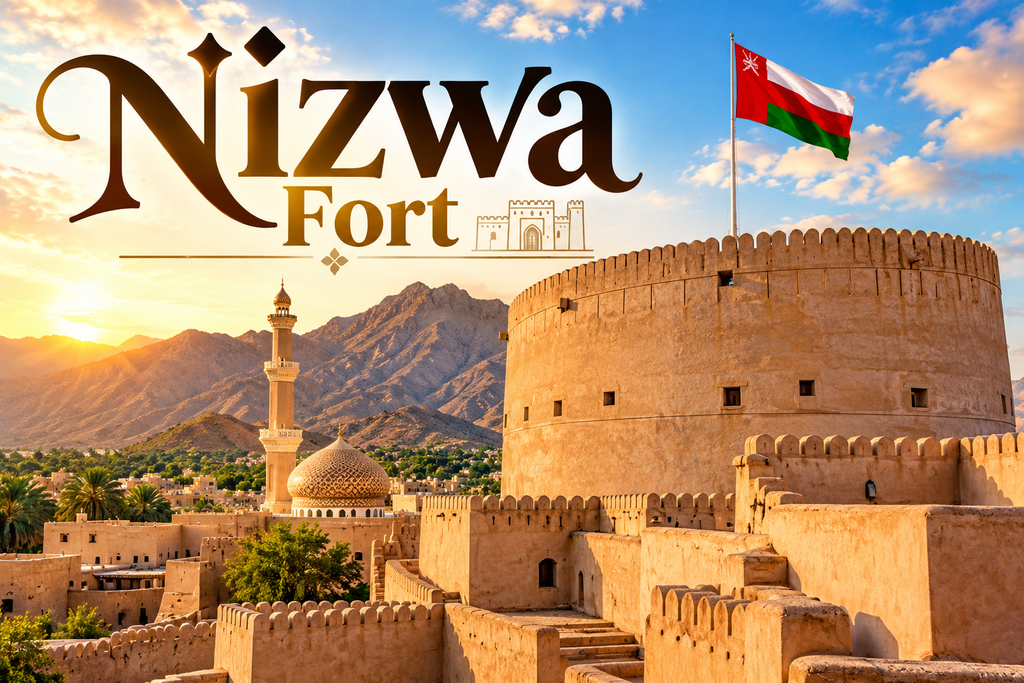
The fort’s large circular tower is one of its most noticeable features. Thick walls and defensive structures were designed to help protect the settlement and its important routes. The complex also includes spaces that reveal aspects of traditional life and the organisation of historic communities.
Nizwa was an important centre of religious learning, trade, and regional leadership. Its location near agricultural areas and mountain routes helped make it a significant place in Oman’s interior.
The fort’s story is connected with the wider role of forts across Oman. These structures were not simply military buildings. They could also serve as centres of administration, storage, decision-making, and local authority.
Nearby traditional markets add another layer to the experience. Visitors may find local crafts, dates, spices, pottery, and other products that reflect Oman’s cultural heritage.
Nizwa Fort helps visitors understand how people protected communities and managed important resources in earlier times. Its architecture also shows how builders used local materials and practical design to meet the needs of the environment.
For anyone interested in Omani history, the fort is a valuable place to explore. It offers a different view of the Gulf, away from modern skylines and focused instead on the towns, traditions, and communities that shaped the region.
Conclusion: Discover the Stories Behind Gulf Landmarks
The famous landmarks across the Gulf tell a story that combines ancient history, religious traditions, maritime trade, local craftsmanship, and modern ambition. From the towering Burj Khalifa in Dubai to the ancient ruins of Bahrain Fort, each place offers a different way to understand the region.
The Kuwait Towers show how modern engineering can become a national symbol. The Museum of Islamic Art in Doha celebrates creativity and cultural exchange. Al Zubarah reveals the importance of pearl trading, while Diriyah and Hegra connect visitors with important chapters of Saudi Arabia’s past. In Oman, the Sultan Qaboos Grand Mosque and Nizwa Fort reflect religious traditions, architecture, and community history.
These landmarks are more than beautiful buildings or popular tourist attractions. They help preserve memories, explain how societies developed, and connect people with the places they call home.
The next time you visit a famous Gulf landmark, look beyond its appearance. Think about the people who built it, the communities that used it, and the events that gave it meaning. You may discover that the most interesting part of the landmark is not what you see, but the story it tells.
Frequently Asked Questions (FAQs)
1. What are the most famous landmarks across the Gulf?
Some well-known landmarks include the Burj Khalifa in Dubai, Sheikh Zayed Grand Mosque in Abu Dhabi, Kuwait Towers in Kuwait City, Bahrain Fort, the Museum of Islamic Art in Doha, Diriyah in Saudi Arabia, Hegra in AlUla, and Sultan Qaboos Grand Mosque in Muscat.
2. Why are Gulf landmarks important?
Gulf landmarks preserve history, represent cultural identity, support tourism, and help people understand how communities developed. They include ancient archaeological sites, religious buildings, traditional forts, museums, and modern architectural attractions.
3. Which Gulf landmarks are connected to ancient history?
Bahrain Fort is connected with the ancient Dilmun civilisation, while Hegra preserves evidence of the Nabataean civilisation. Al Zubarah in Qatar provides insight into historic coastal trade and pearl-related activities.
4. Which landmark represents modern Dubai?
The Burj Khalifa is one of Dubai’s most recognisable modern landmarks. Its record-breaking height and distinctive design reflect the city’s growth and international ambitions.
5. What is special about the Kuwait Towers?
The Kuwait Towers combine distinctive architecture with a practical role in the country’s water system. Their unusual spheres and waterfront location have made them an important symbol of Kuwait City.
6. Can visitors enter mosques in the Gulf?
Some mosques welcome non-Muslim visitors at designated times, while others have different access rules. Visitors should check the official guidance for each mosque and follow its clothing, photography, and behaviour requirements.
7. What is the best time to visit Gulf landmarks?
The cooler months are often more comfortable for exploring outdoor forts and archaeological sites. Opening hours, weather, and special events vary, so check local information before travelling.
8. Are there UNESCO World Heritage Sites in the Gulf?
Yes. Examples include Bahrain Fort, Al Zubarah in Qatar, At-Turaif in Diriyah, Hegra in Saudi Arabia, and Bahla Fort in Oman. UNESCO listings recognise places with important cultural or natural value.
9. How can travellers learn more about Gulf history?
Travellers can visit museums, join guided tours, explore archaeological sites, read official heritage information, and speak with local guides. Learning about a landmark before visiting can make the experience more meaningful.
10. How can visitors help preserve historic landmarks?
Visitors can follow site rules, avoid touching fragile structures, dispose of waste responsibly, respect local customs, and support authorised tours and local businesses. Responsible behaviour helps protect heritage for future generations.
Do follow us on Instagram
Read More – 15 Amazing Community, Family Life and Food in Kuwait: A Complete Guide