Why Social Fitness Clubs Are Growing Across Dubai and the Gulf
For years, joining a gym was considered one of the most straightforward ways to become more active. People purchased memberships, followed workout plans and spent time exercising on treadmills, lifting weights or attending organised classes. While this model remains popular, a different approach to fitness is attracting growing attention: exercising as part of a community rather than treating physical activity as an entirely individual responsibility.
- What Are Social Fitness Clubs and How Do They Differ From Traditional Gyms?
- Why Social Fitness Clubs Are Growing Across Dubai and the Gulf
- 7 Reasons Social Fitness Clubs Are Becoming Popular Alternatives to Gyms
- Social Fitness Clubs vs Traditional Gyms: Costs, Motivation and Member Experience
- How Social Fitness Clubs Make Money: Memberships, Events and Partnerships
- Challenges, Accessibility and the Future of Community-Based Fitness
- The Future of Social Fitness Clubs Across the Gulf
- Frequently Asked Questions About Social Fitness Clubs
Across Dubai, Abu Dhabi, Riyadh and other Gulf cities, running groups, walking communities, outdoor training sessions and boutique workout clubs are introducing a more social approach to staying active. Participants arrive not only to exercise but also to meet people, share experiences and become part of a regular community.
This shift is helping Social Fitness Clubs develop into an alternative to traditional gym memberships.
Unlike conventional fitness centres, where customers often exercise independently, social fitness communities place greater emphasis on group participation, shared activities and relationships between members. A morning run might end with coffee, a cycling session may lead to a weekend gathering, and a Pilates class can become a regular meeting point for people with similar interests.
The global fitness industry is recognising this change. Strava’s 2025 Year in Sport report found that new clubs on its platform nearly quadrupled during the year, reaching one million in total. Running clubs grew 3.5 times, while hiking clubs experienced even faster growth.
Regional research points in a similar direction. GymNation’s 2026 UAE and Saudi Arabia Health & Fitness Report found that 40% of surveyed respondents considered their gym at least somewhat social, while 31% reported forming meaningful friendships or relationships through the gym.
These figures suggest that the relationship between exercise and social interaction is becoming more important, although they do not establish that people are abandoning conventional gyms.
For fitness businesses, the development creates opportunities involving memberships, events, coaching, brand partnerships and community-led experiences. For participants, the appeal may be simpler: exercise can feel more enjoyable when it becomes something people do together.
What Are Social Fitness Clubs and How Do They Differ From Traditional Gyms?
Social fitness clubs are organised groups or businesses that bring people together through regular physical activities. Their defining feature is the emphasis on shared participation and community rather than access to exercise equipment alone.
The activities can include running, cycling, walking, swimming, Pilates, yoga, strength training and outdoor fitness sessions. Some groups operate informally, while others charge memberships or fees for professionally organised experiences.
How Social Fitness Communities Work
A typical social fitness club organises recurring activities at agreed times and locations. Participants may register through an application, community group or online booking platform, then attend sessions led by organisers or qualified instructors.
Some clubs divide members into ability groups so beginners and experienced participants can exercise at appropriate levels. Others encourage people to remain together throughout an activity, placing social participation ahead of competitive performance.
The experience may continue beyond exercise through informal gatherings, workshops, community events or shared celebrations.
Traditional Gym vs Social Fitness Club
| Feature | Traditional Gym | Social Fitness Club |
|---|---|---|
| Primary Focus | Exercise facilities and structured training | Group activity and community |
| Typical Experience | Individual or instructor-led workouts | Shared sessions and social participation |
| Facilities | Equipment and indoor training areas | Parks, studios, tracks or outdoor spaces |
| Membership | Often recurring monthly fees | Free, session-based or membership options |
| Social Interaction | Depends on member preferences | Often central to the experience |
| Flexibility | Access during operating hours | Organised schedules |
| Main Challenge | Maintaining independent motivation | Coordinating group activities |
Why the Two Models Can Overlap
The distinction is not absolute. Many conventional gyms operate group classes, member events and supportive communities, while social fitness clubs may use gyms for strength training or specialised workouts.
Participants can benefit from combining both approaches. A person might use a conventional gym for resistance training while joining a running group for outdoor exercise and social interaction.
The emerging trend therefore reflects a broader range of fitness choices rather than the disappearance of traditional gyms.
Why Social Fitness Clubs Are Growing Across Dubai and the Gulf
Cities across the Gulf provide an interesting environment for community-focused fitness. Their populations include residents with different cultural backgrounds, professional schedules and exercise preferences, creating opportunities for organised activities that connect people through shared interests.
For newcomers, joining a fitness group may also provide a way to develop social relationships outside work and family networks.
The UAE’s Community Fitness Culture
Dubai’s large-scale public fitness initiatives have helped make group activity increasingly visible. The Dubai Fitness Challenge encourages residents and visitors to complete 30 minutes of activity daily for 30 consecutive days, while events such as Dubai Run and Dubai Ride bring people together through shared participation.
In 2025, Dubai Fitness Challenge attracted more than three million participants. Dubai Run alone welcomed over 307,000 runners, demonstrating the scale of interest in accessible community activity.
These participation figures cover the broader challenge, not paid social fitness club memberships. Nevertheless, they show how public events can make group exercise a familiar part of urban life.
Running Clubs in Dubai
Dubai has an established running community, including groups such as Desert Road Runners and Dubai Creek Striders. Both were highlighted in local reporting during April 2026 as examples of organised running communities.
These groups demonstrate how recurring activity can help people maintain routines and connect with fellow runners.
Participation conditions differ between organisations, and prospective members should review schedules, fees and ability requirements before attending.
Saudi Arabia’s Changing Fitness Culture
In Saudi Arabia, increasing participation in organised exercise is creating opportunities for different fitness formats. Gyms, walking groups, community sports and boutique studios can serve individuals seeking structured activity or social experiences.
The appeal of group fitness may depend on available facilities, climate, scheduling and individual comfort. Businesses should develop services that reflect these practical considerations rather than assume identical demand across every Gulf market.
Why Social Connection Matters
Global research supports the importance of fitness-related relationships. Strava’s 2024 report found that 58% of surveyed participants had made new friends through fitness groups, while the 2025 report identified continued interest in meeting people through organised activities.
These findings reflect the research population and should not be interpreted as Gulf-specific statistics.
The consistent theme is that exercise can provide a setting for relationships as well as physical activity.
7 Reasons Social Fitness Clubs Are Becoming Popular Alternatives to Gyms
The appeal of social fitness communities is connected to several practical and emotional factors. While individual motivations differ, seven considerations help explain why group-oriented exercise is attracting attention.
1. Exercise Becomes a Shared Experience
Working out alone can suit people who prefer independence, but others enjoy having company. A group session creates an opportunity to share effort, celebrate progress and make exercise part of a regular social routine.
This can change how people perceive activity, especially when participation feels welcoming rather than competitive.
2. Community Can Encourage Consistency
Regular sessions and familiar participants may help some people maintain exercise habits. Knowing that a group meets at a particular time provides structure, while supportive relationships can encourage continued attendance.
However, joining a community does not automatically guarantee consistency. Scheduling, personal circumstances and individual motivation still matter.
3. Opportunities to Make New Friends
Fitness groups can bring together people who might not otherwise meet. Shared activities provide an immediate topic of conversation and can make social interaction feel less formal.
For residents who have recently relocated, this may be a useful way to establish connections within a new city.
4. More Variety Than a Single Workout Routine
Social fitness activities can include outdoor running, cycling, walking, group strength training and other formats. Participants may explore different activities rather than repeatedly following the same gym routine.
This variety can help people discover forms of movement they enjoy, although appropriate instruction and gradual progression remain important.
5. Potentially Lower Entry Costs
Some running and walking communities provide free sessions, making them accessible to people who do not want to purchase a full gym membership.
However, paid boutique classes and premium social clubs can cost more than conventional fitness facilities. Affordability depends on the specific provider.
6. A Different Approach to Fitness Motivation
Traditional fitness marketing often focuses on individual performance, body composition or appearance. Social fitness clubs may instead emphasise participation, enjoyment and shared progress.
Such environments can appeal to people who feel uncomfortable with highly competitive or appearance-focused messages.
7. Opportunities Beyond Exercise
Fitness communities may organise workshops, social gatherings and special events. These activities create additional reasons for participants to remain involved.
For businesses, they also introduce potential revenue opportunities beyond ordinary workout fees.
Seven Growth Drivers Compared
| Reason | Potential Participant Benefit | Business Opportunity |
|---|---|---|
| Shared Exercise | More enjoyable participation | Group sessions |
| Regular Community | Structured routines | Recurring memberships |
| Friendships | Social connection | Member events |
| Activity Variety | Broader exercise choices | Multiple programmes |
| Accessible Entry | Lower initial commitment | Free introductory sessions |
| Supportive Environment | Greater comfort | Beginner-friendly formats |
| Additional Experiences | Wider community involvement | Workshops and partnerships |
The strongest appeal is often the combination of movement and belonging rather than any single commercial feature.
Social Fitness Clubs vs Traditional Gyms: Costs, Motivation and Member Experience
Choosing between a conventional gym and a social fitness club depends on personal goals, budget, schedule and preferred environment. Neither option is inherently better for everyone, and the two can provide complementary benefits.
When Traditional Gyms Have Advantages
Conventional fitness centres usually provide equipment for strength training, cardiovascular exercise and other structured workouts. Members can often exercise independently during extended operating hours, making the model suitable for people who prefer flexible scheduling.
A person following a progressive strength-training programme may particularly value consistent access to specific equipment. Conventional gyms may also provide personal trainers and exercise classes, allowing members to combine independent and guided activity.
When Social Fitness Clubs Have Advantages
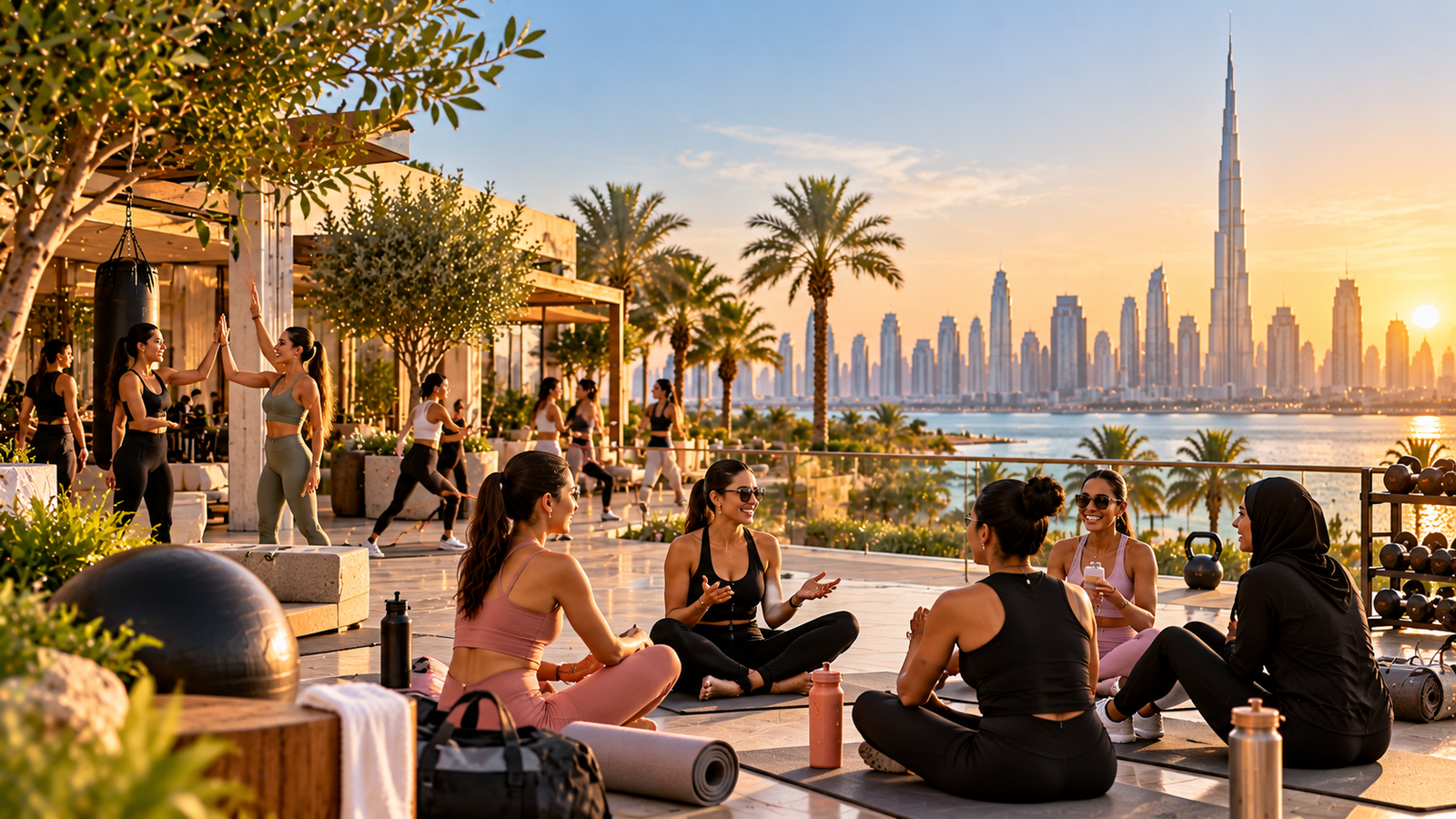
Community-based clubs offer scheduled activities and opportunities to meet other participants. This can be attractive to people who enjoy outdoor environments or find independent workouts less engaging.
A beginner may appreciate meeting others with similar goals, although the club must provide appropriate pace groups and qualified guidance where necessary.
The Question of Affordability
GymNation’s 2026 regional survey reported that 58% of respondents identified affordability as a barrier to gym participation. This illustrates why pricing remains relevant to the fitness industry.
Some informal running groups are free, but other social experiences involve membership fees, paid coaching or event charges.
Consumers should therefore compare the total cost of participation rather than assume community fitness is always cheaper.
Comparing Fitness Models
| Factor | Traditional Gym | Social Fitness Club |
|---|---|---|
| Equipment Access | Usually extensive | Varies by activity |
| Scheduling | Often flexible | Set group times |
| Coaching | Optional or included in classes | Depends on provider |
| Social Connection | Available but not always central | Usually a core feature |
| Entry Costs | Membership dependent | Free or paid options |
| Outdoor Activities | Sometimes available | Common in many clubs |
| Independent Training | Well suited | May be less central |
| Beginner Support | Depends on instructors | Depends on group structure |
Can Community Fitness Improve Motivation?
Supportive social environments may help some people establish exercise routines. Encouragement, shared goals and familiar group members can make participation more appealing.
However, long-term motivation depends on many factors, including health, time availability and personal preference. People who enjoy independent exercise may be more consistent at a traditional gym.
The most practical option is the one that allows an individual to remain active safely and regularly.
How Social Fitness Clubs Make Money: Memberships, Events and Partnerships
Social fitness clubs can operate as informal communities, membership businesses or specialised fitness companies. Their revenue models depend on whether they offer professional instruction, organised events, facilities or other commercial services.
Some groups begin as free gatherings and later introduce paid programmes. Others establish themselves from the beginning as boutique fitness businesses with dedicated coaches and recurring subscriptions.
Membership Fees
A club may charge a monthly or annual fee for access to regular sessions, community activities and selected member benefits.
Recurring income can help cover coaching, administration and operational expenses. However, the business must maintain consistent attendance and service quality to encourage renewals.
Paid Classes and Coaching
Specialised group sessions can generate revenue through individual bookings or class packages.
These may include coached running, strength conditioning, Pilates or other activities requiring qualified instruction.
The business needs to balance group size with safety, quality and instructor capacity.
Community Events
Organised fitness events may attract participation fees or sponsorship arrangements.
A running club could host an appropriately authorised training event, while a boutique studio might organise workshops or themed sessions.
Event revenue must be assessed against venue, staffing, permits, insurance and logistical expenses.
Brand Partnerships
Fitness communities can attract interest from sportswear companies, beverage businesses, wellness providers and other brands seeking relevant audiences.
Partnerships may involve event sponsorship, product demonstrations or promotional campaigns.
Operators should disclose commercial relationships and avoid allowing sponsorship to undermine members’ interests.
Illustrative Monthly Business Model
Consider a hypothetical social fitness club operating in Dubai.
| Monthly Revenue or Expense | Illustrative Amount |
|---|---|
| 120 Memberships at AED 250 | AED 30,000 |
| Paid Workshops and Coaching | AED 12,000 |
| Sponsorship and Events | AED 8,000 |
| Total Revenue | AED 50,000 |
| Coaching and Staffing | AED 18,000 |
| Venue and Facility Expenses | AED 8,000 |
| Marketing and Administration | AED 6,000 |
| Events and Equipment | AED 7,000 |
| Insurance and Other Expenses | AED 4,000 |
| Operating Surplus Before Other Costs | AED 7,000 |
These figures are hypothetical and are not verified membership prices or reported earnings of any UAE fitness business. They exclude certain potential expenses, including financing, depreciation and taxes.
Why Community Retention Matters
A fitness company may attract customers through advertising or free introductory events. However, lasting commercial performance depends on whether members continue finding value in participation.
Organisers can monitor attendance, membership renewals, feedback and the cost of operating each activity. Businesses should also assess whether events genuinely encourage engagement instead of becoming expensive promotional exercises.
Challenges, Accessibility and the Future of Community-Based Fitness
Although social fitness communities offer meaningful opportunities, they also face operational and social challenges. Organisers must balance welcoming environments with participant safety, financial sustainability and realistic expectations.
Avoiding Exclusivity
Some social fitness groups develop strong identities around clothing, performance, lifestyle or particular neighbourhoods. This can help create a recognisable brand, but it may also discourage beginners who feel they do not belong.
Organisers can reduce these barriers by communicating activity levels, offering beginner-friendly sessions and creating respectful participation guidelines.
An inclusive community should not require members to meet unrealistic fitness or appearance standards.
The Importance of Qualified Instruction
Group exercise can involve risks when participants undertake activities beyond their current abilities.
Organisers should consider suitable coaching, route planning, hydration, emergency arrangements and appropriate progression.
High-intensity sessions and specialised training programmes should be delivered by appropriately qualified professionals.
Managing the Gulf Climate
Outdoor fitness requires particular consideration in the UAE and wider GCC, where high temperatures and humidity can make some activities unsafe.
Clubs should adjust schedules, monitor weather conditions and provide guidance about hydration and exertion. During unsuitable conditions, indoor alternatives may be necessary.
Participants with medical concerns should seek appropriate professional advice before undertaking unfamiliar or demanding exercise.
Privacy and Social Media
Community fitness events are frequently photographed or filmed for promotional purposes. While this can help clubs communicate their activities, not every participant wishes to appear online.
Organisers should establish clear photography policies and respect privacy preferences.
Common Challenges and Practical Responses
| Challenge | Potential Impact | Suggested Response |
|---|---|---|
| Beginner Intimidation | Reduced participation | Ability-based groups |
| Extreme Weather | Safety risks | Schedule adjustments |
| Weak Coaching Standards | Injuries and poor experiences | Qualified instruction |
| High Membership Costs | Limited accessibility | Flexible pricing |
| Social Exclusivity | Reduced community diversity | Welcoming policies |
| Privacy Concerns | Participant dissatisfaction | Clear consent practices |
| Inconsistent Attendance | Revenue uncertainty | Reliable programming |
The Future of Social Fitness in the UAE
Dubai’s tenth Fitness Challenge is scheduled for October 31 to November 29, 2026, with activities designed to encourage broad community participation. Its continued development illustrates the importance of accessible group exercise within the city’s wider fitness landscape.
The commercial market may also evolve through specialist clubs, hybrid gym-community memberships and partnerships between fitness operators and other lifestyle businesses.
However, community fitness will not necessarily replace traditional gyms. A more plausible development is a wider range of services allowing individuals to combine independent training with socially organised activity.
The Future of Social Fitness Clubs Across the Gulf
The future of social fitness may involve a closer relationship between organised exercise, hospitality, technology and everyday community life. As consumers explore alternatives to conventional gym routines, businesses have opportunities to develop experiences that combine physical activity with social participation.
Hybrid Fitness Memberships
Some operators may offer access to conventional gym facilities alongside organised outdoor activities and community events. This approach could appeal to members who want equipment-based training during the week and group experiences at weekends.
Hybrid arrangements also give businesses opportunities to engage customers in different settings. However, they require careful scheduling and operational management.
Fitness as a Lifestyle Experience
Running groups that meet for breakfast, cycling communities that organise weekend gatherings and wellness clubs that provide educational workshops demonstrate how exercise can become part of a broader lifestyle.
These experiences may appeal to participants who value relationships and shared interests alongside physical activity. For operators, the challenge is to provide genuine community benefits rather than simply adding social events as marketing opportunities.
The Role of Digital Platforms
Applications such as Strava allow users to record activities, follow clubs and discover organised events. Technology can help people find communities and coordinate participation without replacing the in-person experience.
Strava’s 2025 report found that club-organised events increased by approximately 50% year over year on its platform. This suggests growing digital support for real-world group activity, although it does not measure the performance of Gulf fitness businesses specifically.
Opportunities for Smaller Entrepreneurs
Not every social fitness business requires a large facility or expensive equipment. Depending on the activities and local regulatory requirements, entrepreneurs may begin with properly organised group sessions or specialised coaching.
Before charging for services, operators should confirm applicable business licensing, public-space permissions, insurance and professional requirements.
The long-term opportunity is to build a service that participants value enough to attend regularly, rather than depending entirely on short-lived social media attention.
Frequently Asked Questions About Social Fitness Clubs
What is a social fitness club?
A social fitness club is an organised group or business that combines physical activity with community participation. Activities may include running, walking, cycling, Pilates, strength training and other group workouts.
Why are social fitness clubs becoming popular?
They offer opportunities to exercise with others, develop friendships and participate in regular community activities. Some people find this approach more enjoyable than exercising independently.
Are social fitness clubs better than traditional gyms?
Not necessarily. Traditional gyms are useful for independent training and equipment access, while social fitness clubs emphasise shared experiences. The best choice depends on personal goals, fitness needs and preferences.
Are running clubs in Dubai free?
Some groups offer free activities, while others charge memberships or coaching fees. Participants should check the arrangements of the specific organisation before attending.
Can beginners join social fitness communities?
Many groups welcome beginners, but activities vary in difficulty. New participants should look for appropriate pace groups, qualified instruction and clearly stated entry requirements.
Do social fitness clubs improve mental health?
Physical activity and supportive relationships can contribute to wellbeing, but joining a fitness club does not guarantee improved mental health or replace professional care.
How do social fitness clubs generate revenue?
Potential revenue sources include memberships, paid classes, coaching, organised events, corporate programmes and disclosed brand partnerships.
Will social fitness clubs replace conventional gyms?
There is no clear evidence that they will replace traditional gyms entirely. They are more likely to offer complementary options for people seeking different approaches to fitness.
Final Thoughts on Social Fitness Clubs
The growing appeal of social fitness clubs reflects a broader change in how people approach exercise. Physical activity is no longer viewed exclusively as an individual task completed inside a gym. For many participants, it is becoming an opportunity to meet others, develop routines and share experiences.
Across the UAE and wider Gulf, running communities, group workouts and public fitness events demonstrate how organised movement can bring people together. The popularity of these activities is supported by international participation trends and regional research highlighting the social dimension of exercise.
For businesses, this creates opportunities to develop memberships, coaching services and community experiences. However, long-term success depends on appropriate safety standards, accessibility, fair pricing and genuine member engagement.
Traditional gyms will continue to serve people who value equipment, independent exercise and flexible schedules. Social fitness clubs offer another route to an active lifestyle, especially for those who appreciate regular group participation.
Ultimately, Social Fitness Clubs are becoming an alternative to conventional gyms because they offer something that exercise equipment alone cannot provide: a structured opportunity for people to connect through movement.
Their future will depend not only on how many people attend a workout, but also on whether members continue to feel welcomed, supported and motivated to return.
Do follow us on Instagram
Read More – The Rise of Women-Only Wellness Communities Across the Gulf