Saudi Arabia Is Becoming a Global Tourism Destination
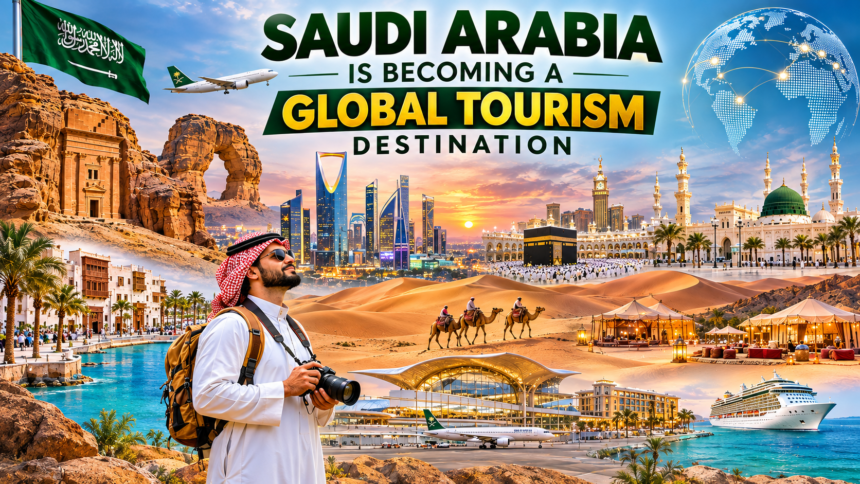
Saudi Arabia is changing the way the world sees it. For many years, the Kingdom was mainly known for its oil industry, religious significance, and historic cities. Today, it is attracting international attention for a much wider range of travel experiences, including ancient heritage sites, beautiful coastlines, desert adventures, mountain villages, luxury resorts, cultural festivals, and modern entertainment.
- 1. Saudi Vision 2030 Is Transforming the Tourism Sector
- 2. AlUla Is Attracting History and Nature Lovers
- 3. The Red Sea Is Developing into a Luxury Coastal Destination
- 4. Riyadh Is Becoming a Major Centre for Entertainment and Events
- 5. Jeddah Combines Red Sea Views with Cultural Heritage
- 6. Diriyah Is Bringing Saudi History to the Tourism Spotlight
- 7. Aseer Offers Mountains, Green Landscapes, and a Different Climate
- 8. Religious Tourism Continues to Attract Visitors from Around the World
- 9. Easier Travel and Digital Services Are Welcoming More International Visitors
- 10. Tourism Is Creating Jobs and Supporting the Economy
- 11. Sustainable Tourism Will Be Important for Long-Term Growth
- Conclusion: Saudi Arabia Is Building a New Place on the Global Tourism Map
- Frequently Asked Questions (FAQs)
From the ancient rock formations of AlUla to the beaches of the Red Sea, Saudi Arabia offers experiences that are different from those found in many other parts of the world. Visitors can explore traditional markets in Jeddah, discover the history of Diriyah, enjoy modern attractions in Riyadh, or experience the cooler mountain landscapes of Aseer.
This transformation is closely connected to Saudi Vision 2030, which aims to develop tourism as an important part of the country’s economy. The government is investing in hotels, airports, cultural attractions, entertainment, transport, and tourist services to make travel more convenient and attractive.
The results are becoming visible. According to the Ministry of Tourism’s 2025 annual statistics, Saudi Arabia welcomed approximately 123 million domestic and international tourists in 2025, while total tourism spending reached around SAR 304 billion. The Kingdom has also set a target of welcoming 150 million tourists by 2030.
So, what makes Saudi Arabia an increasingly popular travel destination? Here are ten important reasons behind its growing tourism appeal and the opportunities shaping its future.
1. Saudi Vision 2030 Is Transforming the Tourism Sector
One of the biggest reasons behind Saudi Arabia’s tourism growth is Vision 2030. The national plan aims to diversify the economy, develop new industries, create employment opportunities, and encourage international investment.
Vision 2030 is a blueprint that is diversifying the economy, empowering citizens, creating a vibrant environment for both local and international investors, and establishing Saudi Arabia as a global leader.
Tourism is an important part of this transformation. The Kingdom wants to attract more international visitors while also encouraging residents to explore different destinations within the country.
The National Tourism Strategy has set an ambitious goal of welcoming 150 million visits by 2030, including domestic and international tourism. It also aims to support job creation and increase tourism’s contribution to the national economy.
To achieve these goals, Saudi Arabia is developing different tourism experiences, including:
- Cultural and heritage tourism.
- Religious tourism.
- Beach and coastal holidays.
- Adventure and outdoor tourism.
- Entertainment and sporting events.
- Luxury hotels and resorts.
- Nature and eco-tourism.
This approach is helping the country move beyond a tourism market focused mainly on religious travel. Visitors now have more reasons to explore its cities, landscapes, traditions, and modern attractions.
2. AlUla Is Attracting History and Nature Lovers
AlUla is one of Saudi Arabia’s most remarkable tourism destinations. Located in the northwest of the Kingdom, it is known for its ancient history, impressive sandstone formations, desert scenery, and cultural experiences.
A premier heritage, cultural, and arts destination operating under visitor caps to preserve ancient archaeological sites.
AlUla was a quiet, protected sanctuary that preserved its archaeological treasures from warfare and modern expansion.
Its most famous attraction is Hegra, Saudi Arabia’s first UNESCO World Heritage Site. The archaeological area contains ancient Nabataean tombs carved into sandstone mountains, offering visitors a glimpse into the region’s history and civilisation.
Other popular experiences in AlUla include:
- Elephant Rock: A natural sandstone formation shaped like an elephant.
- AlUla Old Town: A historic settlement featuring traditional mud-brick buildings.
- Maraya: A striking mirrored concert and event venue.
- Gharameel: A landscape of unusual rock formations known for its stargazing experiences.
- Desert adventures: Activities such as hiking, outdoor exploration, and selected guided experiences.
AlUla combines heritage, nature, hospitality, and events in one destination. Its growing tourism programme is helping introduce international visitors to a side of Saudi Arabia that many travellers may not have previously considered.
3. The Red Sea Is Developing into a Luxury Coastal Destination
Saudi Arabia has a long coastline along the Red Sea, offering opportunities for beach holidays, diving, sailing, and marine exploration.
The Red Sea tourism project is being developed as a major coastal destination with luxury resorts, islands, beaches, and nature-based experiences. It includes more than 90 islands and a large coastal development area.
Several resorts have already opened, including Shebara, Desert Rock, Six Senses Southern Dunes, and properties on Shura Island. The destination is also connected through Red Sea International Airport, making travel to the area more convenient.
The project aims to combine high-quality hospitality with environmental protection. Red Sea Global states that its destination plans include a targeted 30% net conservation gain by 2040.
Luxury Hospitality: Features premier ultra-luxury properties including:
- Six Senses Southern Dunes (inland)
- The St. Regis Red Sea Resort (overwater and beachfront villas)
- Nujuma, a Ritz-Carlton Reserve
- Shebara and Desert Rock
- Shura Island resorts and Shura Links Golf Course
- Adrena (adventure and entertainment district)
Visitors may enjoy experiences such as:
- Snorkelling and scuba diving.
- Exploring coral reef environments.
- Relaxing at beachfront resorts.
- Sailing and other water activities.
- Discovering coastal landscapes.
- Enjoying nature-focused accommodation.
The Red Sea is helping Saudi Arabia appeal to travellers looking for beach holidays and luxury experiences while also bringing attention to the importance of protecting marine environments.
4. Riyadh Is Becoming a Major Centre for Entertainment and Events
Riyadh, the capital of Saudi Arabia, is developing into an important destination for business, shopping, culture, sports, and entertainment.
The city combines modern architecture with historic neighbourhoods, traditional markets, restaurants, museums, and large entertainment venues.
One of its biggest attractions is Riyadh Season, a programme of events and activities that brings concerts, live shows, entertainment zones, restaurants, and sporting experiences to the city.
Visitors can also explore:
- Kingdom Centre and its Sky Bridge.
- Boulevard City and Boulevard World.
- The historic Diriyah area nearby.
- Museums and cultural attractions.
- Shopping centres and local markets.
- Restaurants serving Saudi and international food.
Riyadh is particularly appealing to travellers who enjoy lively city experiences. Its expanding entertainment options provide reasons to visit throughout the year, although event schedules and attractions may change between seasons.
The city also acts as a major gateway for exploring other destinations in the Kingdom.
5. Jeddah Combines Red Sea Views with Cultural Heritage
Jeddah is the second largest city and primary commercial port on the Red Sea.
Jeddah offers a different travel experience from Riyadh. Located on the Red Sea coast, it is known for its waterfront, historic neighbourhoods, food culture, shopping, and connections with the wider region.
One of its most interesting places is Historic Jeddah, also known as Al-Balad. This UNESCO-listed heritage area features traditional buildings, historic houses, old markets, and distinctive wooden window designs called roshans.
Visitors can explore narrow streets, traditional architecture, local shops, and cafés while learning about Jeddah’s history as an important trading and pilgrimage gateway.
Other experiences include:
- Walking along the Jeddah Corniche.
- Visiting waterfront attractions.
- Exploring traditional markets.
- Enjoying seafood and local restaurants.
- Discovering historical buildings and museums.
- Spending time at the city’s beaches and leisure areas.
Jeddah is a good example of how Saudi Arabia’s historic identity and modern lifestyle can exist together. Its coastal location also makes it an attractive destination for visitors interested in both culture and relaxation.
6. Diriyah Is Bringing Saudi History to the Tourism Spotlight
Diriyah is one of the most important historical places in Saudi Arabia. Located near Riyadh, it is closely connected to the origins of the First Saudi State and the development of the Kingdom.
Its best-known historic area is At-Turaif, a UNESCO World Heritage Site recognised for its traditional Najdi mud-brick architecture.
The wider Diriyah development aims to create a destination combining heritage, culture, hospitality, restaurants, museums, and public spaces.
Visitors can discover traditional architectural designs, learn about Saudi history, explore heritage sites, and experience local food and cultural activities.
Diriyah is important because it helps international visitors understand the story of Saudi Arabia beyond its modern cities and infrastructure.
It also shows how historical places can be carefully developed as cultural tourism destinations while keeping their heritage value in focus.
7. Aseer Offers Mountains, Green Landscapes, and a Different Climate
Aseer, in southwestern Saudi Arabia, offers a different natural environment from the country’s famous desert landscapes.
The region is known for its mountains, valleys, traditional villages, and greener surroundings. Abha and the surrounding highland areas attract visitors interested in nature, local culture, and cooler weather compared with many lowland destinations.
Popular experiences include:
- Exploring the mountain scenery around Abha.
- Visiting the heritage village of Rijal Almaa.
- Discovering traditional architecture.
- Enjoying viewpoints and outdoor activities.
- Exploring local markets and food.
- Experiencing the region’s natural landscapes.
Aseer helps demonstrate the geographical diversity of Saudi Arabia. It gives nature lovers an alternative to coastal resorts and busy cities.
Developing responsible tourism in the region can also create opportunities for local businesses, accommodation providers, guides, and traditional craft producers.
8. Religious Tourism Continues to Attract Visitors from Around the World
Religious tourism remains one of the strongest foundations of Saudi Arabia’s global tourism identity.
Makkah and Madinah are especially important for Muslims. Every year, millions of people travel to the Kingdom for Hajj and Umrah, making religious journeys a major part of its visitor economy.
Makkah is home to the Grand Mosque and the Kaaba, while Madinah is home to Al-Masjid an-Nabawi. These destinations hold deep religious significance and attract visitors from many countries.
Saudi Arabia is developing facilities, transport, accommodation, digital services, and visitor support to improve the experience of pilgrims.
Religious travel also creates opportunities for other tourism activities, depending on the visitor’s schedule and applicable rules.
This is an important distinction in Saudi Arabia’s tourism growth: the country is building new leisure and cultural experiences while continuing to serve its long-established religious visitors.
The official tourist eVisa permits eligible travellers to undertake tourism activities and Umrah outside the Hajj period. It does not authorise Hajj, which has separate visa and permit requirements.
9. Easier Travel and Digital Services Are Welcoming More International Visitors
A strong tourism destination needs more than attractions. Visitors also need convenient ways to obtain travel information, arrange accommodation, understand entry rules, and move between destinations.
Saudi Arabia has introduced an electronic tourist visa system for eligible nationalities. According to the official eVisa portal, citizens of 71 eligible countries can apply online for a one-year multiple-entry tourist visa, allowing stays of up to 90 days. Eligibility and entry conditions should always be checked before booking.
Digital services are also making travel planning easier. Official tourism platforms provide information about destinations, events, attractions, and travel experiences.
Other developments supporting tourism include:
- New and expanded airport infrastructure.
- More international flight connections.
- A growing range of hotels and resorts.
- Online booking and travel information.
- Improved roads and transport facilities.
- Digital tools for planning visitor experiences.
These improvements help reduce some of the difficulties associated with travelling across a large country.
For international travellers, easier access to accurate information can make Saudi Arabia a more practical destination to consider.
10. Tourism Is Creating Jobs and Supporting the Economy
Tourism is not only changing the way people travel in Saudi Arabia. It is also creating economic opportunities.
Hotels, restaurants, airlines, travel companies, entertainment venues, museums, transport providers, and tour operators all require skilled workers.
The OECD’s 2026 tourism profile for Saudi Arabia reported that tourism directly supported more than one million jobs in 2025. The sector also directly contributed around 4.9% of GDP in 2024, based on preliminary estimates.
Growing tourism activity can support careers in areas such as:
- Hotel and hospitality management.
- Tourism marketing.
- Travel planning and customer service.
- Tour guiding.
- Event management.
- Food and restaurant services.
- Airport and transport operations.
- Heritage and museum services.
- Digital travel platforms.
- Environmental and conservation work.
Small businesses can benefit as well. Local cafés, restaurants, craft shops, transport operators, and family-owned accommodation providers may gain new customers when visitor numbers increase.
For Saudi citizens and residents, tourism development can create opportunities to build professional skills and work in a more diverse economy.
11. Sustainable Tourism Will Be Important for Long-Term Growth
As Saudi Arabia attracts more visitors, protecting its natural and cultural resources will become increasingly important.
Desert landscapes, coral reefs, mountain habitats, historic buildings, and archaeological sites can be affected by poorly managed tourism.
Sustainable tourism aims to reduce these impacts while allowing communities and businesses to benefit from visitors.
Saudi Arabia’s Red Sea development, for example, promotes regenerative tourism and has stated a target of achieving a 30% net conservation gain by 2040.
Responsible tourism practices include:
- Avoiding littering at beaches and natural sites.
- Respecting wildlife and marine environments.
- Following guidance at archaeological locations.
- Supporting licensed local guides and businesses.
- Choosing accommodation with responsible environmental practices.
- Respecting local culture, traditions, and public rules.
- Avoiding activities that damage coral reefs or wildlife habitats.
The future success of Saudi tourism will depend not only on how many people visit but also on how well destinations are protected for future generations.
Conclusion: Saudi Arabia Is Building a New Place on the Global Tourism Map
Saudi Arabia is becoming a global tourism destination by offering a wider range of experiences than ever before. Its ancient heritage, religious sites, desert landscapes, mountains, Red Sea coastline, modern cities, and growing entertainment industry give visitors many reasons to explore the Kingdom.
Vision 2030 is supporting this transformation through investment in infrastructure, hotels, airports, cultural attractions, tourism services, and local businesses. The country’s record of approximately 123 million domestic and international tourists in 2025 shows the growing scale of its tourism sector.
However, long-term success will depend on more than visitor numbers. Quality hospitality, easy travel, skilled workers, cultural understanding, and environmental protection will all be important.
From the historic streets of Jeddah to the ancient wonders of AlUla, Saudi Arabia is creating a tourism identity that connects its past with its future.
The Kingdom’s journey towards becoming a global tourism destination is about sharing its culture, welcoming new visitors, creating opportunities, and showing the world the many experiences that Saudi Arabia has to offer.
Frequently Asked Questions (FAQs)
1. Why is Saudi Arabia becoming a global tourism destination?
Saudi Arabia is investing in heritage tourism, luxury resorts, entertainment, cultural attractions, airports, hotels, and visitor services through Vision 2030. These developments are attracting both domestic and international travellers.
2. How many tourists visited Saudi Arabia in 2025?
Saudi Arabia recorded approximately 123 million domestic and international tourists in 2025. Total tourism spending reached around SAR 304 billion.
3. What are the most popular tourist destinations in Saudi Arabia?
Popular destinations include AlUla, Riyadh, Jeddah, Makkah, Madinah, Diriyah, Aseer, and the Red Sea region.
4. What is Vision 2030’s tourism target?
Saudi Arabia aims to welcome 150 million domestic and international visits by 2030 as part of its National Tourism Strategy.
5. Can international tourists visit Saudi Arabia easily?
Eligible nationalities can apply through the official Saudi tourist eVisa portal. Other travellers should check the visa requirements that apply to their nationality and travel purpose.
6. What makes AlUla special?
AlUla is known for its ancient history, Hegra UNESCO World Heritage Site, sandstone landscapes, Elephant Rock, Old Town, and cultural events.
Do follow us on Instagram
Read More – The Future of Quality of Life in Saudi Arabia