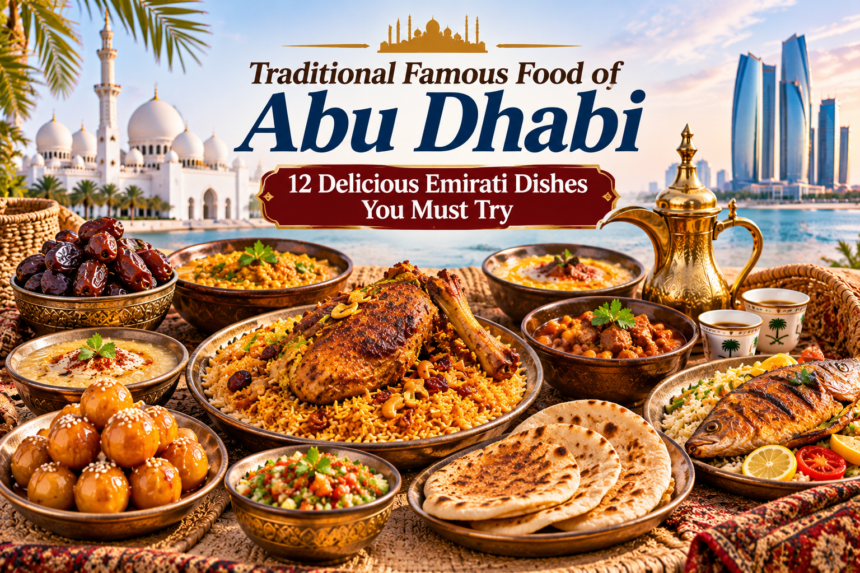
Traditional Famous Food of Abu Dhabi
Abu Dhabi is known for its impressive buildings, beautiful beaches, luxury hotels, and modern lifestyle. However, there is another side of the emirate that visitors should explore: its traditional food. From fragrant rice dishes and slow-cooked meat to fresh seafood, sweet desserts, and Arabic coffee, Abu Dhabi offers a wonderful introduction to Emirati cuisine.
- 1. Harees: A Traditional Dish for Special Occasions
- 2. Machboos: A Favourite Emirati Rice Dish
- 3. Thareed: A Comforting Meal with Bread and Stew
- 4. Madrooba: A Traditional Fish Dish
- 5. Luqaimat: A Sweet Treat Loved During Ramadan
- 6. Chebab: Traditional Emirati Pancakes
- 7. Regag: A Thin and Crispy Emirati Bread
- 8. Balaleet: Sweet Vermicelli with Eggs
- 9. Khuzi: A Festive Meal for Large Gatherings
- 10. Khameer: Traditional Emirati Bread
- 11. Gahwa and Dates: The Heart of Abu Dhabi’s Hospitality
- 12. Fresh Seafood and the Food Culture of Mina Market
- 13. Where to Try Traditional Food in Abu Dhabi
- Conclusion: Traditional Food Is an Important Part of Abu Dhabi’s Identity
- Frequently Asked Questions (FAQs)
Traditional food in Abu Dhabi reflects the history and lifestyle of the local people. In earlier times, families depended on ingredients available from the desert, oases, and sea. Dates, wheat, fish, meat, milk, and rice became important parts of everyday meals. Trade with India, Persia, East Africa, and other regions also introduced new spices and cooking ideas into local kitchens.
Today, traditional dishes such as Harees, Machboos, Thareed, Madrooba, and Luqaimat are still enjoyed in homes and restaurants. They are served during Ramadan, Eid, weddings, family gatherings, and special occasions. Many restaurants in Abu Dhabi also introduce these dishes to international visitors who want to experience local culture through food.
Although these dishes belong to the wider Emirati food tradition rather than being exclusive to Abu Dhabi, they are an important part of the emirate’s culinary identity.
In this article, we explore the traditional famous food of Abu Dhabi, including popular Emirati dishes, their ingredients, local flavours, hospitality traditions, and where visitors can experience them.
1. Harees: A Traditional Dish for Special Occasions
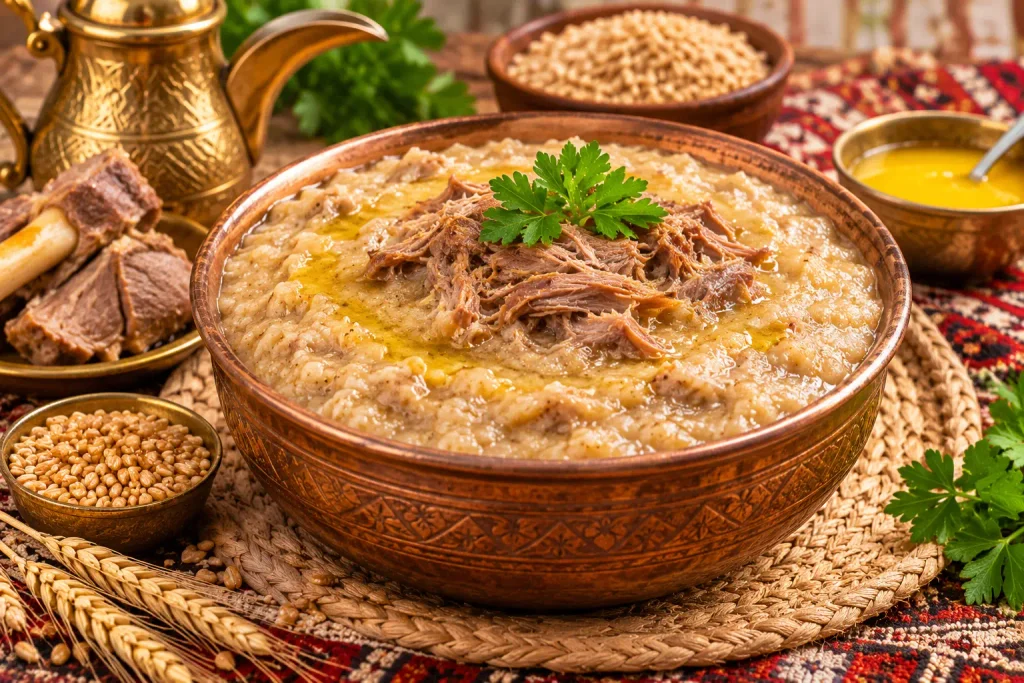
Harees is one of the best-known traditional dishes in Abu Dhabi and the wider UAE. It is made mainly from wheat and meat, which are cooked together slowly until they form a thick, soft mixture.
Soaked wheat grains, meat (lamb, chicken, or beef), water or stock, salt, and spices.
The dish has a mild flavour and a smooth texture. It is usually finished with ghee or clarified butter, which gives it a richer taste.
Harees is especially popular during Ramadan, Eid, weddings, and family gatherings. Preparing it takes time because the wheat and meat need to cook slowly before they become soft.
Common ingredients include:
- Crushed or whole wheat.
- Chicken, lamb, or other meat.
- Water and salt.
- Ghee or clarified butter.
Harees is often prepared in large pots so that several family members and guests can share it. Its simple ingredients and traditional preparation make it a meaningful part of Emirati food culture.
Visitors can try Harees at traditional Emirati restaurants in Abu Dhabi, including Al Mrzab, which is highlighted by the official tourism guide.
2. Machboos: A Favourite Emirati Rice Dish
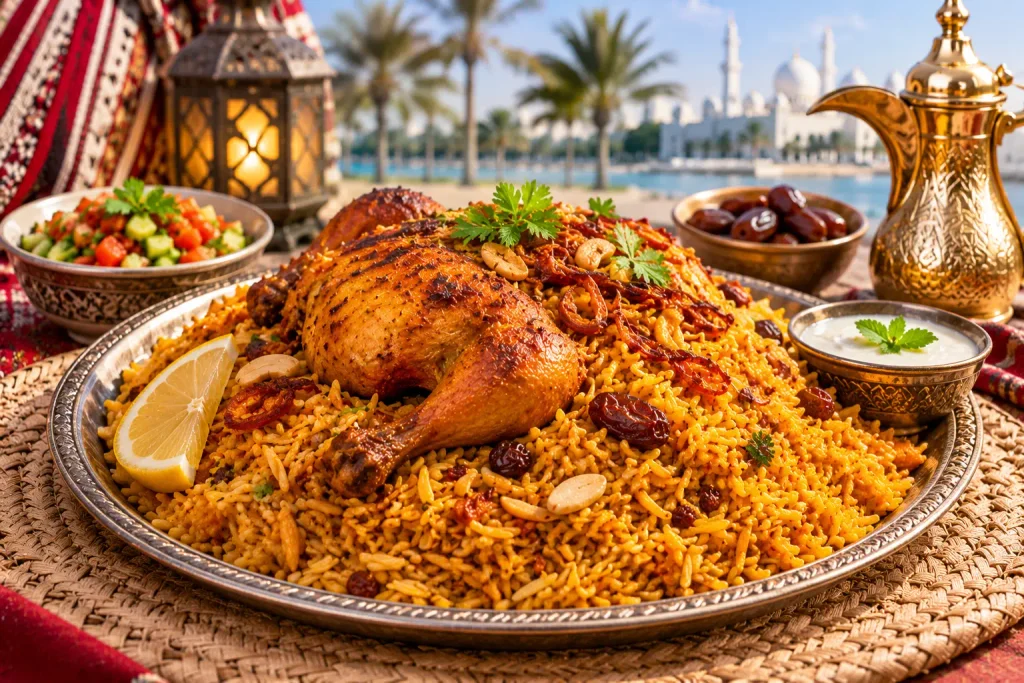
Machboos is one of the most popular main dishes in Abu Dhabi. It is prepared with rice, meat, chicken, or fish, along with onions, tomatoes, and a mixture of spices.
The rice is cooked in a seasoned broth, allowing it to absorb the flavour of the ingredients. One important ingredient is loomi, or dried lime, which gives the dish a slightly sour and distinctive taste.
Brown the meat or chicken with whole spices, onions, garlic, and tomatoes. Add water or stock and the pierced dried limes (loomi), simmering until the protein is tender.
Other common ingredients include:
- Basmati or long-grain rice.
- Chicken, lamb, or fish.
- Cardamom and cinnamon.
- Cloves and black pepper.
- Onions and tomatoes.
- Saffron and turmeric.
- Dried lime.
Machboos is commonly served for lunch and dinner. It is also prepared for large family meals because one pot can provide several servings.
Fish Machboos is particularly interesting in Abu Dhabi because of the emirate’s coastal history. Local fish such as hammour and kingfish may be used in different recipes.
The dish represents the combination of rice, spices, and local ingredients that makes Emirati cooking special.
3. Thareed: A Comforting Meal with Bread and Stew
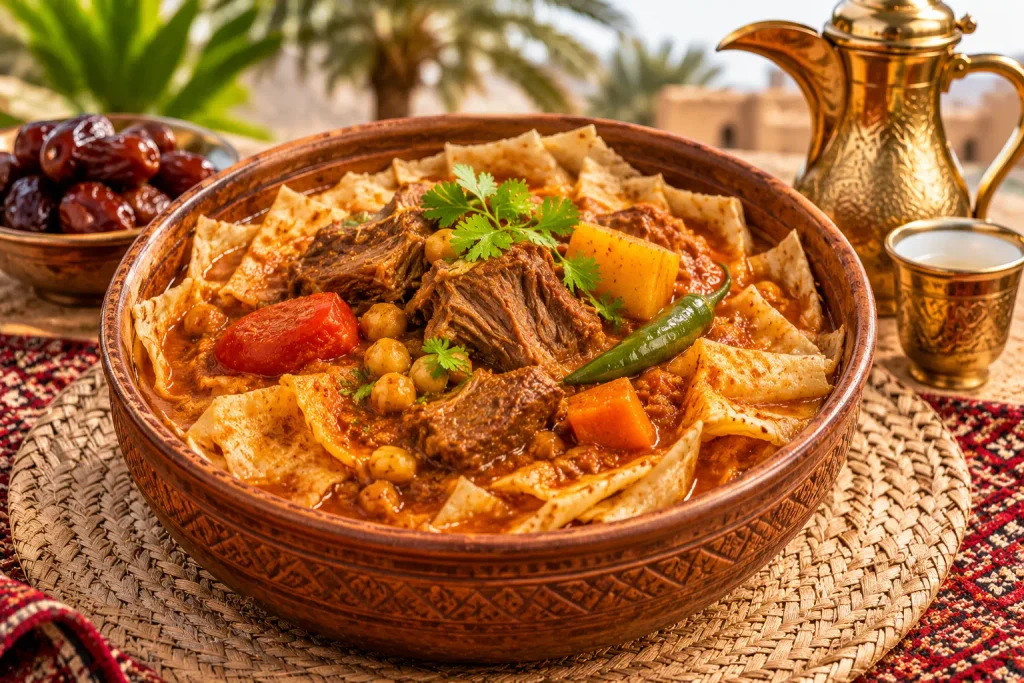
Thareed is a traditional, slow-cooked Arabian dish that combines bread with a rich, meat or vegetable broth. It is usually prepared with pieces of thin flatbread called regag,spice meat and vegetable broth, which are placed at the bottom of a dish and covered with hot stew.
The bread absorbs the broth and becomes soft, giving the meal a special texture.
Common ingredients include:
- Lamb or chicken.
- Potatoes and carrots.
- Tomatoes and onions.
- Traditional spices.
- Thin Emirati bread.
- Water or meat broth.
Thareed is popular during Ramadan and is also served during family gatherings and special occasions. It is a filling meal that can be prepared with meat or vegetables, depending on family preferences.
In traditional settings, Thareed may be served in one large dish and shared by several people. This reflects the importance of togetherness in Emirati food culture.
Visitors who enjoy slow-cooked meals should try Thareed when exploring traditional restaurants in Abu Dhabi.
4. Madrooba: A Traditional Fish Dish
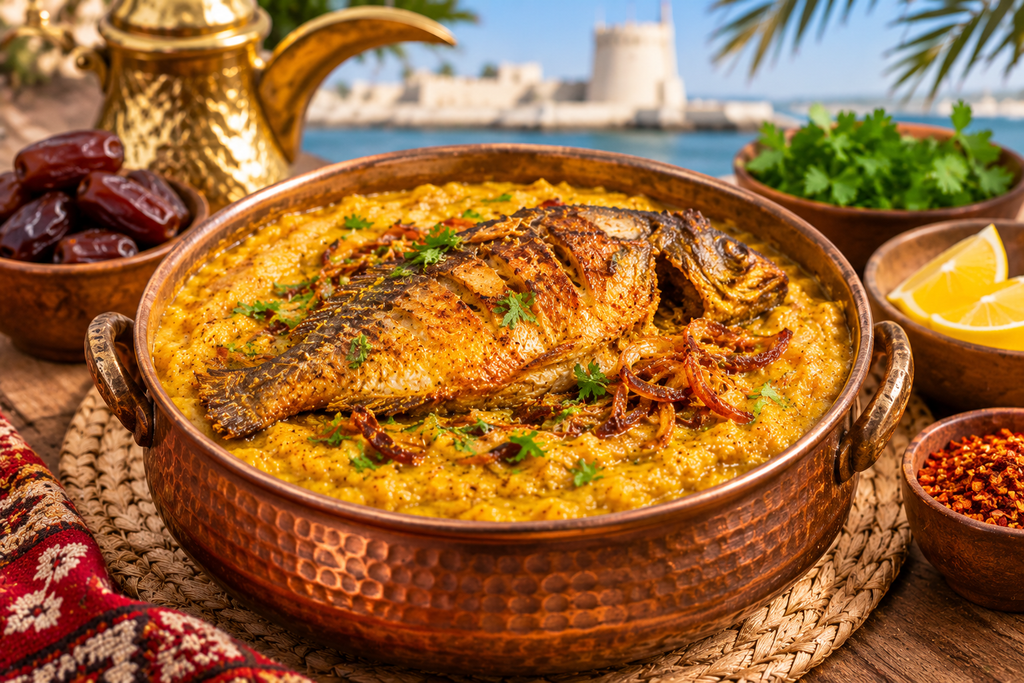
Abu Dhabi has a long connection with the sea, and fishing was an important part of life for many coastal communities. This history can be seen in traditional seafood dishes such as Madrooba.
Madrooba is commonly prepared using salted fish, spices, and a thick sauce. The ingredients are cooked together and stirred until they form a soft, rich mixture.
The dish reflects the importance of fish in traditional Emirati cooking, especially before modern food supply systems became common.
Madrooba is also enjoyed during Ramadan and family meals. Its ingredients and preparation can vary between households.
For seafood lovers, Madrooba offers a different taste from grilled fish or ordinary seafood rice dishes. It is one of the local foods worth discovering in Abu Dhabi.
5. Luqaimat: A Sweet Treat Loved During Ramadan
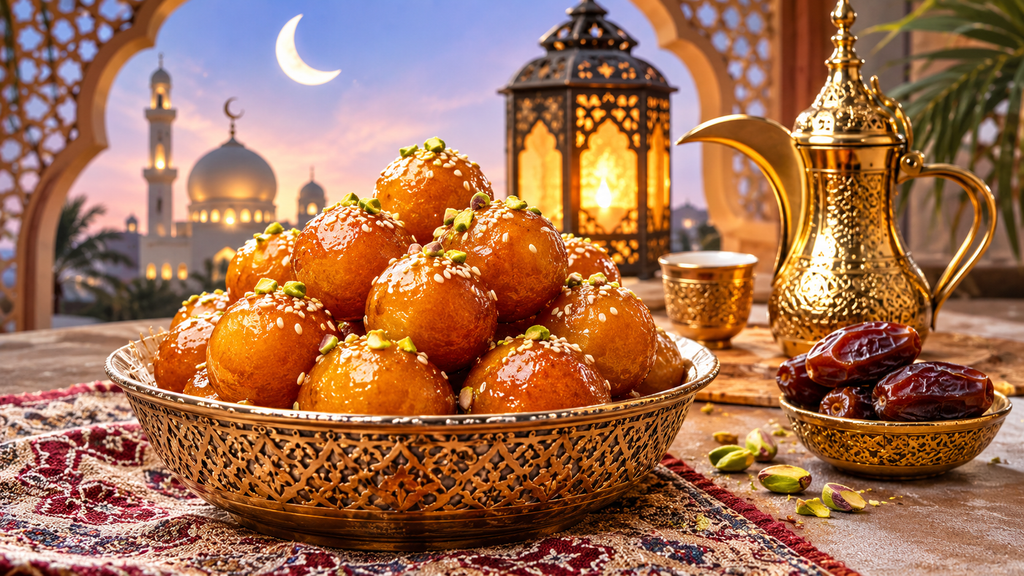
Luqaimat (it’s means “small bites” in Arabic) is one of the most popular traditional desserts in Abu Dhabi. These small dough balls are fried until golden and crispy on the outerside while remaining soft, warm and airy inside.
After frying, they are covered with date syrup or another sweet syrup. Sesame seeds may also be added for extra flavour.
The main ingredients usually include:
- Flour.
- Yeast.
- Sugar.
- Water or milk.
- Oil for frying.
- Date syrup or sweet syrup.
- Sesame seeds.
Luqaimat is especially popular during Ramadan, when families enjoy it after iftar. It is also served during celebrations, gatherings, and special occasions.
Its small size makes it easy to share, and it is often served fresh and warm.
Visitors can find Luqaimat in traditional Emirati restaurants, food stalls, and some cafés across Abu Dhabi.
6. Chebab: Traditional Emirati Pancakes
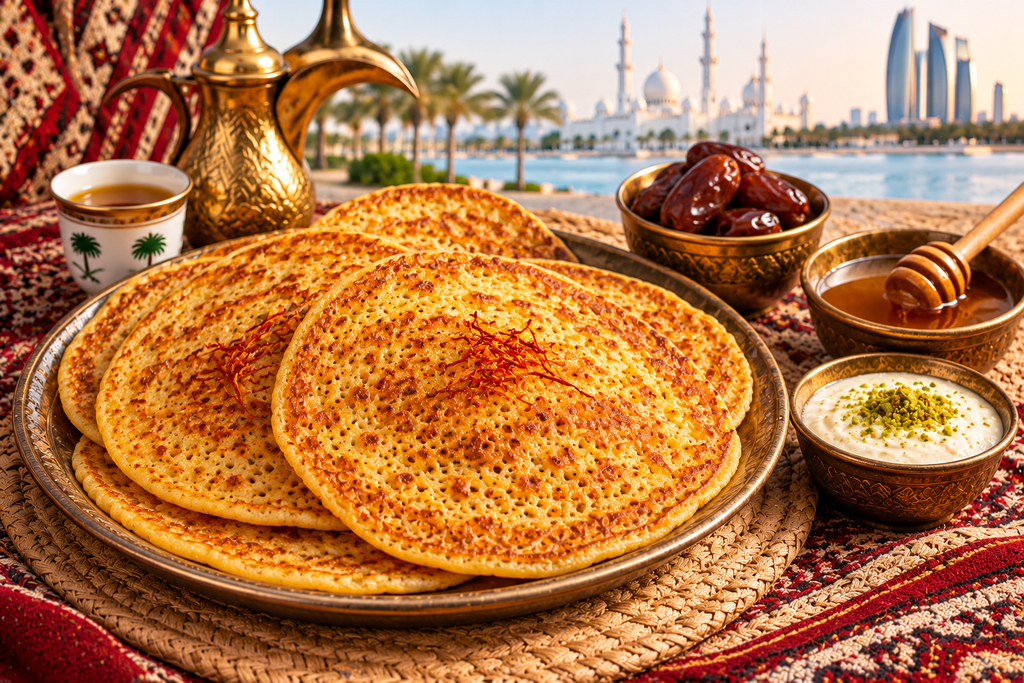
Chebab is a traditional Emirati pancake commonly enjoyed for breakfast. It is thin, soft, and slightly crispy around the edges.
Chebab is an Emirati breakfast staple over 500 years.
The batter is made using flour, yeast, eggs, and other ingredients. Cardamom and saffron give it a pleasant aroma and a flavour associated with traditional Emirati cooking.
Chebab is usually served with date syrup, honey, or cheese. Some modern versions include other toppings.
It is popular because it is simple to prepare and works well as a sweet breakfast or afternoon snack.
A warm Chebab served with Arabic coffee or tea offers a lovely way to experience the everyday food traditions of Abu Dhabi.
7. Regag: A Thin and Crispy Emirati Bread
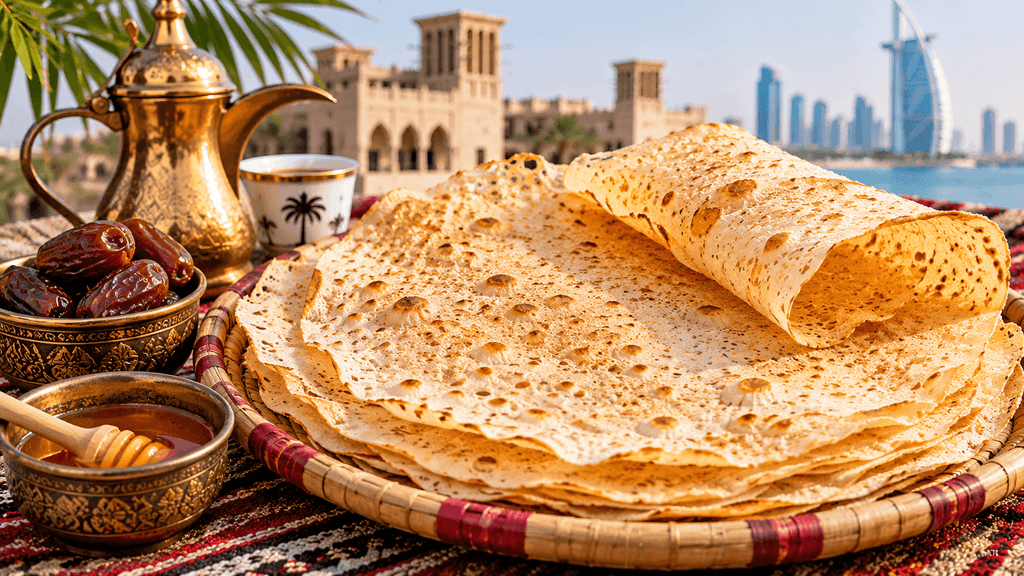
Regag is a traditional Emirati flatbread known for its thin and crispy texture. It is prepared using a simple dough and cooked on a hot flat cooking surface.
The word is connected with the idea of something thin, which describes the bread perfectly.
Regag is commonly eaten for breakfast or dinner. It can be served plain or with different fillings and toppings.
Popular combinations include:
- Eggs.
- Cheese.
- Honey.
- Date syrup.
- Local sauces.
- Other savoury fillings.
Regag is also an important food during Ramadan. It may be used as the bread base for Thareed or eaten with other dishes.
Its simple preparation and familiar taste have helped it remain popular in Emirati homes.
8. Balaleet: Sweet Vermicelli with Eggs
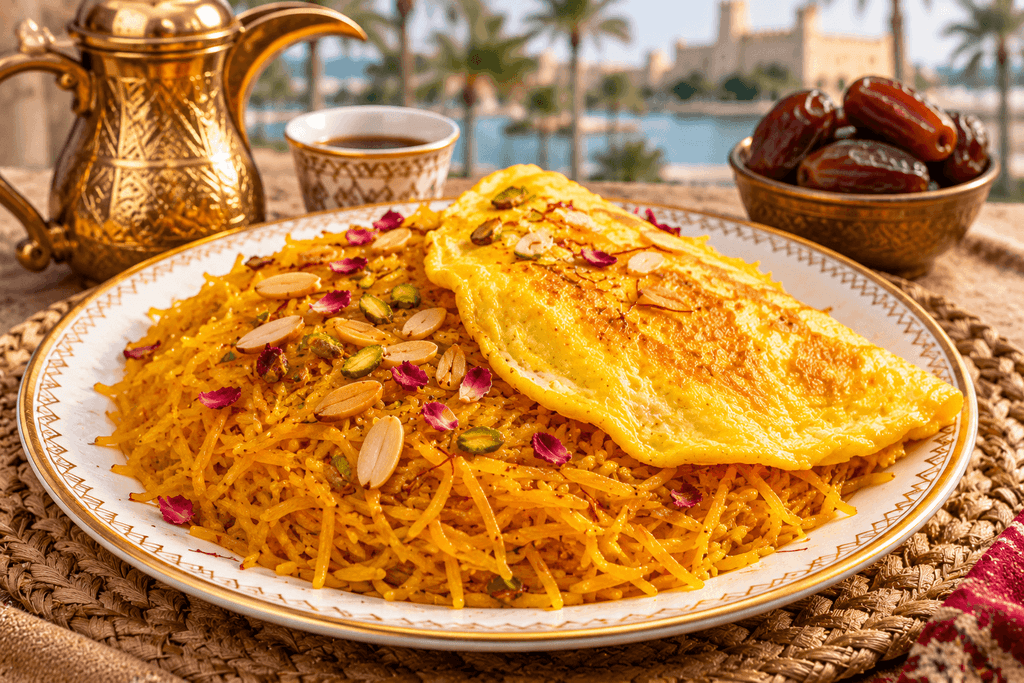
Balaleet is a traditional Emirati breakfast dish that combines sweet vermicelli with eggs.
The vermicelli is cooked with sugar, cardamom, saffron, and sometimes rosewater. A thin omelette or fried egg is placed on top, creating an interesting combination of sweet and savoury flavours.
It may look unusual to first-time visitors, but the combination is an important part of traditional Emirati breakfast culture.
Balaleet is often prepared during Eid mornings and special family occasions. It can also be enjoyed at other times of the year.
The dish reflects how local cooking combines simple ingredients to create unique flavours that are different from many other breakfast foods.
9. Khuzi: A Festive Meal for Large Gatherings
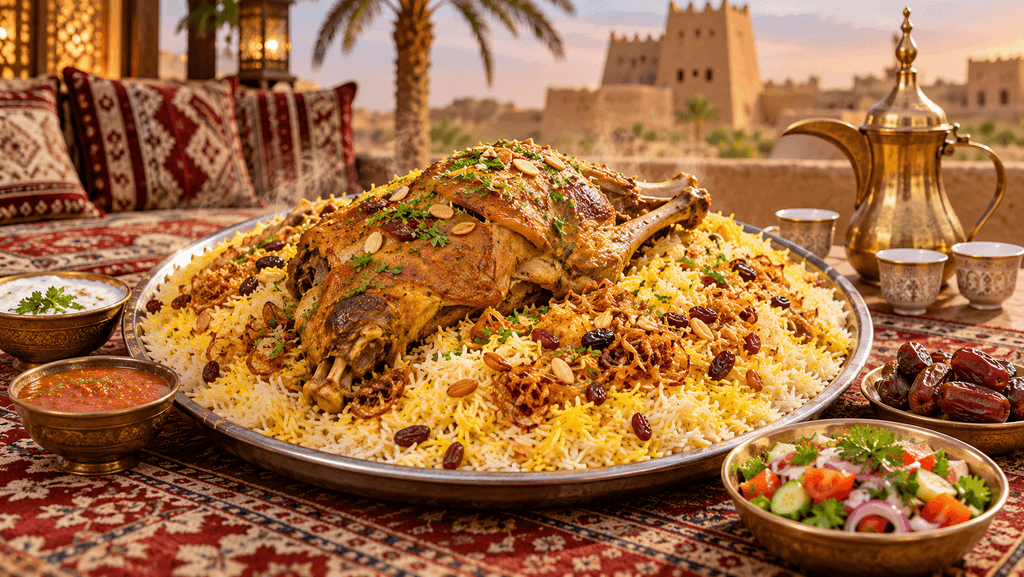
Khuzi, also known as Ghuzi or Ouzi in different spellings and regional food traditions, is a popular celebratory dish in the UAE.
It generally consists of roasted or slow-cooked lamb served over a large plate of seasoned rice. Nuts and raisins may be added as decoration.
The dish is known for its impressive presentation and is often served at weddings, family celebrations, and large gatherings.
Typical ingredients include:
- Lamb or goat.
- Rice.
- Onions and spices.
- Almonds or pine nuts.
- Raisins.
- Saffron and other seasonings.
Khuzi is designed for sharing, making it suitable for occasions when many guests are invited.
Its size and presentation also reflect the importance of generosity in Emirati hospitality.
10. Khameer: Traditional Emirati Bread
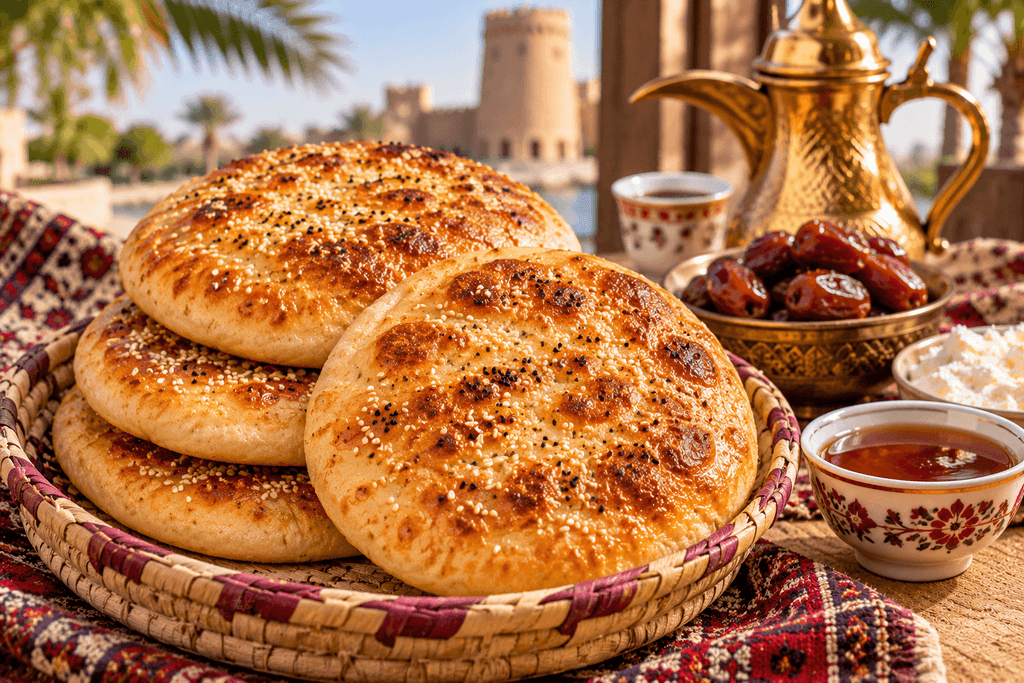
Khameer is a soft traditional Emirati bread prepared with flour, yeast, and other simple ingredients. It may include powdered milk and sesame seeds, depending on the recipe.
The bread is usually thicker and softer than Regag. It can be enjoyed with cheese, honey, dates, or savoury dishes.
Khameer is commonly eaten for breakfast and can also be served with main meals.
Traditional breads are important in Emirati food culture because they are practical, filling, and easy to combine with different foods.
For visitors, trying Khameer with local honey or cheese is a simple way to discover the everyday flavours of the UAE.
11. Gahwa and Dates: The Heart of Abu Dhabi’s Hospitality
No discussion of traditional food in Abu Dhabi is complete without Arabic coffee and dates.
Gahwa is a lightly spiced Arabic coffee commonly prepared with cardamom and sometimes saffron. It is served in small, handleless cups called finjan, using a traditional coffee pot known as a dallah.
Dates are usually offered alongside coffee because their natural sweetness balances the coffee’s flavour.
In Emirati homes, offering coffee and dates is a familiar way to welcome visitors. The guest is traditionally served first, and the coffee is poured in small amounts so that the cup can be refilled.
A gentle shake of the cup can indicate that the guest has had enough.
Arabic coffee was added to UNESCO’s Representative List of the Intangible Cultural Heritage of Humanity in 2015 as part of a multinational cultural tradition.
Visitors can learn more about this custom at Bait Al Gahwa at Qasr Al Hosn, where the traditional coffee experience is presented as part of Abu Dhabi’s heritage.
12. Fresh Seafood and the Food Culture of Mina Market
Abu Dhabi’s coastal location has played an important role in shaping its food culture. Fishing provided food and livelihoods for generations, and seafood continues to feature in local cooking.
Fish such as hammour and kingfish are used in traditional rice dishes and other recipes. Fresh seafood is also grilled or cooked with simple spices and local ingredients.
One place to experience this connection with the sea is Mina Zayed Market.
The market is known for fresh fish, seafood, dates, spices, and other produce. It offers visitors an opportunity to see some of the ingredients that influence traditional Emirati cooking.
When buying seafood, choosing responsibly sourced fish is important for supporting sustainable fishing practices.
The market also includes a fruit and vegetable souk, making it a useful place to explore the flavours and ingredients of Abu Dhabi.
13. Where to Try Traditional Food in Abu Dhabi
Visitors who want to experience authentic Emirati food can explore traditional restaurants, cafés, markets, and cultural spaces.
Some places highlighted by the official Experience Abu Dhabi tourism guide include:
- Al Fanar Restaurant & Cafe: Known for traditional Emirati dishes and a heritage-inspired dining experience.
- Meylas: Offers local food connected with Emirati home cooking.
- Al Mrzab: A place to try dishes such as Harees and Machboos.
- Yadoo’s House: Focuses on traditional, home-style Emirati meals, including Thareed.
- Al Maqam: Another option for experiencing Emirati cuisine.
- Bait Al Gahwa at Qasr Al Hosn: A cultural place to learn about the traditional Arabic coffee ritual.
Visitors can also explore Mina Market for dates, fish, spices, and local produce.
It is worth checking current opening hours, menus, and availability before visiting because restaurant offerings can change.
Conclusion: Traditional Food Is an Important Part of Abu Dhabi’s Identity
Traditional famous food of Abu Dhabi reflects the history, geography, and hospitality of Emirati society. From the slow-cooked Harees and fragrant Machboos to seafood, Mish-style local recipes, sweet Luqaimat, and traditional Chebab, each dish offers a different taste of the emirate.
These foods show how desert life, oasis farming, coastal fishing, and international trade influenced local cooking. They also remind visitors that meals in Emirati culture are often about sharing, welcoming guests, and spending time with family.
Today, traditional food continues to be enjoyed in homes, restaurants, markets, and cultural events. As Abu Dhabi welcomes visitors from around the world, its cuisine provides an easy and enjoyable way to discover the emirate’s heritage.
Traditional Emirati food is more than a collection of recipes. It is a reflection of Abu Dhabi’s history, local ingredients, family traditions, and the warm hospitality that makes the emirate special.
Frequently Asked Questions (FAQs)
1. What is the most famous traditional food of Abu Dhabi?
Machboos and Harees are among the most recognised traditional Emirati dishes in Abu Dhabi. Other popular choices include Thareed, Madrooba, and Khuzi.
2. What is the national food of Abu Dhabi?
Abu Dhabi does not have a separate officially designated national dish. However, Machboos, Harees, and other traditional Emirati dishes are important parts of the emirate’s food culture.
3. What is Machboos made of?
Machboos is prepared with rice, meat, chicken, or fish, along with onions, tomatoes, spices, and dried lime known as loomi.
4. What traditional food is popular during Ramadan in Abu Dhabi?
Harees, Thareed, Madrooba, and Luqaimat are popular Ramadan foods. Dates and Arabic coffee are also important parts of hospitality and family gatherings.
5. What is Luqaimat?
Luqaimat are small fried dough balls that are crispy outside and soft inside. They are usually served with date syrup or sweet syrup.
6. What is the traditional Emirati welcome drink?
Gahwa, or Arabic coffee, is traditionally offered to visitors. It is commonly flavoured with cardamom and served with dates.
7. Where can tourists try traditional Emirati food in Abu Dhabi?
Visitors can try local dishes at restaurants such as Al Fanar, Meylas, Al Mrzab, and Yadoo’s House. Bait Al Gahwa at Qasr Al Hosn is also a good place to experience the traditional coffee ritual.
Do follow us on Instagram
Read More – Traditional Food of Oman