


Dubai Lifestyle: Why So Many Expats Continue to Enjoy It
The Dubai lifestyle attracts people from around the world because it combines career opportunities, modern infrastructure, safety, international communities, beaches, restaurants and a level of everyday convenience that can be difficult to find in many other major cities.
- Why the Dubai Lifestyle Appeals to Expats
- 1. Expats Appreciate Dubai’s Strong Sense of Safety
- 2. Career Opportunities Are a Major Part of the Dubai Lifestyle
- 3. Everyday Life Can Be Extremely Convenient
- 4. Dubai Gives Residents Access to Beaches and Outdoor Living
- 5. Public Transport Makes Some Parts of Dubai Easy to Navigate
- 6. The Dubai Lifestyle Offers Food From Around the World
- 7. Dubai’s International Community Makes It Easier to Build a Social Circle
- 8. Shopping and Entertainment Are Available All Year
- 9. Families Enjoy a Wide Range of Lifestyle Options
- 10. Dubai Makes Weekend Travel Easier
- 11. Residents Can Choose Between Luxury and Budget Living
- 12. The Dubai Lifestyle Makes Fitness and Wellness Easy to Prioritise
- 13. Dubai Offers a Strong Mix of Modern Life and Traditional Culture
- 14. Everyday Services and Infrastructure Save Residents Time
- 15. Expats Like That Dubai Can Feel Different Every Weekend
- Dubai Lifestyle Challenges Expats Should Consider
- How to Build a Dubai Lifestyle That Fits Your Budget
- Is the Dubai Lifestyle Right for Every Expat?
- Dubai Lifestyle: Why So Many Expats Continue to Enjoy It
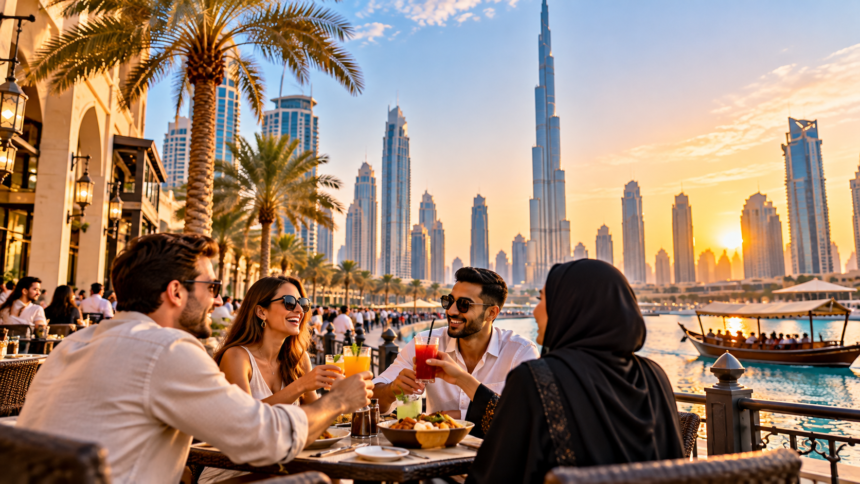
For many expats, moving to Dubai is not only about accepting a new job. It can mean changing the way they live outside work as well. Weekends might include breakfast by the beach, shopping in an air-conditioned mall, dinner featuring food from another part of the world and an evening walk along Dubai Marina.
The city also makes it possible to move between very different experiences quickly. Residents can spend the morning in a modern business district, visit Old Dubai later in the day and finish the evening beside the Arabian Gulf.
Dubai’s official tourism platform reflects this variety, highlighting beaches, heritage neighbourhoods, desert experiences, restaurants, family entertainment and cultural districts as different parts of life in the city.
That does not mean the Dubai lifestyle is perfect for everyone. Housing costs, summer heat, traffic, school fees and lifestyle inflation can all affect how comfortable life feels.
However, there are clear reasons so many expatriates continue to build careers, families and social lives here.
Why the Dubai Lifestyle Appeals to Expats
Dubai has developed around an international population, which means newcomers rarely feel as though they are the only outsiders in the city.
People arrive for careers in areas such as:
- Finance
- Technology
- Real estate
- Hospitality
- Aviation
- Healthcare
- Construction
- Media
- Retail
- Professional services
This international environment shapes everyday life.
Restaurants serve food from dozens of countries, workplaces often contain several nationalities and neighbourhoods can have residents from many different cultural backgrounds.
For someone moving abroad for the first time, this diversity can make the transition easier.
You may still need time to understand local laws, work culture and practical systems, but finding familiar food, communities and services is relatively straightforward.
Dubai also provides different lifestyle choices within the same city. A young professional may prefer Dubai Marina or Downtown, while a family might choose a quieter residential community with schools and parks nearby.
That flexibility is one of the biggest reasons the city appeals to such a wide range of expatriates.
1. Expats Appreciate Dubai’s Strong Sense of Safety
Safety is one of the most frequently mentioned advantages of life in Dubai.
Dubai’s official tourism authority describes the emirate as one of the world’s safest cities and highlights high perceptions of safety during both daytime and nighttime.
For residents, this can affect everyday routines in very practical ways.
People may feel more comfortable:
- Walking home in the evening
- Using public transport
- Visiting shopping areas late at night
- Taking children to public places
- Exploring different parts of the city
A strong sense of security can be particularly valuable for people who have moved to Dubai alone.
However, residents should not interpret low perceived crime as meaning there are no risks.
Road safety, online scams, extreme heat and normal precautions around personal belongings still matter.
The biggest lifestyle benefit is simply that personal security tends to become less of a daily worry for many residents.
2. Career Opportunities Are a Major Part of the Dubai Lifestyle
Employment remains one of the biggest reasons people move to Dubai.
The city functions as a regional hub for multinational companies, entrepreneurs and industries serving the wider Middle East, Africa and South Asia.
For professionals, this can provide exposure to international clients, colleagues and projects that may be harder to access elsewhere.
Dubai’s business environment attracts workers across sectors including finance, real estate, tourism, technology, logistics and professional services.
Career growth is not automatic, but the size and international nature of the market can create opportunities to:
- Build regional experience
- Change industries
- Network internationally
- Work with multinational teams
- Start a business
- Develop a personal brand
For ambitious professionals, the pace can be exciting.
The downside is competition.
Dubai attracts qualified people from across the world, so simply living in the city does not guarantee strong career progression.
Expats who succeed long term usually continue developing their skills and professional networks instead of relying only on their current job title.
3. Everyday Life Can Be Extremely Convenient
Convenience is one of the most noticeable parts of the Dubai lifestyle.
Residents can manage an enormous range of everyday tasks using apps.
Depending on the service and location, people can arrange:
- Food delivery
- Groceries
- Laundry
- Taxis
- Home cleaning
- Pharmacy deliveries
- Government services
- Banking
- Utility payments
- Salon bookings
This can save a significant amount of time.
The convenience becomes particularly valuable for people working long hours or families managing busy schedules.
Dubai’s service economy is built around speed and accessibility, and many businesses compete heavily on customer convenience.
However, this ease can also increase spending.
Ordering food several times a week, using taxis for every journey and paying for premium home services can quietly increase monthly expenses.
The smartest approach is to enjoy the convenience while deciding which services genuinely improve your life.
4. Dubai Gives Residents Access to Beaches and Outdoor Living
Living beside the coast changes the rhythm of the city during the cooler months.
Dubai has an extensive coastline with public beaches, beach clubs and waterfront areas. Visit Dubai highlights places including Kite Beach, Sunset Beach, Al Sufouh Beach, JBR and Al Mamzar Beach Park.
For residents, this means a beach visit does not need to be treated like a major holiday.
It can simply become a normal weekend activity.
People can:
- Walk beside the sea
- Exercise
- Swim
- Meet friends
- Watch the sunset
- Take children to the beach
- Have breakfast nearby
During cooler weather, outdoor dining and evening walks also become a significant part of the lifestyle.
Visit Dubai specifically promotes beaches, waterfront walks and outdoor relaxation as major aspects of the city experience.
The main limitation is summer.
For several months, outdoor activities during the hottest parts of the day can become uncomfortable.
That is when indoor lifestyle options become much more important.
5. Public Transport Makes Some Parts of Dubai Easy to Navigate
Dubai is still a city where many residents choose to drive, but public transport plays an increasingly important role.
RTA operates Metro, Tram, buses, marine transport and integrated services across the city.
Dubai Metro uses the Red and Green lines, while Dubai Tram connects areas around Dubai Marina, JBR and Al Sufouh. The bus network covers a large part of the urban area and connects with Metro stations.
Public transport usage is substantial. RTA reported around 348.1 million riders across public transport, shared mobility and taxis during the first half of 2026, averaging nearly 1.9 million journeys per day.
For expats living near a Metro station, this can reduce the need to own a car immediately.
Areas along the Red Line provide access to locations including:
- Deira
- BurJuman
- World Trade Centre
- DIFC
- Downtown Dubai
- Business Bay
- Mall of the Emirates
- Dubai Marina
- Jebel Ali
However, Dubai is spread out.
A home that looks inexpensive may become less convenient if it is far from both work and public transport.
For this reason, experienced residents often consider commute time just as seriously as rent when choosing where to live.
6. The Dubai Lifestyle Offers Food From Around the World
Food is one of the biggest everyday advantages of living in Dubai.
The city’s international population has created a restaurant scene where residents can move between completely different cuisines without travelling far.
Depending on the neighbourhood, you can find:
- Emirati
- Indian
- Pakistani
- Filipino
- Lebanese
- Iranian
- Turkish
- Japanese
- Korean
- Italian
- African
- European food
This variety exists across different budgets.
Dubai has luxury restaurants and celebrity-chef venues, but it also has neighbourhood restaurants where residents can eat well without turning every meal into an expensive occasion.
Areas such as Deira, Bur Dubai, Karama and Al Rigga are particularly useful for affordable international dining.
This makes food part of normal social life.
Friends often meet for breakfast, coffee, dinner or weekend brunch rather than relying only on nightlife.
For expats who miss food from home, the ability to find familiar dishes can also make Dubai feel easier to settle into.
7. Dubai’s International Community Makes It Easier to Build a Social Circle
Moving to a new country can be lonely, especially during the first few months.
Dubai has one advantage: many other residents are also newcomers.
That creates a social environment where people are often actively looking to build friendships and professional networks.
New residents can meet people through:
- Work
- Sports clubs
- Fitness classes
- Community groups
- Professional events
- Cultural organisations
- Parent groups
- Religious communities
- Social activities
Because Dubai is so international, friendship groups often include people from several countries.
This can become one of the most rewarding aspects of expat life.
At the same time, the population can be highly mobile.
Friends may eventually move to another country or return home, meaning social circles can change more frequently than in cities where people remain for decades.
Building a community therefore requires ongoing effort.
8. Shopping and Entertainment Are Available All Year
Dubai’s malls are not simply places to shop.
They function as major lifestyle and entertainment centres.
Residents use them for:
- Restaurants
- Cinemas
- Children’s activities
- Fitness
- Attractions
- Cafés
- Shopping
- Social meetings
This becomes particularly important during summer.
When outdoor temperatures make long walks uncomfortable, malls and indoor attractions allow everyday life to continue in air-conditioned spaces.
Dubai also has large entertainment destinations and family attractions throughout the city. Visit Dubai highlights venues ranging from indoor experiences to waterparks and theme parks.
For families, having year-round options can make weekends easier to plan.
The potential downside is spending.
Dubai makes it extremely easy to turn every weekend into a paid experience.
Residents who want to control their budgets often balance mall entertainment with beaches, parks, neighbourhood walks and other low-cost activities.
9. Families Enjoy a Wide Range of Lifestyle Options
Dubai attracts many expatriate families because daily life can be structured around residential communities, schools, parks and organised activities.
Different neighbourhoods offer very different experiences.
Some communities focus heavily on villas, green spaces and family facilities, while others provide apartment living closer to business districts or the coast.
Families may look for:
- Schools nearby
- Parks
- Supermarkets
- Healthcare
- Children’s activities
- Short commute
- Safe walking areas
Dubai also offers a large number of family entertainment options.
Public beaches, parks, malls, indoor attractions and seasonal outdoor venues provide activities across different age groups.
The challenge is cost.
International school fees, larger homes, childcare and family entertainment can make Dubai considerably more expensive for a household with children than for a single professional.
For families, financial planning is therefore a major part of enjoying the lifestyle sustainably.
10. Dubai Makes Weekend Travel Easier
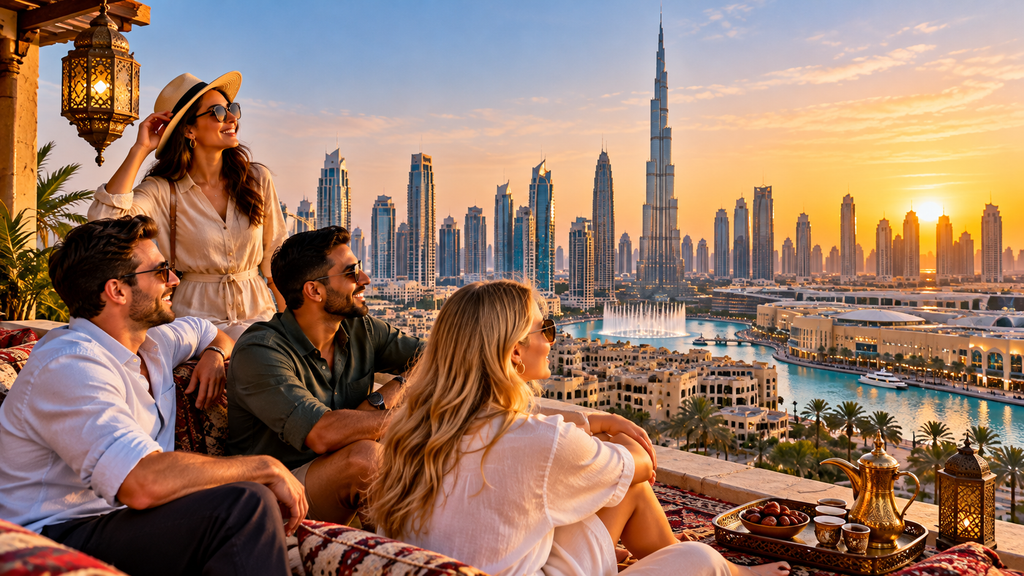
One lifestyle advantage often appreciated by expatriates is Dubai’s position as an international travel hub.
Residents can use their annual leave to reach destinations across:
- The Middle East
- South Asia
- Africa
- Europe
- Southeast Asia
This makes short holidays and long weekends more practical for people who enjoy travel.
Living in Dubai can also make exploring the UAE easier.
Residents can spend weekends in:
- Abu Dhabi
- Ras Al Khaimah
- Fujairah
- Hatta
- Sharjah
- Al Ain
This creates more variety than staying entirely within central Dubai.
A normal weekend might involve the beach in Dubai, mountains in Hatta or a resort in Ras Al Khaimah.
For expats who value travel and frequent changes of scenery, this accessibility can become a major part of the lifestyle.
11. Residents Can Choose Between Luxury and Budget Living
Dubai is often presented as a luxury city, but residents can experience it at very different spending levels.
One person might live in a premium waterfront apartment, use taxis daily and eat at luxury restaurants.
Another might share accommodation, use Metro, eat at neighbourhood restaurants and spend weekends at public beaches.
Both live in Dubai.
The difference in monthly spending can be enormous.
Higher-cost lifestyle choices may include:
- Premium rent
- Luxury cars
- Frequent brunches
- Beach clubs
- Food delivery
- International schools
- Regular travel
Lower-cost choices may include:
- Metro-connected neighbourhoods
- Shared housing where legally permitted
- Home cooking
- Public beaches
- Affordable local restaurants
- Free outdoor activities
The city itself does not force everyone into the same lifestyle.
However, social comparison can make overspending tempting.
Managing money well is one of the most important skills for long-term expat life.
12. The Dubai Lifestyle Makes Fitness and Wellness Easy to Prioritise
Fitness has become a visible part of life in Dubai.
Gyms, running tracks, cycling routes, sports clubs, yoga studios and wellness businesses operate across the city.
During cooler months, outdoor activity becomes especially attractive.
Visit Dubai highlights beaches, parks, walking routes and outdoor activities across the emirate, including Kite Beach, Dubai Creek and several city parks.
Residents can choose between expensive premium fitness clubs and much simpler routines.
A healthy weekend might include:
- Running at Kite Beach
- Walking around Dubai Marina
- Cycling
- Swimming
- Playing football
- Visiting a public park
Many residential buildings also include gyms and swimming pools.
This makes it easier to fit exercise around work, although long office hours and commuting can still make consistency difficult.
13. Dubai Offers a Strong Mix of Modern Life and Traditional Culture
The skyline receives most of the international attention, but Dubai is not only Downtown, Palm Jumeirah and luxury malls.
Residents can explore a different side of the city through:
- Al Fahidi Historical Neighbourhood
- Dubai Creek
- Deira souks
- Al Shindagha
- Traditional abra rides
- Cultural centres
Visit Dubai describes Dubai Creek and Al Fahidi as important areas for understanding the city’s heritage and maritime history.
For expats, learning this history can make life in the city feel more meaningful.
It is easy to stay within modern expatriate spaces and interact mainly with international businesses.
But understanding Emirati culture, Ramadan, local food, hospitality and social customs can create a much stronger connection with the place you live.
The best Dubai experience often combines both sides.
Enjoy the modern lifestyle, but also understand the city that existed before the skyscrapers.
14. Everyday Services and Infrastructure Save Residents Time
Modern infrastructure is another reason people enjoy the Dubai lifestyle.
Roads, airports, public transport, digital government services and delivery platforms are designed around a fast-moving urban population.
RTA’s network includes Metro, Tram, buses, taxis and marine transport, while its current service information shows the Metro operating across extensive daily hours throughout the week.
This does not mean commuting is always easy.
Peak-hour traffic remains a reality, and people living far from work can spend significant time on the road.
But when accommodation and workplace locations are chosen carefully, residents can build relatively efficient routines.
The city’s digital services also reduce the need to complete many tasks in person.
For expats accustomed to paperwork-heavy systems, being able to complete everyday processes online can become one of the most appreciated parts of living in Dubai.
15. Expats Like That Dubai Can Feel Different Every Weekend
One of the strongest advantages of Dubai is variety.
A weekend does not need to look the same every time.
One Friday or Saturday might involve a beach morning followed by dinner at Dubai Marina.
Another could include:
- Old Dubai
- A desert trip
- A museum
- A park
- A mall
- A hotel stay
- A day trip outside the emirate
Dubai’s official tourism platform describes the city as offering everything from traditional souks and heritage areas to beaches, creative districts and desert escapes.
That variety keeps the city interesting for people who have lived there for several years.
The challenge is avoiding the belief that every weekend needs to be expensive.
Some of the most enjoyable Dubai lifestyle experiences can be simple:
A sunset walk.
Coffee with friends.
A public beach.
An abra ride.
A neighbourhood restaurant.
The ability to choose between luxury and simplicity is part of what makes Dubai attractive.
Dubai Lifestyle Challenges Expats Should Consider
The Dubai lifestyle has many advantages, but a balanced view also requires looking at the challenges.
The first is cost.
Housing can take a large share of income, particularly in popular areas. Families may also need to budget for school fees, insurance, transport and childcare.
The second challenge is summer heat.
Dubai’s coastline and outdoor spaces are major lifestyle benefits during cooler months, but life becomes far more indoor-focused during periods of extreme heat.
Traffic can also affect quality of life.
A home that appears affordable can become frustrating if it creates a long daily commute.
Another challenge is lifestyle inflation.
Dubai makes premium experiences extremely accessible. Brunches, cars, restaurants, travel and shopping can quickly become normal rather than occasional.
Expats who compare themselves constantly with higher-spending social circles may find it difficult to save money even on a reasonable salary.
Finally, Dubai can feel temporary for some residents.
Many expatriates arrive on employment-linked visas and may not know whether they will stay for three years or fifteen.
That uncertainty can make long-term planning different from living in a country where permanent settlement is more straightforward.
How to Build a Dubai Lifestyle That Fits Your Budget
The best lifestyle is not necessarily the most expensive one.
Start with housing.
Instead of choosing a neighbourhood only because it is fashionable, calculate:
- Rent
- Commute time
- Transport costs
- Parking
- Nearby services
A slightly more expensive apartment close to work may actually cost less overall than a cheaper property requiring long taxi journeys.
Next, control recurring convenience expenses.
Food delivery and taxis are useful, but repeated small payments can become significant over a month.
Use Metro and buses where they make sense. Dubai’s public-transport network carried hundreds of millions of riders during the first half of 2026, demonstrating that these services are a central part of everyday mobility rather than simply tourist transport.
Mix paid activities with free ones.
Visit public beaches, explore Old Dubai, walk along the Marina and use parks instead of assuming entertainment always requires tickets.
Finally, save before upgrading your lifestyle.
A larger apartment or expensive car is much easier to enjoy when it does not eliminate your emergency fund.
Is the Dubai Lifestyle Right for Every Expat?
Dubai can be an excellent city for someone who values convenience, international exposure, warm weather, career opportunities and a fast-moving environment.
It may be especially attractive to people who enjoy:
- Urban life
- Travel
- International communities
- Restaurants
- Beaches
- Modern infrastructure
- Professional networking
Someone seeking a slower, inexpensive or highly permanent lifestyle may have different priorities.
The city can also feel very different depending on income.
A professional with employer-provided health insurance, housing support or school allowances may experience Dubai differently from someone paying all those expenses personally.
That is why comparisons based only on salary are often misleading.
A AED 20,000 monthly salary can produce very different lifestyles depending on rent, debt, family size, school fees and transport.
The most successful expatriates usually understand this early.
They build a version of Dubai that matches their actual finances rather than trying to imitate someone else’s lifestyle.
Dubai Lifestyle: Why So Many Expats Continue to Enjoy It
The Dubai lifestyle appeals to expatriates because it brings together several advantages that are difficult to find in one place.
Residents can build international careers while living close to beaches, restaurants, shopping, entertainment and major transport links.
They can meet people from around the world while also discovering Emirati history and culture.
Dubai’s public-transport ecosystem is heavily used, with RTA reporting around 348 million journeys across public transport, shared mobility and taxis in the first half of 2026. At the same time, the city’s official tourism authority continues to highlight safety as one of Dubai’s major strengths.
The city also gives residents choices.
Life can be highly luxurious, but it does not have to be.
Public beaches, heritage districts, parks and waterfront walks make it possible to enjoy Dubai without spending heavily every weekend.
For many expats, that combination of safety, convenience, opportunity and variety explains why a temporary job posting can eventually turn into several years of life in Dubai.
The strongest version of the Dubai lifestyle is therefore not about constant luxury.
It is about using the city’s opportunities intelligently, building a community, managing money well and creating a daily routine that makes living abroad feel sustainable.
Do follow us on Instagram
Read More – How Salik Works in Dubai: Toll Gates, Charges and Rules Explained