



Award-Winning Humanitarian | CSR and Sustainability Advocate | Global Philanthropy Leader
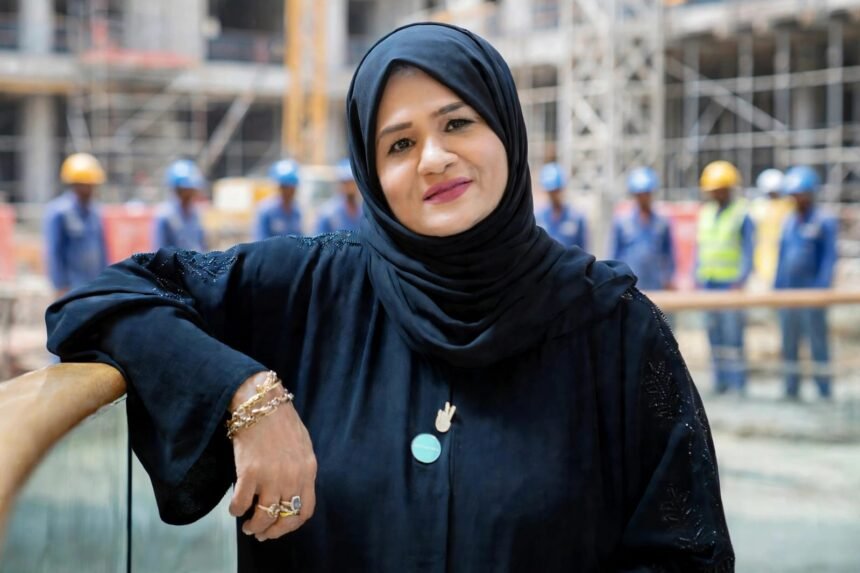
Some journeys are defined by professional milestones, while others are remembered through the lives they touch. For Juhi Yasmeen Khan, humanitarianism has always been about the second kind of journey. Her work has been shaped by compassion, community service and a simple belief that no person should feel abandoned during a difficult moment.
- A Humanitarian Journey That Begins With People
- When the Pandemic Turned Strangers Into Family
- Compassion Beyond Nationality or Background
- Building a Wider Culture of Giving
- From Humanitarianism to Environmental Responsibility
- A Journey Deeply Connected to the UAE
- Recognition for a Life of Service
- The Next Chapter of Juhi Yasmeen Khan
An Indian national who has lived in the UAE for more than 31 years, Juhi has built a reputation through her involvement in humanitarian causes, philanthropy, corporate social responsibility and sustainability. Her experiences have taken her into situations involving families separated across borders, workers stranded far from home, people seeking medical assistance and communities facing unexpected hardship.
Yet behind the recognition associated with her work is a deeply personal approach. Juhi believes that every humanitarian case represents a real person with a family, emotions, fears and hopes. For her, helping someone is not simply about solving a problem. It is about making that person feel seen, supported and less alone.
A Humanitarian Journey That Begins With People
Juhi’s approach to humanitarian work is rooted in listening. Rather than seeing charity only as financial assistance, she views support as something that can take many forms. Sometimes it means connecting someone with medical help. At other times, it means helping a family navigate an emergency or finding a practical solution for someone stranded in another country.
One of the experiences that reflects this approach involved an Indian widow stranded in London while her daughter was living in Dubai. The separation created a difficult and emotional situation for the family. Juhi became involved in helping navigate the circumstances and worked toward bringing the mother and daughter back together.
Another case involved a 10-year-old Indian boy stranded in Kenya while separated from his pregnant mother. With travel options severely limited, Juhi helped support arrangements that enabled the child to return to his mother through a cargo flight.
These experiences reinforced something that Juhi had already come to understand: humanitarian work is ultimately about individual lives. Behind every request is a person waiting for help and a family hoping for a positive outcome.
When the Pandemic Turned Strangers Into Family
The COVID-19 pandemic became one of the most significant periods of Juhi’s humanitarian journey. As international borders closed and flights were cancelled, thousands of migrant workers and expatriates found themselves facing uncertainty. Some were without accommodation, while others struggled to access food, medical support and a way home.
During this challenging period, Juhi became involved in supporting members of the African community who were experiencing severe difficulties. Her efforts contributed to the organization of the Labourers Relief and Rescue Camp, which provided accommodation, food and medical care to around 300 women and men from Ghana, Nigeria and other African nations.
Among those affected were 44 Ghanaian expatriates who wanted to return to their families. Juhi helped support their repatriation and assisted with essential requirements including air tickets, accommodation, food and medical needs.
The experience created a bond that went beyond humanitarian assistance. The people she helped began calling her “Mummy.”
For Juhi, the word represented something more meaningful than a formal title. It reflected the trust people placed in her during a period when many were frightened, separated from their families and uncertain about what would happen next.
Those relationships became one of the most memorable parts of her humanitarian journey.
Compassion Beyond Nationality or Background
A defining feature of Juhi’s work is her inclusive outlook. Her humanitarian efforts have involved people from different nationalities, communities and social backgrounds.
She believes that genuine compassion should not depend on where a person comes from, what language they speak or what their financial circumstances may be. A person facing hardship deserves to be treated with dignity.
This philosophy has influenced her work with workers, families, women, children, patients and people caught in unexpected crises. Her experience in the UAE, a country where people from many cultures live and work together, has further strengthened her belief in community and cooperation.
For Juhi, humanitarianism is not limited to responding to emergencies. It also involves creating opportunities for people to rebuild confidence, connect with others and become more independent.
Building a Wider Culture of Giving
As her personal involvement in community service developed, Juhi expanded her work through initiatives and organizations including Dar Al Ber Society, JYK Community Services and Future Philanthropist CSR Initiatives.
Her work has focused on connecting individuals, organizations, charities, volunteers and businesses around causes that can create meaningful social impact.
Initiatives such as The Friday Market and Happiness Market have reflected this broader philosophy. These community-focused activities provide opportunities for people to interact, participate and become part of a wider social environment.
For Juhi, empowerment can be just as important as immediate relief. Giving someone assistance during a crisis can solve an urgent problem, while creating opportunities for participation and self-reliance can contribute to longer-term change.
She also encourages younger generations to understand that humanitarian action does not require wealth or a prominent position. Helping can begin with volunteering, listening to someone, making a useful connection, sharing knowledge or simply being present when another person needs support.
From Humanitarianism to Environmental Responsibility
Juhi’s understanding of social responsibility has gradually expanded from supporting people to protecting the environment they depend on.
This vision led to ECO Walk, a global movement founded by Juhi to encourage environmental awareness and community participation in climate action. The initiative was launched during COP28 in Dubai and reflects her belief that sustainability can become part of everyday life.
Rather than presenting environmental responsibility as something distant or complicated, ECO Walk encourages people, families and communities to engage with practical actions and develop greater awareness of their surroundings.
For Juhi, the connection between humanitarianism and sustainability is natural. Caring for people means caring about the world in which future generations will live.
Her sustainability advocacy therefore adds another dimension to her work, connecting philanthropy, community engagement and environmental responsibility.
A Journey Deeply Connected to the UAE
More than three decades of life in the UAE have played an important role in Juhi’s personal and professional journey.
She has experienced the country’s multicultural environment and encountered people from many parts of the world. These interactions have influenced her understanding of community and strengthened her belief that people often share similar aspirations regardless of their backgrounds.
Her Indian heritage remains an important part of her identity, while her long association with the UAE has provided the environment in which much of her humanitarian work has developed.
The values of generosity, tolerance and community that she associates with her life in the UAE have become closely connected to the way she approaches philanthropy and social responsibility.
Recognition for a Life of Service
Juhi’s contributions have received recognition through several awards and honors, including the Mother Teresa Award, World Humanitarian Award and the PreDecessors Awards, including recognition for charity initiatives.
She has also been recognized among the 50 Most Influential Women in the Arab World by Arabian Business and CEO Middle East.
Beyond awards, Juhi has participated as a judge and advisor on sustainability and CSR platforms, further extending her role from humanitarian practitioner to mentor and advocate.
However, recognition has never been the central motivation behind her work. The experiences that remain closest to her are the personal ones: families reunited, people receiving help during difficult moments and individuals finding a sense of security when they were far from home.
The memory of the Ghanaian expatriates calling her “Mummy” remains particularly symbolic of the relationships created through her work.
The Next Chapter of Juhi Yasmeen Khan
Today, Juhi Yasmeen Khan continues to work across humanitarian causes, community welfare, women’s empowerment and sustainability. She also mentors emerging changemakers and participates in conversations around philanthropy, CSR and social impact.
Her journey demonstrates how one person’s willingness to respond to the needs of others can develop into a broader commitment to community.
The most powerful moments in her story are not necessarily connected to awards or public recognition. They are found in the quieter moments when someone needed help and Juhi chose to respond.
Her story is ultimately about the human connection behind humanitarian work. A phone call can reconnect a family. A helping hand can give someone the confidence to continue. A community can become a temporary home for people separated from their own. And a simple act of compassion can remain with someone long after the immediate crisis has passed.
For Juhi Yasmeen Khan, this continues to be the essence of her work: helping people feel that they are not alone, while encouraging communities to care for both people and the planet.
Follow Juhi Yasmeen Khan on Instagram
Read More – Best AI Tools for Real Estate in Dubai: Complete 2026 Guide