
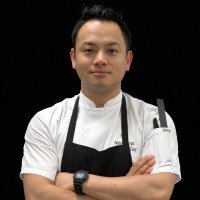
Building Powerful Leadership Behind Every Perfect Plate
Guests sitting inside a restaurant usually see only the final result. A beautifully prepared plate arrives at the table, the presentation looks effortless, and the dining experience moves smoothly. Behind that moment, however, is a professional kitchen operating through preparation, timing, communication and constant attention to detail.
- Building a Career Through Discipline
- Learning to Perform Under Pressure
- Leadership Begins Before Service Starts
- Consistency Matters More Than One Great Plate
- Creativity Still Needs Structure
- Working in Abu Dhabi’s Diverse Hospitality Scene
- The People Behind Hospitality Matter
- Every Service Becomes Another Lesson
- The Next Chapter for Nima Sherpa
For Nima Sherpa, working as a Sous Chef in Abu Dhabi places him at the heart of that demanding environment.
His professional journey represents a side of hospitality that guests rarely witness. The Sous Chef is expected to understand food, support a kitchen team, maintain standards and respond quickly when service becomes intense. It is a position where technical ability and leadership have to work together every day.
Building a Career Through Discipline
Culinary careers are rarely built overnight.
Chefs develop through repeated practice, long hours, constant observation and a willingness to improve even when a technique already feels familiar. Every ingredient, cooking method and service period offers another opportunity to learn.
For Nima, reaching the position of Sous Chef represents a level of professional responsibility that goes beyond preparing individual dishes.
A Sous Chef has to understand what is happening across the kitchen. Different sections may be working simultaneously, orders can arrive quickly and every plate still has to meet expected standards.
That requires discipline.
Preparation has to begin before guests arrive, because successful service is usually determined by the work completed long before the busiest moment begins.
Learning to Perform Under Pressure
Professional kitchens can change pace within seconds.
A quiet period may suddenly turn into a rush of orders. One unexpected delay can affect several dishes, and every member of the team has to remain focused.
This is where experience begins to matter.
For a Sous Chef, pressure is not only personal. The role includes helping the wider team remain organised when circumstances become demanding.
Panicking rarely solves a kitchen problem. Clear thinking does.
Nima’s position therefore requires the ability to make decisions while protecting quality and timing. These moments may never be visible to diners, but they help shape the experience that eventually reaches the table.
Leadership Begins Before Service Starts
Leadership inside a kitchen does not begin when something goes wrong.
It begins with preparation.
Ingredients have to be ready. Stations need to be organised. Responsibilities should be understood. Team members need clarity about what is expected before service becomes busy.
The Sous Chef plays an important role in creating that structure.
Nima’s professional responsibilities reflect a form of leadership that is practical rather than ceremonial. There may be no time for long discussions during a busy service. Communication has to be direct, useful and easy to understand.
A good kitchen leader also has to recognise that different team members may need different kinds of support.
Some need guidance. Others need confidence. Experienced colleagues may simply need space to perform their responsibilities effectively.
Consistency Matters More Than One Great Plate
Creating one excellent dish is an achievement. Creating it repeatedly is professional hospitality.
Restaurants and hotels depend heavily on consistency because guests arrive with expectations. Someone returning to a dining venue may order the same meal because they want the experience they remember.
Delivering that standard day after day is difficult.
Ingredients can vary. Kitchens become busy. Teams change. Unexpected situations occur.
Yet the guest still expects quality.
For Nima, working as a Sous Chef means contributing to the systems that make consistency possible. Cooking techniques, portion control, preparation, presentation and timing all have to remain aligned.
The strongest kitchens make this discipline look effortless, even though considerable work happens behind the scenes.
Creativity Still Needs Structure
Cooking is creative, but professional cooking cannot depend on inspiration alone.
Chefs may experiment with flavours, textures, ingredients and presentation, but every idea eventually has to work inside a functioning kitchen.
A dish that takes too long to prepare may create service problems. An attractive concept may need adjustment to remain consistent. Ingredients also have to be used carefully to control quality and waste.
This balance between creativity and practicality is part of culinary growth.
As a Sous Chef, Nima operates in a position where those two worlds meet. Food needs personality, but the kitchen also needs systems.
Learning how to protect both is one of the challenges that can turn a skilled cook into a stronger culinary professional.
Working in Abu Dhabi’s Diverse Hospitality Scene
Abu Dhabi offers chefs exposure to an international hospitality environment.
Residents and visitors come from different countries and cultural backgrounds, bringing different expectations around food, flavour and dining experiences.
For culinary professionals, this diversity can become an education in itself.
Working in such an environment encourages flexibility and curiosity. Chefs may encounter ingredients, techniques and preferences beyond those they first learned.
The experience can also strengthen communication because professional kitchens often bring together employees from several nationalities.
For Nima, building his Sous Chef career within this environment provides an opportunity to continue developing both culinary and leadership skills.
The People Behind Hospitality Matter
Professional kitchens depend on teamwork more than outsiders sometimes realise.
No chef creates a complete dining experience alone.
Someone prepares ingredients. Another person manages a station. Others focus on pastry, sauces, presentation or cleaning. Front of house teams then carry the finished work to guests.
Every role connects.
A Sous Chef stands in an important position within that system because leadership must connect with execution.
Nima’s journey therefore reflects more than individual culinary ability. It also represents the importance of learning how to work with people.
Respect inside a kitchen can influence performance just as strongly as technical skill.
When team members trust one another, communication becomes faster and problems can be solved more effectively.
Every Service Becomes Another Lesson
One of the interesting things about hospitality is that learning never completely ends.
Even experienced chefs encounter new ingredients, changing food trends, different guest expectations and unexpected challenges.
That makes curiosity valuable.
A professional who believes there is nothing left to learn can quickly fall behind in an industry that continues to evolve.
Nima’s current position offers daily opportunities to develop. A difficult service can improve decision making. A successful dish can inspire another idea. Feedback can reveal where standards need adjustment.
Growth often happens through these ordinary moments rather than one dramatic breakthrough.
The Next Chapter for Nima Sherpa
Nima Sherpa’s story reflects the quiet determination required to build a professional culinary career.
The title Sous Chef may appear simple on a profile, but behind it is responsibility for preparation, teamwork, standards, timing, problem solving and leadership.
His journey also highlights an important truth about hospitality.
Guests often remember the plate but never see the hours of preparation behind it. They enjoy smooth service without witnessing the communication required to create it.
For Nima, those unseen moments are where professional growth continues to happen.
Every demanding shift can strengthen discipline. Every team challenge can develop leadership. Every plate provides another opportunity to maintain a standard.
The road ahead may bring greater responsibility and new culinary challenges, but the foundation remains the same.
In professional kitchens, lasting success is rarely created through one impressive moment. It is built through consistency, humility, teamwork and the decision to keep improving long after the basics have been mastered.
Do follow Nima Sherpa on LinkedIn
Read More – Best AI Tools Everyone Is Using in 2026