


Redefining Arabic Music Through AI And Storytelling
In an entertainment industry increasingly shaped by technology, the idea of an artist is changing. Music no longer has to begin in a traditional studio, and performers do not always have to exist in physical form. Across the global music landscape, artificial intelligence is opening new possibilities for songwriting, production, visual identity and performance. The Arab world is becoming part of that transformation too.
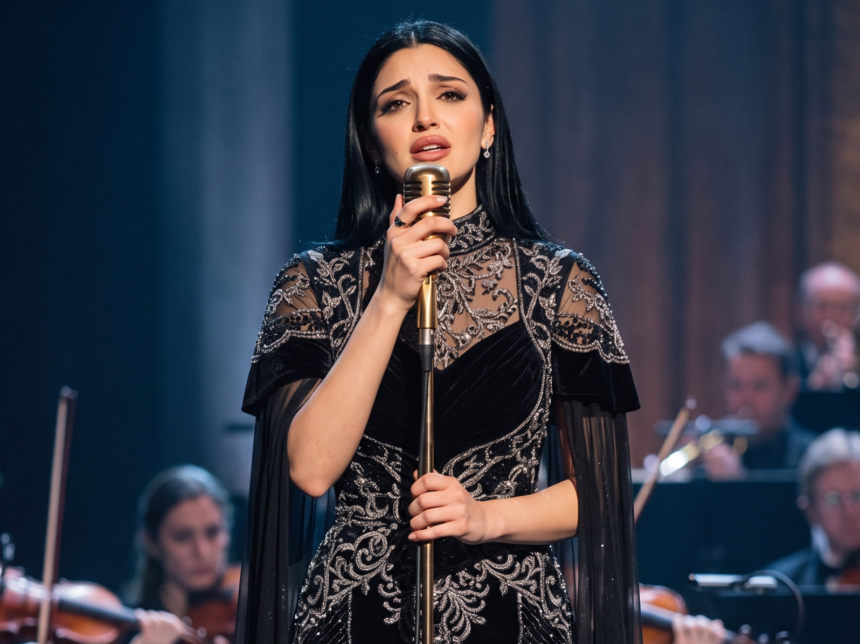
At the center of this emerging space is Rama, a virtual AI artist created around a simple but ambitious question: Can technology create an artist that audiences can genuinely feel connected to?
What began as an experiment has gradually developed into an independent music project built around original Arabic music, artificial intelligence, virtual character development and cinematic visual storytelling. But Rama is not simply about demonstrating what AI can do. The larger ambition is to create a recognizable artistic identity that feels contemporary while remaining connected to Arabic and Gulf culture.
The timing is significant. AI generated music is rapidly becoming part of conversations across the Arab music industry, with new virtual singers, AI production tools and Arabic focused music technologies appearing across the region.
From A Technology Experiment To A Music Identity
Every creative project has a starting point. For Rama, it was curiosity.
The concept began with an experiment into whether artificial intelligence could become part of a complete artistic world rather than simply functioning as a production tool. Instead of treating AI as something operating quietly behind the scenes, the project explored what could happen if technology became part of the artist itself.
That meant developing more than songs.
Rama required a personality, a visual presence, a musical direction and a story. Music production had to work alongside virtual character development, while cinematic visuals needed to complement the emotions within each release.
Gradually, the experiment became a structured creative project.
Today, Rama is developing as an independent virtual artist with original Arabic music distributed through digital and social platforms. The journey demonstrates how an idea that initially seems experimental can evolve when creativity, persistence and technology are brought together with a clear purpose.
Building An Artist For The Digital Generation
Rama’s identity is designed for an audience that consumes entertainment differently from previous generations.
For today’s listeners, discovering an artist can happen through a short video, a social media post, a visual teaser or a song clip long before someone listens to an entire album. Music and visual storytelling increasingly exist together, creating opportunities for artists to build complete digital worlds around their work.
Rama embraces that environment.
The project combines original Arabic music with cinematic visuals to make every release feel like part of a broader experience. The virtual nature of the artist also creates creative freedom. There are fewer traditional limitations surrounding physical performances, visual presentation and character development.
Yet the goal is not to make Rama feel distant or artificial.
The ambition is almost the opposite.
The project seeks to create an emotional connection with listeners, allowing audiences to engage with the music first and discover the technology behind the artist later.
That response has become one of the most meaningful signs of progress.
When listeners connect emotionally with a song before realizing that the performer is virtual, it suggests that the emotional language of music can sometimes matter more than the physical identity of the person delivering it.
Keeping Arabic And Gulf Identity At The Heart
Technology may be the foundation of Rama’s format, but Arabic identity remains central to the vision.
This distinction is important because AI music is not simply about generating sound. Arabic music carries its own musical traditions, vocal characteristics, rhythms and cultural references. Modern AI developers are increasingly exploring ways to create music that understands Arabic musical structures rather than simply adapting Western approaches.
Rama’s direction reflects that broader opportunity.
The objective is to create contemporary music without disconnecting it from the cultural identity that gives Arabic music its emotional character. The Gulf influence adds another layer, helping establish a distinctive identity within a rapidly expanding digital entertainment landscape.
This balance between heritage and innovation could become one of Rama’s strongest characteristics.
Rather than presenting technology as a replacement for culture, the project treats technology as a new medium through which culture can be expressed.
The Biggest Lesson Has Been About Emotion
The most important learning from Rama’s journey may have little to do with technology.
It is about emotion.
AI can provide powerful creative capabilities, but technology by itself does not automatically produce something meaningful. A technically impressive song can still feel empty if there is no story, emotion or creative direction behind it.
Rama’s development has reinforced the belief that technology works best when it serves an artistic purpose.
That philosophy separates the project from the idea of creating content simply because AI makes production easier. The intention is to build music that has a reason to exist and visuals that support the feeling behind each release.
It is a particularly relevant approach at a time when the music industry is dealing with a huge increase in AI generated content. Streaming platforms and music organizations are now working to distinguish meaningful AI assisted creativity from mass produced material created primarily to manipulate platforms.
For Rama, creative identity is therefore just as important as technological capability.
Growing Through Audience Curiosity
One of Rama’s most interesting strengths is the curiosity surrounding the project.
There is something naturally intriguing about discovering a singer and then learning that the artist is virtual. That moment of realization can encourage audiences to look deeper into the music, the character and the creative process.
But curiosity alone cannot sustain an artist.
The music has to create a reason for people to return.
That is why Rama’s journey is focused on developing an identifiable sound and visual language rather than relying only on the novelty of artificial intelligence. As the project grows, every release becomes an opportunity to strengthen the relationship between the character, the music and the audience.
The growing interest from musicians, songwriters, media professionals and creative collaborators also points toward a wider possibility. Rama could eventually become a platform where traditional creative talent and emerging technology meet.
A Bigger Vision For The Arab World
The long term ambition extends well beyond creating a successful virtual character.
Rama aims to become one of the leading virtual artists in the Arab world before eventually reaching international audiences.
That vision includes producing more original Arabic music, working with established songwriters and composers, collaborating with brands and continuing to explore the space where music, technology and entertainment overlap.
International expansion could be particularly interesting because Arabic music already has an audience far beyond the region. A virtual artist with a strong cultural identity could introduce Arabic storytelling and musical influences to listeners who may be discovering them for the first time.
At the same time, Rama has the opportunity to demonstrate that innovation in entertainment does not have to mean leaving cultural identity behind.
Rama And The Next Chapter Of Music
The story of Rama is ultimately a story about experimentation becoming ambition.
What started as a question about whether AI and creativity could coexist has developed into a growing virtual music project with its own identity, original Arabic releases and a developing audience.
The road ahead will bring new challenges. The virtual artist space is becoming increasingly competitive, while audiences are becoming more aware of how AI generated entertainment is created. Authenticity, originality and transparency will therefore remain important parts of the conversation.
For Rama, however, the opportunity lies in building something that goes beyond the technology itself.
The future could see Rama collaborate with human musicians, composers, writers, brands and filmmakers to create increasingly ambitious experiences. With every release, the project can continue refining its sound, strengthening its character and exploring new ways to tell Arabic stories through digital entertainment.
In an industry where the definition of an artist is being rewritten, Rama represents a fascinating new possibility.
Not a replacement for human creativity, but a new creative format shaped by it.
And perhaps that is what makes Rama’s journey worth watching. The most interesting question is no longer whether a virtual artist can exist. It is whether audiences will care enough to make that artist part of their musical world.
For Rama, that journey has already begun.
Follow Rama on Instagram
Read More – How Adam Kiani Turned Challenges Into Lasting Impact