



Complete Guide for Job Seekers in 2026 UAE Common Interview Questions
Finding a job in the United Arab Emirates can be an exciting opportunity, but performing well in a job interview is often the most important step toward getting hired. Whether you are applying for a position in Dubai, Abu Dhabi, Sharjah, Ajman, or another UAE emirate, employers generally look for candidates who demonstrate professional skills, confidence, communication ability, adaptability, and a clear understanding of the role.
- Why Interview Preparation Is Important in the UAE
- 1. UAE Common Interview Questions: Tell Me About Yourself
- 2. Why Do You Want to Work in the UAE?
- 3. Why Do You Want to Work for Our Company?
- 4. What Do You Know About Our Company?
- 5. Why Should We Hire You?
- 6. What Are Your Strengths?
- 7. What Is Your Biggest Weakness?
- 8. Why Did You Leave Your Previous Job?
- 9. What Are Your Salary Expectations?
- 10. Where Do You See Yourself in Five Years?
- 11. Are You Willing to Relocate Within the UAE?
- 12. How Do You Handle Pressure?
- 13. How Do You Handle Workplace Conflict?
- 14. Are You a Team Player?
- 15. How Do You Work With People From Different Cultures?
- 16. Describe a Difficult Problem You Solved
- 17. What Is Your Greatest Professional Achievement?
- 18. How Do You Prioritize Your Work?
- 19. How Do You Handle a Difficult Customer?
- 20. Are You Comfortable Working Overtime or Shifts?
- 21. What Is Your Notice Period?
- 22. Do You Have UAE Work Experience?
- 23. What Are Your Notice Period and Availability?
- 24. Do You Have Any Questions for Us?
- Common UAE Interview Questions for Freshers
- Common UAE Interview Questions for Experienced Professionals
- UAE Interview Questions by Industry
- Tips for a Successful UAE Job Interview
- UAE Interview Mistakes to Avoid
- How to Answer UAE Interview Questions Confidently
- Final Checklist Before Your UAE Job Interview
UAE job interviews can vary depending on the company, industry, position, and level of experience. A multinational company may conduct several rounds of interviews, while a small or medium-sized business may make a hiring decision after one or two meetings. Interviews can also take place in person, over the phone, or through online platforms.
Preparing for UAE common interview questions can help you communicate your experience more effectively and reduce interview anxiety. This guide covers frequently asked UAE interview questions, sample answers, preparation tips, and important mistakes to avoid.
Why Interview Preparation Is Important in the UAE
The UAE has a highly competitive employment market that attracts professionals from many countries. Employers may have access to candidates with similar qualifications, so your interview performance can make a significant difference.
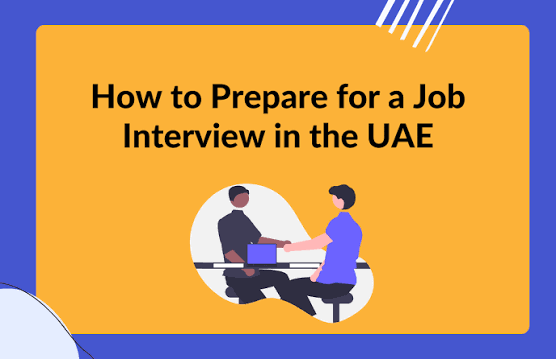
Interview preparation allows you to:
- Understand what employers are likely to ask.
- Present your professional experience clearly.
- Explain your strengths and achievements.
- Demonstrate knowledge of the company and position.
- Prepare examples of your previous work.
- Answer difficult questions confidently.
- Avoid unnecessary or unclear responses.
- Make a strong professional impression.
You should not memorize every answer word for word. Instead, understand the key points you want to communicate and practice explaining them naturally.
1. UAE Common Interview Questions: Tell Me About Yourself
This is one of the most common interview questions in the UAE and worldwide. The interviewer usually wants a short professional introduction rather than a detailed description of your personal life.
A good answer should include your professional background, relevant experience, important skills, and what you are currently looking for.
Example answer:
“I am a marketing professional with five years of experience in digital marketing, content strategy, and social media management. In my previous position, I worked on campaigns that improved online engagement and generated qualified leads. I enjoy working in fast-paced environments and using data to improve marketing performance. I am now looking for an opportunity in the UAE where I can contribute my experience while continuing to develop professionally.”
Keep your answer focused and relevant to the job.
2. Why Do You Want to Work in the UAE?
This question is particularly common when interviewing expatriate candidates. Employers want to understand your motivation for choosing the UAE and whether you are genuinely interested in building your career there.
Avoid making your answer only about salary or lifestyle. Instead, discuss professional growth, the UAE’s business environment, international exposure, and the opportunity to contribute to the organization.
Example answer:
“I am interested in working in the UAE because it offers a dynamic and international business environment. The country has opportunities across several industries and provides exposure to professionals and customers from different markets. I believe my experience and skills would allow me to contribute to a UAE-based organization while also developing my career.”
3. Why Do You Want to Work for Our Company?
Research the company before attending the interview. Learn about its products or services, industry, values, recent developments, and target customers.
Your answer should connect the company’s needs with your skills.
Example answer:
“I am interested in your company because of its strong position in the market and its focus on delivering high-quality services. After reviewing the job description, I believe my experience in project coordination and client communication matches the requirements of this position. I would like to contribute those skills while growing within the organization.”
4. What Do You Know About Our Company?
This question tests whether you have prepared for the interview.
Before the interview, research:
- Company history.
- Products and services.
- Industry.
- Major markets.
- Company website.
- Recent announcements.
- Job description.
- Company culture and values.
Do not simply repeat information from the company’s website. Explain what you found interesting and connect it to the position.
5. Why Should We Hire You?
This question gives you an opportunity to explain your value.
Focus on three areas:
- Your relevant skills.
- Your professional achievements.
- How you can solve the employer’s problems.
Example answer:
“You should consider me because I have the technical skills required for this position along with practical experience managing responsibilities independently. In my previous role, I improved workflow efficiency and consistently met deadlines. I am also comfortable working with diverse teams, which I believe is particularly valuable in an international working environment like the UAE.”
6. What Are Your Strengths?
Choose strengths that are relevant to the position. Avoid giving a long list of generic qualities.
Good examples include:
- Communication.
- Problem-solving.
- Leadership.
- Time management.
- Teamwork.
- Adaptability.
- Customer service.
- Analytical thinking.
- Organization.
- Technical expertise.
Always support your strength with a short example.
For instance, instead of saying, “I am a good problem solver,” say, “I am comfortable solving problems under pressure. In my previous role, I identified a recurring process issue and introduced a simpler workflow that reduced delays.”
7. What Is Your Biggest Weakness?
This can be a difficult question. The interviewer is generally assessing self-awareness and your willingness to improve.
Choose a genuine but manageable weakness and explain what you are doing to improve it.
Example:
“Earlier in my career, I sometimes spent too much time perfecting smaller details. I have improved this by prioritizing tasks according to their business impact and setting realistic deadlines for each assignment.”
Avoid answers such as “I have no weaknesses.” They may sound unrealistic.
8. Why Did You Leave Your Previous Job?
Remain professional when answering this question. Never criticize your former employer, manager, or colleagues.
You can focus on career development, new responsibilities, relocation, or seeking an opportunity that better matches your long-term goals.
Example answer:
“I learned a lot in my previous position and appreciated the experience I gained there. I am now looking for a role that provides greater responsibility and opportunities to apply my skills in a larger and more international business environment.”
9. What Are Your Salary Expectations?
Salary expectations are an important part of UAE job interviews. Research the typical salary range for your position, experience level, industry, and location before the interview.
A flexible response can be useful when you do not yet know the complete compensation package.
Example answer:
“I am looking for a competitive package that reflects my experience and the responsibilities of the position. I am open to discussing the company’s budget and the complete compensation package.”
Consider the entire package rather than focusing only on the basic salary. Depending on the employer and position, compensation may include benefits such as allowances, insurance, bonuses, annual leave, or other benefits.
10. Where Do You See Yourself in Five Years?
Employers want to know whether you have realistic career goals.
Your answer should demonstrate ambition while remaining relevant to the company.
Example answer:
“In five years, I would like to have developed strong expertise in my field and taken on greater responsibilities. I hope to contribute to major projects, develop leadership skills, and become someone the organization can rely on for important initiatives.”
11. Are You Willing to Relocate Within the UAE?
Some companies may require employees to work in different emirates or locations.
If you are flexible, state that clearly. If you have genuine restrictions, be honest.

Example answer:
“Yes, I am open to relocating within the UAE if the position requires it. I understand that business requirements can sometimes involve working from different locations.”
12. How Do You Handle Pressure?
Many UAE workplaces are fast-paced, particularly in industries such as hospitality, retail, logistics, construction, finance, technology, and sales.
Explain your process for managing pressure.
A strong answer might include:
- Prioritizing urgent tasks.
- Breaking large assignments into smaller steps.
- Communicating early when challenges arise.
- Staying organized.
- Maintaining quality under deadlines.
Example answer:
“I handle pressure by prioritizing tasks according to urgency and business impact. I break larger projects into manageable steps and communicate with my team if priorities change. This helps me remain focused without compromising the quality of my work.”
13. How Do You Handle Workplace Conflict?
Employers want employees who can manage disagreements professionally.
Use an example that demonstrates communication and problem-solving rather than confrontation.
Example answer:
“I try to understand the other person’s perspective before responding. If there is a disagreement, I focus on the issue rather than the individual and look for a solution that supports the team’s objectives. In my previous role, this approach helped resolve differences over project priorities without affecting the working relationship.”
14. Are You a Team Player?
Teamwork is highly valued in many UAE organizations because workplaces often include employees from different professional and cultural backgrounds.
Explain how you contribute to a team.
You could mention:
- Sharing information.
- Supporting colleagues.
- Listening to different viewpoints.
- Meeting your responsibilities.
- Helping the team achieve common goals.
15. How Do You Work With People From Different Cultures?
The UAE has a highly international workforce. Cultural awareness, respect, and adaptability are therefore important professional qualities.
Example answer:
“I enjoy working with people from different backgrounds because it allows me to learn different perspectives. I communicate respectfully, avoid assumptions, and focus on shared professional objectives. I believe flexibility and clear communication are essential when working in a multicultural environment.”
16. Describe a Difficult Problem You Solved
Behavioral questions are increasingly common in professional interviews. A useful way to answer them is the STAR method:
- Situation: Explain the background.
- Task: Describe your responsibility.
- Action: Explain what you did.
- Result: Describe the outcome.
For example, you could explain how you solved a customer complaint, fixed a process problem, completed a project under a tight deadline, or improved operational efficiency.
17. What Is Your Greatest Professional Achievement?
Choose an achievement that demonstrates measurable value.
Whenever possible, mention results such as:
- Increased sales.
- Reduced costs.
- Improved customer satisfaction.
- Faster project completion.
- Increased productivity.
- Improved website traffic.
- Reduced errors.
For example: “One of my biggest achievements was helping redesign our customer onboarding process, which reduced processing time and improved the overall customer experience.”
18. How Do You Prioritize Your Work?
Employers want to know whether you can manage competing responsibilities.
Explain how you identify urgent and important tasks, organize deadlines, and adjust priorities when business requirements change.
A good approach is to say that you:
- Review all deadlines.
- Identify high-impact tasks.
- Complete urgent priorities.
- Break large projects into stages.
- Communicate changes with relevant team members.
- Review progress regularly.
19. How Do You Handle a Difficult Customer?
This is especially important for customer-facing positions.
A strong response should emphasize patience, listening, empathy, problem-solving, and company policy.
Example answer:
“I first listen carefully to understand the customer’s concern without interrupting. I acknowledge the issue, explain what I can do to help, and provide a practical solution within company policy. If the issue requires escalation, I involve the appropriate person while keeping the customer informed.”
20. Are You Comfortable Working Overtime or Shifts?
Some UAE industries require employees to work shifts, weekends, holidays, or extended hours depending on operational requirements.
Answer honestly. If you are flexible, communicate your availability clearly.
Do not promise unlimited availability if it is not realistic.
21. What Is Your Notice Period?
Employers may ask about your availability before making an offer.
Be clear about your current employment status and expected joining date. If you are immediately available, say so. If you have a contractual notice period, provide the correct duration.
Never provide false information about your availability.
22. Do You Have UAE Work Experience?
If you have previous UAE experience, explain the industry, role, responsibilities, and achievements.
If you do not have UAE experience, do not apologize for it. Instead, highlight transferable international experience and your ability to adapt.
Example answer for candidates without UAE experience:
“Although I have not previously worked in the UAE, I have experience working with diverse customers and teams. I have also researched the requirements of this market and understand the importance of professionalism, adaptability, and strong communication. I am confident that I can adapt quickly.”
23. What Are Your Notice Period and Availability?
This question may appear straightforward, but accuracy is important. Employers need to understand when you can realistically begin work.
Be prepared to discuss:
- Current employment status.
- Notice period.
- Expected joining date.
- Relocation requirements.
- Availability for additional interview rounds.
24. Do You Have Any Questions for Us?
Most interviews end with this question. Saying “No” can mean missing an opportunity to demonstrate interest.
Prepare two or three thoughtful questions.
You can ask:
- “What would success look like in this role during the first six months?”
- “What are the team’s biggest priorities at the moment?”
- “How is performance evaluated for this position?”
- “What opportunities are available for professional development?”
- “What are the next steps in the recruitment process?”
Avoid asking only about salary, holidays, or benefits during the first conversation unless the interviewer raises the subject.
Common UAE Interview Questions for Freshers
Fresh graduates and candidates with limited experience may face questions designed to assess potential rather than professional achievements.
Common questions include:
- Tell us about yourself.
- Why did you choose this career?
- Why do you want to work in the UAE?
- What did you learn during your studies?
- What are your strengths?
- What is your biggest weakness?
- How do you handle pressure?
- Describe a project you completed.
- What are your career goals?
- Why should we hire you?
- Are you willing to learn new skills?
- When can you join?
Freshers should focus on academic projects, internships, volunteering, certifications, presentations, teamwork, and transferable skills.
Common UAE Interview Questions for Experienced Professionals
Experienced candidates can expect more detailed questions about performance, leadership, technical knowledge, and previous responsibilities.
Employers may ask:
- What were your key responsibilities in your previous role?
- What was your biggest professional achievement?
- Why are you considering a career move?
- How did you manage a difficult project?
- Have you managed a team?
- How do you measure your performance?
- Tell us about a major mistake and what you learned.
- How do you handle competing deadlines?
- What value can you bring to our organization?
- What salary package are you expecting?
Prepare specific examples from your previous employment rather than giving theoretical answers.
UAE Interview Questions by Industry
The questions you receive may also depend on your profession.
Banking and Finance: Candidates may be asked about financial analysis, customer service, risk management, compliance, financial products, and industry knowledge.
IT and Technology: Expect questions about technical skills, programming languages, cybersecurity, cloud computing, databases, artificial intelligence, software development, or troubleshooting depending on the position.
Hospitality: Interviewers may focus on customer service, communication, handling complaints, teamwork, shift flexibility, and working under pressure.
Sales: Sales candidates may be asked about targets, lead generation, negotiation, customer relationships, conversion rates, and handling rejection.
Construction and Engineering: Questions may cover technical expertise, project management, safety procedures, quality control, deadlines, and teamwork.
Marketing: Marketing interviews may include questions about digital campaigns, SEO, social media, analytics, content strategy, advertising, and return on investment.
Tips for a Successful UAE Job Interview
Preparation should begin several days before the interview rather than a few minutes beforehand.
Research the Employer: Study the company’s website, services, industry, competitors, and recent developments. Understanding the employer allows you to provide more relevant answers.
Review the Job Description: Highlight the skills and responsibilities mentioned in the vacancy. Prepare examples showing how your experience matches those requirements.
Practice Your Introduction: Your response to “Tell me about yourself” creates an early impression. Practice it until you can deliver it naturally without sounding memorized.
Prepare Achievement Examples: Think about several situations in which you solved problems, achieved targets, supported colleagues, improved processes, or handled difficult customers.
Dress Professionally: Professional appearance is important. Choose clean, appropriate business attire that suits the company and position.
Arrive Early: If your interview is in person, plan your route and allow extra time for traffic, parking, security procedures, and finding the office.
For online interviews, test your internet connection, camera, microphone, and meeting software beforehand.
Communicate Clearly: Speak at a comfortable pace and avoid overly long answers. Listen carefully to each question before responding.
Be Honest: Do not exaggerate qualifications, job titles, experience, certifications, or achievements. Employers may verify information during the recruitment process.
UAE Interview Mistakes to Avoid
Even qualified candidates can damage their chances by making avoidable mistakes.
Avoid:
- Arriving late without communication.
- Failing to research the company.
- Speaking negatively about former employers.
- Giving extremely long answers.
- Memorizing answers word for word.
- Exaggerating your qualifications.
- Interrupting the interviewer.
- Checking your phone during the interview.
- Asking only about salary.
- Showing no interest in the position.
- Providing inaccurate information about your experience or availability.
Professionalism matters throughout the entire recruitment process, including emails, phone calls, interviews, and follow-ups.
How to Answer UAE Interview Questions Confidently
Confidence does not mean speaking continuously or pretending to know everything. Genuine confidence comes from preparation.
Before answering a question, take a moment to understand what the interviewer is asking. Keep your response structured and use examples whenever possible.
For behavioral questions, the STAR method is particularly effective. For technical questions, explain your reasoning clearly rather than simply providing a short answer.
If you do not know something, avoid inventing an answer. You can say that you have not encountered the specific situation before but explain how you would approach learning or solving it.
Final Checklist Before Your UAE Job Interview
Use this checklist before attending an interview:
- Research the company.
- Read the complete job description.
- Review your CV carefully.
- Prepare a professional introduction.
- Practice common UAE interview questions.
- Prepare examples of professional achievements.
- Research the expected salary range.
- Prepare questions for the interviewer.
- Confirm the interview location or online meeting details.
- Prepare professional clothing.
- Carry relevant documents if required.
- Test your internet and equipment for online interviews.
- Plan your route for an in-person interview.
- Arrive early.
- Keep your phone on silent.
- Follow up professionally after the interview.
Conclusion
Preparing for UAE common interview questions can significantly improve your confidence and ability to communicate your value to potential employers. Whether you are a fresher, an experienced professional, or an international candidate planning to build a career in the UAE, preparation should focus on understanding the employer, studying the job requirements, and developing clear examples from your experience.
Questions such as “Tell me about yourself,” “Why should we hire you?”, “Why do you want to work in the UAE?”, “What are your strengths and weaknesses?”, and “What are your salary expectations?” are common starting points, but employers may also ask behavioral, technical, and industry-specific questions.
The best approach is not to memorize perfect answers. Instead, prepare your key achievements, understand your strengths, research the company, and practice communicating your experience naturally. Demonstrating professionalism, honesty, adaptability, and strong communication can help you make a positive impression and improve your chances of progressing through the UAE recruitment process.
Do follow us on Instagram
Read More – How to Find a Job in the UAE Powerful 2026 Guide