

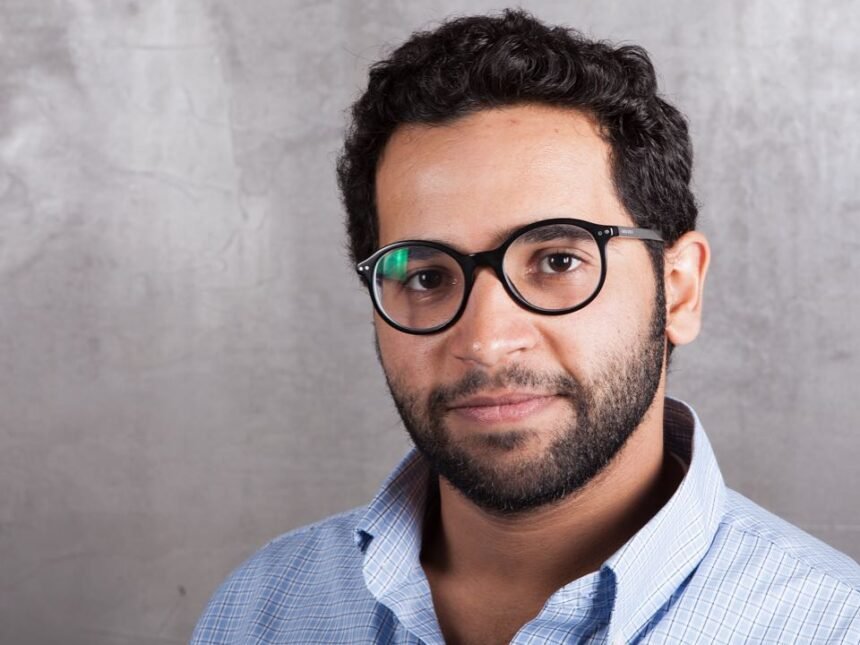
Building a Powerful Saudi Culinary Vision
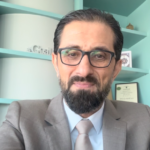
In a city known for its rich food culture, Chef Hakim Bagabas has built a career by asking a bigger question. How can Saudi cuisine move forward without losing the identity that makes it special?
- Hakim Bagabas is Learning the Craft Beyond Saudi Arabia
- Building Brioché From Bread Upward
- Turning Experience Into Food Passion
- Yaza Took Saudi Cuisine in a New Direction
- Recognition From the MICHELIN Guide
- Leadership Is More Than What Leaves the Kitchen
- A Saudi Chef Looking Forward Without Forgetting Home
Based in Jeddah, Hakim works as a culinary consultant and executive chef across Food Passion, Brioché and Yaza. His career connects professional training, restaurant development, menu creation, catering and a growing mission to present Saudi flavours with confidence on a modern dining stage.
His story is not simply about becoming a chef. It is about learning technique abroad, returning to the Kingdom, developing restaurant concepts and gradually helping Saudi food find new expressions without turning tradition into something unrecognisable.
Hakim Bagabas is Learning the Craft Beyond Saudi Arabia
Hakim’s culinary journey includes professional study in London and Paris, two cities with deeply established restaurant cultures. That international exposure gave him access to techniques, kitchen systems and ways of thinking about food that could later be adapted to his own environment.
But studying international cuisine did not mean abandoning local identity. The more interesting part of his career has been what happened after those experiences.
Rather than simply reproducing European ideas in Saudi Arabia, Hakim began using international technique as a tool. The goal became creating food that could feel polished and contemporary while still carrying flavours and memories familiar to Saudi diners.
His earlier recognition as a MasterChef Arabia nominee also placed him among Saudi culinary talents gaining wider public attention.
Building Brioché From Bread Upward
One of the important chapters in Hakim’s career came with Brioché, which began in Jeddah in 2017.
The concept was built around brioche baked in house each morning, with a wider menu that combined global comfort food and Saudi influences. Under Hakim’s culinary leadership, bread became more than a side item. It became the foundation for an identity.
Brioché has since evolved with the market. Today it operates as a cloud kitchen rather than a traditional dine in restaurant, while its kitchen also supports bakery and catering operations.
That transition reflects an important part of modern hospitality. Restaurants cannot always depend on the model that first made them successful. Customer habits change, delivery grows and businesses have to adapt without losing the product people remember.
Hakim’s role has therefore moved beyond cooking individual dishes. It includes helping concepts evolve while maintaining consistency.
Turning Experience Into Food Passion
Hakim is also an executive chef within Food Passion, a Jeddah based food and beverage company working across restaurant concepts, catering and consultancy.
This part of his career shows the difference between being a talented chef and becoming a culinary leader.
A chef can create a strong dish. A culinary consultant has to think about the entire business around that dish. The menu must make sense operationally. Ingredients must be available. Staff need systems they can repeat. Service has to match the food, and the concept needs a clear reason for existing.
Hakim’s public work increasingly reflects this broader way of thinking. He has spoken about structure, discipline, teamwork and the invisible systems behind successful hospitality.
That becomes especially important in large events and VIP catering, where guests may see an effortless experience even though dozens of decisions are happening behind the scenes.
Yaza Took Saudi Cuisine in a New Direction
Yaza has become one of the strongest expressions of Hakim’s culinary philosophy.
Developed with restaurateur Ebraheem Hashem, the Jeddah restaurant looks across Saudi Arabia’s 13 regions and reinterprets familiar dishes using international techniques and contemporary presentation.
The idea is not to hide the Saudi identity of the food. It is to make that identity the starting point.
This distinction matters. Fusion cuisine can sometimes become so focused on novelty that the original culture disappears. Yaza takes a different route by treating Saudi culinary heritage as something capable of development rather than something that must remain frozen in one presentation.
Traditional flavours can be respected while chefs still experiment with texture, technique and presentation.
Recognition From the MICHELIN Guide
That approach has now received major international recognition.
Yaza became part of the first MICHELIN Guide selection in Saudi Arabia and later received the MICHELIN Service Award in 2026. The recognition highlighted the restaurant’s hospitality, including the way guests are welcomed and guided through the dining experience.
For Hakim, the achievement carries meaning beyond an award.
He has publicly described Yaza as a concept created to express a local voice rather than copy international restaurant formats. His comments around the recognition have focused on responsibility, identity and building a concept that can continue to develop.
That perspective makes the milestone especially relevant at a time when Saudi Arabia’s culinary sector is gaining greater international visibility.
Leadership Is More Than What Leaves the Kitchen
Hakim’s current work also shows that executive chefs are increasingly expected to become leaders beyond the stove.
They recruit teams, train staff, develop menus, manage quality and help create systems for restaurants and events. When the operation grows, a chef’s success becomes connected to how well other people can execute the same standard.
Hakim has publicly discussed the importance of structure in catering and hospitality. For high level events, he argues that the guest should experience calm and ease even when the work behind the scenes is highly complex.
That philosophy is easy to understand in food. The finished plate may look simple, but simplicity often requires preparation.
A Saudi Chef Looking Forward Without Forgetting Home
What makes Hakim Bagabas’s journey interesting is the balance between international technique and local confidence.
He trained abroad, worked across different food concepts and gained experience that could have pushed his cooking toward purely global trends. Instead, some of his most visible work today is focused on giving Saudi cuisine a stronger contemporary voice.
Through Food Passion, Brioché and Yaza, his career now reaches beyond one restaurant. It includes consulting, catering, concept development, baking and fine dining.
The MICHELIN recognition gives that journey a new level of visibility, but it does not appear to be the final destination. Hakim’s current message is more ambitious than winning recognition. It is about building Saudi culinary concepts that can stand confidently beside international restaurants while remaining rooted in their own identity.
For young chefs watching his path, that may be the most valuable lesson. Learning from the world does not require copying it.
Sometimes the strongest way forward begins by understanding your own food more deeply, respecting where it came from and having the courage to show what it can become.
Follow Hakim Bagabas on Instagram
Read More – Mortgage Guide for Gulf: 10 Powerful Tips for Homebuyers