

Why Sports Have Become Important for Gulf Economic Development
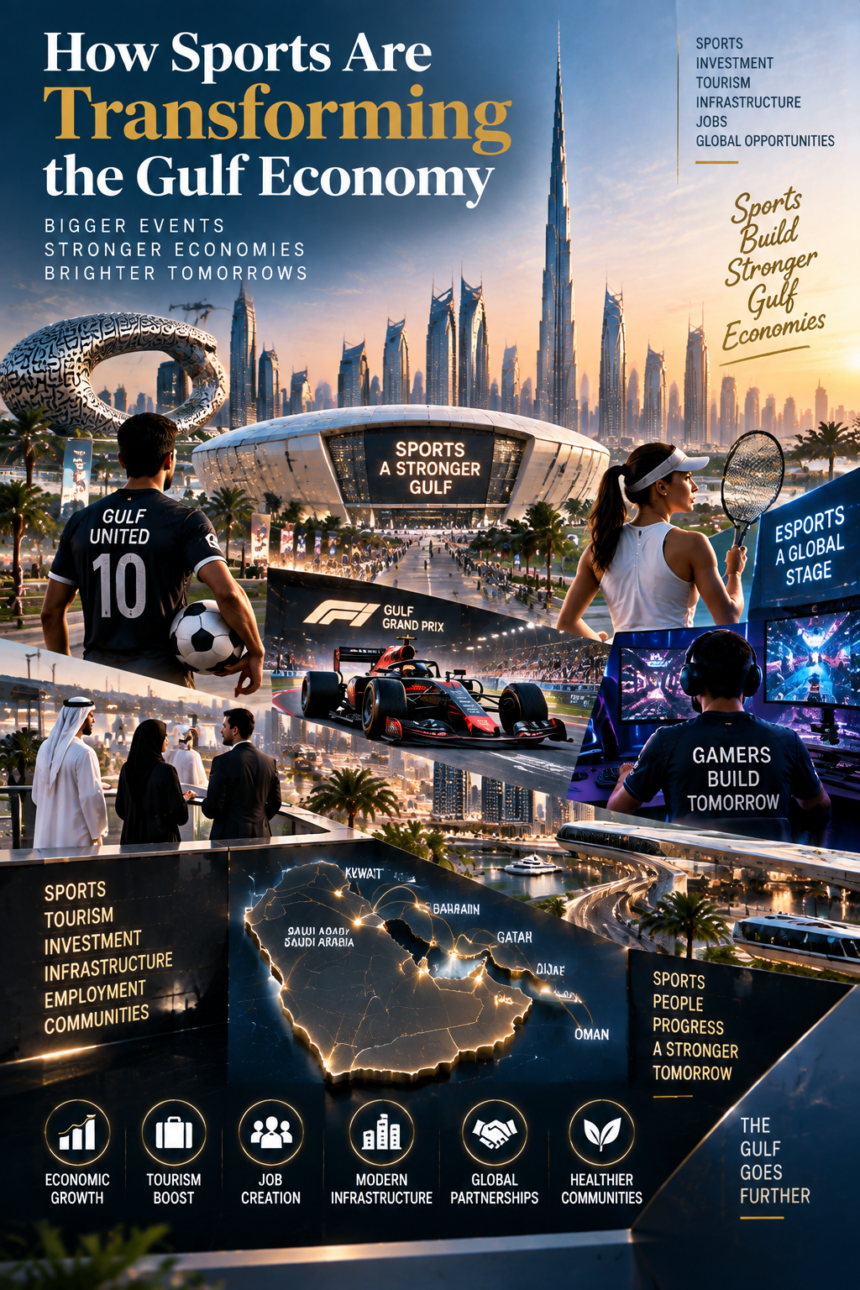
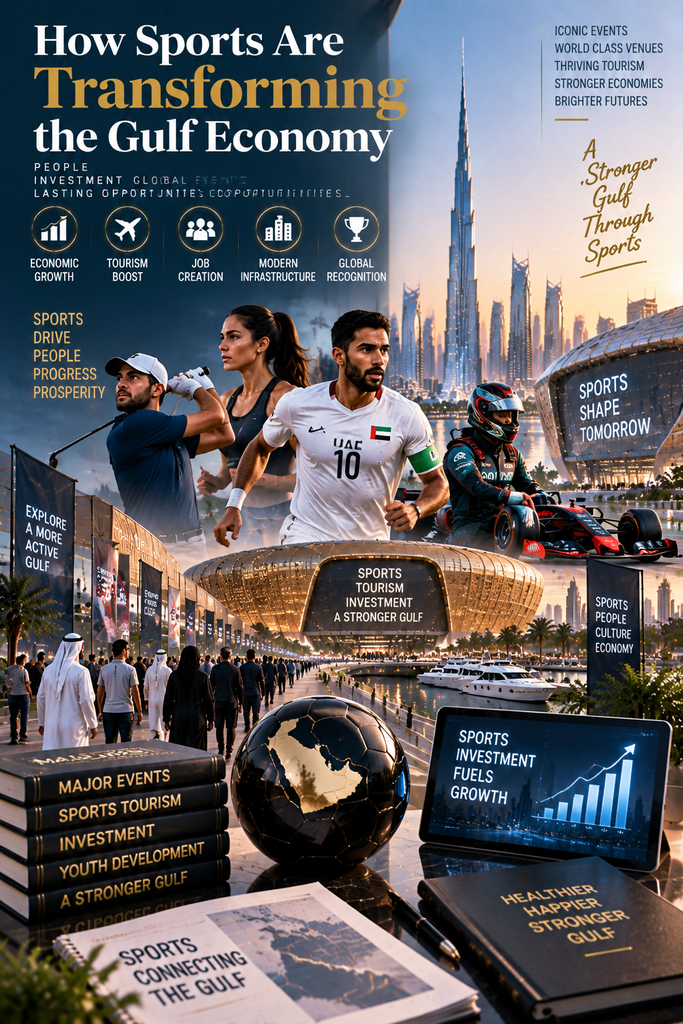
Sports transforming the Gulf economy has become one of the most visible examples of how GCC countries are diversifying beyond traditional industries. Over the past decade, sports have evolved from being mainly entertainment activities into powerful economic drivers that influence tourism, infrastructure, investment, employment and global branding.
- Why Sports Have Become Important for Gulf Economic Development
- Creating New Business Opportunities
- Increasing Global Recognition
- Supporting Tourism Growth
- Encouraging Healthy Lifestyles
- How GCC Countries Are Investing in Global Sports
- UAE: Building a Sports and Entertainment Business Hub
- Saudi Arabia: Sports Expansion Through Vision 2030
- Qatar: Turning Global Events Into Economic Opportunities
- Bahrain, Oman and Kuwait: Growing Sports Ecosystems
- Bahrain: Developing a Competitive Sports Environment
- Oman: Combining Sports and Tourism Opportunities
- Kuwait: Expanding Sports Participation and Business Opportunities
- How Sports Are Boosting Tourism and Hospitality Industries
- The Rise of Sports Business, Jobs and Entrepreneurship
- Technology and Innovation Changing Gulf Sports
- The Role of Youth in Building the Future Sports Economy
- Challenges in Building a Sustainable Sports Economy
- Building Sustainable Business Models
- Developing Local Talent
- Balancing Investment and Community Participation
- Creating More Private Sector Opportunities
- How Sports Support Economic Diversification in the Gulf
- The Future of Sports Transforming the Gulf Economy
- Quick Takeaways
Across the Gulf, governments are investing in sporting events, professional leagues, world-class facilities and international partnerships to create new economic opportunities. These investments are not only attracting athletes and fans from around the world but are also supporting businesses connected with hospitality, media, retail, technology and event management.
The transformation reflects a broader shift in Gulf economies. Countries that were historically known for energy resources are now building diverse economic ecosystems based on tourism, innovation, culture and global experiences.
Sports have become an important part of this strategy because they connect multiple industries at the same time.
A major sporting event can create demand across various sectors:
| Sector | Economic Impact of Sports |
|---|---|
| Tourism | Attracts international visitors and fans |
| Hospitality | Increases demand for hotels and services |
| Retail | Creates opportunities for merchandise and consumer spending |
| Media | Expands broadcasting and digital content markets |
| Infrastructure | Encourages stadium and city development |
| Employment | Creates jobs in multiple industries |
From football and motorsports to golf, tennis, combat sports and esports, the Gulf region is becoming a major destination for international sporting activities.
The growth of sports is also creating opportunities for young professionals and entrepreneurs. New businesses are emerging around sports technology, fitness, athlete management, event production and digital platforms.
As GCC countries continue investing in the sports sector, athletics are becoming an important pillar of future economic development.
Why Sports Have Become Important for Gulf Economic Development
The importance of sports in Gulf economies goes beyond competitions and entertainment. Governments are increasingly viewing sports as a strategic industry that can support economic growth and international visibility.
One of the main reasons behind this investment is economic diversification. Gulf countries are developing new industries that can generate revenue, create employment and attract global businesses.
Sports contribute to diversification in several ways:
Creating New Business Opportunities
The sports industry supports a wide network of businesses. Large events require services ranging from transportation and hospitality to marketing, security, technology and entertainment.
This creates opportunities for:
- Event management companies
- Sports marketing agencies
- Fitness businesses
- Equipment suppliers
- Digital platforms
- Hospitality providers
Young entrepreneurs are also entering the sector by creating sports-related startups focused on training, wellness, analytics and fan engagement.
Increasing Global Recognition
Major sporting events help Gulf countries strengthen their international presence. Hosting global competitions allows cities to showcase their infrastructure, tourism attractions and business environment.
Sports provide a platform for countries to connect with international audiences and create stronger global relationships.
Supporting Tourism Growth
Sports tourism has become a major economic opportunity. Fans travelling for competitions often spend money on:
- Accommodation
- Food and restaurants
- Transportation
- Shopping
- Local experiences
This creates economic benefits beyond the stadiums themselves.
Encouraging Healthy Lifestyles
Investment in sports facilities also supports local communities by encouraging fitness and active lifestyles.
The development of:
- Sports centres
- Public fitness spaces
- Training facilities
- Community programmes
helps create long-term social benefits.
How GCC Countries Are Investing in Global Sports
Gulf countries have adopted different strategies to develop their sports industries. Some focus on hosting international events, while others invest in professional teams, sports infrastructure or youth development.
The region’s sports investments include:
| Investment Area | Purpose |
|---|---|
| Stadium development | Hosting major competitions |
| Professional leagues | Building local sports industries |
| International partnerships | Connecting with global organisations |
| Sports academies | Developing future athletes |
| Digital platforms | Improving fan experiences |
| Tourism campaigns | Attracting sports visitors |
These investments are creating a complete sports ecosystem rather than focusing only on individual events.
A successful sports economy requires several connected elements:
- Athletes and teams
- Training facilities
- Professional management
- Sponsorship networks
- Media coverage
- Fan engagement
By developing these areas together, Gulf countries are creating sustainable sports industries.
UAE: Building a Sports and Entertainment Business Hub
The UAE has positioned itself as one of the region’s leading sports destinations. Through investment in infrastructure, international events and business-friendly environments, the country has developed a diverse sports ecosystem.
Dubai and Abu Dhabi regularly host global competitions across different sports, attracting athletes, teams and visitors from around the world.
Key areas of UAE sports development include:
| Area | Growth Opportunities |
|---|---|
| Football | Professional competitions and academies |
| Motorsports | International racing events |
| Golf | Global tournaments and tourism |
| Tennis | International competitions |
| Fitness | Gyms, wellness and training businesses |
| Esports | Digital competitions and technology |
The UAE’s sports sector is closely connected with tourism and entertainment. International events encourage visitors to explore cities, stay in hotels and spend on local businesses.
Dubai’s reputation as a global business and tourism destination has also helped attract sports organisations, investors and entrepreneurs.
The growth of fitness and wellness industries has created additional opportunities. The popularity of gyms, sports clubs and personal training businesses reflects increasing consumer interest in health and active lifestyles.
Sports technology is another emerging area. Companies are developing solutions related to:
- Performance tracking
- Fitness applications
- Digital fan experiences
- Sports analytics
The UAE’s combination of infrastructure, tourism and innovation has helped establish a strong foundation for sports-driven economic growth.
Saudi Arabia: Sports Expansion Through Vision 2030
Saudi Arabia has made sports a major part of its economic diversification strategy under Vision 2030. The Kingdom is investing in sports infrastructure, international events and professional competitions as part of its broader transformation plans.
The goal is not only to attract global attention but also to develop a complete sports industry that creates economic opportunities.
Saudi Arabia’s sports development includes:
| Area | Economic Contribution |
|---|---|
| Football | Growth of professional leagues and clubs |
| Tourism | Attracting international visitors |
| Entertainment | Creating new experiences |
| Infrastructure | Developing sports facilities |
| Youth programmes | Supporting future athletes |
The expansion of sports has created opportunities for businesses connected with event management, hospitality, media and technology.
The Kingdom’s growing sports calendar is also supporting tourism. International visitors attending sporting events contribute to hotels, restaurants, transportation services and local attractions.
Sports investment is also creating opportunities for young Saudi professionals. New careers are developing in areas such as:
- Sports management
- Marketing
- Media production
- Event planning
- Fitness industries
By building a wider sports ecosystem, Saudi Arabia is positioning sports as an important part of future economic growth.
Qatar: Turning Global Events Into Economic Opportunities
Qatar has demonstrated how major sporting events can influence economic development. The country has invested heavily in sports infrastructure, facilities and international competitions.
The hosting of major global tournaments accelerated development in areas such as:
- Stadium construction
- Transportation networks
- Hospitality infrastructure
- Tourism services
Beyond individual events, Qatar has focused on creating a long-term sports environment.
The country’s investments have supported:
- Sports academies
- Athlete development
- International competitions
- Sports research
Sports have also contributed to Qatar’s tourism strategy by attracting visitors interested in competitions and cultural experiences.
The development of world-class facilities has created opportunities for businesses involved in:
- Event operations
- Hospitality services
- Technology solutions
- Sports training
Bahrain, Oman and Kuwait: Growing Sports Ecosystems
While the UAE, Saudi Arabia and Qatar have received significant international attention for their sports investments, Bahrain, Oman and Kuwait are also developing their sports sectors as part of broader economic growth strategies.
These countries are focusing on building stronger local sports communities, improving facilities and creating opportunities connected with tourism, entertainment and youth development.
Bahrain: Developing a Competitive Sports Environment
Bahrain has built a growing reputation in areas such as motorsports, endurance sports and international competitions. The country’s investments in sporting facilities and events have helped create new economic opportunities.
Sports contribute to Bahrain’s economy through:
| Area | Impact |
|---|---|
| Motorsports | Attracts international visitors and media attention |
| Fitness | Supports health and wellness businesses |
| Events | Creates opportunities for hospitality companies |
| Youth programmes | Develops future athletes |
Bahrain’s location and business environment also support regional sports activities. The country continues to develop sports-related businesses, including training facilities, event services and fitness companies.
Oman: Combining Sports and Tourism Opportunities
Oman has focused on using sports as a way to support tourism and community development. The country’s natural landscapes create opportunities for outdoor and adventure sports.
Growing areas include:
- Mountain activities
- Water sports
- Cycling events
- Outdoor fitness programmes
- Adventure tourism
Sports tourism is becoming increasingly important because visitors are looking for experiences beyond traditional sightseeing.
By combining sports with its natural environment, Oman can create unique tourism opportunities while supporting local businesses.
Kuwait: Expanding Sports Participation and Business Opportunities
Kuwait has a strong sporting culture, especially in football and community activities. The country continues to develop sports facilities and encourage greater participation.
Opportunities are emerging in:
- Sports academies
- Fitness businesses
- Youth training programmes
- Event management
- Sports retail
The development of a stronger sports economy can create new opportunities for young entrepreneurs and professionals.
How Sports Are Boosting Tourism and Hospitality Industries
One of the biggest economic impacts of sports in the Gulf is its connection with tourism. Major sporting events attract visitors who spend money across different parts of the economy.
A sports visitor does not only attend a competition. They also use hotels, restaurants, transportation services, shopping centres and entertainment venues.
This creates a wider economic impact.
| Tourism Sector | Sports Contribution |
|---|---|
| Hotels | Increased demand during events |
| Restaurants | Higher visitor spending |
| Transportation | More movement of tourists |
| Retail | Merchandise and shopping opportunities |
| Entertainment | Additional visitor experiences |
Sports tourism has become an important strategy for Gulf countries because it supports multiple industries at the same time.
Cities hosting international events often use these opportunities to promote their culture, attractions and business environment.
For example, a visitor attending a sporting event may also explore:
- Cultural destinations
- Shopping areas
- Restaurants
- Entertainment attractions
- Local experiences
This creates a connection between sports and the wider tourism economy.
The Rise of Sports Business, Jobs and Entrepreneurship
The growth of sports across the Gulf is creating an entirely new business ecosystem. Sports are no longer limited to athletes and competitions; they now include a wide range of professional services.
New career and business opportunities are developing in:
| Industry | Opportunities |
|---|---|
| Sports Management | Team operations and event planning |
| Marketing | Sponsorship and brand partnerships |
| Media | Content creation and broadcasting |
| Technology | Analytics and digital platforms |
| Fitness | Training and wellness businesses |
| Retail | Sports products and merchandise |
Young professionals are entering sports-related careers that did not exist on the same scale in previous years.
Entrepreneurs are also building startups focused on:
- Athlete performance analysis
- Fitness applications
- Sports education
- Online coaching
- Fan engagement platforms
The rise of sports business is creating opportunities for people with backgrounds in technology, marketing, management and creative industries.
Technology and Innovation Changing Gulf Sports
Technology is becoming one of the most important elements shaping the future of sports in the Gulf.
Modern sports rely on technology for improving athlete performance, enhancing fan experiences and managing large events.
Key technology areas include:
| Technology | Sports Application |
|---|---|
| Artificial Intelligence | Performance analysis and predictions |
| Data Analytics | Player statistics and strategy |
| Virtual Reality | Training and fan experiences |
| Mobile Applications | Ticketing and engagement |
| Smart Stadiums | Improved visitor experience |
Artificial intelligence and data analytics are helping teams and athletes make better decisions. Coaches can analyse performance, understand player behaviour and improve training methods.
For fans, technology is changing how people experience sports. Mobile platforms, digital content and interactive experiences allow supporters to connect with teams in new ways.
Smart stadium technology is also becoming important. Modern venues use digital systems to improve:
- Entry processes
- Security
- Seating experiences
- Food services
- Fan communication
As Gulf countries continue investing in smart cities, sports technology will likely become a major area of innovation.
The Role of Youth in Building the Future Sports Economy
Young people are central to the future growth of the Gulf sports industry. Youth participation is important not only for developing athletes but also for creating future professionals and entrepreneurs.
Young people are entering sports through different pathways:
- Professional athletics
- Sports management
- Digital content creation
- Fitness businesses
- Technology startups
Sports academies and training programmes are helping young athletes develop skills while also creating career opportunities beyond competition.
For example, the sports industry requires professionals in:
- Coaching
- Marketing
- Event operations
- Media production
- Business management
This creates a wider ecosystem where young people can build careers connected with their interests.
Challenges in Building a Sustainable Sports Economy
Although sports are creating major opportunities across the Gulf, developing a long-term sports economy also involves challenges.
Building Sustainable Business Models
Large events can create immediate economic benefits, but maintaining long-term growth requires strong local industries.
Countries need to continue developing:
- Professional leagues
- Local talent
- Sports businesses
- Community participation
Developing Local Talent
International events bring global attention, but sustainable sports growth depends on developing athletes and professionals from within the region.
Investment in:
- Youth academies
- Coaching programmes
- Training facilities
is important for long-term success.
Balancing Investment and Community Participation
A successful sports economy requires both international events and local engagement.
Community sports programmes help encourage participation among residents and create stronger sports cultures.
Creating More Private Sector Opportunities
Government investment has helped accelerate sports development, but private companies and entrepreneurs will play an important role in building sustainable businesses.
How Sports Support Economic Diversification in the Gulf
Sports have become an important part of Gulf countries’ efforts to diversify their economies.
The connection between sports and diversification can be seen through several areas:
| Economic Goal | Sports Contribution |
|---|---|
| Tourism growth | Attracts international visitors |
| Job creation | Creates new career opportunities |
| Innovation | Encourages technology development |
| Entrepreneurship | Supports new businesses |
| Global branding | Improves international visibility |
By developing sports industries, Gulf countries are creating economic opportunities beyond traditional sectors.
Sports also support wider goals related to youth development, healthy lifestyles and international cooperation.
The Future of Sports Transforming the Gulf Economy
The future of sports transforming the Gulf economy is closely connected with continued investment, innovation and business development.
As GCC countries expand their sports industries, future opportunities are expected to grow in:
- Sports technology
- Esports
- Fitness and wellness
- Sports tourism
- Athlete development
- Event management
- Digital entertainment
The next phase of Gulf sports will likely focus not only on hosting events but also on creating complete ecosystems where athletes, businesses and communities can participate.
Technology will continue playing a major role, helping improve experiences for athletes, fans and businesses.
Young entrepreneurs will also become increasingly important as they create startups that connect sports with digital platforms, health, entertainment and tourism.
Sports are becoming more than competitions in the Gulf. They are becoming a platform for economic growth, innovation and global connection.
As the region continues its transformation, sports will remain an important industry supporting tourism, business development and future opportunities.
Quick Takeaways
- Sports transforming the Gulf economy is becoming a major part of GCC diversification strategies.
- UAE, Saudi Arabia and Qatar are investing heavily in international sports and infrastructure.
- Bahrain, Oman and Kuwait are developing sports ecosystems focused on tourism and community growth.
- Sports create opportunities in tourism, hospitality, technology, media and entrepreneurship.
- Technology is changing athlete performance, fan experiences and sports businesses.
- Young professionals and entrepreneurs are becoming important contributors to the sports economy.
- The future of Gulf sports will depend on innovation, sustainability and local talent development.
Do follow us on Instagram
Read More – Youth Entrepreneurship in Gulf Countries: A New Era of Innovation