

How GCC Countries Are Building World-Class Entertainment Industries
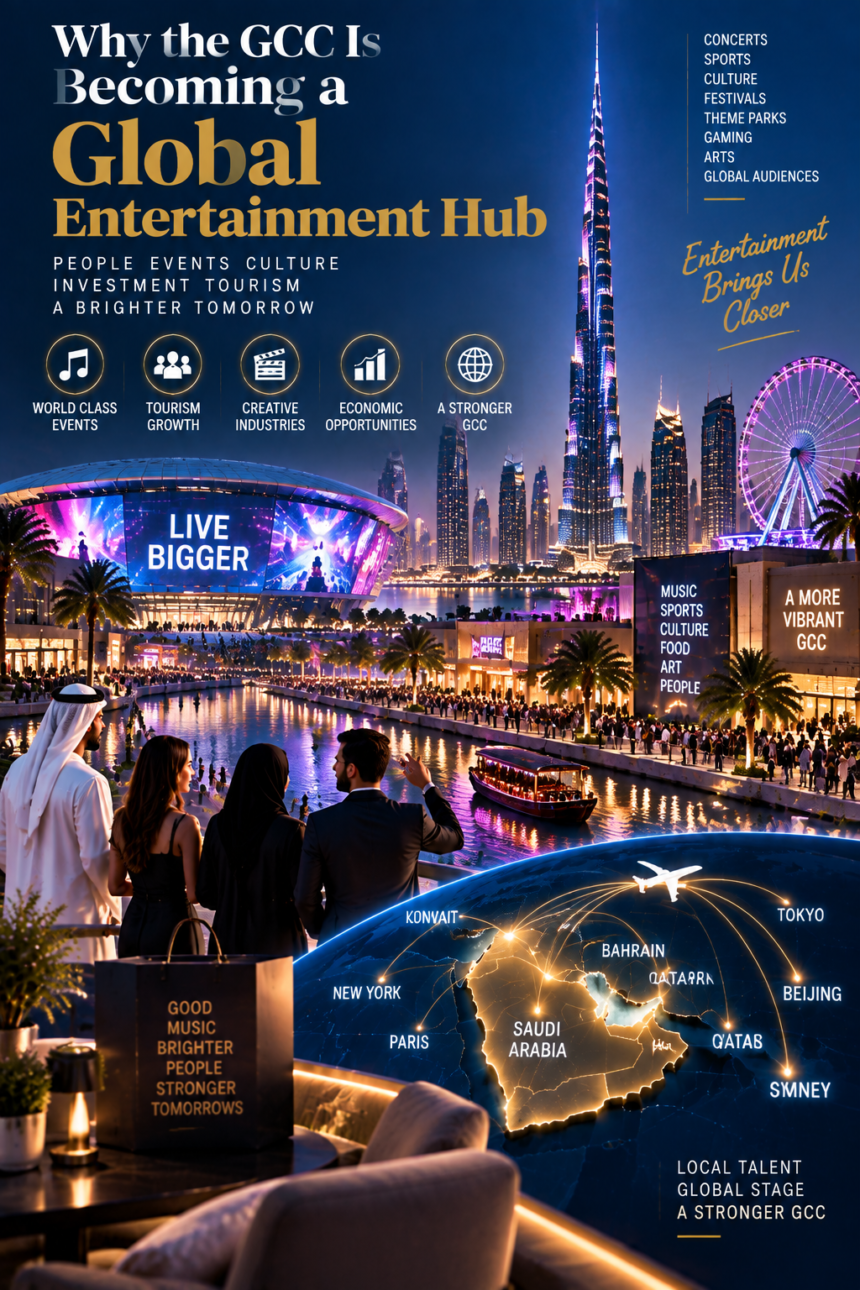
The GCC Global Entertainment Hub transformation has become one of the most visible changes taking place across the Gulf region. Over the past decade, Gulf countries have moved beyond traditional tourism models and started building diverse entertainment ecosystems that attract visitors, investors, businesses and creative talent from around the world.
- Why Entertainment Has Become Important for Gulf Economies
- How GCC Countries Are Building World-Class Entertainment Industries
- UAE: Creating a Global Entertainment Destination
- Saudi Arabia: Entertainment Growth Through Vision 2030
- Qatar: Connecting Sports, Culture and Global Experiences
- Bahrain, Oman and Kuwait: Expanding Entertainment Opportunities
- Bahrain: Combining Culture, Events and Modern Experiences
- Oman: Building Entertainment Around Nature and Culture
- Kuwait: Developing New Leisure and Entertainment Options
- The Role of Tourism in the Gulf Entertainment Boom
- Technology and Innovation Changing Entertainment Experiences
- How Entertainment Is Creating Jobs and Business Opportunities
- The Growth of Gaming and Esports in the Gulf
- Challenges in Building a Sustainable Entertainment Industry
- Developing Local Creative Talent
- Maintaining Long-Term Audience Interest
- Balancing Global and Local Identity
- Building More Private Sector Participation
- Quick Takeaways
Entertainment in the GCC is no longer limited to shopping malls, luxury hotels or traditional cultural experiences. Today, the region is developing a wide range of attractions including international concerts, sporting events, theme parks, festivals, cinemas, gaming platforms, cultural events and immersive digital experiences.
This growth is closely connected with the economic diversification strategies of Gulf countries. As nations look to develop industries beyond energy, entertainment has emerged as an important sector that supports tourism, employment, entrepreneurship and global branding.
The development of entertainment industries creates opportunities across multiple sectors:
| Sector | Economic Impact |
|---|---|
| Tourism | Attracts international visitors |
| Hospitality | Increases hotel and service demand |
| Retail | Supports consumer spending |
| Media | Creates content and production opportunities |
| Technology | Encourages digital innovation |
| Events | Generates business opportunities |
| Employment | Creates new career paths |
The Gulf’s entertainment transformation is also changing how people view the region. Cities such as Dubai, Riyadh and Doha are increasingly recognised as destinations for international experiences, combining luxury, technology and cultural diversity.
Young populations across the GCC are also contributing to this change. With strong digital connections and global interests, younger generations are creating demand for new entertainment formats, from esports and gaming to music festivals and creative industries.
The emergence of the GCC as a global entertainment hub reflects a larger regional ambition: creating destinations where people can live, work, visit and experience world-class leisure activities.
Why Entertainment Has Become Important for Gulf Economies
Entertainment has become a strategic industry for Gulf economies because it connects multiple areas of economic development. Unlike traditional sectors that focus on one industry, entertainment creates opportunities across tourism, retail, technology, hospitality and creative businesses.
One major reason behind this investment is economic diversification. Gulf countries are developing new industries that can generate revenue, attract international visitors and create jobs for future generations.
Entertainment supports economic growth in several ways:
| Area | Contribution |
|---|---|
| Tourism | Encourages longer visitor stays |
| Business | Attracts international companies and investors |
| Culture | Promotes local identity globally |
| Employment | Creates new professional opportunities |
| Innovation | Encourages technology-driven experiences |
Large entertainment events often create economic activity beyond the event itself. Visitors attending a concert, festival or sports competition also spend money on accommodation, restaurants, transportation and shopping.
This creates a wider economic impact throughout the community.
Entertainment is also becoming an important part of attracting international talent. Global artists, creative professionals, technology companies and event organisations are increasingly looking towards the Gulf because of its growing infrastructure and investment opportunities.
How GCC Countries Are Building World-Class Entertainment Industries
The development of entertainment across the GCC is based on a combination of infrastructure investment, international partnerships and local talent development.
Countries are building entertainment ecosystems through:
| Development Area | Purpose |
|---|---|
| Entertainment districts | Creating dedicated leisure destinations |
| Large venues | Hosting global events |
| Cultural projects | Supporting local creativity |
| Digital platforms | Expanding entertainment access |
| Tourism campaigns | Attracting international visitors |
| Creative industries | Developing local talent |
Modern entertainment requires more than individual attractions. Successful entertainment hubs need complete ecosystems that include venues, transportation, hospitality, technology and skilled professionals.
Gulf countries are investing in:
- Concert arenas
- Theme parks
- Museums
- Sports facilities
- Film production spaces
- Gaming platforms
- Cultural festivals
These developments are creating destinations where visitors can experience multiple forms of entertainment in one location.
The GCC’s strategic location between Asia, Europe and Africa also provides an advantage. Millions of international travellers pass through Gulf airports every year, creating opportunities to attract visitors for entertainment experiences.
UAE: Creating a Global Entertainment Destination
The UAE has become one of the strongest examples of entertainment development in the GCC. Through investment in tourism, infrastructure and international events, the country has created a diverse entertainment ecosystem.
Dubai and Abu Dhabi have developed reputations as global destinations offering luxury experiences, cultural attractions and large-scale events.
The UAE entertainment sector includes:
| Industry | Examples of Growth |
|---|---|
| Music | International concerts and festivals |
| Film | Cinemas and production activities |
| Sports | Global competitions and events |
| Theme parks | Family entertainment destinations |
| Retail | Shopping and lifestyle experiences |
| Culture | Museums and creative projects |
Dubai’s entertainment industry benefits from its position as a global tourism destination. Millions of visitors travel to the city every year, creating demand for entertainment, dining and leisure experiences.
The city has developed attractions that combine technology, luxury and creativity. From immersive experiences to international performances, Dubai continues expanding its entertainment offerings.
Abu Dhabi has also invested in cultural and entertainment projects. The city combines heritage, art, sports and tourism to create experiences for both residents and visitors.
The UAE’s entertainment growth has also created opportunities for businesses in:
- Event management
- Media production
- Marketing
- Hospitality
- Creative services
- Technology solutions
As entertainment continues growing, the UAE is becoming a centre where international companies and creative professionals can develop new projects.
Saudi Arabia: Entertainment Growth Through Vision 2030
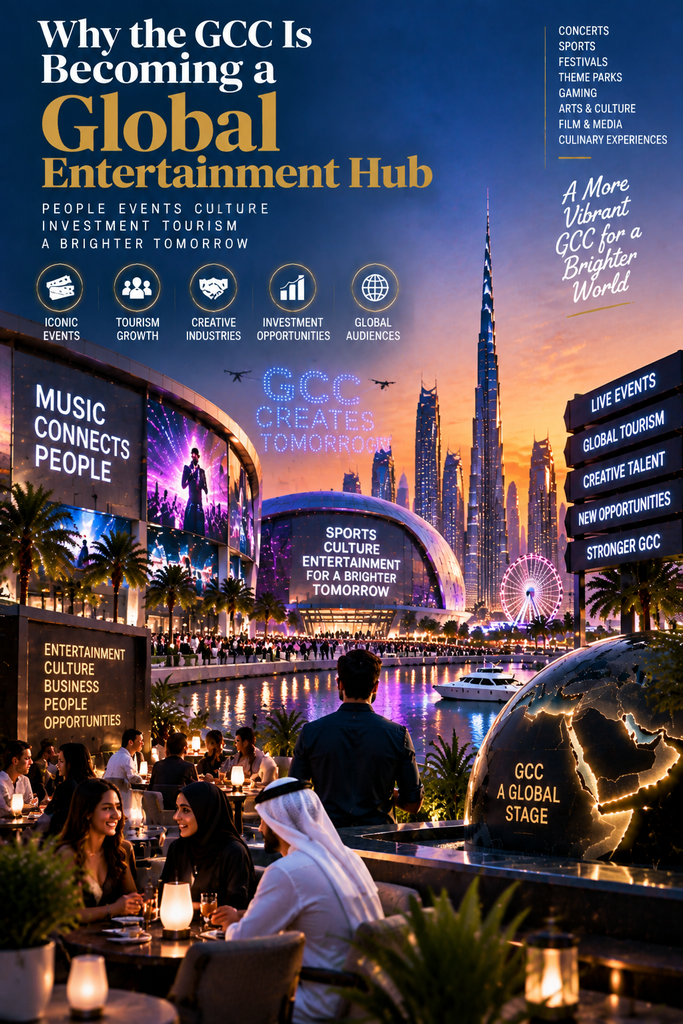
Saudi Arabia has made entertainment a major part of its economic transformation strategy under Vision 2030. The Kingdom has focused on developing a vibrant entertainment sector that provides new experiences for residents and attracts international visitors.
The growth of entertainment in Saudi Arabia has been rapid, with investments in events, cultural projects, tourism destinations and creative industries.
Key areas of development include:
| Area | Entertainment Growth |
|---|---|
| Festivals | Large-scale cultural and music events |
| Sports | International competitions |
| Tourism | New attractions and experiences |
| Film | Growth of cinema and production |
| Gaming | Expanding digital entertainment |
The development of entertainment has created new opportunities for businesses and professionals.
Saudi Arabia’s growing entertainment calendar attracts visitors from within the region and internationally. Events create demand for:
- Hotels
- Restaurants
- Transportation services
- Event companies
- Creative agencies
The entertainment sector is also creating career opportunities for young Saudis in areas such as:
- Event management
- Media production
- Marketing
- Design
- Technology
- Hospitality
By developing entertainment as an industry, Saudi Arabia is creating a new economic sector while improving lifestyle options for residents.
Qatar: Connecting Sports, Culture and Global Experiences
Qatar has used a combination of sports, culture and tourism to develop its entertainment sector. The country’s investments in infrastructure and international events have helped increase its global visibility.
Sports have played an important role in Qatar’s entertainment strategy, but the country has also focused on museums, cultural attractions, festivals and hospitality experiences.
Qatar’s entertainment growth includes:
- International sporting events
- Cultural exhibitions
- Music performances
- Tourism experiences
- Creative projects
The country’s approach combines modern entertainment with cultural identity. Visitors can experience global events while also exploring Qatar’s heritage and traditions.
Entertainment development has supported related industries such as:
- Hospitality
- Tourism services
- Event management
- Media production
- Retail
Qatar’s growing entertainment sector demonstrates how countries can combine culture, sports and tourism to create a unique global destination.
Bahrain, Oman and Kuwait: Expanding Entertainment Opportunities
While the UAE, Saudi Arabia and Qatar have received significant attention for their entertainment investments, Bahrain, Oman and Kuwait are also developing their entertainment sectors as part of wider economic diversification plans.
These countries are focusing on creating experiences that combine local culture, tourism, family activities and modern entertainment formats.
Bahrain: Combining Culture, Events and Modern Experiences
Bahrain has a long history of cultural activities and entertainment events. The country’s smaller size has allowed it to develop a more connected entertainment environment where festivals, sports and cultural experiences can attract both residents and visitors.
Bahrain’s entertainment sector includes:
| Area | Development Opportunities |
|---|---|
| Cultural events | Festivals and heritage experiences |
| Motorsports | International racing events |
| Hospitality | Hotels and leisure businesses |
| Retail | Shopping and lifestyle experiences |
| Family entertainment | Recreation and attractions |
The country’s location within the Gulf region makes it accessible for visitors from neighbouring countries. This supports weekend tourism and regional travel linked to entertainment activities.
Bahrain is also creating opportunities for local businesses in event management, food, hospitality and creative industries.
Oman: Building Entertainment Around Nature and Culture
Oman’s entertainment strategy is closely connected with its natural landscapes, cultural heritage and tourism potential.
Unlike some larger entertainment markets, Oman has focused on experiences based around adventure, outdoor activities and authentic cultural connections.
Growing areas include:
- Adventure tourism
- Heritage experiences
- Outdoor festivals
- Water activities
- Cultural events
- Eco-tourism experiences
Oman’s mountains, beaches and historical sites provide opportunities to develop unique entertainment offerings that attract visitors looking for different experiences.
The growth of tourism and entertainment is also creating opportunities for entrepreneurs in hospitality, travel services and local experiences.
Kuwait: Developing New Leisure and Entertainment Options
Kuwait has been expanding its entertainment offerings to provide more lifestyle and leisure options for residents and visitors.
The country’s entertainment development includes:
- Shopping experiences
- Family attractions
- Cultural activities
- Sports events
- Creative projects
As consumer expectations change, there is increasing demand for modern entertainment experiences that combine technology, social activities and convenience.
Kuwait’s young population is also contributing to demand for new entertainment formats, including digital platforms, gaming and creative industries.
The Role of Tourism in the Gulf Entertainment Boom
Tourism and entertainment have become closely connected in the GCC. As Gulf countries aim to attract more international visitors, entertainment has become a key reason for people to choose the region as a destination.
Modern travellers are looking for more than traditional sightseeing. They want complete experiences that include:
- Entertainment
- Food
- Culture
- Shopping
- Events
- Adventure activities
This shift has encouraged Gulf countries to develop destinations where visitors can enjoy multiple activities during their stay.
The relationship between tourism and entertainment creates economic benefits across different industries:
| Tourism Area | Entertainment Impact |
|---|---|
| Hotels | Higher occupancy during events |
| Restaurants | Increased customer spending |
| Airlines | More international visitors |
| Retail | More shopping activity |
| Local businesses | New customer opportunities |
Large entertainment events can also increase repeat tourism. Visitors who attend successful concerts, festivals or exhibitions may return for future experiences.
Entertainment has therefore become an important tool for extending visitor stays and increasing tourism revenue.
Technology and Innovation Changing Entertainment Experiences
Technology is playing a major role in transforming the GCC entertainment industry. Gulf countries are investing in digital solutions that improve how people experience entertainment.
Modern entertainment increasingly combines physical experiences with technology.
Important technology trends include:
| Technology | Entertainment Application |
|---|---|
| Artificial Intelligence | Personalised recommendations and smart services |
| Virtual Reality | Immersive entertainment experiences |
| Augmented Reality | Interactive attractions |
| Mobile Applications | Tickets, bookings and engagement |
| Data Analytics | Understanding audience preferences |
Artificial intelligence is helping entertainment companies understand customer behaviour and create personalised experiences.
For example, digital platforms can recommend events, manage bookings and improve visitor experiences.
Smart venues are also becoming more common. Modern entertainment spaces use technology for:
- Digital ticketing
- Crowd management
- Interactive displays
- Automated services
- Enhanced security
The growth of technology is also supporting creative industries. Content creators, game developers and digital entrepreneurs are finding new opportunities in the expanding entertainment ecosystem.
How Entertainment Is Creating Jobs and Business Opportunities
The growth of entertainment across the GCC is creating a wide range of employment opportunities beyond performers and artists.
A successful entertainment industry requires professionals from many fields.
New career opportunities are emerging in:
| Industry | Career Opportunities |
|---|---|
| Event Management | Planning and organising experiences |
| Media Production | Video, photography and content creation |
| Marketing | Promotion and audience engagement |
| Technology | Digital platforms and solutions |
| Hospitality | Guest services and operations |
| Design | Creative production and branding |
The entertainment sector is also encouraging entrepreneurship. Young professionals are creating businesses related to:
- Event planning
- Creative agencies
- Entertainment technology
- Fitness and lifestyle
- Digital content
- Production services
This is especially important for Gulf economies because it creates opportunities for younger generations entering the workforce.
Creative industries are becoming an important part of the future economy, allowing talented individuals to build careers around innovation and imagination.
The Growth of Gaming and Esports in the Gulf
Gaming and esports have become major areas of growth within the GCC entertainment industry.
A young, digitally connected population has created strong demand for gaming experiences, competitions and online communities.
The gaming industry is creating opportunities in:
- Esports tournaments
- Game development
- Streaming platforms
- Gaming events
- Technology services
Gulf countries are investing in gaming because it combines entertainment, technology and youth culture.
The sector also has global potential. Game developers, investors and technology companies are increasingly exploring opportunities in the region.
Esports events can attract international audiences while supporting tourism, media and technology industries.
Challenges in Building a Sustainable Entertainment Industry
Although the GCC entertainment sector has grown rapidly, building a long-term sustainable industry requires continued development.
Developing Local Creative Talent
International partnerships have helped accelerate entertainment growth, but developing local talent remains important.
Countries need more opportunities for:
- Artists
- Filmmakers
- Designers
- Producers
- Event professionals
Building local creative industries can help create sustainable entertainment ecosystems.
Maintaining Long-Term Audience Interest
Successful entertainment industries require consistent innovation. Audiences expect new experiences, updated attractions and fresh content.
Companies need to continue investing in creativity and technology to remain competitive.
Balancing Global and Local Identity
The GCC attracts international entertainment, but maintaining local culture and identity is equally important.
The strongest entertainment destinations often combine global experiences with unique regional character.
Building More Private Sector Participation
Government investment has played an important role in developing entertainment infrastructure. However, private businesses and entrepreneurs will be essential for long-term growth.
The Future of the GCC Global Entertainment Hub
The future of the GCC Global Entertainment Hub is closely connected with continued investment in tourism, technology and creative industries.
As Gulf countries continue developing entertainment ecosystems, future opportunities are expected in:
- Artificial intelligence-based entertainment
- Gaming and esports
- Film production
- Cultural tourism
- Immersive experiences
- Creative businesses
- Smart entertainment venues
The next phase of Gulf entertainment will likely focus on creating complete experiences rather than individual attractions.
Visitors of the future may expect destinations where they can combine:
- Entertainment
- Shopping
- Dining
- Technology
- Culture
- Adventure
The GCC has already demonstrated its ability to attract global events and investments. The next challenge is developing sustainable industries that create opportunities for local businesses and talent.
Entertainment is becoming more than leisure in the Gulf. It is becoming an important economic sector that supports tourism, innovation, employment and global connections.
As the region continues its transformation, the GCC is positioning itself as a destination where entertainment, technology and culture come together to create new experiences for the world.
Quick Takeaways
- The GCC Global Entertainment Hub is growing through investment in tourism, technology and creative industries.
- UAE, Saudi Arabia and Qatar are leading major entertainment developments across the region.
- Bahrain, Oman and Kuwait are expanding opportunities through culture, tourism and leisure projects.
- Entertainment supports multiple industries including hospitality, retail, media and technology.
- Digital innovation, gaming and AI are shaping the future of Gulf entertainment.
- The sector is creating new jobs and entrepreneurship opportunities for young professionals.
- The future of GCC entertainment will depend on creativity, sustainability and local talent development.
Do follow us on Instagram
Read More – Sports Transforming the Gulf Economy: A New Era of Growth