



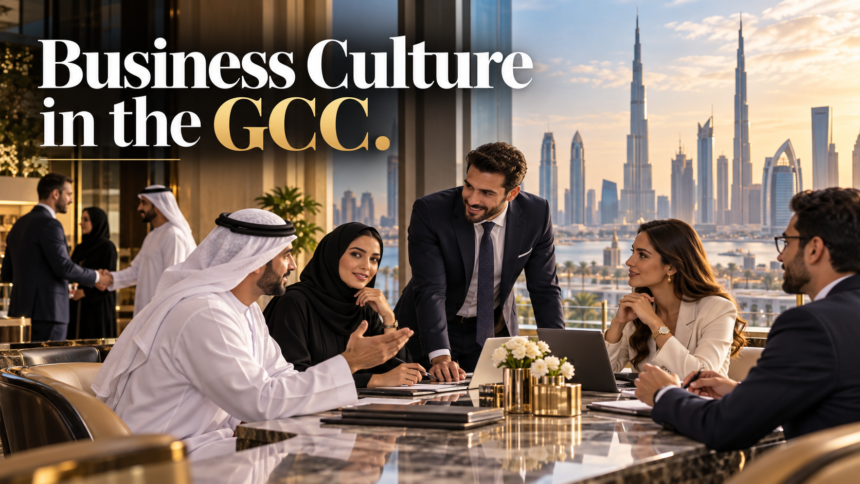
Business Culture in the GCC Complete Guide to Gulf Business Practices
Business culture in the GCC refers to the professional values, communication styles, workplace traditions, relationship-building practices, and business etiquette followed across the Gulf Cooperation Council countries. The GCC includes Saudi Arabia, the United Arab Emirates, Qatar, Kuwait, Bahrain, and Oman. While each country has its own cultural identity and business environment, the region shares several important characteristics shaped by Arab traditions, Islamic values, family structures, hospitality, and rapidly developing international economies.
- Why Is Understanding GCC Business Culture Important?
- Which Countries Are Part of the GCC?
- How Does Islamic Culture Influence Business in the GCC?
- Why Is Relationship Building Important in GCC Business Culture?
- How Important Is Trust in GCC Business Relationships?
- What Is the Communication Style in GCC Business Culture?
- How Should You Greet Someone in a GCC Business Meeting?
- What Should You Wear for Business in the GCC?
- How Are Business Meetings Conducted in the GCC?
- Is Punctuality Important in GCC Business Culture?
- How Does Hierarchy Influence Business Culture in the GCC?
- What Role Do Family Businesses Play in GCC Business Culture?
- How Important Is Business Networking in the GCC?
- How Does Negotiation Work in GCC Business Culture?
- How Important Is Hospitality in GCC Business Culture?
- What Should Businesses Know About Business Meals in the GCC?
- How Does Ramadan Affect Business in the GCC?
- What Are the Major Business Opportunities in the GCC?
- How Is Digital Transformation Changing GCC Business Culture?
- How Can International Companies Adapt to GCC Business Culture?
- What Common Mistakes Should Businesses Avoid in the GCC?
- How Can Businesses Build Long-Term Success in the GCC?
- What Is the Future of Business Culture in the GCC?
- Why Does Cultural Awareness Matter for GCC Business Success?
Understanding business culture in the GCC is increasingly important for entrepreneurs, investors, executives, employees, and international companies looking to operate in the Gulf. The region has become an important global destination for investment, trade, tourism, technology, finance, logistics, real estate, energy, and professional services.
Business relationships in the GCC often extend beyond simple transactions. Trust, personal connections, reputation, respect, and long-term relationships can play an important role in establishing successful partnerships. Companies entering the Gulf market should therefore understand not only commercial requirements but also the cultural expectations that influence professional interactions.
Why Is Understanding GCC Business Culture Important?
Why should companies understand business culture in the GCC before entering the Gulf market? Because cultural awareness can make communication smoother, strengthen professional relationships, and help businesses avoid unnecessary misunderstandings.
The GCC is home to highly internationalized business environments, particularly in major commercial centers such as Dubai, Abu Dhabi, Riyadh, Doha, Manama, Kuwait City, and Muscat. Professionals from different nationalities work together across many industries. However, local customs and traditions continue to influence meetings, negotiations, leadership styles, networking, and workplace communication.

Understanding local business etiquette can help companies:
- Build stronger professional relationships
- Communicate more effectively with local partners
- Demonstrate cultural respect
- Improve negotiation experiences
- Develop trust with clients and stakeholders
- Create better workplace relationships
- Adapt marketing and business strategies
- Reduce cultural misunderstandings
- Establish a stronger long-term presence in the Gulf
Which Countries Are Part of the GCC?
Which countries make up the Gulf Cooperation Council? The GCC consists of six member states:
- Saudi Arabia
- United Arab Emirates
- Qatar
- Kuwait
- Bahrain
- Oman
Do all six countries have exactly the same business culture? No. Although they share regional traditions and similarities, each country has its own laws, customs, economic structure, social practices, and business environment.
For example, business practices in the UAE may feel particularly international because of its large expatriate population and global commercial hubs. Saudi Arabia has a major domestic market and a business environment undergoing significant economic transformation. Qatar has developed strong international connections through energy, infrastructure, finance, and major events. Kuwait, Bahrain, and Oman also have distinctive commercial traditions and regulatory environments.
Businesses should therefore understand GCC-wide cultural principles while researching the specific country in which they intend to operate.
How Does Islamic Culture Influence Business in the GCC?
How does Islamic culture influence business practices in the Gulf? Islamic values can influence professional behavior, workplace expectations, communication, scheduling, and social interactions. However, the extent and expression of these influences can vary between countries, companies, industries, and individuals.
Respect, honesty, fairness, hospitality, and responsible conduct are important values in many Gulf business environments. Islamic holidays and religious practices can also affect working schedules and business activities.
Ramadan is particularly important. During Ramadan, working hours, meeting schedules, dining arrangements, and daily routines may change. Businesses working with GCC clients or employees should be aware of these seasonal differences and plan communications respectfully.
Professionals should also be mindful of religious practices when arranging:
- Meetings
- Business meals
- Events
- Conferences
- Working schedules
- Corporate celebrations
- Marketing campaigns
Cultural awareness does not mean assuming that every individual follows identical practices. Instead, it means being respectful and prepared to adapt when appropriate.
Why Is Relationship Building Important in GCC Business Culture?
Why is relationship building so important in GCC business culture? In many Gulf business environments, professional relationships are built through trust and personal interaction. A potential client or business partner may want to understand the people behind a company before committing to a long-term commercial relationship.
This means that business networking in the GCC is often about more than exchanging business cards. Conversations over coffee, meals, conferences, networking events, and introductions through trusted contacts can help establish familiarity.
A strong relationship can provide a foundation for future cooperation. However, businesses should avoid treating relationship building as a shortcut to business decisions. Professional credibility, value, reliability, and contractual obligations remain important.
How Important Is Trust in GCC Business Relationships?
How important is trust when doing business in the Gulf? Trust can be a major factor in developing long-term business relationships. Companies that consistently deliver on their commitments can strengthen their reputation over time.
Businesses can demonstrate trustworthiness by:
- Keeping promises
- Responding professionally
- Meeting deadlines
- Providing accurate information
- Maintaining confidentiality
- Communicating clearly
- Respecting agreements
- Being consistent in their service
Why does this matter? A business relationship can develop gradually, and rushing the process may create unnecessary pressure. Patience and consistency can be valuable qualities when developing partnerships in the GCC.
What Is the Communication Style in GCC Business Culture?
What communication style should professionals expect in the GCC? Communication can often be relationship-oriented, respectful, and diplomatic. Face-to-face interaction remains valuable, especially during important negotiations and partnership discussions.
At the same time, GCC business environments are highly modern and digitally connected. Email, video conferencing, messaging platforms, professional networks, and digital business tools are widely used.
Should communication always be formal? Not necessarily. The appropriate level of formality depends on the organization, industry, seniority, and relationship between the individuals involved.
Professionals should generally focus on:
- Polite language
- Respectful greetings
- Clear communication
- Active listening
- Professional appearance
- Appropriate follow-up
- Cultural sensitivity
How Should You Greet Someone in a GCC Business Meeting?
How should you greet a business contact in the Gulf? A respectful greeting is usually an important part of professional interaction. Handshakes are common in many business settings, but cultural and personal preferences should be respected.
Professionals should avoid assuming that everyone prefers physical contact. When meeting someone for the first time, observing their greeting style can help you respond appropriately.
Using professional titles and names correctly is also important. When introduced to a senior executive, government representative, business owner, or other senior professional, showing appropriate respect can contribute to a positive first impression.
What Should You Wear for Business in the GCC?
What is appropriate business attire in the GCC? Professional and conservative clothing is generally a safe choice, particularly for formal meetings. Expectations can differ depending on the country, organization, industry, and event.
International professionals should research local expectations before attending important meetings.
For business visitors, appropriate attire generally means:
- Clean and professional clothing
- Conservative styles for formal meetings
- Well-maintained footwear
- Appropriate clothing for corporate events
- Respectful attire when visiting culturally or religiously sensitive locations
In international business hubs, workplace dress codes can be highly diverse. Nevertheless, dressing professionally and respectfully is usually the safest approach.
How Are Business Meetings Conducted in the GCC?
How are business meetings typically conducted in the GCC? Meetings can vary significantly depending on the organization and country. Some companies operate according to highly structured international corporate practices, while others may place greater emphasis on personal interaction and relationship building.
A meeting may begin with informal conversation before the main business discussion. This is not necessarily wasted time. It can be an opportunity to establish rapport and demonstrate courtesy.
Professionals should avoid appearing impatient when a meeting does not immediately move to the agenda.
During meetings, it is useful to:
- Arrive on time
- Bring relevant documents
- Listen carefully
- Avoid interrupting
- Remain respectful
- Allow time for discussion
- Clarify important decisions
- Follow up after the meeting
Is Punctuality Important in GCC Business Culture?
Is punctuality important when doing business in the Gulf? Yes, professionals should treat punctuality seriously. However, the practical experience of scheduling can vary between organizations and situations.
International companies should allow some flexibility in their schedules, particularly when meetings involve multiple participants or senior executives.
Being prepared and arriving on time demonstrates professionalism even when the meeting itself begins later than expected.
How Does Hierarchy Influence Business Culture in the GCC?
How important is hierarchy in Gulf organizations? Organizational hierarchy can be significant, particularly in traditional companies, family businesses, government-related organizations, and certain industries.
Senior executives and decision-makers may have considerable authority over important business matters. Understanding who has decision-making responsibility can therefore be useful during negotiations and partnerships.
Professionals should show appropriate respect to senior members of an organization without becoming overly formal in every interaction.
What Role Do Family Businesses Play in GCC Business Culture?
Why are family businesses important in the GCC? Family-owned enterprises have historically played a major role in Gulf economies. Many successful companies in sectors such as trading, construction, retail, real estate, hospitality, manufacturing, and services have family ownership or origins.
Family businesses may place strong emphasis on:
- Reputation
- Long-term relationships
- Loyalty
- Trust
- Continuity
- Community relationships
- Personal credibility
Does this mean international businesses cannot work effectively with family-owned companies? No. Understanding the organization’s structure, decision-making process, and expectations can help create productive partnerships.
How Important Is Business Networking in the GCC?
Why is networking important for business success in the Gulf? Networking can help companies identify opportunities, meet potential clients, find partners, understand markets, and develop professional credibility.
Major GCC cities host numerous business conferences, trade exhibitions, investment events, industry forums, and networking opportunities.
Effective networking involves more than collecting contacts. Professionals should follow up after meetings and provide meaningful reasons to continue the relationship.
A strong networking strategy may include:
- Attending industry events
- Connecting with relevant professionals
- Participating in business associations
- Maintaining professional social media profiles
- Following up after meetings
- Sharing useful industry information
- Developing long-term relationships
How Does Negotiation Work in GCC Business Culture?
What should companies know about negotiations in the GCC? Negotiations may involve detailed discussions about pricing, contracts, timelines, responsibilities, services, and commercial terms. Personal relationships and trust can also influence the process.
Businesses should avoid aggressive negotiation tactics that could damage a developing relationship. A professional and patient approach can provide room for both sides to understand the commercial opportunity.
Before negotiations, companies should clearly define:
- Their objectives
- Minimum acceptable terms
- Pricing structure
- Delivery requirements
- Contractual responsibilities
- Payment conditions
- Deadlines
- Approval procedures
Is negotiation always slow in the GCC? No. Some organizations operate according to highly efficient international business standards. The pace depends on the company, industry, transaction, and decision-makers involved.
How Important Is Hospitality in GCC Business Culture?
Why is hospitality an important part of business culture in the Gulf? Hospitality has deep cultural importance across the region. Offering coffee, tea, refreshments, or other forms of hospitality can be a normal part of professional interaction.
Visitors should receive such gestures respectfully. Business conversations may continue naturally during hospitality and informal discussion.
Professionals should also understand that hospitality and relationship building are not necessarily signs that a commercial agreement has been reached. Important business commitments should still be documented through appropriate professional and legal processes.
What Should Businesses Know About Business Meals in the GCC?
How should professionals approach business meals in the Gulf? Business meals can provide opportunities for networking and relationship building. However, dietary and religious considerations should be respected.
When organizing a business meal, companies should consider:
- Halal food requirements
- Prayer schedules where relevant
- Appropriate restaurant settings
- Dietary restrictions
- Professional etiquette
- Cultural expectations
Alcohol should not be assumed to be appropriate for a business gathering. Regulations and social expectations differ across GCC countries and venues, so businesses should research local requirements in advance.
How Does Ramadan Affect Business in the GCC?
How does Ramadan influence business activities? Ramadan is one of the most important periods to understand when operating in the GCC. Working hours, office routines, meetings, traffic patterns, dining schedules, and communication habits may change.
Businesses should plan important activities around local schedules and remain respectful of fasting practices.
During Ramadan, companies may need to consider:
- Adjusted working hours
- Different meeting times
- Reduced daytime dining opportunities
- Increased evening business activity in some settings
- Holiday schedules
- Changes in customer behavior
Planning ahead can help international companies maintain productivity while respecting local customs.
What Are the Major Business Opportunities in the GCC?
Which industries are creating business opportunities across the GCC? The Gulf economies have expanded beyond their traditional dependence on oil and gas, although energy remains highly important.

Opportunities exist across sectors such as:
- Technology
- Artificial intelligence
- Finance
- Tourism
- Hospitality
- Real estate
- Construction
- Logistics
- Healthcare
- Renewable energy
- Education
- E-commerce
- Entertainment
- Professional services
- Manufacturing
Economic diversification programs in several GCC countries are also encouraging investment in new industries and developing private-sector opportunities.
How Is Digital Transformation Changing GCC Business Culture?
How is technology changing business culture in the Gulf? Digital transformation has become an important part of the region’s business environment. Governments and companies are investing heavily in digital infrastructure, artificial intelligence, cloud technologies, fintech, smart services, cybersecurity, and e-commerce.
This means modern GCC business culture combines traditional relationship-based practices with highly digital ways of working.
Companies entering the market should therefore be prepared to operate through:
- Digital communication
- Online meetings
- E-commerce platforms
- Digital payments
- Cloud-based business systems
- Social media
- Data-driven marketing
- Artificial intelligence tools
How Can International Companies Adapt to GCC Business Culture?
How can an international company successfully adapt to GCC business culture? The first step is research. Companies should understand the country, market, industry, regulations, consumer expectations, and cultural environment before launching operations.
The second step is local engagement. Working with experienced local professionals can help international companies understand market expectations and communication practices.
Companies should also invest in cultural training for employees who regularly interact with Gulf clients, partners, suppliers, and government representatives.
What Common Mistakes Should Businesses Avoid in the GCC?
What mistakes can damage professional relationships in the Gulf? Cultural misunderstandings can occur when international companies assume that business practices are identical everywhere.
Common mistakes to avoid include:
- Ignoring local customs
- Being overly aggressive during negotiations
- Rushing relationship development
- Disregarding religious considerations
- Using inappropriate humor
- Dressing inappropriately for formal settings
- Interrupting senior professionals
- Failing to follow up
- Making promises that cannot be fulfilled
- Assuming practices are identical across all GCC countries
The best approach is to remain respectful, observant, professional, and willing to learn.
How Can Businesses Build Long-Term Success in the GCC?
How can companies build sustainable business relationships in the Gulf? Long-term success generally requires more than entering the market and finding customers. Businesses need to establish credibility, deliver consistent quality, understand their customers, comply with applicable regulations, and maintain strong relationships.
A long-term GCC business strategy should focus on:
- Market research
- Cultural awareness
- Local partnerships
- Customer relationships
- Quality service
- Regulatory compliance
- Digital transformation
- Professional networking
- Employee development
- Consistent communication
Companies should also recognize that the GCC is not one single market. Each country has its own commercial environment, laws, consumer preferences, and business opportunities.
What Is the Future of Business Culture in the GCC?
What will business culture in the GCC look like in the future? The Gulf’s business environment is likely to continue combining cultural traditions with international business practices and technological innovation.
Young professionals, multinational companies, entrepreneurs, investors, and digital businesses are contributing to increasingly diverse workplaces. At the same time, local identity, hospitality, relationship building, and cultural traditions remain important.
The future of GCC business culture is therefore likely to involve a balance between tradition and innovation. Businesses that understand both sides can communicate more effectively with customers, employees, investors, and partners.
Why Does Cultural Awareness Matter for GCC Business Success?
Why is cultural awareness essential for businesses operating in the Gulf? Because successful business relationships depend not only on products and services but also on communication, trust, respect, and understanding.
The GCC offers significant opportunities for companies across numerous industries, but entering the market requires preparation. Businesses that take time to understand local expectations can create more effective strategies and stronger professional relationships.
Understanding business culture in the GCC does not mean applying one fixed set of rules to every country or individual. Instead, it means recognizing regional similarities while remaining aware of differences between Saudi Arabia, the UAE, Qatar, Kuwait, Bahrain, and Oman.
Conclusion: What Should Businesses Remember About GCC Business Culture?
What are the most important lessons for businesses entering the GCC? The Gulf is a diverse and dynamic business region where traditional values coexist with modern corporate practices.
Businesses should prioritize respect, trust, professionalism, cultural awareness, relationship building, and adaptability. Face-to-face relationships can remain valuable even as digital communication expands, while technology continues to reshape industries and workplace practices.
For companies planning to establish or expand operations in the GCC, understanding local business culture should be part of the overall market-entry strategy. By researching each country’s specific environment, respecting local customs, communicating professionally, and focusing on long-term relationships, businesses can better navigate the Gulf’s diverse commercial landscape.
Ultimately, what makes business culture in the GCC distinctive is the combination of strong cultural traditions, relationship-driven commerce, international business practices, rapid economic development, and digital transformation. For global companies, understanding this combination can provide valuable context for building meaningful and sustainable business relationships across the Gulf.
Do follow us on Instagram
Read More – GCC Global Entertainment Hub