



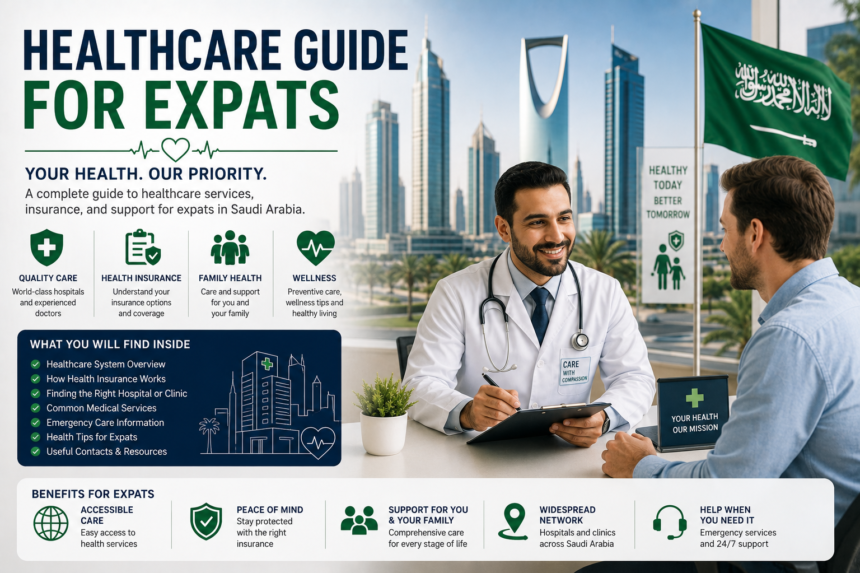
Healthcare Guide for Expats: Everything You Need to Know
Moving to a new country is an exciting experience, but understanding the local healthcare system should be one of your top priorities. Whether you are relocating for work, business, or family reasons, knowing how to access medical services, choose the right healthcare guide for expats as well as health insurance, and find trusted hospitals can make your transition much smoother.
- Why Healthcare Planning Matters for Expats
- Understanding Health Insurance & Healthcare Guide For Expats
- Public vs Private Healthcare Guide For Expats
- Finding the Right Hospital
- Choosing a Family Doctor
- Emergency Medical Services
- Healthcare Guide for Expats Families
- Prescription Medications
- Preventive Healthcare
- Mental Health Support
- Maternity and Women’s Healthcare Guide for Expats
- Dental and Vision Care
- Keeping Medical Records
- Healthcare Tips for New Expats
- Frequently Asked Questions
This comprehensive healthcare guide for expats explains everything you need to know, from health insurance and hospital options to emergency care, prescription medications, and preventive healthcare. By understanding the healthcare system before you need it, you can protect yourself and your family while enjoying peace of mind in your new home.
Why Healthcare Planning Matters for Expats
Healthcare systems vary significantly from one country to another. Some countries provide government-funded healthcare, while others rely mainly on private medical facilities and mandatory insurance.
Expats should familiarize themselves with:
- Health insurance requirements
- Public and private healthcare options
- Emergency medical services
- Specialist and primary care access
- Prescription medication rules
- Family healthcare services
- Preventive care and vaccinations
Preparing in advance helps avoid unnecessary expenses and ensures faster access to quality medical treatment.
Understanding Health Insurance & Healthcare Guide For Expats
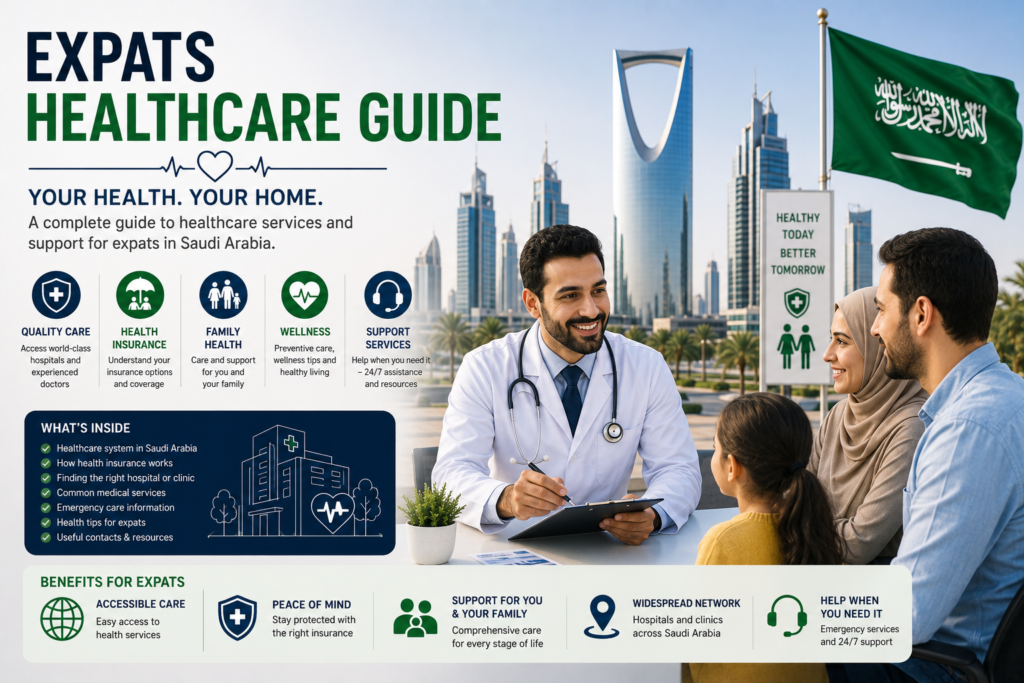
Health insurance is one of the most important aspects of living abroad. In many countries, employers provide medical insurance for their employees, while dependents may require additional coverage.
When selecting a health insurance plan, consider:
- Hospital coverage
- Outpatient consultations
- Specialist visits
- Emergency treatment
- Laboratory tests
- Maternity care
- Dental treatment
- Vision care
- Prescription medicines
- Mental health services
Always read your policy carefully to understand what is covered, waiting periods, exclusions, annual limits, and claim procedures.
Public vs Private Healthcare Guide For Expats
Many countries offer both public and private healthcare systems.
Public Healthcare: Public healthcare is generally more affordable and may be subsidized by the government. However, waiting times can be longer, and some services may require referrals.
Benefits include:
- Lower treatment costs
- Government-supported facilities
- Access to essential medical services
Private Healthcare: Private hospitals often provide shorter waiting times, modern facilities, multilingual staff, and advanced medical technologies.
Advantages include:
- Faster appointments
- Comfortable facilities
- Greater choice of specialists
- Better customer service
- Advanced diagnostic equipment
Many expats choose private healthcare because of convenience and shorter waiting times.
Finding the Right Hospital
Selecting a reliable hospital before an emergency occurs is always recommended.
Look for hospitals that offer:
- International accreditation
- Emergency departments
- Intensive care units
- Specialized medical departments
- Pharmacy services
- Diagnostic imaging
- Laboratory facilities
- Experienced medical professionals
- Multilingual staff
Keep the addresses and emergency contact numbers of nearby hospitals saved on your phone.
Choosing a Family Doctor
Having a trusted primary care physician can simplify your healthcare experience.
A family doctor can help with:
- General medical consultations
- Routine health checkups
- Vaccinations
- Chronic disease management
- Specialist referrals
- Health advice
- Prescription renewals
Building a long-term relationship with one doctor also ensures better continuity of care.
Emergency Medical Services
Every expat should know how emergency medical services operate in their country of residence.
Important preparation includes:
- Learning local emergency numbers
- Knowing the nearest emergency hospital
- Carrying your insurance card
- Keeping medical records accessible
- Saving emergency contacts
During emergencies, quick access to accurate information can save valuable time.
Healthcare Guide for Expats Families
Families moving abroad should also understand healthcare services for spouses, children, and elderly dependents.
Important services include:
- Pediatric care
- Maternity services
- Women’s health
- Vaccination schedules
- School health requirements
- Child development clinics
- Elderly care
Parents should ensure children’s vaccination records remain updated according to local regulations.
Prescription Medications
Medication rules differ between countries.
Before relocating:
- Check whether your medicines are legal
- Carry prescriptions from your physician
- Bring medical reports if necessary
- Understand pharmacy regulations
- Learn refill procedures
Some medications available over the counter in one country may require prescriptions elsewhere.
Preventive Healthcare
Preventive healthcare helps reduce future medical risks and expenses.
Regular preventive care includes:
- Annual physical examinations
- Blood pressure monitoring
- Blood sugar screening
- Cholesterol testing
- Cancer screenings
- Dental checkups
- Eye examinations
- Vaccinations
Maintaining regular checkups helps detect health conditions early.
Mental Health Support
Relocating to another country can be emotionally challenging.
Many healthcare providers now offer:
- Psychological counseling
- Stress management
- Anxiety treatment
- Depression support
- Family counseling
- Online therapy
Seeking help early can significantly improve emotional well-being during relocation.
Maternity and Women’s Healthcare Guide for Expats
Women relocating abroad should understand available maternity services.
Important services include:
- Prenatal care
- Delivery packages
- Postnatal care
- Gynecological consultations
- Fertility services
- Breast health screening
Insurance coverage for maternity often varies, so review your policy carefully.
Dental and Vision Care
Many standard health insurance plans do not fully cover dental and vision services.
Additional coverage may include:
- Routine dental cleaning
- Fillings
- Orthodontics
- Eye examinations
- Prescription glasses
- Contact lenses
- Vision correction procedures
Review optional insurance upgrades if these services are important for your family.
Keeping Medical Records
Maintaining organized medical records makes healthcare much easier.
Keep copies of:
- Passport
- Residency documents
- Insurance policy
- Medical history
- Vaccination records
- Prescription lists
- Allergy information
- Emergency contacts
Digital copies stored securely can be especially useful during emergencies.
Healthcare Tips for New Expats
To stay prepared, follow these simple practices:
- Register with a local healthcare provider as soon as possible.
- Understand your insurance coverage before seeking treatment.
- Identify nearby hospitals and pharmacies.
- Keep emergency numbers saved in your phone.
- Carry your insurance card at all times.
- Schedule regular health checkups.
- Maintain healthy eating and exercise habits.
- Stay up to date with recommended vaccinations.
- Learn basic medical terms in the local language if possible.
Frequently Asked Questions
Q1. Do expats need health insurance?
Ans: In many countries, health insurance is mandatory for expatriates. Even where it is not legally required, comprehensive medical insurance is strongly recommended.
Q2. Can expats use public hospitals?
Ans: Eligibility depends on local regulations and residency status. Some countries allow expats access to public healthcare, while others primarily rely on private medical services.
Q3. Are private hospitals better?
Ans: Private hospitals often provide shorter waiting times, advanced facilities, multilingual staff, and a wider range of specialists, making them a popular choice among expatriates.
Q4. What should I carry during a medical emergency?
Ans: Always keep your identification, health insurance card, emergency contacts, allergy information, and a list of current medications with you.
Final Thoughts
Understanding the healthcare system before settling into a new country is one of the smartest decisions any expatriate can make. From selecting the right health insurance to finding trusted hospitals, family doctors, and emergency services, proper planning ensures you receive timely, high-quality medical care whenever you need it.
By staying informed and prepared, expats can focus on building a successful life abroad while enjoying the confidence that their health and the well-being of their families are protected.
Do follow us on Instagram
Read More – Best Health Insurance Plans in the UAE