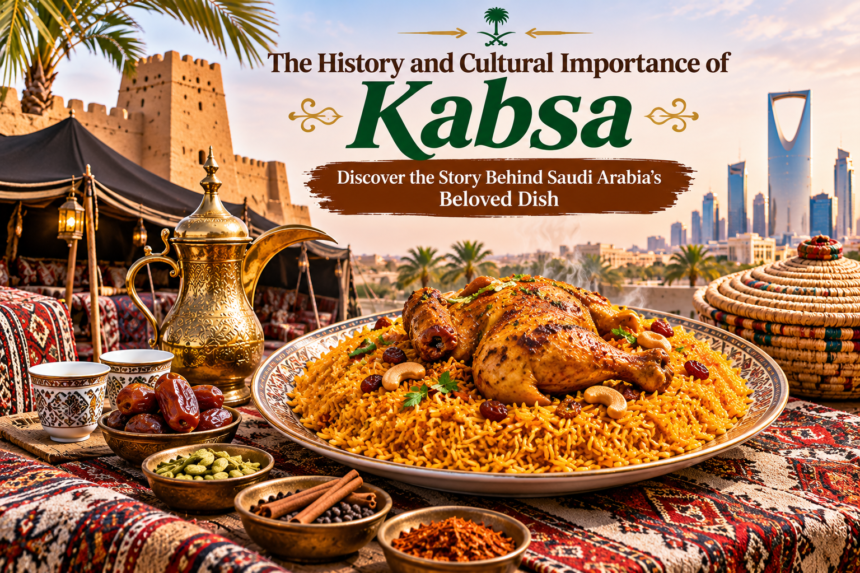
The History and Cultural Importance of Kabsa in Saudi Arabia
Food is an important part of every culture. It brings families together, welcomes guests, and keeps traditions alive across generations. In Saudi Arabia, one dish that represents these values is Kabsa. Made with fragrant rice, meat or chicken, tomatoes, and a special mixture of spices, Kabsa is one of the most recognised dishes in Saudi cuisine.
- 1. What Is Kabsa?
- 2. The History and Origins of Kabsa
- 3. why Kabsa is importantin in Saudi Culture
- 4. The Main Ingredients That Give Kabsa Its Special Taste
- 5. How Traditional Saudi Kabsa Is Prepared
- 6. Different Types and Regional Styles of Kabsa
- 7. Kabsa and Traditional Saudi Hospitality
- 8. The Difference Between Kabsa, Mandi, and Haneeth
- 9. Kabsa at Weddings, Eid, and Family Celebrations
- 10. Kabsa in Modern Saudi Food Culture
- 11. Why Kabsa Remains Popular with Younger Generations
- Conclusion: Kabsa Is More Than a Traditional Saudi Meal
- Frequently Asked Questions (FAQs)
For many Saudi families, Kabsa is more than an everyday meal. It is served during family gatherings, celebrations, weddings, Eid, and special occasions. Its large shared serving plate represents generosity and togetherness. The aroma of spices, tender meat, and freshly cooked rice often reminds people of home and family traditions.
Although similar rice dishes are found across the Gulf and wider Middle East, Saudi Kabsa has its own cooking styles, flavours, and serving customs. It reflects the Kingdom’s food heritage and the influence of trade, local ingredients, hospitality, and regional traditions.
Today, Kabsa is enjoyed in homes, restaurants, hotels, and cultural events throughout Saudi Arabia. It has also gained attention among international food lovers who want to discover traditional Saudi cooking.
This article explores the history and cultural importance of Kabsa, including its origins, ingredients, regional variations, traditional preparation, family customs, and its place in modern Saudi food culture.
1. What Is Kabsa?
Kabsa is a traditional rice-based dish commonly prepared with chicken, lamb, or other meat. The rice is cooked with a flavourful mixture of spices, onions, tomatoes, and broth. It is usually served on a large plate with the meat placed on top or alongside the rice. It widely consider
The name Kabsa is connected to the Arabic word kabs, which refers to pressing or combining ingredients together. Saudipedia explains that the name relates to the cooking method, in which ingredients are prepared together in one pot.
The dish is known for its rich aroma and balanced flavour. Depending on the recipe, it may include spices such as:
- Cardamom.
- Cinnamon.
- Cloves.
- Black pepper.
- Cumin.
- Coriander.
- Turmeric.
- Bay leaves.
- Dried black lime, also called loomi.
Tomatoes and onions add flavour to the cooking liquid, while raisins, almonds, or other nuts may be used as toppings.
Kabsa is popular for both lunch and dinner. It can be prepared for a small family meal or served in large quantities for important gatherings.
2. The History and Origins of Kabsa
The exact date and place where Kabsa first appeared are not clearly established. It is therefore difficult to connect the dish to one specific person, family, or historical event.
The name comes from the Arabic word kabasa, meaning “to press,” referring to the method of pressing the ingredients together into a single pot. While heavily associated with Saudi Arabia, it also traces roots to Yemen and is known as machboos in other Gulf states
However, its ingredients and cooking style reflect the food traditions of the Arabian Peninsula and the wider Gulf region.
Rice became an important part of food culture in the region through long-distance trade. Spices also travelled through commercial routes connecting Arabia with South Asia, East Africa, and other parts of the world.
The Arabian Peninsula was an important meeting point for traders and travellers. These connections helped introduce different ingredients and cooking influences into local kitchens.
Over time, families developed their own ways of combining rice, meat, vegetables, and spices. Cooking methods were adapted according to local tastes, available ingredients, and family traditions.
Kabsa became one of the most recognisable results of this food culture.
Saudipedia identifies Kabsa as one of the most prominent traditional foods in Saudi Arabia and notes its importance as a main meal and a symbol of the Kingdom’s food identity.
Rather than having one simple origin story, Kabsa is best understood as a dish shaped by generations of cooking traditions and regional influences.
3. why Kabsa is importantin in Saudi Culture
Kabsa has a special place in Saudi society because it represents hospitality, generosity, family relationships, and shared experiences.
In many Saudi homes, preparing Kabsa is an important part of welcoming guests. A large plate of rice and meat is placed where everyone can gather around it and enjoy the meal together.
In Saudi Arabia, generosity and hospitality are paramount values. Serving Kabsa is the ultimate expression of welcoming guests. Because it is a rich, hearty meal that requires time and effort to prepare, serving a mountain of spiced rice topped with perfectly roasted meat is a way of showing deep honor and respect to visitors.
This style of serving reflects the importance of sharing food in Saudi culture.
Kabsa is commonly prepared for:
- Family visits and weekend gatherings.
- Weddings and engagement celebrations.
- Eid al-Fitr and Eid al-Adha.
- Special occasions and community events.
- Welcoming important guests.
- Meals shared with relatives and friends.
In traditional settings, several people may sit around one large serving plate. The host makes sure everyone has enough food and that guests feel comfortable.
The meal is not only about satisfying hunger. It creates time for conversation, connection, and hospitality.
This is one reason Kabsa continues to be popular even as Saudi lifestyles and dining habits become more modern.
4. The Main Ingredients That Give Kabsa Its Special Taste
One of the reasons Kabsa is loved by so many people is its combination of simple ingredients and aromatic spices.
The signature, complex taste of Kabsa comes from a unique combination of aromatic spices, slow-simmered meat broth, and distinct citrusy undertones. Unlike hot-spicy dishes, Kabsa focuses on deep, warm, and earthy layers of flavor.
Although recipes differ between households, the basic ingredients usually remain similar.
Rice: Long-grain rice, often basmati, is commonly used because it absorbs flavour while remaining separate when properly cooked.
Meat or chicken: Lamb, chicken, and other meats can be used. The choice often depends on personal preference and the occasion.
Onions and garlic: These ingredients form an important flavour base for the dish.
Tomatoes: Fresh tomatoes or tomato paste give the cooking broth colour and depth.
Spices: A mixture of cardamom, cinnamon, cloves, pepper, cumin, and other spices creates the characteristic aroma.
Dried black lime: Also known as loomi, it adds a distinctive tangy flavour to many Kabsa recipes.
Garnishes: Raisins, almonds, and fried onions may be added before serving.
The combination creates a dish that is rich in flavour without depending on complicated ingredients.
5. How Traditional Saudi Kabsa Is Prepared
Kabsa is often prepared in one large cooking pot, allowing the rice to absorb the flavour of the meat, vegetables, and spices.
The preparation may take time, especially when lamb is used, but the basic method is straightforward.
A traditional cooking process
- Prepare the ingredients: Wash and soak the rice for a suitable period. Chop onions, tomatoes, and garlic.
- Cook the onions: Heat oil or another cooking fat in a large pot and cook the onions until they become golden.
- Add spices: Add garlic, cardamom, cinnamon, cloves, black pepper, and other seasonings.
- Cook the meat: Add chicken or lamb and allow it to cook with the onions and spices.
- Prepare the broth: Add tomatoes and water, then simmer until the meat becomes tender.
- Add the rice: Remove the cooked meat when necessary, add the rice to the flavourful broth, and cook until the liquid is absorbed.
- Finish the meat: Chicken or lamb may be roasted or grilled separately to give it a golden appearance.
- Serve: Place the rice on a large serving plate and arrange the meat on top. Add suitable garnishes.
Small differences in cooking time, spice quantity, and presentation can create very different flavours.
Saudipedia describes a similar traditional method in which the meat or chicken is cooked with spices and vegetables before rice is prepared in the resulting broth.
6. Different Types and Regional Styles of Kabsa
Kabsa is not prepared in exactly the same way across Saudi Arabia. Different families and regions have their own preferences for meat, spices, rice, and garnishes.
Some popular styles include:
Chicken Kabsa: One of the most common versions. The chicken is cooked with spices and tomatoes, while the rice absorbs the cooking broth.
Lamb Kabsa: Often prepared for large gatherings and special occasions. Lamb gives the dish a rich flavour and is usually cooked until tender.
Meat Kabsa: Depending on family preferences, beef or other suitable meats may be used.
Seafood variations: In coastal areas, local cooking traditions may include rice dishes prepared with fish or seafood, although these should not be confused with every traditional Kabsa recipe.
The Eastern Province also has food traditions connected with the wider Gulf region. In Al-Ahsa, a similar rice-and-meat dish may be called Majboos. Across the Gulf, the related dish is commonly known as Machboos or Makbous.
These similarities demonstrate how food traditions travel across borders and develop their own local identities.
7. Kabsa and Traditional Saudi Hospitality
Hospitality is an important part of Saudi culture, and food often plays a central role in welcoming visitors.
A guest arriving at a Saudi home may first be offered Arabic coffee and dates. Depending on the occasion, a larger meal may follow, with Kabsa often serving as the main dish.
The traditional serving style makes the meal feel welcoming. A large plate is placed in the centre, allowing guests to share the food rather than receiving completely separate portions.
In traditional settings, Kabsa may be eaten using the right hand. The host or person serving the meal helps ensure that guests receive enough meat and rice.
A particularly generous presentation is called Al-Mufattah. Saudipedia describes it as a large Kabsa-style serving that may include a whole cooked lamb placed over rice, especially for important guests and occasions.
These customs show that the value of Kabsa is connected not only to its taste but also to the way it is prepared, shared, and presented.
8. The Difference Between Kabsa, Mandi, and Haneeth
People sometimes confuse Kabsa with other popular rice dishes in Saudi Arabia, especially Mandi and Haneeth.
Although they may look similar because they include rice and meat, their preparation methods and flavours can be different.
| Dish | Main feature |
|---|---|
| Kabsa | Rice is cooked with seasoned broth, meat or chicken, tomatoes, and spices. |
| Mandi | Traditionally prepared with meat cooked using a special underground or enclosed cooking method, then served with rice. |
| Haneeth | Meat is slow-cooked until very tender, often using traditional regional methods. |
| Maqluba | Rice, vegetables, and meat are layered in a pot and turned upside down when served. |
The ingredients can overlap, but the cooking process gives each dish its own identity.
Kabsa is especially associated with its aromatic rice and one-pot preparation, while Mandi and Haneeth are known for their distinctive meat-cooking techniques.
9. Kabsa at Weddings, Eid, and Family Celebrations
Kabsa becomes especially meaningful during important occasions.
At weddings, large servings of rice and meat can be prepared for relatives, friends, and guests. In some gatherings, several large plates are arranged to serve groups of people.
During Eid celebrations, families may prepare Kabsa after prayers and share it with relatives and visitors.
It is also common for families to prepare it during weekend gatherings when relatives come together.
These occasions strengthen relationships and help younger family members become familiar with traditional food customs.
In some communities, Kabsa may also be prepared for people visiting a family during difficult times, as an expression of care and appreciation.
The dish therefore connects celebration, hospitality, family support, and everyday social life.
10. Kabsa in Modern Saudi Food Culture
Although Kabsa has a long cultural history, it continues to develop alongside modern lifestyles.
Today, it is available in traditional restaurants, hotels, food courts, catering services, and home-delivery businesses. Some restaurants follow family recipes, while others offer modern presentations and new combinations.
People can also find packaged spice mixes, ready-to-cook ingredients, and online recipes that make preparation easier.
Kabsa is increasingly introduced to international audiences through food festivals, tourism campaigns, cultural programmes, and overseas restaurants.
For example, Saudipedia’s account of Saudi food culture notes that the Culinary Arts Commission has been working to document traditional and regional dishes through its national and regional food narratives initiative.
This is important because documenting traditional recipes helps preserve knowledge that might otherwise be lost as cooking habits change.
11. Why Kabsa Remains Popular with Younger Generations
Modern food trends have introduced Saudi residents to many international cuisines, but traditional dishes continue to have an important place.
Kabsa remains popular because it is familiar, filling, suitable for sharing, and connected with family memories.
Younger generations also discover it in new ways. They may learn recipes from family members, follow cooking videos, order it from restaurants, or experiment with different ingredients at home.
Social media has helped traditional food reach wider audiences through cooking demonstrations, recipe videos, and restaurant reviews.
At the same time, family cooking remains an important way of preserving traditional knowledge. Children who help prepare rice, clean ingredients, or mix spices can learn about their food heritage through everyday experiences.
This combination of traditional cooking and modern communication helps Kabsa remain relevant.
Conclusion: Kabsa Is More Than a Traditional Saudi Meal
Kabsa is one of the most recognised symbols of Saudi food culture. Its rice, meat, and aromatic spices create a familiar flavour, but its deeper importance comes from the traditions surrounding it.
Its history reflects the food influences, trade connections, and cooking knowledge of the Arabian Peninsula. Its place at family gatherings, weddings, Eid celebrations, and guest receptions shows the importance of hospitality and sharing in Saudi society.
Although its ingredients and preparation methods vary between families and regions, the main idea remains the same: a satisfying meal that brings people together.
As Saudi Arabia continues to develop its tourism and culinary sectors, traditional dishes such as Kabsa provide an opportunity to introduce the Kingdom’s culture to international visitors while preserving local food traditions.
Kabsa is not just rice and meat. It is a dish connected with family, generosity, history, and the cultural identity of Saudi Arabia.
Frequently Asked Questions (FAQs)
1. What is the importance of Kabsa in Saudi Arabia?
Kabsa has a special place in Saudi society because it represents hospitality, generosity, family relationships, and shared experiences. Kabsa is a traditional Saudi rice dish usually prepared with chicken or meat, tomatoes, onions, and a mixture of spices. It is commonly served for family meals and special occasions.
2. What is the history of Kabsa?
The exact origin of Kabsa is not clearly established. It developed through the food traditions of the Arabian Peninsula, where rice, meat, spices, and regional cooking influences became part of everyday cuisine.
3. Why is Kabsa culturally important in Saudi Arabia?
Kabsa represents hospitality, generosity, family togetherness, and traditional food culture. It is commonly served to guests and during important celebrations.
4. What are the main ingredients in Kabsa?
The main ingredients include rice, chicken or lamb, onions, tomatoes, garlic, cardamom, cinnamon, cloves, black pepper, and other spices. Some recipes also include dried black lime.
5. Is Kabsa the national dish of Saudi Arabia?
Kabsa is widely recognised as one of Saudi Arabia’s most famous and popular traditional dishes. However, the Culinary Arts Commission has officially recognised Jareesh as the national dish and Maqshush as the national dessert through its national and regional dishes initiative.
Do follow us on Instagram
Read More – Why Dates Remain Important in Saudi Food Culture