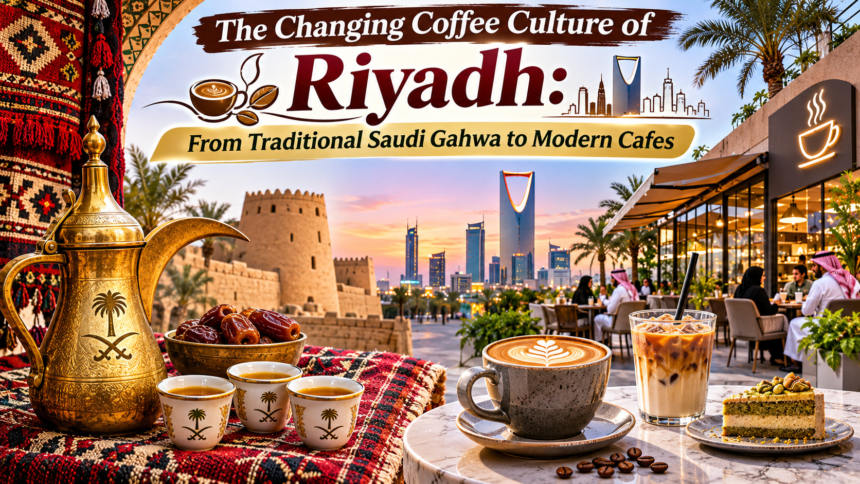
The Changing Coffee Culture of Riyadh
Coffee has always had a special place in Saudi Arabian culture. It is more than a drink served at home or ordered from a café. It represents hospitality, friendship, family connections, and the tradition of welcoming guests. For generations, Saudi families have served Arabic coffee, known locally as Saudi gahwa, with dates during family gatherings and special occasions.
- 1. The Traditional Importance of Coffee in Saudi Culture
- 2. From Traditional Gahwa to Modern Coffee Choices
- 3. The Growth of Speciality Coffee Shops in Riyadh
- 4. Young People Are Influencing Riyadh’s Coffee Culture
- 5. Cafés Are Becoming Social and Work Spaces
- 6. Local Coffee Brands Are Building Their Own Identity
- 7. International Coffee Trends Are Reaching Riyadh
- 8. Saudi Coffee and Modern Flavours Are Coming Together
- 9. Coffee Shops Are Supporting Tourism and City Life
- 10. The Role of Technology in Riyadh’s Coffee Business
- 11. Coffee Culture Is Creating Business and Job Opportunities
- 12. Coffee Tasting and Customer Knowledge Are Growing
- 13. Competition Is Changing the Café Experience
- 14. What Does the Future of Riyadh’s Coffee Culture Look Like?
- Conclusion: Riyadh’s Coffee Culture Is Growing While Keeping Its Roots
- Frequently Asked Questions (FAQs)
Today, the coffee culture of Riyadh is changing. Traditional coffee is still an important part of everyday life, but the city is also seeing a growing interest in speciality coffee, modern cafés, international flavours, and creative brewing methods. From small neighbourhood coffee shops to stylish cafés in shopping and cultural districts, Riyadh offers many different ways to enjoy a cup of coffee.
Young people, working professionals, local business owners, and international visitors are all contributing to this change. Some enjoy traditional coffee prepared with cardamom and saffron, while others prefer espresso, cappuccino, cold brew, or pour-over coffee. Many cafés now combine these choices with attractive interiors, fresh food, and comfortable places to meet friends or work.
The growth of coffee shops also reflects wider changes in the city’s lifestyle and entertainment scene. But how did Riyadh develop such a strong coffee culture, and what makes its modern café scene different? Let’s explore the history, changing habits, local businesses, and future of the changing coffee culture of Riyadh.
1. The Traditional Importance of Coffee in Saudi Culture
To understand Riyadh’s modern coffee culture, it is important to understand the place of traditional Saudi coffee in everyday life.
Coffee is an important part of many social occasions, including family visits, weddings, Eid celebrations, Ramadan, and community gatherings. It is also served during traditional meetings where people come together to settle disagreements.
Saudi coffee has been connected with hospitality and generosity for centuries. Offering coffee to a guest is a way of showing respect and making visitors feel welcome. It is commonly served during family gatherings, weddings, celebrations, and important social meetings.
Traditional Saudi coffee is usually prepared with lightly roasted coffee beans and ingredients such as cardamom. Depending on regional preferences, people may also add saffron, cloves, ginger, or other spices.
The coffee is usually served in small cups called finjan, using a traditional coffee pot known as a dallah. Dates are often offered alongside the drink because they complement its flavour.
The serving process also has its own customs. Coffee is generally poured by the host or a family member, and guests receive small servings rather than a full cup. These customs are an important part of Saudi hospitality.
In 2022, the Saudi Ministry of Culture celebrated this heritage through the Year of Saudi Coffee initiative. It highlighted the cultural importance of coffee and encouraged people to appreciate the different preparation and serving traditions found across the Kingdom.
2. From Traditional Gahwa to Modern Coffee Choices
One of the biggest changes in Riyadh’s coffee culture is the wider choice of drinks available to customers.
Qahwa is usually the first thing offered to guests when they arrive. It is served in the majlis, a traditional gathering place, to show respect, welcome visitors, and make them feel safe and comfortable.
Traditional gahwa remains popular, but modern cafés have introduced many other coffee styles. Customers can now choose between local coffee traditions and drinks influenced by international café culture.
Some popular choices include:
- Saudi coffee: A traditional drink commonly prepared with cardamom and other spices.
- Espresso: A strong coffee prepared by forcing hot water through finely ground coffee.
- Cappuccino: An espresso-based drink with steamed milk and a layer of milk foam.
- Latte: A coffee made with espresso and a larger amount of steamed milk.
- Americano: Espresso mixed with hot water.
- Cold brew: Coffee prepared by soaking ground beans in cold or room-temperature water for several hours.
- Pour-over coffee: A brewing method in which hot water is slowly poured over ground coffee.
This variety allows customers to enjoy different flavours depending on their preferences and mood.
The interesting part is that modern coffee choices have not replaced traditional gahwa. Both styles exist together. A person may enjoy Saudi coffee with family at home and order a latte or filter coffee while meeting friends at a café.
3. The Growth of Speciality Coffee Shops in Riyadh
Speciality coffee has become an important part of Riyadh’s modern café scene. These cafés usually place greater attention on the quality of coffee beans, roasting, brewing techniques, and flavour.
Unlike places that mainly serve standard coffee drinks, speciality cafés often provide information about the beans they use. Customers may find details about the coffee’s country of origin, roasting style, processing method, and flavour notes.
Some cafés also train their baristas to prepare coffee using specific techniques. This helps create a more detailed coffee experience.
Local and regional brands such as Brew92, Camel Step, Dose Café, and Elixir Bunn are examples of businesses associated with the speciality coffee scene.
A 2025 report by Knight Frank describes the rise of speciality cafés as an important part of Saudi Arabia’s changing food and beverage market. It also explains how younger customers are looking for places that combine coffee, leisure, work, and social interaction.
4. Young People Are Influencing Riyadh’s Coffee Culture
Young customers are among the important groups shaping the city’s coffee habits. For many, visiting a café is not only about buying a drink. It is also a way to spend time with friends, study, work, relax, or discover new places.
Social media has also helped cafés reach more people. Customers often share photographs of their drinks, food, interiors, and café experiences online. A visually attractive café can quickly become popular among people looking for new places to visit.
Young customers are also interested in trying different drinks and flavours. Some enjoy classic espresso-based coffee, while others look for new combinations involving chocolate, pistachio, caramel, matcha, or seasonal ingredients.
A café visit may include:
- Meeting friends after work or college.
- Studying or reading in a quiet space.
- Trying a newly introduced coffee drink.
- Taking photographs of attractive interiors.
- Working on a laptop.
- Enjoying breakfast or dessert with coffee.
This change shows how coffee has become part of a wider social lifestyle in Riyadh.
5. Cafés Are Becoming Social and Work Spaces
Modern cafés in Riyadh are becoming more than places where customers quickly buy coffee and leave. Many are designed as comfortable spaces where people can spend time.
Cafés are no longer just places where people go to enjoy coffee. They have become popular spots where people meet friends, work remotely, relax, and spend time with others. With more people working flexible hours and spending time online, cafés are becoming important gathering places in modern communities.
Some cafés provide sofas, large tables, outdoor seating, attractive lighting, and charging points. These features make them suitable for casual meetings, studying, reading, and working.
For freelancers and remote workers, a café can offer a change from working at home. Students may also prefer a café environment when studying with friends or preparing for exams.
Some cafés are designed around specific interests. For example, customers may find cafés connected with books, music, art, or creative activities.
The JAX District in the Diriyah area provides an example of how food and drink spaces can connect with creative surroundings. A January 2026 feature by Condé Nast Traveller Middle East describes cafés in Riyadh that combine coffee with music, design, food, and social experiences. It also highlights how both homegrown businesses and international brands are contributing to the city’s changing café scene.
6. Local Coffee Brands Are Building Their Own Identity
The growth of Riyadh’s coffee culture is not driven only by international café chains. Local businesses are also playing an important role.
Saudi coffee brands are creating their own identities through drink menus, interior designs, customer service, roasting methods, and product quality.
Some focus on speciality coffee, while others offer convenient takeaway drinks or a mix of coffee and bakery products. Their success shows that local businesses can create coffee experiences that suit the preferences of people living in the Kingdom.
Examples include:
- Half Million: A Saudi homegrown coffee brand known for its simple café experience and growing presence.
- Brew92: A speciality coffee business that focuses on coffee beans and careful brewing.
- Elixir Bunn: A local coffee brand associated with regional coffee flavours and modern café design.
- Camel Step: A Saudi speciality coffee name connected with roasting and coffee preparation.
- Dose Café: Another example of the growing speciality coffee business environment.
These brands show the variety within Riyadh’s coffee market. Customers can choose from quick everyday coffee, carefully prepared speciality drinks, and cafés that offer a more complete dining experience.
7. International Coffee Trends Are Reaching Riyadh
Global coffee trends are also influencing what people drink in Riyadh. International coffee styles, new brewing methods, and creative flavours are becoming familiar to local customers.
The spread of social media, international travel, and global café brands has introduced people to different coffee experiences.
Some popular trends include:
Cold coffee: Iced lattes, cold brew, and iced Americanos are popular options for customers who prefer chilled drinks.
Alternative milk: Some cafés offer oat, almond, or other plant-based milk for people who want alternatives to regular dairy milk.
Flavoured coffee: Pistachio, caramel, vanilla, chocolate, and seasonal flavours add variety to standard coffee drinks.
Manual brewing: Pour-over and other hand-brewing methods attract customers who enjoy exploring the taste of different coffee beans.
Creative café menus: Some businesses combine coffee with pastries, desserts, breakfast dishes, and locally inspired ingredients.
These trends do not mean that every customer follows the same preferences. Some people still prefer simple black coffee, while others enjoy trying new drinks. This variety is one reason Riyadh’s coffee scene continues to develop.
8. Saudi Coffee and Modern Flavours Are Coming Together
One of the most interesting developments in Riyadh is the way some cafés are bringing traditional Saudi flavours into modern coffee experiences.
Saudi coffee already has a strong connection with ingredients such as cardamom, saffron, and dates. These ingredients provide opportunities for cafés and food businesses to create products that reflect local tastes.
For example, cafés may serve Saudi coffee alongside modern pastries, date-based desserts, or other traditional sweets. Some businesses also experiment with drinks inspired by local flavours.
Dates are especially important because they have long been served with traditional coffee. They are available in different varieties and can be presented plain, stuffed, or combined with chocolate and other ingredients.
This combination of old and new styles gives Riyadh’s coffee culture a distinct character. Rather than simply copying international café trends, local businesses can introduce ideas that connect modern customers with Saudi food traditions.
9. Coffee Shops Are Supporting Tourism and City Life
Coffee shops have become an important part of the experience for people exploring Riyadh.
Tourists often look for cafés where they can relax, enjoy local food, meet friends, or experience something connected to the city’s culture. Coffee businesses in areas such as Diriyah can offer a combination of traditional architecture, modern design, and local hospitality.
Historic and cultural destinations also give visitors opportunities to discover the traditional side of Saudi coffee.
For example, the Diriyah area has heritage-inspired cafés and dining spaces where visitors can enjoy coffee in surroundings connected to Saudi history.
Coffee shops can support tourism in several ways:
- Providing comfortable places for visitors to relax.
- Introducing guests to Saudi coffee and dates.
- Supporting local food and beverage businesses.
- Creating social spaces near cultural attractions.
- Offering opportunities to discover local flavours.
- Encouraging visitors to explore different neighbourhoods.
As Riyadh develops its entertainment and tourism activities, cafés are likely to remain an important part of the city’s visitor experience.
10. The Role of Technology in Riyadh’s Coffee Business
Technology is changing how people find, order, and enjoy coffee.
Many customers now use mobile applications and online platforms to discover cafés, check menus, place orders, and arrange deliveries. Digital payment methods also make purchasing coffee more convenient.
For café owners, technology can help manage orders, understand customer preferences, and promote new products.
Some important developments include:
- Online ordering and takeaway services.
- Food delivery applications.
- Digital payment options.
- Loyalty programmes and customer rewards.
- Social media marketing.
- Online menus and customer reviews.
- Digital systems for managing orders and stock.
The 2025 Knight Frank report also identifies delivery platforms and digital convenience as important influences on Saudi Arabia’s wider food and beverage sector.
Technology can help small cafés reach more customers, but personal service remains important. Customers still value friendly staff, good coffee, a comfortable atmosphere, and reliable quality.
11. Coffee Culture Is Creating Business and Job Opportunities
The growth of cafés is creating opportunities for entrepreneurs and people interested in the food and beverage industry.
Opening a coffee shop requires more than buying a coffee machine and finding a location. Business owners need to understand customer preferences, choose suitable suppliers, create a menu, manage costs, and provide consistent service.
The changing coffee culture in Riyadh has created different business opportunities, including:
- Opening independent coffee shops.
- Developing local coffee brands.
- Starting speciality coffee roasting businesses.
- Selling coffee equipment and accessories.
- Offering barista training.
- Producing coffee-related content.
- Supplying pastries and desserts to cafés.
- Providing café design and marketing services.
The industry also supports jobs for baristas, café managers, chefs, customer service workers, delivery staff, designers, and marketing professionals.
For young entrepreneurs, the coffee business can be an attractive area to explore. However, competition is strong, so a successful café needs a clear identity, good products, sensible pricing, and careful financial planning.
12. Coffee Tasting and Customer Knowledge Are Growing
As more customers explore speciality coffee, interest in the taste and quality of coffee is also developing.
Some people are beginning to pay more attention to where coffee beans come from, how they are roasted, and which brewing methods bring out different flavours.
Coffee tasting, sometimes called cupping, allows people to compare different coffees and understand their aroma, acidity, sweetness, and body.
Customers may also learn about:
- Coffee bean varieties.
- Growing regions.
- Light, medium, and dark roasting.
- Washing and natural processing.
- Espresso and filter brewing.
- Grinding and water temperature.
This interest can encourage people to appreciate coffee beyond its caffeine content. It may also help local roasters and cafés explain the quality and origin of their products.
Coffee education is especially useful for people who want to work as baristas, start coffee businesses, or develop a deeper interest in brewing.
13. Competition Is Changing the Café Experience
As more cafés enter Riyadh’s market, businesses need to give customers a reason to return.
A good location may bring people through the door, but the overall experience often influences whether they become regular customers.
Coffee quality, price, menu variety, service, cleanliness, and atmosphere all matter. Customers may also compare different cafés through online reviews and recommendations from friends.
The 2025 Knight Frank report found that menu variety and price were among the leading considerations in choosing restaurants and cafés. Coffee quality was also an important factor for respondents.
To remain competitive, coffee businesses may need to focus on:
- Consistent coffee quality.
- Friendly and trained staff.
- Fair and clear pricing.
- A menu that suits local customers.
- Comfortable seating and clean spaces.
- Convenient takeaway and delivery.
- Fresh ideas without losing product quality.
Competition can benefit customers by encouraging cafés to improve their products and services. However, businesses also need to manage costs and build a loyal customer base rather than depending only on temporary popularity.
14. What Does the Future of Riyadh’s Coffee Culture Look Like?
The future of Riyadh’s coffee culture is likely to bring an even wider mix of tradition, technology, local businesses, and international influences.
Traditional Saudi coffee will continue to play an important role in hospitality, while modern cafés may introduce more creative drinks, new brewing methods, and different customer experiences.
Several developments could shape the coming years:
More local coffee brands: Saudi businesses may continue expanding and building stronger identities in the local and international markets.
Greater interest in speciality coffee: More customers may explore bean origins, roasting styles, and manual brewing methods.
Traditional flavours in modern menus: Dates, cardamom, saffron, and other local ingredients may inspire new coffee and dessert combinations.
Better digital services: Online ordering, delivery, and customer loyalty systems may become more important for cafés.
Cafés as lifestyle destinations: Coffee shops may continue combining drinks with food, art, music, shopping, and work spaces.
Greater attention to responsible sourcing: Customers and businesses may become more interested in bean quality, sourcing practices, packaging, and reducing waste.
The exact pace of change will depend on customer demand, business investment, competition, and the wider economy. Still, Riyadh’s coffee culture has already shown that traditional habits and modern ideas can exist together.
Conclusion: Riyadh’s Coffee Culture Is Growing While Keeping Its Roots
The changing coffee culture of Riyadh reflects the wider lifestyle changes taking place across Saudi Arabia. Traditional Saudi gahwa remains an important symbol of hospitality, while speciality cafés, international coffee styles, local brands, and modern brewing methods are adding new experiences to the city’s coffee scene.
Today, people visit cafés for many reasons. They may want a quick coffee before work, a place to meet friends, a quiet corner to study, or an opportunity to try a new drink. Coffee shops are also supporting local entrepreneurs, creating jobs, and contributing to the city’s food and tourism businesses.
What makes Riyadh special is the way old and new coffee traditions exist side by side. A traditional cup served with dates and a modern speciality latte may be very different, but both are part of the city’s growing coffee culture.
Riyadh’s coffee culture is not leaving its traditions behind. It is building new experiences around them, creating a coffee scene that reflects both Saudi heritage and modern city life.
Frequently Asked Questions (FAQs)
1. Why is coffee important in Riyadh?
Coffee is important in Riyadh because it is connected with Saudi hospitality, family gatherings, friendship, and social life. Traditional Saudi coffee is commonly served to welcome guests and show generosity.
2. What is traditional Saudi coffee called?
Traditional Saudi coffee is commonly called Saudi gahwa. It is usually prepared with coffee beans and cardamom, sometimes with saffron, cloves, or other spices.
3. How is coffee culture changing in Riyadh?
Riyadh’s coffee culture is expanding through speciality cafés, international drinks, local coffee brands, creative menus, modern café spaces, and digital ordering services. Traditional Saudi coffee remains an important part of the culture.
4. What is speciality coffee?
Speciality coffee focuses on the quality and flavour of coffee beans, along with careful roasting and brewing. These cafés may share details about bean origin, processing, and preparation methods.
5. Are traditional Saudi coffee and modern coffee both popular in Riyadh?
Yes. Traditional gahwa is an important part of Saudi hospitality, while espresso, cappuccino, latte, cold brew, and pour-over coffee are also available in modern cafés.
6. What are some popular local coffee brands in Riyadh?
Examples include Half Million, Brew92, Elixir Bunn, Camel Step, and Dose Café. These businesses represent different parts of the city’s developing coffee market.
7. Why do young people enjoy visiting cafés in Riyadh?
Many young people visit cafés to meet friends, study, work, relax, try new drinks, and enjoy attractive interiors. Social media also helps them discover new places.
8. How do cafés support Riyadh’s economy?
Cafés create jobs, support local suppliers, provide opportunities for entrepreneurs, and contribute to the food, beverage, and tourism sectors.
9. What is the Year of Saudi Coffee?
The Year of Saudi Coffee was a Ministry of Culture initiative held in 2022. It celebrated Saudi coffee as an important part of the country’s culture, heritage, and hospitality traditions.
10. What is the future of coffee culture in Riyadh?
The future is likely to include more local coffee brands, speciality brewing, modern café experiences, digital services, and creative drinks inspired by Saudi flavours, alongside traditional gahwa.
Do follow us on Instagram
Read More – Save Water at Home and Reduce Waste