Practical Ways to Save and Reduce Water Waste at Home
Water is one of the most important resources in our daily lives. We use it for drinking, cooking, bathing, cleaning, washing clothes, and many other activities. Although water covers a large part of the Earth, only a small amount is easily available as fresh water for people to use. Growing populations, pollution, climate change, and increasing demand are putting pressure on water supplies in many parts of the world.
- 1. Turn Off the Tap While Brushing Your Teeth
- 2. Fix Leaking Taps and Pipes Immediately
- 3. Take Shorter Showers
- 4. Use a Bucket Instead of a Running Hose
- 5. Use the Washing Machine Only with Full Loads
- 6. Do Not Let Water Run While Washing Dishes
- 7. Install Water-Saving Taps and Showerheads
- 8. Use Dual-Flush Toilets
- 9. Collect Rainwater for Gardening
- 10. Water Plants During Cooler Hours
- 11. Choose Plants That Need Less Water
- 12. Reuse Water When It Is Safe and Suitable
- 13. Check Your Water Meter for Hidden Leaks
- 14. Avoid Unnecessary Water Use in the Kitchen
- 15. Teach Children and Family Members to Save Water
- Why Is Saving Water at Home Important?
- A Simple Daily Water-Saving Routine
- Conclusion: Small Changes at Home Can Save a Lot of Water
- Frequently Asked Questions (FAQs)
Saving water does not always require expensive equipment or major changes to your home. Small daily habits can make a big difference. Turning off the tap while brushing your teeth, fixing leaking pipes, using a bucket instead of a running hose, and collecting rainwater where suitable are simple ways to reduce water waste.
Every household can play a role in protecting this valuable resource. When families use water carefully, they can reduce their water bills, protect local supplies, and help create a cleaner environment for future generations.
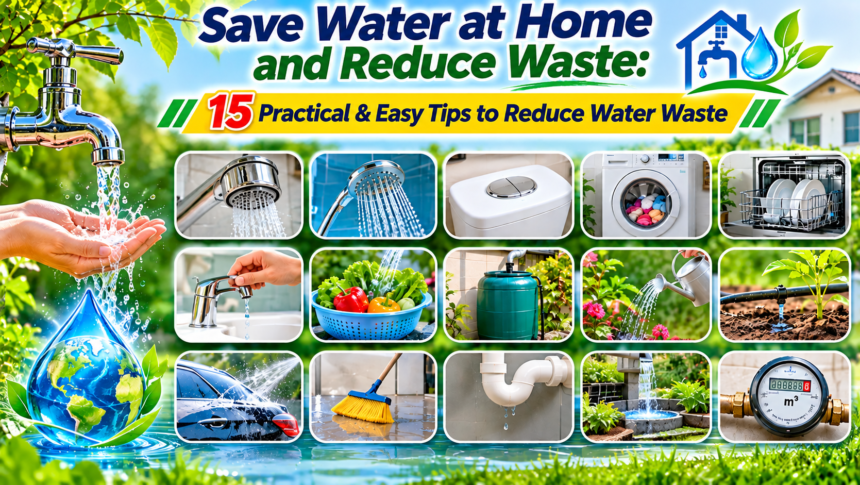
In this article, we explore 15 practical ways to save water at home, including simple bathroom, kitchen, laundry, and garden habits. These easy ideas can help you use water more responsibly without making everyday life difficult.
1. Turn Off the Tap While Brushing Your Teeth
One of the easiest ways to save water at home is to turn off the tap while brushing your teeth.
Many people leave the tap running throughout the brushing process. However, water is not needed continuously while brushing. You only need it when wetting your toothbrush and rinsing your mouth.
A simple change in this habit can prevent unnecessary water waste every day.
Try these easy steps:
- Wet your toothbrush and turn off the tap.
- Brush your teeth without running water.
- Use a glass of water to rinse your mouth.
- Turn on the tap only when needed.
If several family members follow this habit, the total savings can become significant over time.
2. Fix Leaking Taps and Pipes Immediately
A small leak may not look like a serious problem, but dripping taps can waste a surprising amount of water over time.
Leaks can happen in kitchen taps, bathroom taps, shower connections, toilet tanks, and outdoor pipes. Sometimes, the problem is easy to notice, while hidden leaks may continue for weeks without being detected.
Check your home regularly for signs of leakage.
Look for:
- Taps that continue dripping after being turned off.
- Water collecting under sinks.
- Damp patches on walls or floors.
- Unexpected increases in water bills.
- Toilets that keep running after flushing.
Repairing a leaking tap or replacing a damaged washer can be a simple and affordable solution. For hidden pipe leaks, it is better to contact a plumber.
Regular checks help prevent water loss and protect your home from moisture damage.
3. Take Shorter Showers
Long showers can use a large amount of water, especially when the shower runs continuously.
Reducing shower time is one of the most practical ways to save water without changing your daily routine too much.
For example, try to finish your shower in five minutes instead of spending 15 or 20 minutes under running water.
You can also:
- Turn off the shower while applying soap or shampoo.
- Use a water-saving showerhead.
- Avoid unnecessarily high water flow.
- Keep a simple timer in the bathroom.
- Check shower connections for leaks.
A shorter shower can save water every day, and the savings become greater when everyone in the household follows the same habit.
4. Use a Bucket Instead of a Running Hose
Using a running hose for washing cars, cleaning outdoor spaces, or watering plants can waste a lot of water.
A better option is to use a bucket and a mug or sponge whenever practical.
For example, when washing your car, fill a bucket with the amount of water you need instead of keeping a hose running throughout the process.
This method is also useful for:
- Cleaning balconies and outdoor floors.
- Washing bicycles and garden tools.
- Cleaning outdoor furniture.
- Watering small plants.
- Washing pets when appropriate.
A bucket gives you better control over how much water you use. It is a simple habit that can reduce unnecessary waste.
5. Use the Washing Machine Only with Full Loads
Washing machines make household cleaning easier, but they can use a considerable amount of water during each cycle.
Running the machine with only a few clothes can lead to unnecessary water and energy use.
Whenever possible, wait until you have a full load before starting the washing machine. However, avoid overloading it because clothes may not get cleaned properly.
Other useful tips include:
- Select the correct water level for the load.
- Use an eco or water-saving programme if available.
- Choose shorter cycles for lightly soiled clothes.
- Follow the manufacturer’s instructions.
- Repair leaks around water connections.
Modern washing machines often include programmes designed to use less water. Check the settings and choose the most suitable option for your laundry.
6. Do Not Let Water Run While Washing Dishes
Washing dishes is a regular household activity, but leaving the tap running continuously can waste water.
Instead of washing every plate under an open tap, collect water in a basin or use a sink with a stopper.
A practical dishwashing routine can include:
- Remove leftover food from plates.
- Group similar dishes together.
- Soak dishes with dried food instead of using extra running water.
- Wash with a small amount of water and soap.
- Rinse efficiently without leaving the tap running unnecessarily.
If you use a dishwasher, run it with a full load and choose an efficient setting. Avoid pre-rinsing dishes unless the appliance instructions require it.
7. Install Water-Saving Taps and Showerheads
Water-saving equipment can help reduce daily water use without requiring major changes to your lifestyle.
For example, tap aerators mix air with water to create a useful flow while reducing the amount of water coming out of the tap.
Water-efficient showerheads can also reduce flow while still providing a comfortable shower.
Some useful options include:
- Tap aerators.
- Low-flow showerheads.
- Water-efficient kitchen taps.
- Dual-flush toilets.
- Water-saving washing machines.
Before buying new equipment, check its flow rate and efficiency information. Choose products that suit your household needs and local plumbing system.
Although some products may cost more initially, they can help reduce water use over time.
8. Use Dual-Flush Toilets
Toilets are another important area where households can save water.
Older toilets may use more water per flush than newer efficient models. A dual-flush toilet offers two flushing options: one for liquid waste and another for solid waste.
This allows people to use an appropriate amount of water instead of using the same amount for every flush.
If you already have a dual-flush toilet, make sure everyone in the family understands how to use both buttons.
You should also check for toilet leaks. A toilet that continues running after flushing may waste water without being immediately noticed.
Never use less water than necessary if it affects proper hygiene or flushing performance. The aim is to reduce waste while keeping the toilet clean and functional.
9. Collect Rainwater for Gardening
Rainwater harvesting is a useful way to collect and store rainwater for suitable household activities.
Instead of allowing all rainwater to flow away, homeowners can collect it from rooftops using gutters and storage tanks.
The collected water can be used for:
- Watering plants.
- Cleaning outdoor areas.
- Washing gardening tools.
- Other suitable non-drinking purposes.
However, rainwater should not automatically be considered safe for drinking. It may contain dust, bird droppings, chemicals, or other contaminants. Drinking use requires suitable treatment and testing.
If you plan to install a rainwater harvesting system, make sure the storage tank is covered and maintained properly. Follow local rules and use a system designed for your home.
Rainwater harvesting is especially useful in areas where rainfall is seasonal and gardens need water during dry periods.
10. Water Plants During Cooler Hours
Gardens and indoor plants need water to grow, but watering them at the wrong time can increase water loss.
During hot afternoons, some water may evaporate quickly from the soil and plant surfaces. Watering early in the morning or later in the evening can reduce evaporation.
Follow these simple gardening habits:
- Water plants early in the morning.
- Check the soil before watering.
- Avoid watering when the soil is already wet.
- Use a watering can for small gardens.
- Water near the roots rather than spraying the whole plant.
- Choose plants that suit your local climate.
The right watering schedule depends on the plant, soil, weather, and season. Avoid giving every plant the same amount of water.
11. Choose Plants That Need Less Water
If you have a garden, choosing the right plants can help reduce water use.
Some plants need frequent watering, while others can survive with less water once they are established.
Drought-tolerant plants are especially useful in hot and dry climates. Native plants are often a good choice because they are adapted to local weather and soil conditions.
Consider:
- Native shrubs.
- Drought-tolerant flowering plants.
- Local grasses.
- Suitable succulents.
- Plants that can grow well in your soil and climate.
You can also add mulch around plants. Mulch covers the soil and helps slow down evaporation. It can also reduce weed growth and keep soil conditions more stable.
A garden designed around local plants can look attractive while using less water.
12. Reuse Water When It Is Safe and Suitable
Some household water can be reused instead of being thrown away immediately.
For example, water used to rinse vegetables may be suitable for watering non-edible ornamental plants if it does not contain soap, chemicals, or harmful substances.
You can also collect water while waiting for a shower to become warm, provided it is clean and stored safely.
Other possible examples include:
- Reusing suitable vegetable-rinsing water for plants.
- Collecting clean water from rinsing fruits.
- Using leftover drinking water for plants.
- Collecting suitable water from air-conditioning condensation where local conditions allow.
However, not all used water is safe for reuse. Water containing detergent, bleach, cleaning chemicals, or strong food waste should not be used on plants without checking its suitability.
Do not reuse contaminated water for drinking, cooking, or personal hygiene.
13. Check Your Water Meter for Hidden Leaks
Sometimes, water leaks happen inside walls, underground pipes, or toilet systems. These leaks may not be easy to notice.
Checking your water meter can help identify possible hidden problems.
A simple method is:
- Turn off all taps and water-using appliances.
- Make sure nobody is using water inside or outside the home.
- Check the water meter reading.
- Wait for a suitable period without using water.
- Check the meter again.
If the reading has changed, there may be a leak somewhere in the system. However, first make sure no automatic appliances or water systems were operating during the test.
If you suspect a hidden leak, contact a qualified plumber to inspect the pipes.
Regular meter checks can help you find problems before they become expensive.
14. Avoid Unnecessary Water Use in the Kitchen
The kitchen is one of the busiest places in a home, and water is used for cooking, cleaning, and washing food.
Small changes in kitchen habits can reduce water waste.
Try these ideas:
- Wash vegetables in a bowl instead of under a continuously running tap.
- Use only the amount of water needed for cooking.
- Keep drinking water in the refrigerator rather than running the tap until it becomes cool.
- Use a pan with a suitable lid while cooking.
- Wash fruits and vegetables only when needed.
- Avoid throwing away clean leftover water unnecessarily.
These habits may look small, but they can help a household use water more carefully every day.
15. Teach Children and Family Members to Save Water
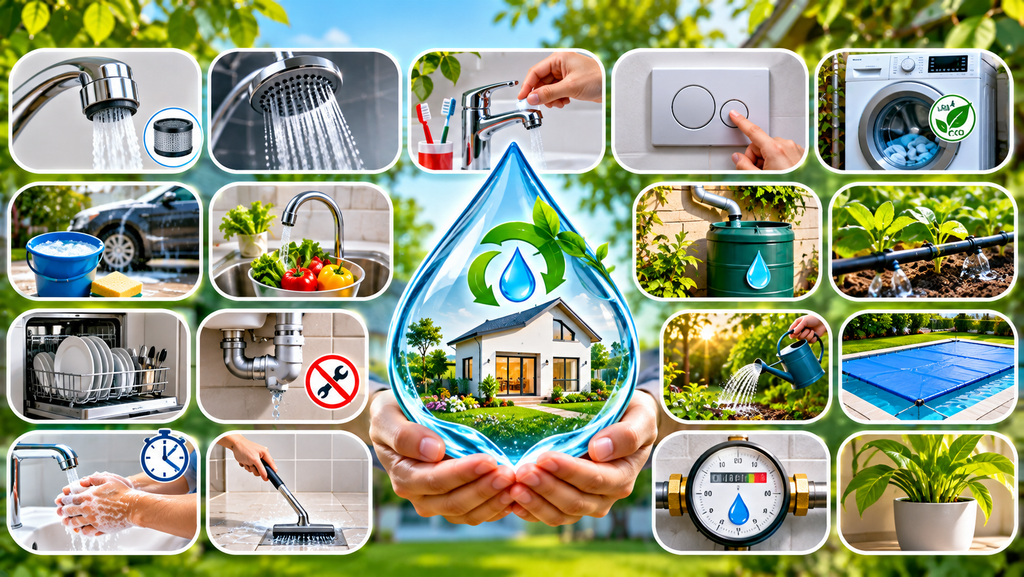
Saving water becomes easier when everyone in the home understands why it matters.
Children can learn simple water-saving habits from an early age. Parents can explain why water is important and show them how small actions can prevent waste.
Some useful family activities include:
- Turning off taps after use.
- Reporting dripping taps.
- Taking shorter showers.
- Using water carefully while washing hands.
- Helping water plants with a small watering can.
- Learning about rainwater harvesting.
- Checking for unnecessary water use around the house.
You can also create a simple weekly water-saving challenge. Ask family members to notice where water is being wasted and suggest practical solutions.
When everyone takes responsibility, saving water becomes a normal part of household life.
Why Is Saving Water at Home Important?
Saving water is not only about reducing household bills. It also helps protect natural resources and supports communities that depend on limited water supplies.
Saving water at home is important because we have only a limited amount of fresh water to use. Although the Earth has plenty of water, most of it is salty or frozen in ice caps and glaciers. Only a small amount is available for our daily needs, so we should avoid wasting it.
Here are some important reasons to save water:
1. Protects freshwater supplies: Freshwater is needed for drinking, farming, industry, and everyday activities. Using it carefully helps reduce pressure on available sources.
2. Reduces household expenses: Lower water use can reduce water bills, especially in homes where charges depend on consumption.
3. Saves energy: Treating, pumping, and heating water require energy. Using less water can also reduce some energy use.
4. Supports the environment: Responsible water use can help reduce pressure on rivers, lakes, groundwater, and other natural sources.
5. Helps during dry periods: Water-saving habits are especially valuable during droughts and periods of low rainfall.
6. Builds responsible habits: When families use water carefully, children learn the importance of protecting natural resources.
A Simple Daily Water-Saving Routine
You do not need to follow every suggestion at once. Start with a few habits and gradually make them part of your daily routine.
| Daily activity | Water-saving habit |
|---|---|
| Brushing teeth | Turn off the tap |
| Taking a shower | Keep showers short |
| Washing dishes | Avoid continuous running water |
| Doing laundry | Run full loads where suitable |
| Cooking | Wash vegetables in a bowl |
| Gardening | Water during cooler hours |
| Cleaning | Use a bucket when practical |
| Checking the home | Repair leaks quickly |
Small actions become more effective when they are repeated consistently.
Conclusion: Small Changes at Home Can Save a Lot of Water
Water is essential for every household, but it is easy to waste more than we realise. Leaving taps running, taking long showers, ignoring leaking pipes, and using too much water in the garden can increase household consumption.
The good news is that saving water does not have to be difficult. Simple actions such as turning off taps, repairing leaks, using washing machines efficiently, collecting rainwater, and choosing plants that need less water can make a meaningful difference.
Every family can take part in protecting water resources. When these habits become part of everyday life, they can reduce waste, lower household expenses, and support a healthier environment.
Saving water starts with small steps at home. Use water wisely today to help protect this valuable resource for tomorrow.
Frequently Asked Questions (FAQs)
1. What are the easiest ways to save water at home?
Turn off taps when not needed, take shorter showers, repair leaks, use washing machines with suitable full loads, and avoid washing dishes under continuously running water.
2. How can I save water in the bathroom?
Use a water-efficient showerhead, take shorter showers, turn off the tap while brushing your teeth, and check toilets and taps for leaks.
3. How can I save water in the kitchen?
Wash vegetables in a bowl, avoid leaving the tap running, use only the water needed for cooking, and run the dishwasher with a full load.
4. Does fixing a leaking tap really save water?
Yes. Even a small leak can waste water over time. Repairing dripping taps and damaged pipes helps prevent unnecessary water loss.
5. Is rainwater safe to use at home?
Collected rainwater can be useful for gardening and certain outdoor activities. It should not be used for drinking unless it has been properly treated and tested.
6. What is the best time to water garden plants?
Early morning or late evening is generally better because temperatures are lower and evaporation is often reduced.
7. Can I reuse water from washing vegetables?
Clean water used to rinse fruits and vegetables can often be reused for suitable plants. Do not reuse water containing soap, chemicals, or harmful substances.
8. How can children help save water?
Children can turn off taps, avoid unnecessary water use, report leaks, help water plants carefully, and learn why freshwater needs protection.
9. Do water-saving showerheads really work?
Yes. Suitable low-flow showerheads can reduce the amount of water used while providing a comfortable shower. Check the product’s flow rate before buying.
10. Why should we save water if water is available from taps?
Tap water requires treatment, pumping, and distribution. Using it carefully helps reduce pressure on water supplies and the energy needed to deliver clean water.
Do follow us on Instagram
Read More – How Online Learning Is Changing Education