Dubai International Airport (DXB)
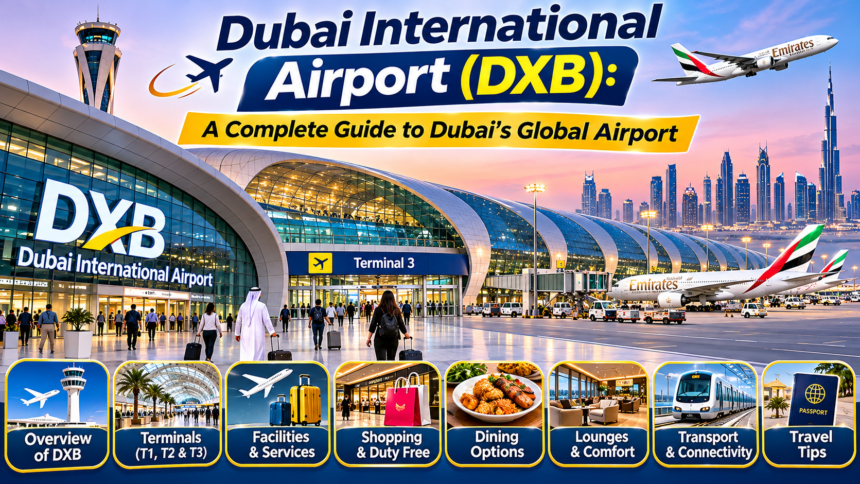
Dubai International Airport, commonly known as Dubai International Airport (DXB), is one of the most important airports in the world. Located in Dubai, United Arab Emirates, it connects travellers to hundreds of destinations across different continents. Every day, people use this airport to visit Dubai, travel for business, go on holiday, or catch connecting flights to other countries.
- 1. Where Is Dubai International Airport Located?
- 2. The History of Dubai International Airport
- 3. Why Is Dubai International Airport So Important?
- 4. Understanding the Three Terminals at DXB
- 5. Airlines Operating at Dubai International Airport
- 6. Shopping and Duty-Free Experience at DXB
- 7. Restaurants, Cafés, and Food Options
- 8. Lounges and Relaxation Facilities
- 9. How to Reach Dubai International Airport
- 10. Connecting Flights and Transit at DXB
- 11. Services for Families and Passengers with Special Needs
- 12. Dubai International Airport and the UAE Economy
- 13. DXB and the Future of Dubai Aviation
- 14. Useful Tips for Travelling Through DXB
- Conclusion: Dubai International Airport Is a Gateway to the World
- Frequently Asked Questions (FAQs)
DXB is more than a place where passengers arrive and depart. It is an important part of Dubai’s tourism, trade, transport, and economic development. Its modern terminals, international airline network, shopping areas, restaurants, lounges, and transport connections make it a major centre for global air travel.
The airport is especially important because Dubai is located between Europe, Asia, and Africa. This position makes it a convenient stop for travellers moving between different parts of the world. It is also the main hub for Emirates, one of the world’s best-known international airlines.
Dubai International Airport has changed greatly since it first opened in 1960. What began as a small airport with a simple runway has developed into a major international aviation centre. In 2025, it welcomed a record 95.2 million passengers, making it the busiest airport in the world for international passenger traffic that year.
In this article, we explore the history, terminals, facilities, airlines, transport options, passenger experience, and future plans of Dubai International Airport (DXB).
1. Where Is Dubai International Airport Located?
Dubai International Airport is located in the Al Garhoud area of Dubai, United Arab Emirates. It is close to several important parts of the city, including Deira, Al Qusais, and Dubai Creek.
Its location makes it convenient for travellers who want to reach different areas of Dubai. Passengers can use the Dubai Metro, taxis, public buses, or private transport to travel between the airport and the city.
The airport is also well connected to major roads, making it easier for visitors to reach hotels, business districts, shopping centres, and tourist attractions.
Some important details about the airport include:
- Airport name: Dubai International Airport
- Airport code: DXB
- Location: Al Garhoud, Dubai, UAE
- Airport operator: Dubai Airports
- Main role: International passenger and cargo airport
- Passenger terminals: Terminal 1, Terminal 2, and Terminal 3
- Main airline hub: Emirates
It is important to remember that Dubai has another airport called Al Maktoum International Airport, also known as Dubai World Central (DWC). DWC is a separate airport located south of the city. DXB remains Dubai’s main international passenger airport.
2. The History of Dubai International Airport
The story of Dubai International Airport began in the late 1950s, when Dubai recognised the importance of developing better transport connections with other countries.
Work on the airport began in 1959 under the leadership of the late Sheikh Rashid bin Saeed Al Maktoum. At that time, Dubai was very different from the modern city visitors see today.
The airport officially opened on 30 September 1960. It started with a runway made from compacted sand and a small terminal building. It was initially designed to handle relatively small aircraft, including the Douglas DC-3.
As Dubai developed, the need for better airport facilities increased. The airport gradually added new runways, terminals, taxiways, and passenger services.
Some important moments in its development include:
- 1960: Dubai International Airport officially opens.
- 1983: Dubai Duty Free begins operations.
- 1985: Emirates airline is launched.
- 1998: Terminal 2 opens.
- 2000: Concourse C opens, increasing passenger capacity.
- 2008: Terminal 3 opens.
- 2013: Concourse A, designed for Airbus A380 aircraft, begins operations.
- 2014: DXB becomes the world’s busiest airport for international passenger traffic.
- 2016: Concourse D opens to serve international airlines operating through Terminal 1.
These developments helped transform DXB from a small airport into a major international aviation hub.
3. Why Is Dubai International Airport So Important?
Dubai International Airport plays a major role in connecting the UAE with the rest of the world. Its location, airline network, passenger services, and cargo operations make it important for both tourism and international business.
One of its biggest strengths is its geographical position. Dubai sits between major travel markets in Europe, Asia, Africa, and the Middle East. This allows airlines to operate routes that connect travellers from different regions.
The airport is also important for several reasons:
International travel: DXB connects Dubai with destinations around the world through a large network of international airlines.
Tourism: Millions of visitors use the airport when travelling to Dubai for holidays, shopping, events, and business.
Business connections: The airport supports people travelling for meetings, trade, investment, and other professional activities.
Cargo operations: Air freight helps businesses move goods between countries, supporting international trade and supply chains.
Employment: Airport operations create jobs in aviation, hospitality, security, transport, retail, customer service, and many other sectors.
According to Emirates News Agency, DXB welcomed 95.2 million passengers in 2025, an increase of 3.1% compared with 2024. It also handled 86.75 million bags and recorded 454,800 aircraft movements during the year.
These figures show the airport’s importance to Dubai’s economy and international connections.
4. Understanding the Three Terminals at DXB
Dubai International Airport has three main passenger terminals: Terminal 1, Terminal 2, and Terminal 3. Each terminal serves different airlines and types of flights.
Knowing which terminal to use is important because the airport is large, and travelling between terminals can take additional time.
Terminal 1
Terminal 1 handles many international airlines. It is connected to Concourse D, which provides passenger facilities and boarding gates for international flights.
Passengers using Terminal 1 can find check-in counters, restaurants, shops, lounges, and other airport services.
Terminal 2
Terminal 2 handles regional and international flights. It is used by airlines including flydubai and other carriers, depending on their schedules and operations.
It is smaller than Terminal 3 but provides important facilities for passengers travelling to destinations in the region and beyond.
Terminal 3
Terminal 3 is strongly associated with Emirates. It is one of the airport’s major passenger areas and includes three gate areas: A, B, and C.
It provides a wide range of services, including shopping, dining, lounges, and passenger facilities.
The terminal is also important for connecting passengers travelling through Dubai.
Travel tip: Always check your ticket, airline messages, or the official DXB flight information before leaving for the airport. Airline terminal assignments can change, so never assume that every international flight uses Terminal 1 or that every Emirates-related journey uses the same gate area.
5. Airlines Operating at Dubai International Airport
Dubai International Airport welcomes airlines from many countries. Its international network makes it possible for passengers to travel to different regions without always needing to book separate journeys.
Emirates is the airport’s main airline partner and operates a large international network from DXB. It connects Dubai with destinations in Europe, Asia, Africa, the Americas, and other regions.
flydubai is another major Dubai-based airline. It operates regional and international routes and provides connections to a wide range of destinations.
Other airlines also serve DXB, including carriers from Europe, Asia, Africa, and the Middle East. Their terminal and gate assignments depend on their operating arrangements.
This variety gives travellers more choices when comparing routes, prices, flight times, and services.
For passengers, a large airline network offers several advantages:
- More international travel options.
- Connections between different regions.
- A wider choice of airlines and ticket prices.
- Convenient connecting flights.
- Greater access to business and leisure destinations.
The airport’s airline network is one of the main reasons it has become such an important global travel hub.
6. Shopping and Duty-Free Experience at DXB
Shopping is one of the well-known experiences at Dubai International Airport. Passengers can visit several retail outlets while waiting for their flights.
Dubai Duty Free is a major part of the airport’s shopping environment. It offers products across different categories, making it popular with international travellers.
Some common shopping categories include:
- Perfumes and beauty products.
- Watches and fashion accessories.
- Chocolates and confectionery.
- Electronics.
- Travel essentials.
- Gifts and souvenirs.
- Selected luxury products.
Passengers can also find products from international brands and stores selling everyday travel items.
However, travellers should remember that duty-free allowances and customs rules differ between countries. Buying an item at the airport does not automatically mean it can be carried into every destination without restrictions.
It is always sensible to check the customs rules of the country where you are travelling.
7. Restaurants, Cafés, and Food Options
Long flights and connecting journeys can make passengers hungry, so food options are an important part of the airport experience.
Dubai International Airport offers a wide range of restaurants, cafés, and quick-service food outlets. Travellers can find different types of food depending on their preferences, budget, and terminal.
Available food choices include:
- Fast food and quick meals.
- Sandwiches and snacks.
- Coffee and tea.
- Bakery products and desserts.
- International cuisine.
- Different vegetarian food options.
Passengers can also find places to sit and enjoy a meal before boarding.
The variety of food reflects Dubai’s international character. Since people from many countries travel through DXB, restaurants and cafés cater to different tastes and food preferences.
For travellers with special dietary needs, it is useful to check restaurant menus or ask staff about ingredients before ordering.
8. Lounges and Relaxation Facilities
Airports can become tiring, especially when passengers have long waiting periods between flights. Dubai International Airport provides several lounges and relaxation facilities where eligible passengers can spend time more comfortably.
Airport lounges may offer:
- Comfortable seating.
- Food and refreshments.
- Work areas.
- Quiet spaces.
- Wi-Fi and charging facilities.
- Shower services in selected locations.
Access depends on the airline, ticket class, membership programme, or lounge payment arrangements.
DXB also provides hotel and relaxation options for travellers who need rest during their journey.
According to Dubai Airports’ official information, shower facilities are available in selected areas of Terminal 3, including free facilities near Gates A and B. Availability and access conditions can vary, so passengers should check the airport’s latest service information.
These facilities can make a long wait more comfortable, particularly for travellers with overnight connections.
9. How to Reach Dubai International Airport
Dubai International Airport is connected to the city’s public transport network. Passengers can choose the option that best suits their location, luggage, budget, and travel schedule.
Dubai Metro
The Dubai Metro is one of the convenient ways to travel to and from DXB.
The Red Line has stations serving Terminal 1 and Terminal 3. Passengers can use these stations to connect with different areas of the city, including major commercial and residential districts.
However, Terminal 2 does not have its own direct Red Line station, so travellers using that terminal may need to choose another transport option or arrange a connection.
Public Buses
Dubai’s Roads and Transport Authority operates bus services connecting the airport with different parts of the city.
Bus stops are available near the arrival areas of all three terminals. Passengers generally need a Nol card to use public transport.
Taxis
Official taxis are available at designated taxi ranks outside the arrival areas.
Taxis can be convenient for travellers with heavy luggage, families, or people going directly to hotels and other destinations.
Private Cars and Ride-Hailing Services
Passengers can also arrange private vehicles or use ride-hailing services such as Uber and Careem. The airport has designated pick-up areas, so travellers should follow the signs after arrival.
10. Connecting Flights and Transit at DXB
Dubai International Airport is a major connecting hub. Many passengers arrive at DXB from one country and continue their journey to another destination.
For example, someone travelling from India to Europe may have a connecting flight through Dubai. Similarly, passengers travelling between Africa and Asia may use DXB as a transit point.
Passengers with connecting flights should follow the transfer signs after leaving their aircraft. Dedicated transfer desks are available to provide guidance and help with onward boarding passes.
Some useful tips for connecting passengers include:
- Check the terminal and gate details of your next flight.
- Follow the airport’s transfer signs.
- Check whether your baggage is tagged to your final destination.
- Allow enough time for security checks and terminal changes.
- Contact airline staff if your connecting flight is delayed.
- Check visa requirements when separate tickets require you to enter Dubai.
Passengers travelling on separate tickets may need to clear passport control, collect their bags, and check in again. This can require an appropriate visa or permission to enter the UAE.
11. Services for Families and Passengers with Special Needs
Dubai International Airport serves travellers of different ages and needs. It provides facilities designed to make airport journeys more comfortable and accessible.
Families may find facilities such as baby-care areas, family-friendly services, and assistance from airport staff.
Passengers with disabilities or reduced mobility can request special assistance through their airline. Support may include wheelchair assistance, help moving between airport areas, accessible facilities, and priority services where available.
DXB also provides support for travellers with certain hidden disabilities and additional assistance needs.
Some available services include:
- Wheelchair support.
- Accessible toilets and elevators.
- Assistance with boarding and baggage collection.
- Priority routes at selected airport points.
- Help from trained airport staff.
- Accessible transport facilities.
Passengers who need assistance should contact their airline before travelling. Making arrangements early helps the airport and airline prepare the required support.
12. Dubai International Airport and the UAE Economy
Dubai International Airport plays an important role in supporting the UAE economy.
It connects businesses with international markets and allows people to travel for trade, investment, meetings, and tourism. It also supports a large network of businesses that depend on air travel.
The airport creates demand for services in different industries, including:
- Airlines and aviation services.
- Hotels and hospitality.
- Retail and shopping.
- Food and restaurants.
- Transport and logistics.
- Security and airport operations.
- Tourism and travel agencies.
Its cargo operations are also important. Air freight is useful for transporting time-sensitive and valuable goods, including electronics, medicines, fresh products, and business shipments.
The airport therefore supports more than passenger travel. It is connected to the wider movement of goods, services, and international business.
13. DXB and the Future of Dubai Aviation
Dubai is continuing to invest in aviation infrastructure to prepare for future growth in international travel.
The airport’s operations will move in stages. The first phase is expected to open by 2032. All commercial flights, including those of Emirates and flydubai, are planned to move to the new airport between 2032 and 2035.
Dubai International Airport has a current annual passenger capacity of around 115 million according to Dubai Aviation Engineering Projects. However, the airport’s future role is also connected with the development of Al Maktoum International Airport (DWC).
In April 2024, Dubai announced a major expansion plan for DWC. The project was announced with an investment of AED 128 billion and an ultimate planned capacity of up to 260 million passengers annually.
The development is intended to support Dubai’s long-term aviation needs as the city grows.
DXB is expected to remain the main international airport during the development period, while DWC is being prepared as a major future aviation hub. The longer-term plan announced by Dubai’s leadership includes transferring operations from DXB to DWC in the coming years, but this is a future transition rather than a change that passengers should assume has already taken place.
The future development of Dubai’s aviation system may include:
- More passenger capacity.
- Improved airport technology.
- Better connections with public transport.
- More efficient baggage systems.
- New facilities for airlines and travellers.
- Greater cargo and logistics capacity.
These plans show how important aviation remains to Dubai’s long-term economic and transport development.
14. Useful Tips for Travelling Through DXB
Dubai International Airport is large and busy, so a little preparation can make a journey easier.
Here are some practical tips for passengers:
- Check your terminal: Confirm the correct terminal with your airline before leaving for the airport.
- Arrive early: Allow enough time for check-in, security, and passport control. Follow your airline’s recommended arrival time.
- Keep travel documents ready: Carry your passport, visa where required, and boarding pass.
- Check baggage rules: Review your airline’s cabin baggage and checked baggage limits.
- Follow airport signs: Use the signs and information screens to find check-in counters and boarding gates.
- Allow time for transfers: Some gate changes and terminal connections may take longer than expected.
- Keep valuables safe: Look after your passport, phone, wallet, and other important belongings.
- Check flight updates: Monitor the airport’s official arrivals and departures information.
- Use official transport: Follow airport signs to official taxi ranks and public transport services.
- Ask for help: Airport staff and Guest Experience Ambassadors can help with directions and passenger services.
A few simple steps can make the airport experience more organised and less stressful.
Conclusion: Dubai International Airport Is a Gateway to the World
Dubai International Airport (DXB) has developed from a small airport opened in 1960 into one of the world’s most important international aviation hubs. Its location, airline network, modern terminals, passenger facilities, and transport connections make it an important gateway to Dubai and many other destinations.
The airport supports tourism, business travel, cargo operations, shopping, hospitality, and employment. Its record passenger numbers in 2025 also show the continued importance of Dubai in international air travel.
From traditional airport services to modern lounges, shopping areas, restaurants, and digital facilities, DXB aims to provide a wide range of services for different types of travellers.
At the same time, Dubai is planning for the future through the development of Al Maktoum International Airport. These long-term plans are expected to shape the next stage of aviation growth in the emirate.
Dubai International Airport is more than a travel destination. It is a major connection point between countries, businesses, cultures, and people, helping Dubai maintain its place on the global aviation map.
Frequently Asked Questions (FAQs)
1. What is Dubai International Airport known for?
Dubai International Airport is known for its large international passenger network, modern terminals, international airline connections, shopping facilities, and role as a major global connecting hub.
2. What is the airport code for Dubai International Airport?
The airport code for Dubai International Airport is DXB. Travellers will see this code on flight tickets, boarding passes, and airport information.
3. How many terminals does Dubai International Airport have?
Dubai International Airport has three main passenger terminals: Terminal 1, Terminal 2, and Terminal 3. Each serves different airlines and flight operations.
4. Which airlines use Dubai International Airport?
Emirates and flydubai are major airlines operating at DXB. The airport also serves many international airlines from different parts of the world.
5. How can I reach Dubai International Airport?
Passengers can reach DXB by Dubai Metro, public buses, official taxis, private cars, and ride-hailing services. The Red Line serves Terminal 1 and Terminal 3 directly.
6. Is Dubai International Airport open 24 hours?
DXB handles flights and passenger operations around the clock. However, individual services, shops, lounges, and transport options may have different operating hours.
7. Does Dubai International Airport have free Wi-Fi?
DXB provides passenger services that include internet access. Travellers should check the airport’s official website or follow the terminal instructions for the latest connection details.
8. Can I get a connecting flight at DXB?
Yes. DXB is a major international transfer hub. Passengers should follow transfer signs, check their onward flight details, and confirm baggage arrangements with their airline.
9. What is the difference between DXB and DWC?
DXB refers to Dubai International Airport, the city’s main international passenger airport. DWC refers to Dubai World Central – Al Maktoum International Airport, located in the southern part of Dubai and being developed for future expansion.
10. How many passengers used Dubai International Airport in 2025?
Dubai International Airport welcomed a record 95.2 million passengers in 2025, according to Dubai Airports’ announcement reported by Emirates News Agency.
Do follow us on Instagram
Read More – The Changing Coffee Culture of Riyadh