


Arabic Desserts: What Are the Most Delicious Traditional Arabic Sweets You Must Try?
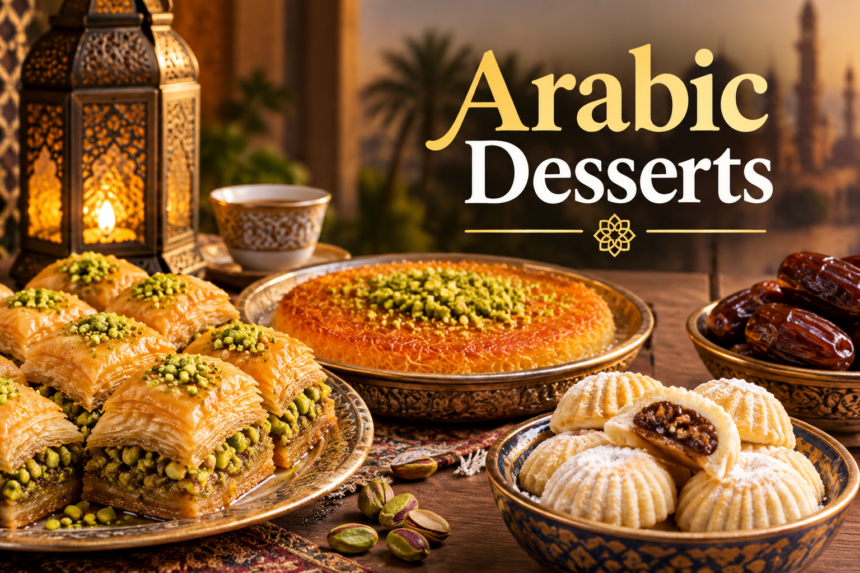
Have you ever wondered why Arabic desserts are so popular across the Middle East and beyond? From crispy baklava layered with nuts to warm kunafa soaked in fragrant syrup, Arabic sweets offer a unique combination of textures, aromas, and flavors. These desserts are deeply connected to the culture and traditions of countries such as the UAE, Saudi Arabia, Qatar, Kuwait, Bahrain, Oman, Jordan, Lebanon, Syria, Egypt, Palestine, and Iraq.
- What Are Arabic Desserts?
- Why Are Arabic Desserts So Popular?
- What Is Kunafa and Why Is It One of the Most Famous Arabic Desserts?
- What Is Baklava and Why Is It Considered a Classic Middle Eastern Sweet?
- What Is Maamoul and Why Is It Popular During Celebrations?
- What Is Basbousa?
- What Is Umm Ali?
- What Is Qatayef?
- What Are Luqaimat?
- Which Arabic Desserts Are Made With Dates?
- What Is Mahalabia?
- What Is Halawa?
- Which Arabic Desserts Are Popular During Ramadan?
- What Makes Arabic Desserts Different From Western Desserts?
- Are Arabic Desserts Very Sweet?
- Which Arabic Desserts Should Beginners Try First?
- How Are Arabic Desserts Served?
- What Drinks Pair Well With Arabic Desserts?
- Are Arabic Desserts Suitable for Special Occasions?
- Can You Make Arabic Desserts at Home?
- What Ingredients Are Commonly Used in Arabic Desserts?
- Which Arabic Desserts Are Best for Nut Lovers?
- Which Arabic Desserts Are Best for Date Lovers?
- Why Should You Explore Arabic Desserts?
- What Are the Best Arabic Desserts to Try?
- Where Can You Find Traditional Arabic Desserts?
- How Can You Choose the Right Arabic Dessert?
- What Is the Cultural Importance of Arabic Desserts?
- Are Arabic Desserts Becoming Popular Around the World?
- What Is the Best Way to Experience Arabic Desserts?
Arabic desserts are often made with ingredients such as dates, pistachios, almonds, walnuts, semolina, cheese, rose water, orange blossom water, honey, and sugar syrup. While many recipes have been passed down through generations, modern pastry chefs have also introduced creative versions that combine traditional flavors with contemporary presentation.
Whether you are visiting the Middle East, enjoying an Arabic meal, celebrating a special occasion, or simply looking for something sweet, discovering traditional Arabic desserts can be a delicious experience.
What Are Arabic Desserts?
What exactly are Arabic desserts? Arabic desserts are a broad collection of traditional sweet dishes associated with Arab countries and Middle Eastern cuisine. They range from delicate pastries and stuffed cookies to syrup-soaked cakes, puddings, fried sweets, and date-based treats.
Many Arabic sweets are characterized by their use of nuts, aromatic ingredients, and sweet syrups. Rose water and orange blossom water are especially common because they provide a distinctive floral fragrance that sets many Middle Eastern desserts apart from Western-style sweets.
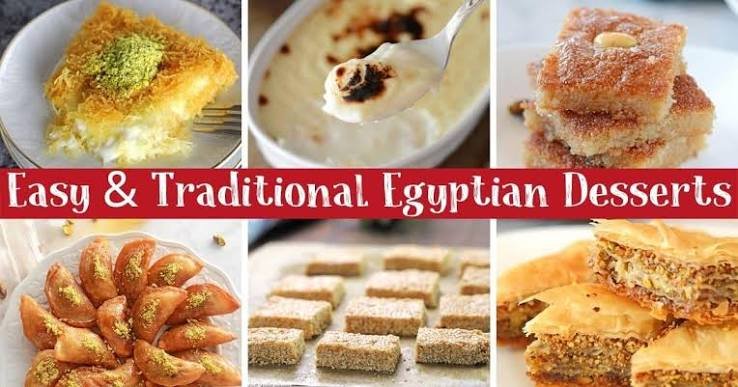
Some popular examples include:
- Kunafa
- Baklava
- Maamoul
- Basbousa
- Umm Ali
- Qatayef
- Luqaimat
- Halawa
- Warbat
- Date-filled sweets
- Rice pudding
- Mahalabia
The exact recipes and preparation methods vary from one country and region to another, making Arabic desserts an incredibly diverse category of food.
Why Are Arabic Desserts So Popular?
Why have Arabic sweets become popular around the world? One major reason is their distinctive combination of flavors and textures. Arabic desserts often balance sweetness with the richness of nuts, creamy fillings, fragrant spices, and aromatic waters.
Another reason is their cultural significance. Desserts are frequently served when families and communities gather together. They are especially important during Ramadan, Eid celebrations, weddings, religious occasions, family gatherings, and other festive events.
Arabic desserts can also be visually impressive. Golden pastry, colorful pistachios, powdered sugar, cream, dates, and syrup create an attractive presentation that makes these sweets appealing both in restaurants and at home.
What Is Kunafa and Why Is It One of the Most Famous Arabic Desserts?
What is kunafa? Kunafa, also spelled kanafeh or knafeh, is one of the most famous Arabic desserts. It is traditionally prepared using fine strands or layers of pastry, a sweet filling, and sugar syrup. Depending on the regional recipe, the filling may include soft cheese, cream, or other ingredients.
Kunafa is especially popular across the Levant and Gulf region. It can be served warm and is often decorated with crushed pistachios.
What makes kunafa special?
- Crispy pastry provides a contrasting texture.
- Creamy or cheesy filling adds richness.
- Sugar syrup provides sweetness.
- Pistachios add flavor and color.
- Rose water or orange blossom water may provide a floral aroma.
Different countries and cities have their own styles of kunafa. Some versions are soft and creamy, while others are more crispy and golden.
What Is Baklava and Why Is It Considered a Classic Middle Eastern Sweet?
What makes baklava one of the best-known Arabic desserts? Baklava consists of thin layers of pastry filled with nuts and finished with sweet syrup or honey. Pistachios, walnuts, and almonds are commonly used depending on the recipe.
Although baklava is associated with many cuisines across the wider Middle East and Mediterranean region, it has become an iconic sweet throughout Arab countries.
The combination of flaky pastry, crunchy nuts, and syrup creates a rich dessert that is often enjoyed with Arabic coffee or tea.
Baklava is particularly suitable for celebrations because individual pieces can be prepared in different shapes and sizes. Some varieties are rolled, while others are cut into diamonds, squares, or rectangles.
What Is Maamoul and Why Is It Popular During Celebrations?
What is maamoul? Maamoul is a traditional filled cookie commonly made with semolina or flour and filled with dates, pistachios, walnuts, or other nuts.
Maamoul is especially associated with festive occasions, including Eid and other celebrations. Traditionally, decorative wooden molds are used to create distinctive patterns on the surface of the cookies.
Why do people love maamoul?
- It has a delicate, crumbly texture.
- Date filling provides natural sweetness.
- Nut-filled varieties add crunch.
- Decorative shapes make it suitable for celebrations.
- It pairs well with coffee and tea.
Because maamoul can be made with different fillings, it is one of the most versatile traditional Arabic sweets.
What Is Basbousa?
What is basbousa and why is it popular throughout the Middle East? Basbousa is a sweet semolina cake that is usually soaked with sugar syrup after baking. It may be flavored with coconut, rose water, or orange blossom water and is often decorated with almonds or other nuts.
Basbousa has a soft yet slightly grainy texture because of the semolina. Its syrup gives the cake a moist consistency and characteristic sweetness.
Different regions have their own versions of basbousa, and the dessert may also be known by different names, including revani in some culinary traditions.
What Is Umm Ali?
What is Umm Ali? Umm Ali is a popular Egyptian dessert made from layers of pastry or bread combined with milk, cream, sugar, and nuts. It is generally served warm and is often topped with raisins, coconut, pistachios, almonds, or other nuts.
Umm Ali is sometimes compared with bread pudding because of its warm, creamy consistency. However, its use of Middle Eastern ingredients gives it a distinctive character.
It is an especially comforting dessert during cooler evenings and is commonly found in Egyptian restaurants and Middle Eastern dining establishments.
What Is Qatayef?
What is qatayef? Qatayef is a traditional Arabic stuffed pancake or dumpling-like dessert that is particularly popular during Ramadan.
The batter is cooked on one side and then filled with ingredients such as nuts, cheese, or cream. The filled pastry can then be folded and either baked, fried, or prepared in other regional styles before being served with syrup.
Popular fillings include:
- Walnuts
- Pistachios
- Cream
- Soft cheese
- Cinnamon and sugar
- Coconut
Qatayef is closely connected with Ramadan traditions and is often prepared for family gatherings and evening meals.
What Are Luqaimat?
What are luqaimat? Luqaimat are small, round fried dough balls that are crispy on the outside and soft on the inside. They are traditionally served with date syrup, honey, sugar syrup, or other sweet toppings.
Luqaimat are especially popular in Gulf countries, including the UAE, Saudi Arabia, Kuwait, Qatar, Bahrain, and Oman.
They are usually eaten fresh and can be topped with:
- Date syrup
- Sesame seeds
- Honey
- Pistachios
- Powdered sugar
- Saffron
- Cardamom
Their small size makes luqaimat convenient to share, making them a popular choice for gatherings and celebrations.
Which Arabic Desserts Are Made With Dates?
Why are dates so important in Arabic desserts? Dates have been a significant food in the Arab world for centuries, particularly in desert and oasis communities. Their natural sweetness makes them an excellent ingredient for traditional desserts.
Dates may be used as a filling, topping, paste, or main ingredient. They are frequently combined with nuts, sesame, cardamom, cinnamon, and other aromatic ingredients.
Some date-based Arabic sweets include:
- Date-filled maamoul
- Date cookies
- Stuffed dates
- Date cakes
- Date truffles
- Date-based energy bites
- Date pastries
Dates are also commonly served alongside Arabic coffee, making the combination an important part of hospitality in many Arab cultures.
What Is Mahalabia?
What is mahalabia? Mahalabia, also known as muhallabieh or mahalabiya, is a creamy Middle Eastern milk pudding. It is usually prepared with milk and a thickening ingredient and may be flavored with rose water or orange blossom water.
The pudding is commonly topped with pistachios, almonds, coconut, cinnamon, or dried fruits.
Unlike many syrup-heavy Arabic sweets, mahalabia has a smooth and creamy consistency. It is often served chilled, making it a refreshing choice in warm climates.
What Is Halawa?
What is halawa? Halawa, often called halva, is a dense sweet traditionally made using sesame paste, also known as tahini, combined with sugar and other ingredients.
It can have a crumbly yet creamy texture and is often flavored or decorated with:
- Pistachios
- Almonds
- Chocolate
- Cocoa
- Dates
- Vanilla
- Dried fruits
Halawa is commonly eaten as a snack or dessert and is popular in several Middle Eastern countries.
Which Arabic Desserts Are Popular During Ramadan?
Which Arabic desserts are traditionally enjoyed during Ramadan? Ramadan is one of the most important times of the year for many Arab families, and desserts play a significant role in evening gatherings after iftar.
Some commonly enjoyed Ramadan sweets include:
- Qatayef
- Kunafa
- Luqaimat
- Basbousa
- Maamoul
- Baklava
- Rice pudding
- Mahalabia
- Date-based sweets
Why are these desserts particularly suitable for Ramadan? Many are easy to share and can be prepared in advance or served fresh after the evening meal. They also provide a celebratory element to family gatherings.
What Makes Arabic Desserts Different From Western Desserts?
How are Arabic desserts different from many Western desserts? The biggest difference is often the choice of ingredients and flavor combinations. While Western desserts frequently emphasize ingredients such as chocolate, vanilla, butter, and cream, Arabic sweets often highlight nuts, dates, semolina, honey, floral waters, and spices.
Arabic desserts commonly feature flavors such as:
- Rose water
- Orange blossom water
- Cardamom
- Saffron
- Cinnamon
- Pistachio
- Date
- Sesame
- Honey
Another important difference is the use of sugar syrup. Many traditional Arabic desserts are baked or fried first and then finished with syrup, creating a moist, glossy, and intensely sweet result.
Are Arabic Desserts Very Sweet?
Are Arabic desserts sweeter than other types of desserts? Many traditional Arabic sweets are indeed quite sweet because sugar syrup, honey, dates, or other sweeteners are commonly used.
However, sweetness varies considerably between desserts. Cream-based puddings, date sweets, and certain nut-based treats may have a more balanced flavor.
If you prefer less sweetness, you can choose desserts such as:
- Lightly sweetened mahalabia
- Date-based sweets
- Fresh fruit with Arabic-style toppings
- Small portions of maamoul
- Nut-based desserts with reduced syrup
The best way to enjoy traditional Arabic desserts is often to pair a small serving with unsweetened Arabic coffee or tea.
Which Arabic Desserts Should Beginners Try First?
Which Arabic desserts are best for someone trying Middle Eastern sweets for the first time? If you are new to Arabic desserts, starting with a variety of textures and flavors is a good idea.
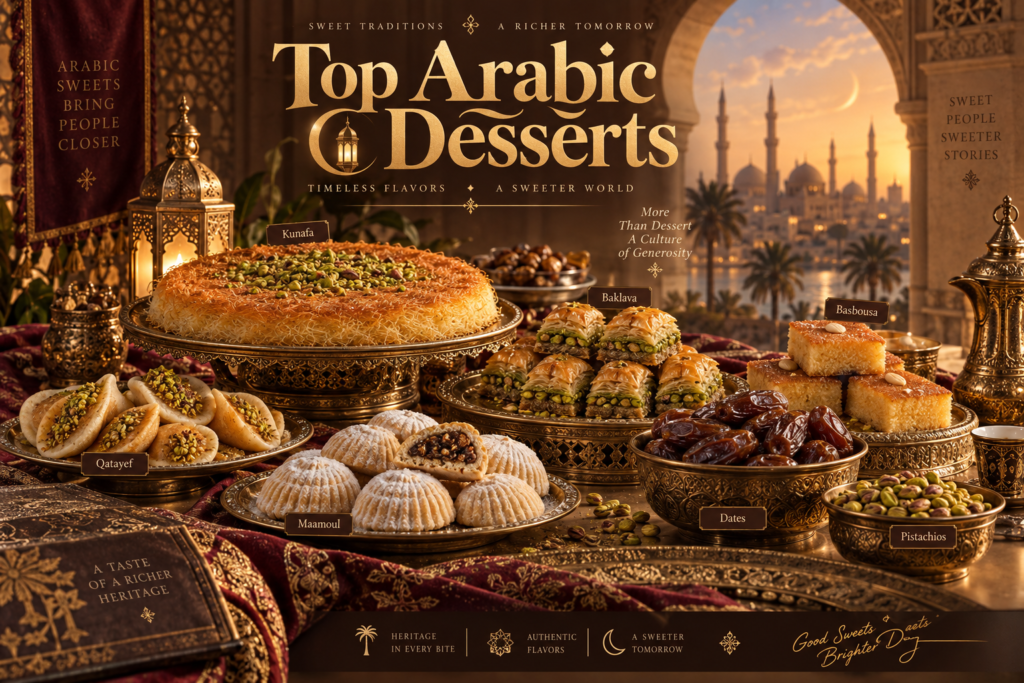
A beginner-friendly selection could include:
- Kunafa – ideal if you enjoy creamy and crispy desserts.
- Baklava – a good choice for lovers of nuts and flaky pastry.
- Maamoul – perfect if you prefer cookies and dates.
- Basbousa – suitable for those who enjoy soft cakes.
- Luqaimat – excellent if you like crispy fried sweets.
- Mahalabia – a good option if you prefer creamy desserts.
- Umm Ali – ideal for fans of warm, comforting puddings.
Trying several desserts is the easiest way to discover which Arabic flavors you enjoy most.
How Are Arabic Desserts Served?
How are Arabic sweets traditionally served? Presentation and hospitality are important aspects of Middle Eastern dining. Desserts may be arranged on large serving plates or individual dishes and offered alongside Arabic coffee or tea.
Pistachios, almonds, dates, coconut, powdered sugar, and edible decorations are often used to make desserts visually appealing.
For gatherings, hosts may serve several varieties at the same time, allowing guests to choose their preferred sweet.
What Drinks Pair Well With Arabic Desserts?
What should you drink with Arabic desserts? Traditional drinks can help balance the richness and sweetness of Middle Eastern sweets.
Popular pairings include:
- Arabic coffee
- Cardamom coffee
- Black tea
- Mint tea
- Saffron tea
- Turkish-style coffee
- Date-based drinks
- Fresh juices
Arabic coffee is particularly popular because its bitterness and aromatic spices can complement the sweetness of desserts.
Are Arabic Desserts Suitable for Special Occasions?
Why are Arabic desserts so closely associated with celebrations? Food is an important part of hospitality and social traditions throughout the Arab world. Desserts are often prepared when families welcome guests or celebrate important occasions.
Arabic sweets are commonly served during:
- Eid celebrations
- Ramadan gatherings
- Weddings
- Birth celebrations
- Family reunions
- Religious celebrations
- National and cultural events
- Dinner parties
Their attractive presentation and shareable nature make them ideal for serving to groups.
Can You Make Arabic Desserts at Home?
Can traditional Arabic desserts be made at home? Yes. Many Arabic dessert recipes can be prepared in a home kitchen using commonly available ingredients. Some recipes require more time and skill, particularly those involving thin pastry layers or homemade dough, while others are relatively simple.
For beginners, maamoul, basbousa, mahalabia, and simple date sweets can be good starting points.
When preparing Arabic desserts at home, it is important to measure ingredients carefully and pay attention to syrup consistency. The correct balance between pastry, filling, and syrup can make a significant difference to the final result.
What Ingredients Are Commonly Used in Arabic Desserts?
What ingredients give Arabic desserts their distinctive taste? Traditional Middle Eastern sweets rely on a relatively recognizable group of ingredients that can be combined in countless ways.
Common ingredients include:
- Pistachios
- Walnuts
- Almonds
- Dates
- Semolina
- Flour
- Phyllo pastry
- Tahini
- Milk
- Cream
- Sugar
- Honey
- Rose water
- Orange blossom water
- Cardamom
- Cinnamon
- Saffron
- Coconut
- Sesame seeds
These ingredients contribute different flavors, aromas, and textures, creating the distinctive character associated with Arabic sweets.
Which Arabic Desserts Are Best for Nut Lovers?
Which Arabic sweets should you choose if you love nuts? Many traditional Arabic desserts are particularly rich in pistachios, walnuts, almonds, and other nuts.
Baklava is an obvious choice, while kunafa is often finished with pistachios. Maamoul may also be filled with walnuts or pistachios.
Nut lovers should consider trying:
- Pistachio baklava
- Walnut baklava
- Pistachio kunafa
- Nut-filled maamoul
- Pistachio halawa
- Nut-filled qatayef
Nuts add crunch and richness while also complementing the sweetness of syrup-based desserts.
Which Arabic Desserts Are Best for Date Lovers?
Which traditional Arabic sweets are best if you enjoy dates? Date-based desserts are an important part of Middle Eastern cuisine. Their natural caramel-like sweetness works particularly well with nuts and spices.
Maamoul filled with dates is one of the most popular choices. Stuffed dates are another simple option and can be filled with almonds, pistachios, or other ingredients.
Date desserts are especially popular with Arabic coffee because the natural sweetness of dates balances the strong flavor of the coffee.
Why Should You Explore Arabic Desserts?
Why should you try Arabic desserts at least once? Arabic sweets offer much more than sweetness. They provide an introduction to the culinary history, hospitality, and regional diversity of the Arab world.
From the crunchy layers of baklava to the creamy texture of mahalabia and the fragrant filling of maamoul, each dessert tells part of a broader culinary story.
Exploring Arabic desserts also allows you to discover how similar ingredients can be used differently across countries and regions. A dessert may have different names, shapes, fillings, or preparation methods depending on where it is made.
What Are the Best Arabic Desserts to Try?
If you want to create your own list of must-try Arabic desserts, consider starting with these popular choices:
- Kunafa: Crispy pastry with a rich filling and sweet syrup.
- Baklava: Flaky pastry layered with nuts and syrup.
- Maamoul: Traditional filled cookies, especially popular during celebrations.
- Basbousa: Moist semolina cake soaked in syrup.
- Umm Ali: Warm Egyptian pastry and milk-based dessert.
- Qatayef: Stuffed pancakes commonly enjoyed during Ramadan.
- Luqaimat: Small crispy fried dough balls served with sweet toppings.
- Mahalabia: Smooth and refreshing milk pudding.
- Halawa: Dense sesame-based sweet available in several flavors.
- Date sweets: A broad category of traditional treats centered around dates.
Where Can You Find Traditional Arabic Desserts?
Where can you find authentic Arabic sweets? Traditional desserts are available in bakeries, restaurants, cafés, sweet shops, hotels, and family kitchens throughout the Middle East. Major cities in the UAE, Saudi Arabia, Qatar, Kuwait, Bahrain, Oman, Jordan, Lebanon, Egypt, and other Arab countries offer extensive selections.
Specialty Arabic sweet shops are particularly useful if you want to try several varieties in one place. Many shops sell desserts by weight or in assorted gift boxes, making them convenient for sharing or taking home.
How Can You Choose the Right Arabic Dessert?
How do you choose an Arabic dessert when there are so many options? Start by thinking about the flavors and textures you enjoy.
If you prefer:
- Crispy textures: Try baklava, kunafa, or luqaimat.
- Creamy desserts: Try mahalabia, cream-filled kunafa, or Umm Ali.
- Nutty flavors: Try baklava, maamoul, or pistachio sweets.
- Dates: Try date-filled maamoul or stuffed dates.
- Cake-like desserts: Try basbousa.
- Warm desserts: Try Umm Ali or freshly prepared kunafa.
- Light and chilled sweets: Try mahalabia.
This approach makes it easier for newcomers to explore Arabic sweets without feeling overwhelmed by the variety.
What Is the Cultural Importance of Arabic Desserts?
Why do Arabic desserts have such an important cultural role? In many Arab communities, sharing food represents generosity, hospitality, family connection, and celebration. Sweets are often prepared not simply as food but as a way of welcoming guests and marking important occasions.
Arabic coffee and dates, for example, are strongly associated with hospitality in many Gulf cultures. Similarly, desserts served during Ramadan and Eid can become an important part of family traditions.
Recipes are frequently passed from one generation to another, preserving culinary traditions while allowing each family to add its own style.
Are Arabic Desserts Becoming Popular Around the World?
Why are Arabic desserts gaining international attention? Global travel, social media, tourism, and the growth of Middle Eastern restaurants have introduced traditional Arabic sweets to new audiences.
Desserts such as kunafa and baklava are now recognized far beyond the Middle East. Modern pastry shops are also experimenting with traditional flavors, combining pistachio, dates, saffron, cardamom, and rose water with contemporary desserts.
This evolution is helping Arabic desserts reach a wider audience while maintaining connections to their traditional roots.
What Is the Best Way to Experience Arabic Desserts?
What is the best way to experience traditional Arabic desserts? Rather than trying only one sweet, consider ordering a mixed selection. This allows you to compare different textures, fillings, aromas, and levels of sweetness.
A traditional Arabic dessert experience might include kunafa, baklava, maamoul, basbousa, and luqaimat alongside Arabic coffee or tea.
Most importantly, enjoy the desserts as part of the wider dining experience. Arabic sweets are often about sharing, hospitality, family, and celebration as much as they are about flavor.
Final Thoughts: Which Arabic Desserts Should You Try First?
So, which Arabic desserts should you try first? If you are discovering Middle Eastern sweets for the first time, kunafa, baklava, maamoul, basbousa, and luqaimat are excellent starting points. Each offers a different combination of texture, sweetness, and traditional ingredients.
Arabic desserts represent a rich and diverse culinary tradition. From date-filled cookies and pistachio-covered pastries to creamy puddings and syrup-soaked cakes, there is something for almost every dessert lover.
Whether you are enjoying sweets during Ramadan, celebrating Eid, visiting a Middle Eastern restaurant, or simply exploring international cuisine, trying traditional Arabic desserts is an enjoyable way to discover the flavours and hospitality of the Arab world. With so many regional variations available, every dessert offers another opportunity to explore the history and creativity behind Arabic sweets.
Do follow us on Instagram
Read More – 10 Traditional Desserts of Qatar