



Common Trust-Building Mistakes Small Businesses Should Avoid in the Gulf
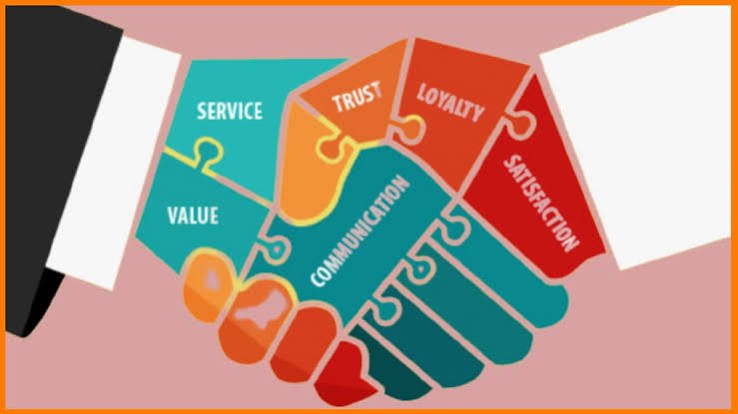
Trust can be one of the biggest competitive advantages for a small business operating in the Gulf. Customers in the UAE, Saudi Arabia, Qatar, Kuwait, Bahrain and Oman have access to international brands, sophisticated digital services and increasingly fast shopping experiences. A small company therefore cannot rely only on having a good product. It needs to prove that it is reliable, professional, secure and genuinely interested in the customer.
- How Small Businesses Can Build Trust With Gulf Customers From Day One
- Understand That GCC Customers Are Not One Single Audience
- Use Clear Pricing, Policies and Communication
- Build a Strong Reputation Through Reviews and Social Proof
- Make Digital Payments and Online Shopping Feel Secure
- Deliver Reliable Customer Service Before and After the Sale
- Localise Your Brand Without Using Cultural Stereotypes
- Build Trust Through Consistency, Not Constant Discounts
- Turn First-Time Customers Into Long-Term Relationships
- Use a Gulf Customer Trust Checklist
Understanding how small businesses can build trust with Gulf customers starts with recognising that the GCC is not one single consumer market. Customers in Dubai may behave differently from customers in Riyadh, Doha, Kuwait City, Manama or Muscat. Income levels, cultural expectations, preferred platforms, shopping habits and attitudes toward service can vary considerably.
However, several expectations appear repeatedly across the region. Customers increasingly value convenience, secure digital experiences, transparent communication and dependable service. PwC’s 2025 Middle East consumer research, covering more than 2,600 respondents in Saudi Arabia, the UAE, Qatar and Egypt, highlighted convenience and trust as important parts of modern consumer decision-making.
Digital security is becoming particularly important. Visa’s 2026 UAE research found that 85% of surveyed consumers had used AI to help with shopping, yet only 32% trusted an AI agent to complete a checkout. The study also found that 60% said suspicious-transaction alerts would make them feel more secure.
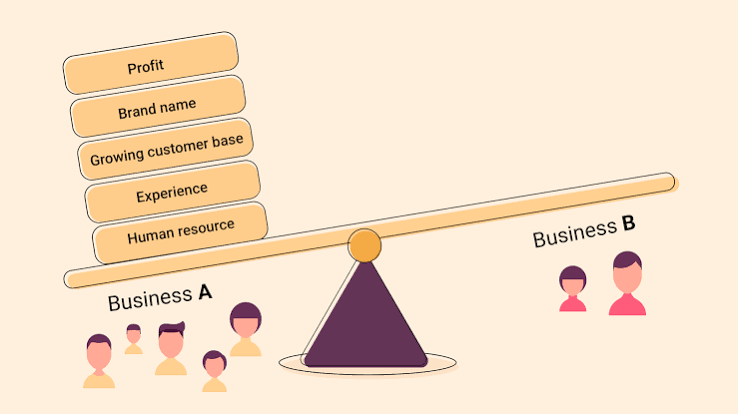
For a small business, this creates both a challenge and an opportunity. Large companies may have stronger brand recognition, but smaller businesses can often compete through personal service, transparency, responsiveness and stronger customer relationships.
This guide explains how small companies can establish credibility, adapt their communication, improve customer service, use reviews effectively and create the secure digital experience Gulf customers increasingly expect.
How Small Businesses Can Build Trust With Gulf Customers From Day One
Customers begin forming an opinion about a company before making a purchase.
They may discover the business through:
- TikTok
- A marketplace
- A recommendation
- An advertisement
The first question is often not simply, “Is this product good?”
It is:
“Can I trust this company?”
Make the business look established
A small company does not need to pretend to be large.
It does need to appear organised.
Basic credibility signals include:
- Professional business name
- Clear branding
- Working website
- Business email address
- Real contact information
- Clear location or service area
- Easy-to-understand products or services
- Transparent policies
A customer who sees an incomplete Instagram account, no website, no contact information and no clear return policy may hesitate even if the price is attractive.
Explain who you are
Small businesses can often create stronger human connections than large corporations.
Use an About page or social content to explain:
- Who founded the company
- Why it exists
- What problem it solves
- Where it operates
- Who it serves
Do not invent a dramatic founder story.
Authenticity is more useful than exaggerated storytelling.
Make essential information easy to find
Customers should not need to send five messages to learn:
- Price
- Delivery area
- Operating hours
- Return conditions
- Payment options
- Contact details
Reducing uncertainty helps build confidence.
Understand That GCC Customers Are Not One Single Audience
One of the biggest mistakes businesses make when entering the Gulf is treating every GCC market in exactly the same way.
The six GCC countries share many cultural and economic connections, but consumers do not behave identically.
Businesses should localise rather than simply copy one marketing strategy across every market.
UAE
The UAE has a highly international population.
Businesses may need to communicate with:
- Emirati customers
- Arab expatriates
- South Asian communities
- European residents
- African residents
- Visitors
English is widely used commercially, but Arabic communication can still strengthen local relevance.
Customers are also highly accustomed to digital payments and fast digital services. Visa’s 2026 GCC payment research found that only 16% of surveyed UAE consumers were still using cash for everyday purchases, illustrating how strongly payment behaviour has moved toward digital channels.
Saudi Arabia
Saudi Arabia is a large market with a rapidly developing digital economy.
Businesses should consider:
- Arabic communication
- Local cultural context
- Social commerce
- Digital payments
- Customer support expectations
Mastercard’s 2025 SME Confidence Index reported that 93% of surveyed Saudi SMEs were confident about the year ahead and highlighted strong adoption of digital payments and data-driven business tools.
Qatar
Customers in Qatar are also highly engaged with digital commerce.
Visa’s 2025 checkout research found security concerns were the biggest online-checkout frustration for 39% of respondents, while 68% were worried about fraud or hacking.
Kuwait
Kuwait has a mature consumer market and high digital engagement.
Visa’s regional checkout research similarly found demand for smoother and more secure online purchasing experiences among Kuwaiti consumers.
Oman and Bahrain
Consumers in these markets are increasingly comfortable with digital transactions, but trust, service quality and local relationships remain important.
The lesson is simple:
Do not assume that a campaign successful in Dubai will automatically produce the same response in Riyadh or Muscat.
Test each market.
Use Clear Pricing, Policies and Communication
Trust disappears quickly when customers feel that a business is hiding something.
Transparent communication is therefore one of the simplest ways for a small company to stand out.
Show prices clearly
Where practical, display:
- Product price
- VAT where applicable
- Delivery charges
- Installation cost
- Subscription fees
- Additional service charges
Avoid attracting customers with one price and revealing several compulsory costs during checkout.
Explain return and refund rules
Customers should know:
- Whether returns are accepted
- How many days they have
- Required product condition
- Who pays return shipping
- How refunds are processed
- How long refunds usually take
These policies should be written in simple language.
Avoid unrealistic promises
Do not say:
“Guaranteed delivery today”
unless the business can consistently deliver today.
It is better to promise a realistic timeframe and meet it than promise an impressive one and repeatedly disappoint customers.
Inform customers when something goes wrong
If an order will be late, tell the customer before they ask.
For example:
“Your delivery was scheduled for Tuesday, but we have experienced a delay. It is now expected Wednesday between 2pm and 5pm.”
That communicates:
- Awareness
- Responsibility
- Specific information
- A solution
Customers are often more understanding when businesses communicate early.
Build a Strong Reputation Through Reviews and Social Proof
New customers often look for evidence that other people have already trusted the business.
Reviews can therefore be especially important for a small company with limited brand recognition.
Useful forms of social proof include:
- Google reviews
- Marketplace ratings
- Customer testimonials
- Video testimonials
- Before-and-after examples where appropriate
- Case studies
- User-generated content
- Client logos where permission exists
Ask satisfied customers for reviews
Many happy customers will not automatically leave feedback.
After a successful purchase, politely ask.
For example:
“Thank you for choosing us. If you were happy with your experience, we would appreciate a short Google review.”
Keep the process easy.
Do not buy fake reviews
A page filled with suspicious five-star comments can damage trust rather than strengthen it.
Potential warning signs include:
- Repetitive language
- Large numbers of reviews appearing suddenly
- Generic comments
- Reviews unrelated to the business
Real reviews are more valuable.
Respond to negative feedback
A negative review does not automatically destroy credibility.
How the business responds can matter just as much.
A useful response should:
- Acknowledge the concern.
- Avoid arguing publicly.
- Explain what can be done.
- Move detailed discussions to a private channel.
- Fix recurring problems internally.
For example:
“We are sorry your delivery arrived later than expected. Please send your order number by direct message so our team can investigate and assist.”
This is far better than accusing the customer of being wrong.
Show real work
Service businesses can build credibility by showing:
- Completed projects
- Client results
- Work process
- Behind-the-scenes content
- Team members
Customers trust businesses more easily when they can see evidence of real activity.
Make Digital Payments and Online Shopping Feel Secure
Payment is one of the moments when customer trust is most vulnerable.
A person may like a product but abandon the purchase if the checkout process feels suspicious.
Visa’s 2025 research of 2,016 online shoppers across the GCC found that security concerns and manually entering card information were major checkout frustrations. In the UAE, two-thirds of surveyed consumers said they trusted biometric authentication more than traditional methods such as passwords and OTPs.
That means digital convenience and security now work together.
Use recognised payment methods
Depending on the market, businesses can consider:
- Debit cards
- Credit cards
- Digital wallets
- Bank transfers
- Buy Now, Pay Later
- Cash on delivery where appropriate
Customers should recognise the payment environment.
Use a professional payment gateway
Avoid asking online customers to enter card information through unusual forms or send sensitive payment details through messages.
Use reputable payment technology and make the checkout page professional.
Display security signals carefully
These can include:
- HTTPS website connection
- Recognised payment provider
- Secure checkout messaging
- Clear merchant name
- Privacy information
Do not add fake security badges.
Protect customer data
PwC’s regional consumer research has previously identified responsible protection and use of personal data as an important part of consumer trust.
Small businesses should therefore collect only the information they actually need.
Customer databases should not be casually shared between employees or stored in insecure spreadsheets and personal devices.
Social commerce requires extra trust
Customers increasingly purchase through social platforms, but concerns about fraud remain high.
Visa’s 2026 UAE research reported that 69% of consumers surveyed had purchased directly through social commerce, while 38% of consumers who experienced scams said the incident happened on social media.
A business selling through Instagram, TikTok or another social platform should therefore provide clear verification signals such as:
- Website link
- Consistent business name
- Real phone number
- Clear payment methods
- Customer reviews
- Proper invoices
Deliver Reliable Customer Service Before and After the Sale
Trust is rarely built through advertising alone.
It develops when a business repeatedly does what it says it will do.
Customer service is therefore one of the strongest trust-building tools available to a small company.
Respond quickly
Customers in digitally advanced Gulf markets are used to convenience.
Long response times can create doubt.
A company does not need to answer every message within 30 seconds, but it should establish clear standards.
For example:
WhatsApp: within one business hour
Email: within one business day
Support ticket: acknowledgement immediately
Use WhatsApp professionally
WhatsApp is widely used for business communication across the region.
However, businesses should avoid:
- Sending excessive promotional messages
- Messaging customers late at night
- Sending irrelevant broadcasts
- Using unclear personal numbers with no business identification
A professional WhatsApp profile should include:
- Business name
- Logo
- Description
- Opening hours
- Website
Train employees
Customers judge the company through the employee speaking to them.
Staff should understand:
- Products
- Pricing
- Policies
- Refund process
- Complaint handling
A customer should not receive completely different answers from three employees.
After-sales service matters
A sale should not end immediately after payment.
Follow up when relevant.
For example:
- Confirm delivery
- Check installation
- Provide instructions
- Explain warranty
- Offer support
Businesses that disappear after collecting payment quickly lose confidence.
PwC’s 2025 GCC Banking Sentiment Index, although focused specifically on financial services, illustrates the wider regional importance of dependable service and digital reliability. Its analysis of around 2.8 million public conversations across the six GCC markets found consumers actively discussing service quality, reliable digital experiences and fraud prevention.
Localise Your Brand Without Using Cultural Stereotypes
Customers often respond better when a business understands the market in which it operates.
However, localisation should go deeper than adding Arabic text to an advertisement.
Use appropriate language
Depending on your customers, consider offering:
- Arabic
- English
- Bilingual communication
Not every piece of content needs to appear in two languages, but important customer information should be accessible to the target audience.
Check Arabic carefully
Poor machine translation can reduce credibility.
If Arabic is important to the campaign, use someone who understands natural local communication.
Respect important occasions
Businesses often plan campaigns around:
- Ramadan
- Eid Al Fitr
- Eid Al Adha
- National celebrations
- Local cultural events
These campaigns should feel appropriate rather than simply using a festive visual to sell something.
Understand differences between markets
Saudi Arabic expressions may differ from those commonly used in the UAE or Kuwait.
Consumer expectations can also vary.
Localisation may include:
- Language
- Pricing
- Product selection
- Payment options
- Delivery
- Customer service hours
- Marketing channels
Avoid stereotypes
Do not assume every Gulf customer:
- Wants luxury
- Makes decisions based on price alone
- Has the same cultural preferences
- Uses the same social platform
Use real customer research instead.
Build Trust Through Consistency, Not Constant Discounts
Discounts can help generate sales, but they do not automatically create trust.
A business that constantly advertises “70% OFF TODAY ONLY” may eventually train customers not to believe its prices.
Trust grows through consistency.
Keep pricing believable
If an item is almost always discounted from AED 500 to AED 199, customers may begin questioning whether AED 500 was ever its genuine value.
Use promotions strategically.
Keep branding consistent
Customers should see the same:
- Name
- Logo
- Contact details
- Tone
- Product information
across:
- Website
- Marketplace profiles
Inconsistent details can make a legitimate small company look suspicious.
Deliver consistent quality
A customer who receives excellent service once and poor service the next time may not return.
Create standards for:
- Packaging
- Delivery
- Response time
- Product quality
- Refunds
Keep your promises
If you promise:
“Free delivery above AED 200”
do not introduce unexpected delivery charges during checkout.
If you advertise:
“Two-year warranty”
make the warranty process easy to use.
Reliability is often more powerful than aggressive promotion.
Turn First-Time Customers Into Long-Term Relationships
Customer trust becomes especially valuable when it creates repeat business.
Acquiring a new customer can require advertising, promotions and sales effort.
A returning customer already understands the business.
Keep customer records responsibly
Where legally appropriate, businesses can maintain information such as:
- Purchase history
- Product preferences
- Support requests
This can help create more relevant customer communication.
But do not abuse personal information.
Trust can disappear quickly if customers feel monitored or spammed.
Create useful loyalty
Loyalty programmes can offer:
- Points
- Member pricing
- Early access
- Free delivery
- Birthday rewards
- Referral benefits
The programme should be simple enough for customers to understand.
Ask for feedback
Instead of guessing why customers leave, ask them.
Useful questions include:
- Was ordering easy?
- Was delivery on time?
- Was the product as expected?
- Was customer service helpful?
- What could we improve?
Patterns in feedback can identify problems that management does not see.
Recognise loyal customers
Small businesses have an advantage here.
Employees can often remember repeat customers and provide more personal service than very large companies.
Simple gestures can create loyalty:
- Thank-you messages
- Remembering preferences
- Fast support for returning customers
- Small unexpected benefits
Personalisation should feel helpful, not intrusive.
Use a Gulf Customer Trust Checklist
Building trust is easier when it becomes part of the company’s operating system rather than simply a marketing campaign.
Use this checklist to review the customer experience.
Business credibility
- Clear business identity
- Professional website
- Real contact information
- Consistent branding
- Clear products or services
- Relevant business information
Communication
- Prices are transparent
- Delivery times are clear
- Refund policy is easy to find
- Customer messages receive timely responses
- Arabic communication is available where needed
Digital trust
- Website is secure
- Payment gateway is reputable
- Customers receive payment confirmation
- Data is handled responsibly
- Social profiles look legitimate
Reputation
- Genuine reviews are visible
- Negative reviews receive professional responses
- Real work or customer results are shown
- Fake testimonials are avoided
Customer service
- Employees know company policies
- Complaints have a clear process
- Customers receive delivery updates
- After-sales support is available
Localisation
- Marketing fits the individual GCC market
- Language is appropriate
- Cultural occasions are treated respectfully
- Customers are not treated as one generic Gulf audience
What builds and damages trust
| Builds Trust | Damages Trust |
|---|---|
| Transparent pricing | Surprise charges |
| Real customer reviews | Fake reviews |
| Secure payment | Suspicious payment requests |
| Fast communication | Ignoring messages |
| Reliable delivery | Repeated delays |
| Clear return policy | Changing rules after purchase |
| Localised communication | Copy-paste marketing |
| Good after-sales service | Disappearing after payment |
| Consistent quality | Unpredictable experience |
Learning how small businesses can build trust with Gulf customers requires understanding that trust is created throughout the entire customer journey. It begins when someone first discovers the brand and continues through product research, payment, delivery, customer support and repeat purchases.
Digital security is becoming particularly important as commerce across the GCC becomes more digital. Consumers increasingly use online stores, mobile payments, social commerce and AI-assisted shopping, but concerns about scams and fraud remain significant. Visa’s recent research across Gulf markets repeatedly shows that customers value secure, simple digital-payment experiences.
Small businesses should therefore make security visible without making the customer journey complicated.
Trust also depends on transparency. Customers should understand prices, delivery times, return conditions and contact information before paying. When mistakes happen, businesses should communicate quickly rather than hoping the customer will not notice.
Most importantly, companies should recognise that there is no single “Gulf customer.” The UAE, Saudi Arabia, Qatar, Kuwait, Bahrain and Oman share regional connections, but each market contains different customer groups and expectations.
Small businesses that listen to local customers, communicate clearly and deliver consistently can compete with much larger organisations.
A recognised global brand may have a bigger advertising budget, but a small company can offer something equally valuable: personal service, responsiveness and a relationship customers feel comfortable trusting.
Do follow us on Instagram
Read More – Common Banking Fees UAE Residents Should Know About