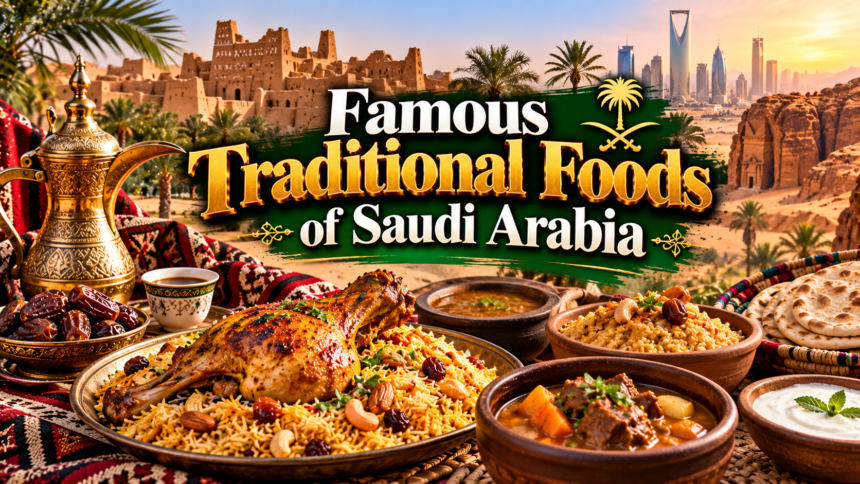
Famous Traditional Foods of Saudi Arabia: What Makes Saudi Arabian Cuisine So Special?
Saudi Arabia is known for its rich cultural heritage, welcoming hospitality, and delicious traditional cuisine. The famous traditional foods of Saudi Arabia reflect the country’s history, geography, and centuries-old culinary traditions. From fragrant rice dishes and slow-cooked meat to freshly baked bread, flavorful stews, and sweet desserts, Saudi Arabian food offers a remarkable variety of tastes and textures. Traditional meals often bring families and friends together, making food an important part of social life and cultural celebrations.
- Why Is Traditional Food Important in Saudi Arabian Culture?
- What Is Kabsa and Why Is It Saudi Arabia’s Most Famous Dish?
- What Is Mandi and How Is It Different from Kabsa?
- What Is Jareesh and Why Is It a Traditional Saudi Favorite?
- What Is Saleeg and Which Region Is It Famous For?
- What Is Mutabbaq and Why Is It a Popular Saudi Street Food?
- What Is Matazeez and Why Is It Part of Saudi Culinary Heritage?
- What Is Qursan and How Is It Prepared?
- What Is Haneeth and Why Is It Famous in Southern Saudi Arabia?
- What Are the Most Popular Traditional Saudi Breads?
- What Are the Famous Saudi Arabian Breakfast Foods?
- Why Are Dates So Important in Saudi Arabian Cuisine?
- What Is Saudi Arabian Arabic Coffee and How Is It Served?
- What Are the Most Famous Traditional Saudi Desserts?
- What Foods Are Traditionally Eaten During Ramadan in Saudi Arabia?
- How Does Saudi Arabian Food Differ from One Region to Another?
- What Ingredients Are Commonly Used in Traditional Saudi Food?
- Where Can Visitors Try Authentic Traditional Foods in Saudi Arabia?
- Are Traditional Foods of Saudi Arabia Healthy?
- What Makes Famous Traditional Foods of Saudi Arabia Unique?
Saudi cuisine has been influenced by the Arabian Peninsula’s desert environment, historic trade routes, and connections with neighboring regions. Rice, lamb, chicken, dates, wheat, milk, and aromatic spices are commonly used in many traditional recipes. Each region has its own specialties, cooking techniques, and ingredients, giving Saudi Arabian cuisine a distinctive identity.
Some of the most famous traditional Saudi foods include Kabsa, Mandi, Jareesh, Saleeg, Matazeez, Mutabbaq, and traditional date-based desserts. These dishes are enjoyed in homes, restaurants, family gatherings, and festive celebrations throughout the Kingdom. Whether someone is exploring Saudi Arabia for the first time or learning about Middle Eastern cuisine, discovering its traditional foods provides a wonderful introduction to the country’s culture.
Why Is Traditional Food Important in Saudi Arabian Culture?
Traditional food plays an essential role in Saudi Arabian culture because it represents hospitality, generosity, family unity, and cultural identity. Offering food to guests is an important expression of welcome and respect. Visitors are often served Arabic coffee and dates before or alongside other refreshments, reflecting a long-established hospitality tradition.
Family meals are also important occasions in Saudi households. Relatives gather to share large dishes, particularly during weekends, weddings, religious celebrations, and other special events. Rice and meat dishes are frequently served in large platters, allowing everyone to eat together and enjoy the meal as a shared experience.
Saudi Arabian cuisine also reflects the country’s historical lifestyle. In the past, many communities relied on locally available ingredients and practical cooking methods. Rice, grains, dates, dairy products, and meat formed important parts of the diet, while spices added depth and fragrance to dishes.
Today, traditional recipes continue to be prepared alongside modern interpretations. Restaurants serve regional specialties, and families pass recipes from one generation to the next. This connection between food, family, and heritage makes Saudi Arabian cuisine an important part of the country’s cultural identity.
What Is Kabsa and Why Is It Saudi Arabia’s Most Famous Dish?
Kabsa is widely regarded as one of the most recognizable traditional dishes of Saudi Arabia. This flavorful rice dish is usually prepared with chicken or lamb, long-grain rice, aromatic spices, and a mixture of ingredients that create a rich, satisfying taste. It is commonly served at family gatherings, celebrations, and special occasions.
The preparation of Kabsa begins with cooking meat alongside onions, tomatoes, and spices. Ingredients such as cardamom, cinnamon, cloves, black pepper, and dried lime may be used, depending on the recipe. Rice is then cooked in the seasoned broth, allowing it to absorb the flavors of the meat and spices.
Kabsa can vary considerably between households and regions. Some versions have a deeper, spicier flavor, while others are milder and emphasize the natural taste of the meat and rice. Raisins, nuts, or other garnishes may be added for extra texture and flavor.
The dish is often presented on a large serving platter, with the meat arranged over the rice. Fresh salad, tomato-based sauces, or yogurt may accompany it. Kabsa is popular because it combines familiar ingredients with distinctive Arabian seasoning, making it a favorite among locals and international visitors.
For travelers interested in traditional Saudi food, Kabsa is an excellent dish to try first. It offers a taste of the Kingdom’s culinary heritage while demonstrating the importance of rice, meat, spices, and shared meals in Saudi dining culture.
What Is Mandi and How Is It Different from Kabsa?
Mandi is another famous rice and meat dish enjoyed in Saudi Arabia and other parts of the Arabian Peninsula. Although it shares similarities with Kabsa, Mandi is particularly associated with tender meat and fragrant rice prepared using distinctive cooking techniques.
Traditional Mandi is often made with lamb or chicken. The meat is seasoned and cooked slowly, while the rice absorbs the flavorful cooking juices. In traditional preparations, meat may be cooked in a special underground oven or pit, although modern restaurants also use ovens and other equipment to recreate the characteristic flavor.
The cooking method helps produce tender meat and aromatic rice. Some versions have a subtle smoky character, depending on the equipment and technique used. Spices such as cardamom, cloves, cinnamon, and black pepper may contribute to its distinctive aroma.
What is the main difference between Kabsa and Mandi? The distinction generally lies in their preparation methods, seasoning profiles, and regional traditions. Kabsa often incorporates a seasoned tomato-based cooking mixture, while Mandi is particularly associated with slow-cooked meat and fragrant rice. However, recipes vary, and there is no single preparation method used by every cook.
Mandi is frequently served at celebrations, family gatherings, and restaurants specializing in Arabian cuisine. Its generous portions and rich flavors make it a popular choice for sharing.
What Is Jareesh and Why Is It a Traditional Saudi Favorite?
Jareesh is a traditional Saudi dish made primarily from crushed or coarsely ground wheat cooked until it becomes soft and creamy. It is especially associated with central Saudi Arabia and forms an important part of the Kingdom’s culinary heritage.
The dish is typically prepared by simmering wheat with water or broth until the grains soften. Milk or yogurt may be included in some recipes, while onions, butter, ghee, or spices provide additional flavor. Some versions contain chicken or meat, depending on local preferences and family traditions.
Jareesh has a comforting texture that distinguishes it from rice-based dishes. It is often compared to a thick porridge because the wheat gradually breaks down during cooking. The result is a warm, filling meal suitable for family lunches and traditional gatherings.
This dish also illustrates how historic Saudi cooking relied on grains and other locally available ingredients. Before modern food systems became widespread, wheat-based dishes were important sources of nourishment for many communities.
Today, Jareesh remains a popular example of traditional Najdi cuisine. It is valued not only for its taste but also for its connection to regional identity and home cooking.
What Is Saleeg and Which Region Is It Famous For?
Saleeg is a traditional rice dish strongly associated with the Hejaz region, particularly the city of Taif. It is known for its soft, creamy consistency and relatively mild flavor compared with heavily spiced rice dishes.
Saleeg is generally prepared by cooking rice in a mixture of broth and milk until it becomes smooth and tender. Chicken is a common accompaniment and may be boiled or roasted separately before being served with the rice. Butter or ghee can be added to enrich the dish.
Unlike Kabsa and Mandi, which are known for fragrant, individually seasoned rice grains, Saleeg has a creamy texture. Its preparation emphasizes the combination of rice, dairy, and broth rather than a strong blend of spices.
Saleeg is often served at family meals and special occasions. Its comforting flavor makes it suitable for people who prefer a milder traditional Saudi dish.
For anyone exploring the regional diversity of Saudi cuisine, Saleeg demonstrates that traditional food is not limited to meat-and-rice platters. Creamy rice preparations also have an established place in the Kingdom’s culinary traditions.
What Is Mutabbaq and Why Is It a Popular Saudi Street Food?
Mutabbaq is a stuffed, folded flatbread that is popular in Saudi Arabia and several other countries across the Middle East and Asia. The word is associated with the idea of folding or layering, which describes how the thin dough is wrapped around its filling.
A common savory version contains minced meat, onions, eggs, and seasonings. The filling is placed inside thin dough, which is folded into a square or rectangular parcel and cooked on a hot griddle or pan until crisp and golden.
Some versions use vegetables or different combinations of ingredients. Sweet variations may also be found in certain places, although savory fillings are particularly familiar in Saudi street-food settings.
Mutabbaq is often sold at small restaurants, street-food stalls, and casual eateries. It is popular as a snack, light meal, or quick option for people looking for something flavorful and convenient.
Its crispy exterior and savory filling create a contrast in texture that makes it appealing to a wide range of diners. Mutabbaq also reflects the influence of regional food exchanges and the way recipes travel across borders, adapt to local tastes, and become part of everyday cuisine.
What Is Matazeez and Why Is It Part of Saudi Culinary Heritage?
Matazeez is a traditional dish associated with central Saudi Arabia, especially Najdi cuisine. It combines pieces of dough with meat and vegetables in a rich, seasoned broth, creating a hearty meal that is particularly suited to family dining.
The dough is usually made from flour and water, rolled into thin pieces, and added to a pot containing meat, vegetables, and broth. Ingredients such as onions, tomatoes, pumpkin, zucchini, or other vegetables may be included, depending on the recipe.
As the dough cooks in the broth, it absorbs the flavors of the ingredients and develops a soft texture. The result is a thick, satisfying dish that combines grains, vegetables, and meat in one preparation.
Matazeez reflects the resourceful nature of traditional Arabian cooking, in which simple ingredients are transformed into filling meals. It is often associated with home cooking and regional traditions rather than the elaborate presentation of celebratory rice dishes.
For visitors interested in authentic Saudi cuisine, Matazeez offers an opportunity to explore the country’s lesser-known regional specialties and discover flavors beyond the most internationally recognized dishes.
What Is Qursan and How Is It Prepared?
Qursan is another traditional dish associated with Najdi cuisine. It is generally prepared using thin pieces of bread or dough combined with a cooked mixture of vegetables, meat, and broth.
The bread absorbs the liquid from the stew, creating a soft, flavorful texture. Common ingredients may include onions, tomatoes, pumpkin, zucchini, and meat, although recipes vary from one household to another.
Qursan is an example of how bread plays an important role in traditional Saudi meals. Rather than serving bread only as a side dish, this preparation incorporates it directly into the main meal.
The dish is particularly valued for its hearty consistency and practical use of ingredients. Its preparation also demonstrates the importance of slow cooking and the combination of grains, vegetables, and meat in traditional Arabian food.
Like Matazeez and Jareesh, Qursan provides a glimpse into regional Saudi culinary traditions that may be less familiar to international travelers but remain meaningful within local food culture.
What Is Haneeth and Why Is It Famous in Southern Saudi Arabia?
Haneeth is a traditional slow-cooked meat dish particularly associated with southern Saudi Arabia and parts of the wider Arabian Peninsula. It is commonly prepared with lamb or other meat, which is seasoned and cooked slowly until tender.
Traditional cooking techniques can involve placing the meat in a covered pit or specialized oven, where it cooks gently over an extended period. Modern versions may use conventional ovens while attempting to preserve the tenderness and rich flavor of the traditional preparation.
Haneeth is often served with rice, making it similar in presentation to several other Arabian meat dishes. However, its distinctive cooking method and regional associations give it a separate identity.
The slow cooking process helps soften the meat and allows its natural flavor to develop. Depending on the preparation, spices may be relatively subtle, allowing the meat to remain the main focus.
Haneeth is popular at gatherings and celebrations, where large portions can be shared among family members and guests. It demonstrates how regional cooking methods contribute to the diversity of traditional Saudi food.
What Are the Most Popular Traditional Saudi Breads?
Bread is an important part of Saudi Arabian cuisine. Different types of bread are eaten at breakfast, served alongside stews, or used as the foundation for more substantial meals.
Some familiar traditional breads and bread-based foods include:
- Tamees: A soft, often slightly chewy flatbread associated with Saudi breakfast culture and commonly enjoyed with fava beans, cheese, honey, or other accompaniments.
- Khubz: A general Arabic term for bread, including various flatbread styles served with everyday meals.
- Mifa: A traditional bread associated with certain southwestern communities, prepared using regional techniques and equipment.
- Qursan: Thin bread or dough incorporated into a dish with vegetables, meat, and broth.
Bread is valued for its versatility. It can be eaten with dips, used to scoop up stews, or combined with other ingredients to create filling meals.
The varieties available differ by region, and modern bakeries offer both traditional breads and contemporary versions. For travelers, trying local bread alongside Saudi coffee, beans, cheese, or a cooked meal can provide a simple but memorable culinary experience.
What Are the Famous Saudi Arabian Breakfast Foods?
Saudi Arabian breakfasts combine traditional dishes with regional and contemporary influences. Depending on the household and location, breakfast may include bread, beans, cheese, eggs, dates, yogurt, or sweet foods.
One popular option is foul, a dish made from cooked fava beans and seasoned with ingredients such as lemon juice, garlic, oil, and spices. Although foul is enjoyed across many Middle Eastern countries, it is also a familiar breakfast choice in Saudi Arabia.
Tamees bread is commonly paired with foul or other savory accompaniments. Some people prefer eggs, cheese, olives, and flatbread, while others enjoy sweet options such as honey and dates.
Dates are particularly important because of their historical connection to the Arabian Peninsula. They provide natural sweetness and are frequently offered to guests alongside Arabic coffee.
Breakfast habits vary according to personal preferences, regional customs, and modern lifestyles. Traditional foods remain popular, while cafés and restaurants also serve international breakfast dishes.
Why Are Dates So Important in Saudi Arabian Cuisine?
Dates are among the most significant foods in Saudi Arabia because of their nutritional value, agricultural history, and cultural importance. Date palms have long been cultivated in the Arabian Peninsula, where the fruit has served as a convenient source of energy.
Saudi Arabia produces numerous varieties of dates, with differences in size, color, sweetness, and texture. Ajwa, Sukkari, Safawi, and Khalas are among the varieties known to date enthusiasts.
Dates are commonly eaten as a snack, served to guests, and included in traditional desserts. They are also frequently paired with Arabic coffee, whose roasted flavor complements their natural sweetness.
During Ramadan, dates are widely used to break the daily fast, reflecting an established religious and cultural practice. They are also served at weddings, family gatherings, and other occasions.
Beyond their culinary uses, dates symbolize generosity and hospitality. Offering dates to guests is a familiar expression of welcome, making them an important part of Saudi food culture.
What Is Saudi Arabian Arabic Coffee and How Is It Served?
Saudi Arabian Arabic coffee, commonly known as gahwa, is a traditional drink associated with hospitality and social gatherings. It is often prepared with lightly roasted coffee beans and flavored with cardamom. Some recipes include additional spices, depending on regional and household preferences.
Compared with many Western-style coffees, Saudi gahwa is often lighter in color and served in small cups. It is usually poured from a traditional coffee pot known as a dallah.
Dates are a common accompaniment because their sweetness balances the coffee’s distinctive flavor. Guests may be offered several small servings during a visit, and serving coffee is widely recognized as a sign of respect and welcome.
The preparation and serving of Arabic coffee are connected to social customs that extend beyond the drink itself. The process encourages conversation, strengthens relationships, and expresses generosity.
Saudi coffee culture is an important part of the country’s heritage and has received international recognition as part of the broader tradition of Arabic coffee.
What Are the Most Famous Traditional Saudi Desserts?
Saudi Arabian desserts feature ingredients such as dates, flour, honey, ghee, nuts, and aromatic spices. Some are prepared for everyday enjoyment, while others are particularly associated with festivals, weddings, and family celebrations.
Popular traditional sweets include:
- Ma’amoul: Small filled pastries commonly prepared with dates or nuts. They are enjoyed in Saudi Arabia and other parts of the Middle East, particularly during festive occasions.
- Kleija: A traditional pastry associated especially with the Qassim region, often filled with a sweet mixture of dates, spices, or other ingredients.
- Luqaimat: Small fried dough balls that are typically drizzled with date syrup or honey. They are especially popular during Ramadan.
- Date-based sweets: A broad range of treats made with dates, nuts, flour, and ghee, reflecting the importance of date palms in Arabian food culture.
- Basbousa: A semolina-based sweet cake soaked in syrup, enjoyed in Saudi Arabia as well as across the wider Middle East.
These desserts differ in preparation and regional significance, but many share a balance of sweetness, warm spices, and rich textures. Their popularity also reflects the importance of serving sweets to guests and celebrating special occasions with food.
What Foods Are Traditionally Eaten During Ramadan in Saudi Arabia?
Ramadan is an important time for family gatherings, hospitality, and shared meals in Saudi Arabia. Food traditions during the holy month include both familiar everyday dishes and special items prepared for iftar, the meal that breaks the daily fast.
Dates and water are commonly used to break the fast. Arabic coffee may be served later, while larger meals can include soups, rice dishes, meat, vegetables, and bread.
Popular Ramadan foods may include:
- Samboosa: A savory pastry filled with meat, cheese, or vegetables and typically fried or baked.
- Luqaimat: Sweet fried dough balls served with syrup or honey.
- Soups: Various lentil, vegetable, or meat-based soups served as part of the evening meal.
- Kabsa and other rice dishes: Hearty meals enjoyed by families and guests.
- Dates and Arabic coffee: Traditional items that remain central to Saudi hospitality.
The exact menu varies between households and regions. Many families also prepare dishes based on personal preferences and inherited recipes.
Ramadan food traditions demonstrate how cuisine can strengthen family connections and bring communities together through shared meals and acts of generosity.
How Does Saudi Arabian Food Differ from One Region to Another?
Saudi Arabia is a large country with varied landscapes, climates, and historical connections. These differences have helped shape regional food traditions.
Najd and central Saudi Arabia: This region is known for dishes such as Jareesh, Matazeez, and Qursan, which often combine grains, dough, meat, and vegetables.
Hejaz and the western region: Cities such as Jeddah, Makkah, and Madinah have long been connected to trade and pilgrimage. Their food traditions reflect a wide range of influences, alongside local specialties such as Saleeg and other regional rice and bread dishes.
Southern Saudi Arabia: Traditional food in the south includes slow-cooked meat dishes such as Haneeth, as well as distinctive breads and grain-based preparations. Local ingredients and cooking techniques vary across communities.
Eastern Saudi Arabia: The eastern region’s cuisine reflects its coastal environment, local agricultural traditions, and historical connections with neighboring Gulf communities. Seafood, rice, and date-based foods are important in various local food traditions.
Northern Saudi Arabia: Northern food traditions include hearty grain dishes, meat preparations, and recipes shaped by local agriculture, climate, and historic connections with neighboring areas.
These regional differences make Saudi Arabian cuisine especially interesting. A single national cuisine includes numerous local identities, each with its own favorite dishes, ingredients, and preparation methods.
What Ingredients Are Commonly Used in Traditional Saudi Food?
Traditional Saudi Arabian food uses a combination of grains, meat, vegetables, dairy products, fruits, and spices. The ingredients vary according to the dish and region, but several appear frequently across the country’s culinary traditions.
Common ingredients include:
- Rice: A central ingredient in dishes such as Kabsa and Mandi.
- Lamb and chicken: Popular proteins for celebratory meals and everyday cooking.
- Wheat and flour: Used in breads, pastries, Jareesh, and dough-based dishes.
- Dates: Eaten fresh or dried, served to guests, and incorporated into desserts.
- Milk and yogurt: Used in dishes such as Saleeg and certain grain preparations.
- Ghee and butter: Added to rice, bread, and other traditional foods.
- Spices: Cardamom, cinnamon, cloves, black pepper, cumin, and dried lime may be used to develop distinctive flavors.
- Vegetables: Onions, tomatoes, pumpkin, and zucchini appear in many traditional stews and rice dishes.
These ingredients demonstrate how Saudi cuisine combines practical staples with aromatic seasonings and regionally available produce. The results range from simple breakfasts to elaborate celebratory meals.
Where Can Visitors Try Authentic Traditional Foods in Saudi Arabia?
Visitors can explore traditional Saudi cuisine in local restaurants, neighborhood eateries, traditional markets, and family-style dining establishments. Major cities such as Riyadh, Jeddah, Makkah, Madinah, and Taif offer opportunities to sample different regional dishes.
Restaurants specializing in Arabian rice dishes often serve Kabsa, Mandi, and other meat-based meals. Smaller cafés and local eateries may offer breakfast favorites such as foul and Tamees. Traditional bakeries are good places to discover regional breads, while sweet shops sell pastries and desserts.
Travelers can improve their culinary experience by following a few simple suggestions:
- Try regional specialties instead of ordering the same dish everywhere.
- Ask local residents which foods are associated with the area.
- Sample Arabic coffee and dates to experience traditional hospitality.
- Explore local markets for dates, spices, and regional sweets.
- Check ingredients and preparation methods if you have dietary restrictions.
- Respect local dining customs and ask before photographing people or private gatherings.
Food experiences can be especially rewarding when they include conversations with local residents and opportunities to learn about the stories behind traditional recipes.
Are Traditional Foods of Saudi Arabia Healthy?
Traditional Saudi foods can provide important nutrients, but their nutritional value depends on the ingredients, cooking methods, and portion sizes.
Rice dishes served with chicken or lamb can provide carbohydrates and protein. Grain-based dishes such as Jareesh contribute carbohydrates and may provide fiber, depending on the grain and preparation. Vegetables add vitamins, minerals, and fiber, while dates provide natural sugars, fiber, and several micronutrients.
However, some traditional dishes contain substantial amounts of ghee, butter, oil, salt, or fatty meat. Sweet pastries and syrup-based desserts can also be high in sugar and calories.
For a balanced meal, diners can consider the following approaches:
- Include vegetables or fresh salad alongside rice and meat dishes.
- Choose suitable portions according to individual energy needs.
- Enjoy fried foods and rich desserts in moderation.
- Drink water regularly.
- Choose cooking methods and ingredients that suit personal dietary requirements.
Traditional cuisine includes many different dishes, so it is more accurate to assess each meal individually rather than label all Saudi food as either healthy or unhealthy.
What Makes Famous Traditional Foods of Saudi Arabia Unique?
The uniqueness of Saudi Arabian cuisine comes from its combination of regional diversity, historic cooking methods, distinctive spices, and strong cultural traditions. Dishes such as Kabsa and Mandi demonstrate the importance of rice and meat, while Jareesh and Matazeez showcase the role of grains and dough in traditional meals.
Dates and Arabic coffee represent the country’s longstanding hospitality customs, while desserts such as Kleija and Luqaimat highlight the creativity of traditional sweet-making. Regional specialties further demonstrate that Saudi cuisine is not limited to a small collection of famous dishes.
Another defining feature is the importance of sharing food. Large platters, family gatherings, festive meals, and the welcoming of guests all help connect traditional recipes with everyday social life.
Although modern restaurants and international influences continue to shape Saudi dining, traditional foods remain an important link between generations. Many recipes continue to be prepared at home, preserving flavors and customs that have developed over centuries.
Conclusion: Why Should You Explore Traditional Foods of Saudi Arabia?
Famous traditional foods of Saudi Arabia offer much more than delicious meals. They provide a way to understand the Kingdom’s history, regional identities, hospitality customs, and family traditions. From the fragrant rice of Kabsa and Mandi to the comforting texture of Jareesh, the creamy richness of Saleeg, and the sweetness of date-based desserts, each dish tells a different story about Saudi culture.
Travelers and food enthusiasts can discover a wide variety of flavors by exploring regional specialties, visiting local restaurants, and learning how traditional ingredients are used. Arabic coffee and dates offer a simple introduction to Saudi hospitality, while dishes such as Haneeth, Matazeez, and Qursan reveal the diversity of the country’s home-cooking traditions.
Whether you are planning a visit to Saudi Arabia or researching Middle Eastern cuisine, exploring traditional Saudi food is a rewarding way to experience the country’s cultural heritage. These dishes continue to bring people together, preserve regional traditions, and introduce new generations to the distinctive flavors of the Arabian Peninsula.
Do follow us on Instagram
Read More – Traditional Saudi Dishes