



Reveals Why Every Untold Story Deserves Attention
Lebanese journalist, television presenter, producer and screenwriter Farah Slayi has spent much of her career looking beyond the surface of a story. For her, journalism is not simply about asking questions or filling television time. It is about understanding why people make certain choices, what they have lived through, and what can happen when someone is finally given the space to speak without fear of immediate judgment.
That belief has shaped a career across some of Lebanon’s well known television environments, including LBCI and Al Jadeed. Over the years, Farah has worked both in front of the camera and behind it, preparing, writing and presenting thousands of television episodes. Her work has moved across social issues, personal experiences and human interest stories, giving her a close view of emotional realities that often remain hidden behind public appearances.
Farah Slayi From Researcher to a Storyteller Behind the Screen
Farah began her professional journey at LBCI as a program researcher and writer for Ahmar Bil Khat Al Areed. The position placed her close to the foundation of television storytelling. Before a presenter asks the final question on screen, there is usually a long process of research, listening, preparation and understanding. Farah learned that side of television from the beginning of her career.
Working behind the scenes also taught her something that would later become central to her identity as a media professional. A strong story does not begin with drama. It begins with a person.
As her experience grew, so did her responsibilities. Farah moved through writing, production, presenting and screenwriting, developing an understanding of how a story moves from an initial idea to the final television episode. She became especially interested in sensitive social experiences where trust between the guest and journalist could matter just as much as the questions being asked.
Some of the moments that stayed with her most were episodes involving people who had been separated from their families. Helping create opportunities for loved ones to reconnect gave those television episodes a meaning that went far beyond entertainment. They became real life moments in which journalism had a direct human impact.
The Human Side of Journalism Became Her Strongest Direction
Those experiences strengthened Farah’s interest in human centered journalism. Instead of reducing someone to a headline, controversy or single decision, she became increasingly interested in the circumstances behind that person’s choices, struggles and experiences.
Her approach is built around a simple belief. People are often judged before their complete story is known.
Farah believes everyone deserves to understand their own worth and to have their experiences heard with genuine attention. That belief also explains why she is willing to approach difficult conversations. Social pressure can make certain subjects uncomfortable to discuss, but silence can leave people feeling isolated, misunderstood or afraid to tell the truth about their lives.
Her work aims to create conversations that can be honest without becoming careless, and bold without losing empathy. The objective is not to create controversy simply to attract attention. It is to make room for stories that people may otherwise be afraid to discuss.
One belief especially reflects the direction of her work.
“No matter how far artificial intelligence advances, humanity will always remain uniquely human.”
For Farah, that idea has become increasingly important as media grows faster, more automated and more influenced by technology. Artificial intelligence may transform production, editing and communication, but the ability to listen carefully, recognize emotion and build genuine trust remains deeply connected to the human experience.
With Farah Gave Her a Platform of Her Own
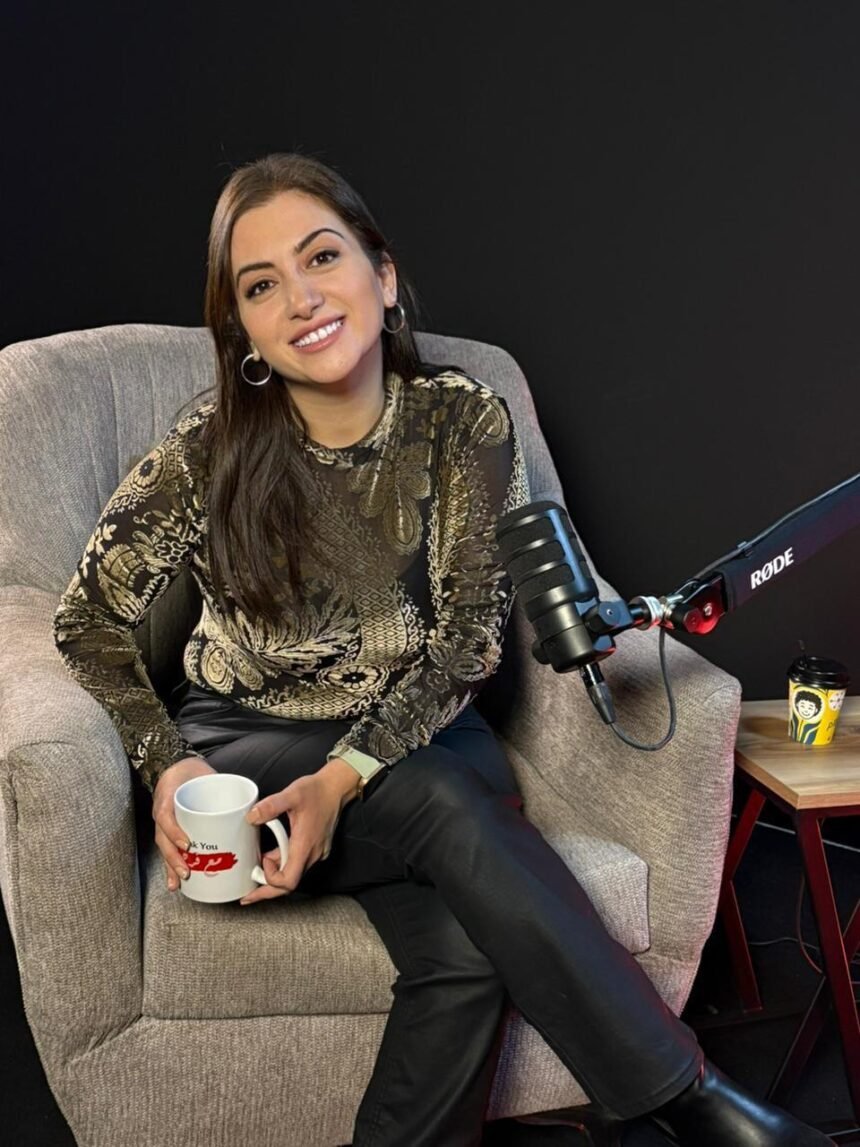
An important new chapter in Farah’s journey came with With Farah, the social program she created and developed as her own platform. The project allowed her to take the experience gained through traditional television and use it in a more personal, direct and flexible format.
With Farah explores people’s stories and social issues from a perspective designed to feel close to everyday life. The program gives Farah the freedom to examine subjects in greater depth, raise questions that may be uncomfortable and allow people to explain their experiences in their own words.
For someone who spent years helping create meaningful television from behind the scenes, developing her own program also brought greater visibility to her work. Farah considers With Farah one of her biggest achievements because it represents much more than another presenting opportunity.
The program carries her own editorial identity.
It reflects what she wants to discuss, how she wants people to be treated and what kind of connection she wants to create with viewers. It also gives her the opportunity to bring together her experience as a researcher, writer, producer, presenter and storyteller under one recognizable platform.
Breaking Taboos Without Losing Respect
Farah’s ambition is not simply to discuss subjects because they may be controversial. She wants to challenge the silence surrounding personal experiences, relationships, family situations, social pressure and difficult life choices.
That requires balance.
Sensitive stories can easily become entertainment when media platforms compete for views and attention. Farah’s approach is to keep the human being at the center of the conversation instead of allowing a difficult experience to become a spectacle.
She believes every person deserves a second chance and that understanding should come before judgment. This does not mean every action must automatically be accepted or defended. Instead, it means people should be given an opportunity to explain the circumstances, emotions and experiences that shaped their situation before others decide who they are.
This philosophy makes her work particularly relevant in the digital media age. Audiences now have access to more content than ever before, but meaningful attention can be difficult to earn. Human stories can still break through that noise when viewers recognize honesty, vulnerability and emotional truth.
Farah wants her interviews to create that kind of connection.
Traditional Television Meets a Changing Digital World
Farah’s journey also reflects a wider transformation happening across the media industry. Television is no longer the only place where journalists and presenters can build meaningful conversations with audiences. Social media, podcasts, online video and digital platforms have created new ways for people to discover stories and communicate directly with creators.
Rather than seeing this transformation as a reason to abandon traditional journalism, Farah has used it as an opportunity to expand her work.
The experience she developed through television remains part of her foundation. Research, preparation, storytelling and understanding the person behind the subject continue to guide her work even when the format changes.
Her move into digital content also gives her greater freedom to connect directly with viewers and explore stories that may require more personal conversations.
The platform may change, but her central interest remains the same.
She wants to understand people.
A New Chapter Built Around People and Purpose
Looking ahead, Farah appears focused on growing With Farah while continuing to create a space where people can speak about their lives with dignity. Her vision is rooted in giving greater visibility to people’s struggles, achievements, lifestyles and current experiences while allowing those stories to inspire others.
Her message to anyone carrying a story in silence is equally personal.
She encourages people not to hesitate to reach out, regardless of what they have experienced. Her aim is to listen without immediately judging and to approach each person with empathy and an open mind.
For Farah, everyone deserves the possibility of a second chance, along with the opportunity to live with peace, dignity and acceptance.
That message brings her career journey together. She began by researching and writing other people’s stories behind the scenes. She later moved through television production and presentation before eventually creating a platform where her own approach to storytelling could take center stage.
Through With Farah, she is building a space based not only on asking questions, but also on listening carefully to the answers.
Because behind every public face, private struggle or difficult decision is a human story that may be far more complicated than it first appears.
For Farah, those are exactly the stories worth hearing.
Follow Farah Slayi on Instagram
Read More – Dalia Beaini Builds a Powerful Digital Marketing Journey