


What Makes a City One of the Best Places to Live?
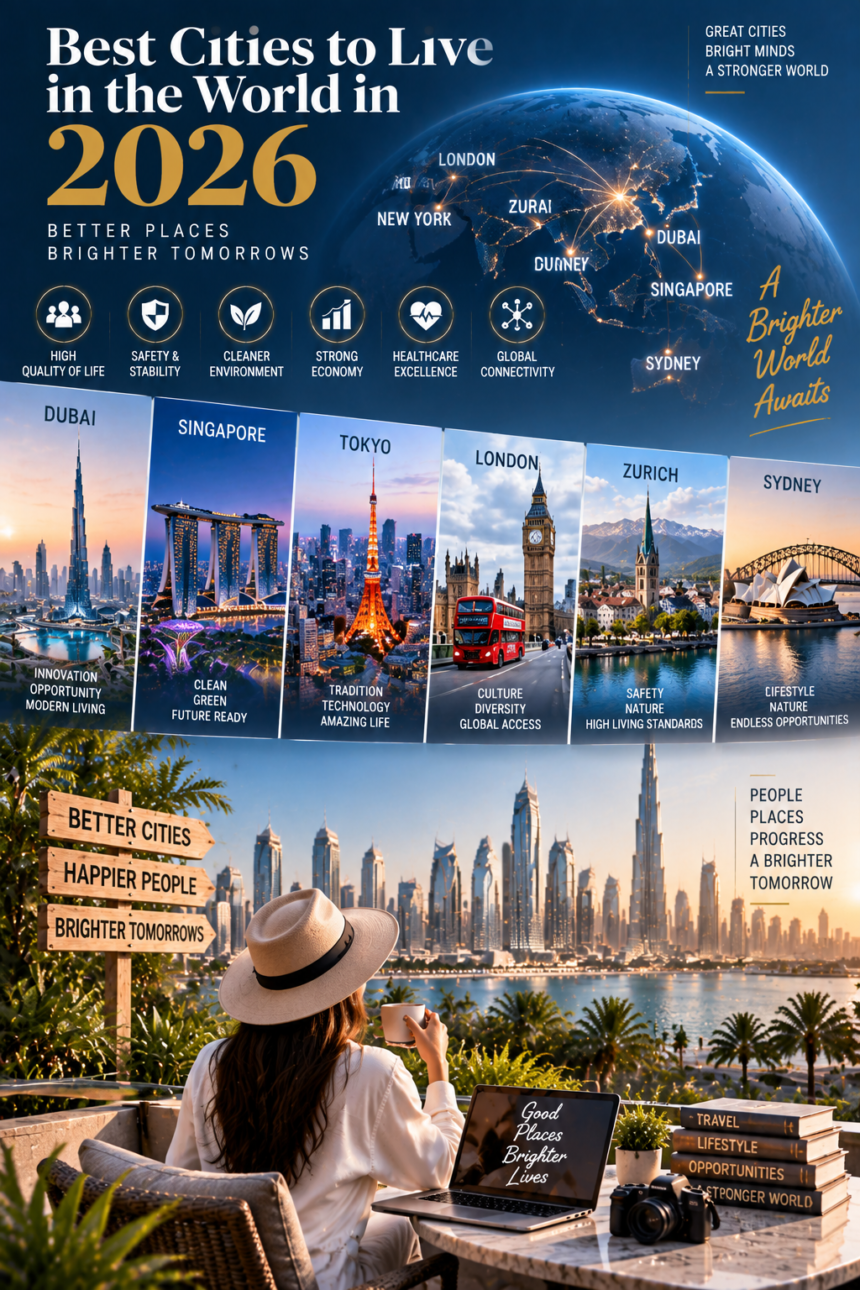
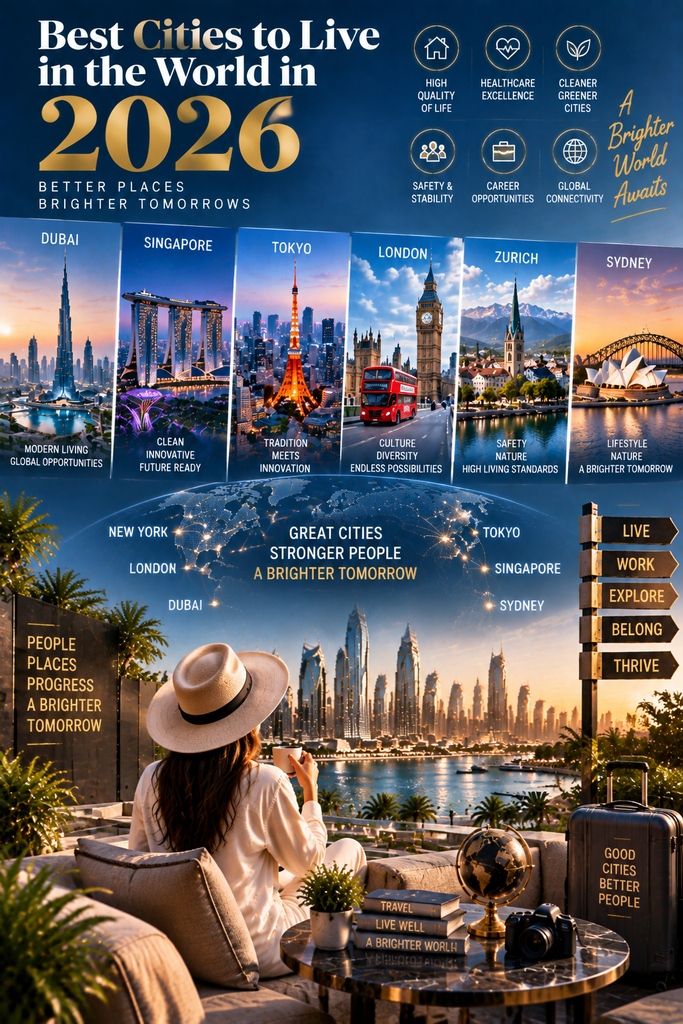
The search for the Best Cities to Live in the World in 2026 is becoming more complex as people look beyond traditional measures of success. A great city today is not only defined by economic strength or impressive architecture. Residents increasingly consider safety, healthcare, education, sustainability, technology, career opportunities and overall lifestyle quality when choosing where to build their future.
- What Makes a City One of the Best Places to Live?
- Top Global Cities Combining Lifestyle, Safety and Opportunity
- Dubai: A Leading Global City for Future Living
- Singapore: Innovation, Safety and Quality of Life
- Copenhagen: Sustainability and Balanced Living
- Zurich: Stability, Wealth and Urban Comfort
- Melbourne: Culture, Education and Lifestyle
- Tokyo: Technology and Modern City Living
- Vienna: Heritage, Comfort and Public Services
- Toronto: Diversity and Global Opportunities
- How Cities Are Using Technology to Improve Urban Life
- Future Trends Shaping the Best Cities to Live in 2026
- Sustainable Development
- Flexible Work and Digital Lifestyle
- Health and Wellbeing
- Global Connectivity
- Comparing the Best Cities to Live in the World in 2026
- The Future of Global Cities
- Quick Takeaways
In 2026, cities around the world are competing to create environments where people can work efficiently, enjoy a healthy lifestyle and access modern services. Urban development is moving towards smarter infrastructure, greener spaces and more connected communities.
From advanced Asian technology centres to European cities known for sustainability and Gulf destinations focused on innovation, the world’s leading cities are creating new models for urban living.
The best cities are those that successfully balance economic opportunities with quality of life.
Some important factors shaping city rankings include:
| Factor | Why It Matters |
|---|---|
| Safety | Creates a secure environment for residents |
| Healthcare | Ensures access to quality medical services |
| Education | Supports families and future generations |
| Infrastructure | Improves daily convenience and mobility |
| Employment | Provides career opportunities |
| Sustainability | Supports long-term environmental health |
| Technology | Creates smarter urban experiences |
| Culture | Enhances lifestyle and community connection |
As remote work, digital services and global mobility continue changing how people live, cities are adapting to attract international residents, businesses and talent.
The following cities represent some of the world’s most attractive destinations based on their combination of innovation, lifestyle, infrastructure and future readiness.
What Makes a City One of the Best Places to Live?
A city’s quality of life depends on many connected elements. While economic opportunities remain important, modern residents are increasingly looking for balance between professional growth and personal wellbeing.
A successful city creates an environment where people can access essential services while enjoying cultural, recreational and social opportunities.
Key characteristics of a top global city include:
| Category | Important Features |
|---|---|
| Living Standards | Comfortable housing, services and public facilities |
| Transportation | Efficient public transport and connectivity |
| Environment | Clean spaces, parks and sustainability projects |
| Economy | Strong job market and business opportunities |
| Lifestyle | Restaurants, entertainment and cultural activities |
| Digital Services | Smart government and connected infrastructure |
Another important factor is adaptability. Cities that invest in technology and sustainable development are better positioned to handle future challenges.
Modern urban residents also value:
- Flexible work opportunities
- International communities
- Family-friendly environments
- Green spaces
- Digital convenience
- Cultural diversity
The best cities in 2026 are not only places to live but also ecosystems designed around human needs.
Top Global Cities Combining Lifestyle, Safety and Opportunity
Around the world, several cities continue attracting residents because of their ability to combine professional opportunities with comfortable lifestyles.
A comparison of important qualities:
| City | Main Strength |
|---|---|
| Dubai | Business opportunities and modern infrastructure |
| Singapore | Technology and efficiency |
| Copenhagen | Sustainability and quality of life |
| Zurich | Stability and financial strength |
| Melbourne | Culture and education |
| Tokyo | Technology and urban convenience |
| Vienna | Public services and lifestyle balance |
| Toronto | Diversity and global opportunities |
Each city has developed a unique identity based on its strengths. Some focus on innovation, others on sustainability, culture or economic opportunities.
Dubai: A Leading Global City for Future Living
Dubai has become one of the world’s most recognised cities for international residents, entrepreneurs and professionals. Its combination of modern infrastructure, business opportunities and lifestyle attractions has made it a major global destination.
The city continues expanding its reputation as a place where people can build careers while enjoying a high standard of living.
Dubai’s key strengths include:
| Area | Advantage |
|---|---|
| Business | Global commercial centre |
| Infrastructure | Advanced transport and urban development |
| Tourism | International attractions and experiences |
| Technology | Smart city innovation |
| Lifestyle | Entertainment, dining and leisure options |
One of Dubai’s biggest advantages is its international environment. Residents from different countries live and work together, creating a multicultural community.
The city has also invested heavily in smart services. Digital government platforms, advanced transportation systems and technology-based solutions have improved daily life.
Dubai’s lifestyle appeal comes from a combination of:
- Modern residential communities
- Global schools and universities
- Healthcare facilities
- Shopping and entertainment destinations
- International business networks
The city’s focus on innovation continues attracting professionals from industries such as technology, finance, real estate, tourism and entrepreneurship.
Dubai is also becoming increasingly focused on sustainability. New developments include energy-efficient buildings, green spaces and environmentally friendly urban solutions.
Singapore: Innovation, Safety and Quality of Life
Singapore remains one of the world’s leading examples of efficient urban development. The city-state has built a reputation for safety, technology, education and economic stability.
Its success comes from combining advanced infrastructure with careful urban planning.
Singapore’s strengths include:
| Area | Development |
|---|---|
| Technology | Smart city systems and innovation |
| Transport | Efficient public mobility |
| Education | Strong academic institutions |
| Healthcare | Advanced medical services |
| Business | International economic hub |
The city’s efficient public transport system makes daily movement convenient, while its focus on cleanliness and organisation creates a comfortable living environment.
Singapore has also become a major centre for industries such as:
- Finance
- Technology
- Biotechnology
- Research
- International business
Its emphasis on innovation attracts professionals and companies from around the world.
The city’s green development approach is another important factor. Despite being highly urbanised, Singapore has invested in parks, environmental projects and sustainable design.
Copenhagen: Sustainability and Balanced Living
Copenhagen is widely recognised for its focus on sustainability, cycling infrastructure and quality of life. The Danish capital has developed an urban model that prioritises environmental responsibility and resident wellbeing.
The city’s lifestyle appeal comes from its balance between modern development and a strong connection with nature.
Key strengths include:
| Feature | Benefit |
|---|---|
| Cycling infrastructure | Encourages healthy transportation |
| Green spaces | Improves urban lifestyle |
| Clean environment | Supports wellbeing |
| Social systems | Provides public support |
| Design culture | Creates attractive urban spaces |
Copenhagen’s approach demonstrates how cities can combine sustainability with comfortable living.
The city has invested in renewable energy, environmentally friendly transport and climate-focused urban planning.
Residents benefit from:
- Safe neighbourhoods
- Strong public services
- Cultural activities
- Work-life balance
Copenhagen’s focus on sustainability makes it an important example for future cities.
Zurich: Stability, Wealth and Urban Comfort
Zurich combines economic strength with a high quality of life. Known as a major financial centre, the Swiss city offers strong professional opportunities alongside excellent public services.
Its advantages include:
| Area | Strength |
|---|---|
| Economy | Global financial centre |
| Environment | Clean and well-managed spaces |
| Transport | Reliable public systems |
| Safety | Secure living environment |
| Nature | Access to lakes and mountains |
The city provides a balance between urban convenience and natural surroundings.
Residents can enjoy a modern lifestyle while remaining close to outdoor experiences.
Zurich’s reputation for stability and efficiency continues attracting professionals, families and international businesses.
Melbourne: Culture, Education and Lifestyle
Melbourne continues to attract international residents because of its combination of education, cultural diversity and lifestyle opportunities. The Australian city has developed a reputation as a place where professional growth and personal wellbeing can exist together.
One of Melbourne’s biggest strengths is its cultural environment. The city is known for its arts scene, international communities, sporting events and creative industries.
Key lifestyle advantages include:
| Area | Strength |
|---|---|
| Education | World-class universities and research institutions |
| Culture | Festivals, museums and creative activities |
| Healthcare | Strong medical services |
| Lifestyle | Cafes, parks and recreational spaces |
| Diversity | Multicultural communities |
Melbourne is also an important business centre in Australia, supporting industries such as:
- Technology
- Finance
- Education
- Healthcare
- Creative industries
The city’s universities attract students from around the world, creating a young and globally connected population.
Its neighbourhoods offer a mix of urban convenience and relaxed living, with parks, public spaces and community-focused areas contributing to quality of life.
Melbourne’s ability to combine economic opportunities with cultural experiences makes it one of the attractive destinations for people seeking a balanced lifestyle.
Tokyo: Technology and Modern City Living
Tokyo represents one of the world’s most advanced examples of urban living. The Japanese capital combines cutting-edge technology, efficient infrastructure and a unique cultural identity.
Despite being one of the largest metropolitan areas globally, Tokyo has developed systems that make daily life organised and convenient.
Important strengths include:
| Area | Advantage |
|---|---|
| Transport | Highly efficient railway network |
| Technology | Advanced innovation ecosystem |
| Safety | Strong public security |
| Culture | Unique traditions and modern experiences |
| Economy | Global business opportunities |
Tokyo’s technology-driven approach influences many aspects of everyday life, from transportation and payments to smart services.
The city is also a major centre for industries such as:
- Electronics
- Robotics
- Automotive technology
- Finance
- Entertainment
Tokyo offers residents access to world-class restaurants, cultural attractions and professional opportunities.
Its combination of tradition and innovation creates a distinctive urban experience.
The city continues adapting to future challenges by investing in smart infrastructure, sustainability and improved urban services.
Vienna: Heritage, Comfort and Public Services
Vienna has consistently been recognised for its quality of life, combining historic charm with modern urban services.
The Austrian capital provides residents with a comfortable lifestyle supported by strong public infrastructure, cultural opportunities and accessible transportation.
Vienna’s strengths include:
| Category | Benefit |
|---|---|
| Public transport | Convenient city mobility |
| Culture | Museums, music and heritage |
| Environment | Parks and green areas |
| Services | Strong public facilities |
| Lifestyle | Comfortable urban living |
The city’s famous cultural identity is one of its biggest attractions. Residents can enjoy museums, concerts, historical landmarks and creative events throughout the year.
Vienna also focuses on creating a balanced living environment through:
- Green spaces
- Affordable public services
- Safe neighbourhoods
- Family-friendly facilities
Its approach shows how historic cities can modernise while preserving their unique character.
Toronto: Diversity and Global Opportunities
Toronto has become one of the world’s most multicultural cities, attracting professionals, students and entrepreneurs from different countries.
The Canadian city’s strength comes from its diversity, economic opportunities and welcoming environment.
Key advantages include:
| Area | Contribution |
|---|---|
| Business | Major financial and commercial centre |
| Diversity | International communities |
| Education | Leading universities |
| Technology | Growing innovation sector |
| Employment | Wide career opportunities |
Toronto is home to industries including:
- Finance
- Technology
- Healthcare
- Media
- Artificial intelligence
The city’s diverse population creates a global environment where people from different backgrounds contribute to business, culture and innovation.
Toronto’s technology sector has grown significantly, attracting startups and international companies.
The city also offers:
- Cultural events
- Restaurants from around the world
- Public parks
- Professional opportunities
Its combination of economic growth and multicultural lifestyle makes it a major global destination.
How Cities Are Using Technology to Improve Urban Life
Technology is becoming one of the most important factors shaping the best cities to live in the world in 2026.
Cities are increasingly using digital solutions to improve transportation, healthcare, public services and sustainability.
Smart city technologies include:
| Technology | Urban Benefit |
|---|---|
| Artificial Intelligence | Better city management |
| Smart transport | Faster and cleaner mobility |
| Digital government | Easier access to services |
| Data analytics | Improved planning |
| IoT systems | Connected urban infrastructure |
Modern cities are using technology to solve everyday challenges.
Examples include:
- Smart traffic management
- Digital payment systems
- Online government services
- Energy-efficient buildings
- Intelligent public transportation
Technology is not only making cities more efficient but also improving resident experiences.
The future city will likely be more connected, sustainable and personalised according to the needs of its population.
Future Trends Shaping the Best Cities to Live in 2026
The cities that succeed in the future will be those that adapt to changing expectations. People are increasingly looking for places that support career growth while also providing healthier and more sustainable lifestyles.
Several trends are shaping the future of urban living.
Sustainable Development
Environmental responsibility has become a major priority for cities worldwide.
Future-focused cities are investing in:
- Renewable energy
- Green buildings
- Public transportation
- Waste reduction
- Climate-friendly infrastructure
Sustainability is no longer only an environmental goal; it has become an important part of quality of life.
Flexible Work and Digital Lifestyle
Remote and hybrid work models have changed how people choose where to live.
Cities are now focusing on:
- Digital connectivity
- Flexible workspaces
- Business-friendly environments
- Technology infrastructure
Professionals increasingly choose cities that allow them to combine work flexibility with lifestyle advantages.
Health and Wellbeing
After global changes in lifestyle patterns, health has become a major consideration for urban planning.
Future cities are investing in:
- Parks
- Walking areas
- Fitness facilities
- Healthcare technology
- Community spaces
A successful city supports both physical and mental wellbeing.
Global Connectivity
International connectivity remains important for businesses and individuals.
Leading cities continue investing in:
- Airports
- Digital networks
- International business links
- Cultural exchange
Global connectivity helps cities attract talent, investment and innovation.
Comparing the Best Cities to Live in the World in 2026
| City | Main Strength | Ideal For |
|---|---|---|
| Dubai | Business and modern lifestyle | Entrepreneurs and professionals |
| Singapore | Technology and efficiency | Business and innovation-focused residents |
| Copenhagen | Sustainability | Environment-conscious lifestyles |
| Zurich | Stability and finance | Professionals seeking security |
| Melbourne | Culture and education | Students and families |
| Tokyo | Technology and convenience | Innovation-focused professionals |
| Vienna | Public services and comfort | Balanced urban living |
| Toronto | Diversity and opportunities | International professionals |
Each city offers different advantages depending on individual priorities.
Some people may prefer business opportunities, while others may prioritise sustainability, culture, education or lifestyle balance.
The Future of Global Cities
The future of the world’s leading cities will be shaped by their ability to balance growth with quality of life.
Economic success alone is no longer enough. The most successful cities will be those that create environments where people can work, connect, innovate and enjoy everyday life.
The Best Cities to Live in the World in 2026 reflect a broader transformation in urban development. Cities are becoming smarter, greener and more focused on human experiences.
From Dubai’s innovation-driven growth to Copenhagen’s sustainability model and Tokyo’s technology leadership, each city offers a different vision of future living.
As global mobility continues increasing, people will continue searching for cities that provide opportunity, safety and a high quality of life.
The cities that invest in people, technology and sustainability will remain among the world’s most desirable places to live.
Quick Takeaways
- The Best Cities to Live in the World in 2026 are defined by lifestyle, safety, innovation and opportunity.
- Dubai, Singapore, Copenhagen, Zurich, Melbourne, Tokyo, Vienna and Toronto offer different strengths.
- Technology and sustainability are becoming major factors in urban development.
- Future cities will focus more on wellbeing, connectivity and smart infrastructure.
- Quality of life is becoming as important as economic opportunity when choosing where to live.
Do follow us on Instagram
Read More – GCC Global Entertainment Hub: A New Era of Growth