


Journey From Top Chef to Bocuse d’Or Finalist
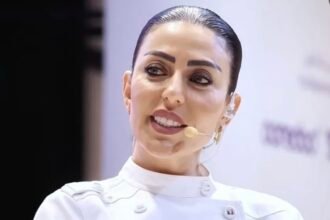
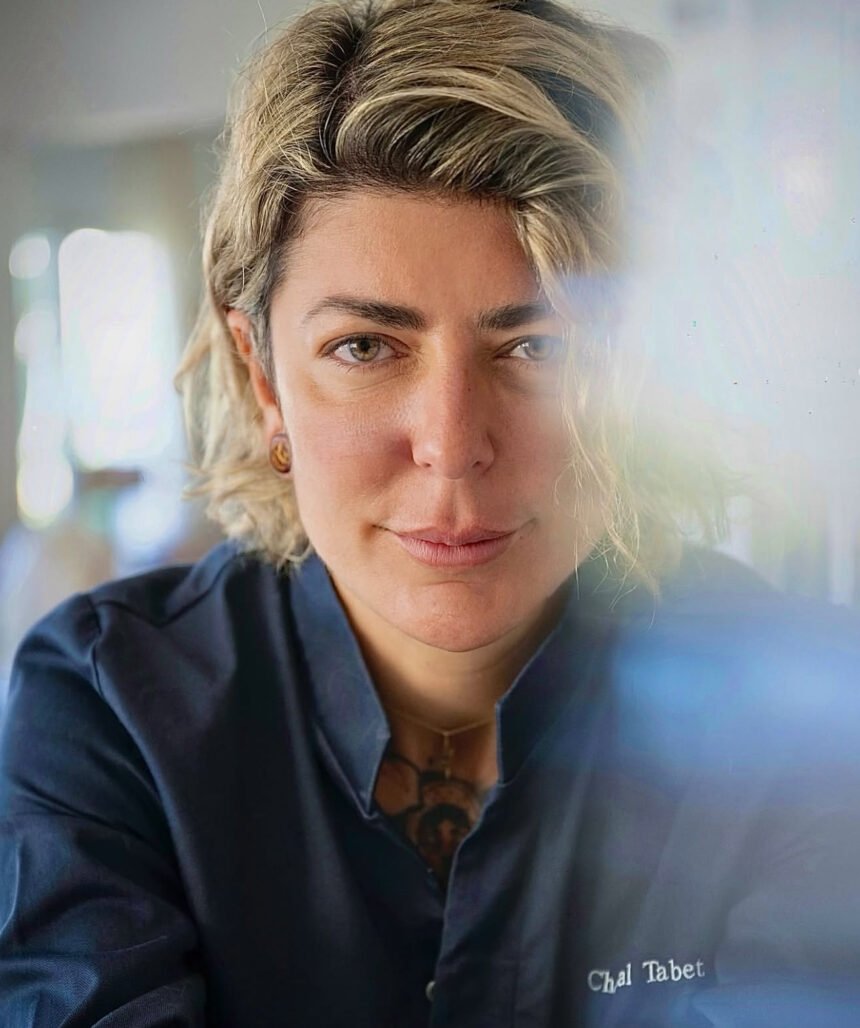
In the world of professional cooking, success is rarely created in a single moment. Behind every impressive plate is a long process of discipline, pressure, failure, learning and reinvention. For Franco Lebanese chef Chantal Tabet, that process has shaped far more than her career. It has shaped the way she sees food, leadership and her own identity.
- A Career Built On Discipline and Curiosity
- From Television Exposure to Real Culinary Experience
- The Bocuse d’Or Became Another Test
- A Woman Finding Her Place In A Demanding Industry
- Building Systems, Not Just Dishes
- The Dream Of A Place Of Her Own
- Creativity Still Has Room To Evolve
- Turning Experience Into The Next Chapter
- A Culinary Journey Still In Progress
Known for her appearances on Top Chef Middle East in 2020 and her work as an independent culinary consultant, Tabet has built a career that moves between French culinary technique and Mediterranean heritage. Her journey has taken her through demanding professional environments, international collaborations and some of the most challenging stages in competitive gastronomy.
Her participation in the Bocuse d’Or France 2025 selection became another important chapter. Tabet was one of six chefs selected to compete for the opportunity to represent France, and she was the only woman in that final group. Although she did not take the title, the experience became another example of a philosophy that has followed her throughout her career.
Turn every setback into refinement.
For Tabet, the goal is not simply to win. It is to become better because of every experience.
A Career Built On Discipline and Curiosity
Tabet’s culinary identity has been shaped by serious training and demanding professional kitchens. Trained at Ferrandi in Paris and influenced by Michelin starred gastronomy, she developed an appreciation for precision, consistency and technical excellence.
But technique alone does not define her cooking.
Her Franco Lebanese background gives her another layer of identity. French culinary discipline meets Mediterranean warmth, ingredients and memories. The result is a style that is both refined and personal.
This combination has become central to the way she approaches food. Rather than seeing heritage and modern gastronomy as opposites, Tabet treats them as elements that can exist naturally on the same plate.
Her cooking is not simply about following established rules. It is about understanding them well enough to create something personal.
That mindset has helped her move beyond the traditional definition of a chef.
From Television Exposure to Real Culinary Experience
Appearing on Top Chef Middle East in 2020 introduced Tabet to a much wider audience, but television was only one part of a much larger journey.
Competitive cooking can create visibility, but professional kitchens demand something different. They require endurance, teamwork, repetition and the ability to deliver under pressure.
For Tabet, those experiences became part of her professional education.
Over time, she moved toward culinary consulting and development, working on ideas that go beyond preparing individual dishes. Her role increasingly involves thinking about how food concepts can be created, structured and developed into sustainable operations.
This is an important shift in modern hospitality.
A chef can be an artist, but a successful culinary concept also needs systems, training, consistency and a clear identity. Tabet is increasingly interested in that space where creativity meets strategy.
The Bocuse d’Or Became Another Test
Few culinary competitions carry the intensity and prestige associated with the Bocuse d’Or.
In 2025, Tabet entered the French selection as one of six candidates competing for the opportunity to continue toward the international stage. The competition required exceptional preparation, precision and the ability to perform under extreme pressure.
The final selection in Paris placed six chefs against one another in a demanding culinary challenge centered around Saint Pierre, with additional requirements involving vegetables, mushrooms and presentation.
Tabet did not leave with the winning position. Maxence Baruffaldi ultimately secured the French title.
But judging her journey only by the final result would miss the larger story.
Being selected among the six candidates was itself a significant achievement. More importantly, the competition placed Tabet in an environment where every detail mattered, from preparation and timing to presentation and teamwork.
It also reinforced something she had already learned throughout her career.
Pressure does not always have to produce defeat. Sometimes it produces clarity.
A Woman Finding Her Place In A Demanding Industry
Professional kitchens have traditionally been challenging environments for women, particularly at the highest levels of gastronomy.
Tabet’s journey reflects some of those realities while also showing how the industry is changing.
Her presence among the six French Bocuse d’Or candidates in 2025 was notable not only because of her culinary background but because she was the only woman in that final group.
Rather than allowing that distinction to define her entire story, Tabet appears focused on what comes next.
Her career represents a broader idea of female leadership in hospitality. Leadership does not always mean standing at the center of a restaurant every night. It can also mean developing concepts, training teams, advising businesses, creating partnerships and building a professional identity that can operate across markets.
That wider approach is increasingly relevant in the modern food industry.
Building Systems, Not Just Dishes
One of the most interesting aspects of Tabet’s current vision is her interest in creating scalable culinary systems and concepts.
That ambition suggests a future beyond individual menus.
A strong culinary concept needs a recognizable identity, but it also needs structure. Recipes must be repeatable. Teams must understand the philosophy. Standards must remain consistent. Training has to translate the chef’s vision into daily practice.
For Tabet, this is where her experience becomes particularly valuable.
Her background combines competition, high level culinary environments, consulting and cultural influences. Those experiences allow her to look at food from several perspectives at once.
She can think like a chef, but also like a consultant and strategist.
That combination could become one of the defining elements of her next chapter.
The Dream Of A Place Of Her Own
Behind the consulting work is another ambition that feels deeply personal.
Tabet is considering opening a place of her own, one where she can express her culinary vision without having to fit completely inside someone else’s concept.
For a chef, opening a restaurant or culinary destination is more than a business decision. It is an opportunity to translate years of experiences into a physical space.
The menu becomes part of the story. The design becomes part of the identity. The service becomes part of the experience.
For Tabet, such a place could potentially bring together the different sides of her career: French technique, Lebanese heritage, Mediterranean ingredients, artistic presentation and the discipline learned through demanding kitchens and competitions.
The idea is not simply to open another restaurant.
It is about creating a space that feels like her.
Creativity Still Has Room To Evolve
Tabet’s recent culinary activity shows that her creativity remains active.
In 2026, she has continued sharing culinary creations and recipes, including dishes that demonstrate her ability to move between delicate contemporary presentations and familiar Mediterranean flavors.
Her work with seafood, citrus, herbs, olive oil and other ingredients reflects the balance that has become characteristic of her culinary identity.
There is precision in the technique, but there is also emotion.
That balance matters because food is rarely remembered only for technical perfection. People remember how it made them feel.
Tabet understands that cooking can carry memories, culture and personality. Her culinary language is therefore not limited to French gastronomy or Lebanese tradition. It sits somewhere between both worlds.
Turning Experience Into The Next Chapter
Perhaps the most compelling part of Chantal Tabet’s story is that she does not appear to be finished defining herself.
The television experience did not become the final chapter.
The competition did not become the final chapter.
The demanding kitchens did not become the final chapter.
Instead, each stage added another layer to her understanding of herself as a chef.
Her philosophy, crafted by discipline and defined by passion, reflects that evolution.
Today, she is looking toward concepts, collaborations, education and potentially her own culinary destination. These ambitions suggest that the next phase of her career may be less about proving that she belongs in professional gastronomy and more about deciding what she wants to build within it.
That is a powerful transition.
A Culinary Journey Still In Progress
Chantal Tabet’s story is ultimately not about one television appearance, one competition or one professional title.
It is about transformation.
She has experienced visibility, pressure, competition and setbacks, but each stage has pushed her toward greater clarity. Her journey shows that a chef’s career can evolve far beyond the kitchen pass.
It can become a platform for culture, business, education, creativity and personal expression.
As Tabet continues developing scalable culinary concepts and considers creating a place of her own, her focus appears to be shifting from participating in other people’s culinary stories to building one that is unmistakably hers.
Her message is simple but powerful.
Stay curious. Stay disciplined. Keep creating.
For a chef who has repeatedly turned pressure into refinement, the next chapter may be her most personal creation yet.
Follow Chantal Tabet on Instagram
Read More – Discover the Most Beautiful Ladies Only Beaches in Dubai