
Technology and Digital Transformation Helping Youth Businesses Grow
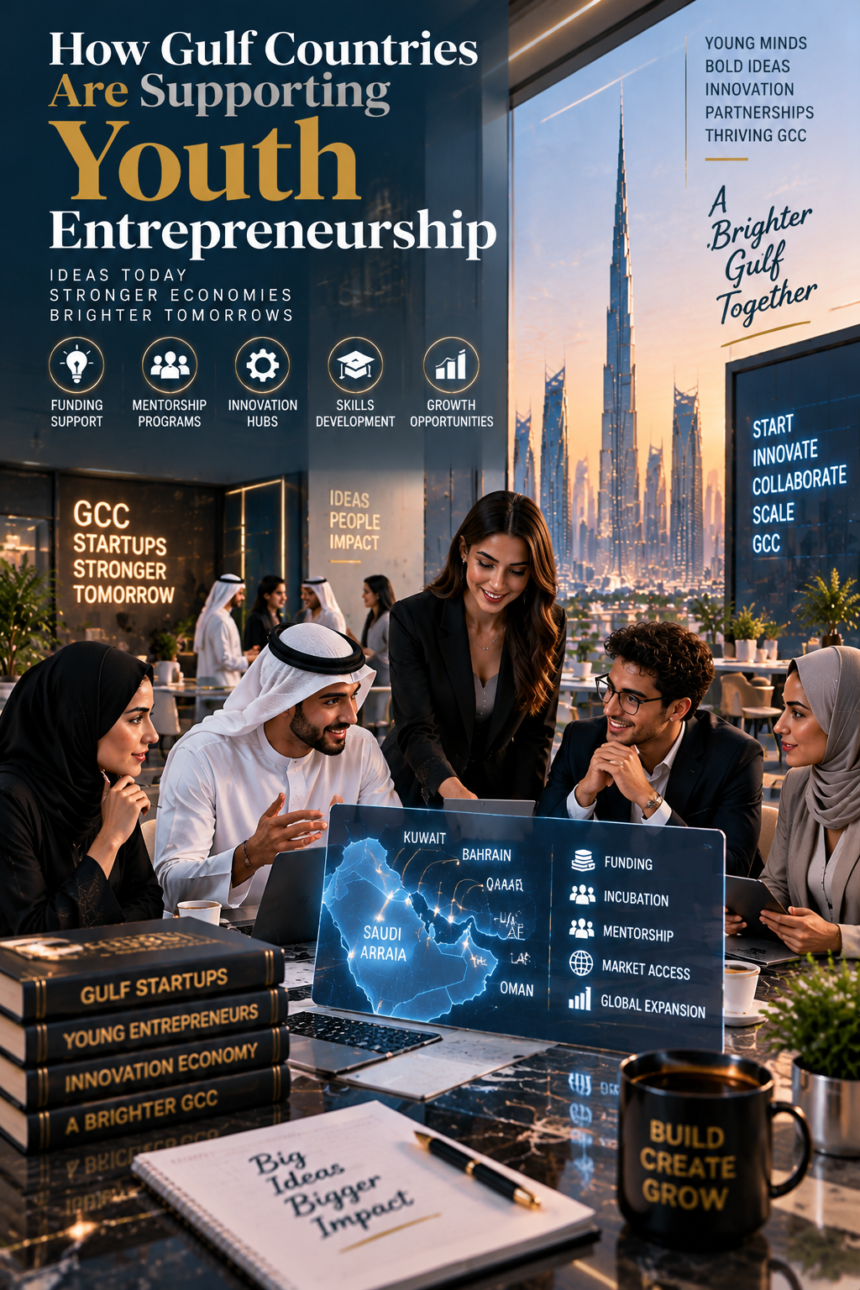
Youth entrepreneurship in Gulf countries has become one of the most important drivers of economic transformation across the GCC. As Gulf nations continue moving towards knowledge-based economies, young entrepreneurs are playing a growing role in creating businesses, developing innovative solutions and contributing to new industries.
- Why Young Entrepreneurs Are Important for the Gulf Economy
- How GCC Governments Are Building Startup Ecosystems
- UAE: Creating Global Opportunities for Young Entrepreneurs
- Saudi Arabia: Supporting Youth Businesses Through Vision 2030
- Qatar, Bahrain, Oman and Kuwait: Growing Startup Opportunities
- Qatar: Supporting Innovation and Knowledge-Based Businesses
- Bahrain: A Growing Hub for Startups and FinTech
- Oman: Encouraging Entrepreneurship Beyond Traditional Industries
- Kuwait: Supporting Young Business Owners
- Funding, Incubators and Mentorship Programmes for Young Founders
- Technology and Digital Transformation Helping Youth Businesses Grow
- The Role of Universities in Developing Future Entrepreneurs
- Challenges Young Entrepreneurs Continue to Face
- Access to Funding
- Lack of Business Experience
- Competition in Growing Markets
- Expanding Beyond Local Markets
- How Gulf Countries Can Further Strengthen Youth Entrepreneurship
- The Future of Youth Entrepreneurship in Gulf Countries
- Quick Takeaways
For decades, Gulf economies were strongly associated with energy, trade and traditional industries. Today, countries across the region are investing heavily in technology, tourism, artificial intelligence, renewable energy, healthcare and digital services. This shift has created a wider space for young people to turn ideas into businesses.
Young entrepreneurs are bringing fresh perspectives, digital skills and new approaches to solving market challenges. From technology startups and e-commerce platforms to sustainable businesses and creative industries, youth-led companies are becoming an important part of the Gulf’s economic landscape.
Governments across the GCC are recognising that supporting young entrepreneurs is not only about creating more businesses. It is also about building a future workforce capable of innovation, problem-solving and global competition.
Through startup programmes, business incubators, funding initiatives and entrepreneurship education, Gulf countries are creating stronger ecosystems where young founders can develop their ideas and grow their companies.
The growth of youth entrepreneurship can be seen across different sectors:
| Sector | Youth Entrepreneurship Opportunities |
|---|---|
| Technology | AI, software, cybersecurity and digital solutions |
| E-commerce | Online brands and marketplace businesses |
| Tourism | Travel experiences and hospitality startups |
| Healthcare | Health technology and wellness solutions |
| Finance | FinTech and digital payment platforms |
| Sustainability | Green businesses and environmental solutions |
| Creative Industries | Media, design and content companies |
This growing entrepreneurial culture represents a major shift in how young people view career opportunities. Instead of only seeking traditional employment, many are exploring business ownership and innovation-driven careers.
Why Young Entrepreneurs Are Important for the Gulf Economy
Young entrepreneurs are becoming a key part of the GCC’s economic development strategies. With a large youth population and increasing access to education and technology, the region has a strong foundation for startup growth.
Entrepreneurs contribute to economies by creating new products, introducing services and generating employment opportunities. Young founders often identify changing consumer needs quickly because they understand digital trends and emerging markets.
The importance of youth entrepreneurship can be understood through several areas:
| Contribution | Economic Impact |
|---|---|
| New businesses | Supports private sector growth |
| Innovation | Creates new solutions and technologies |
| Employment | Generates jobs for skilled professionals |
| Competition | Encourages better products and services |
| Digital transformation | Accelerates technology adoption |
The rise of young entrepreneurs also supports economic diversification goals. Gulf countries are working to reduce dependence on traditional industries by developing sectors based on knowledge, creativity and innovation.
For example, technology startups can support digital economies, tourism entrepreneurs can create new experiences for visitors, and sustainability-focused businesses can contribute to environmental goals.
Young entrepreneurs also bring international perspectives. Many have studied abroad, worked with global companies or used international digital platforms. This exposure helps them build businesses that can compete beyond regional markets.
How GCC Governments Are Building Startup Ecosystems
Across the Gulf, governments have introduced programmes designed to encourage entrepreneurship among young people. These initiatives focus on providing the resources needed to transform ideas into successful businesses.
A strong startup ecosystem requires more than just funding. Entrepreneurs need education, mentorship, market access and professional networks.
GCC countries are developing these ecosystems through:
| Support Area | Purpose |
|---|---|
| Startup incubators | Help early-stage businesses develop |
| Accelerators | Provide intensive growth support |
| Entrepreneurship training | Build business skills |
| Funding programmes | Support startup expansion |
| Innovation centres | Encourage research and experimentation |
| Business competitions | Discover new ideas |
Many programmes focus specifically on young founders by providing guidance during the early stages of business development.
Entrepreneurship education has also become more common. Universities and training organisations are introducing programmes that teach students about:
- Business planning
- Financial management
- Marketing strategies
- Digital tools
- Leadership skills
- Innovation methods
These skills help young people understand that entrepreneurship involves more than having an idea. Building a successful company requires planning, market understanding and long-term strategy.
Another important development is the growth of startup communities. Entrepreneurship events, conferences and networking platforms allow young founders to connect with investors, mentors and other entrepreneurs.
UAE: Creating Global Opportunities for Young Entrepreneurs
The UAE has developed one of the region’s strongest startup ecosystems, making it a major destination for young entrepreneurs. The country’s focus on innovation, technology and business development has created opportunities for founders from the UAE and around the world.
Dubai and Abu Dhabi have become important startup hubs, offering access to investors, international markets and advanced infrastructure.
Young entrepreneurs in the UAE are building businesses across sectors including:
| Industry | Startup Opportunities |
|---|---|
| Artificial Intelligence | Smart technology solutions |
| E-commerce | Online retail platforms |
| FinTech | Digital banking and payment services |
| Real Estate Technology | Property solutions and platforms |
| Tourism | Travel and hospitality innovation |
| Healthcare Technology | Digital health services |
The UAE’s business-friendly environment has encouraged many young founders to launch companies that serve both regional and global customers.
One major advantage for entrepreneurs in the UAE is the availability of innovation-focused communities. Startup hubs, technology centres and entrepreneurship programmes provide young founders with opportunities to learn, collaborate and access resources.
The country has also invested in emerging technologies such as artificial intelligence and blockchain, creating new spaces for technology entrepreneurs.
Young entrepreneurs are increasingly exploring areas such as:
- AI-powered business solutions
- Digital platforms
- Smart city technologies
- Sustainable products
- Creative businesses
The UAE’s approach demonstrates how government support, private investment and innovation infrastructure can work together to create opportunities for young business leaders.
Saudi Arabia: Supporting Youth Businesses Through Vision 2030
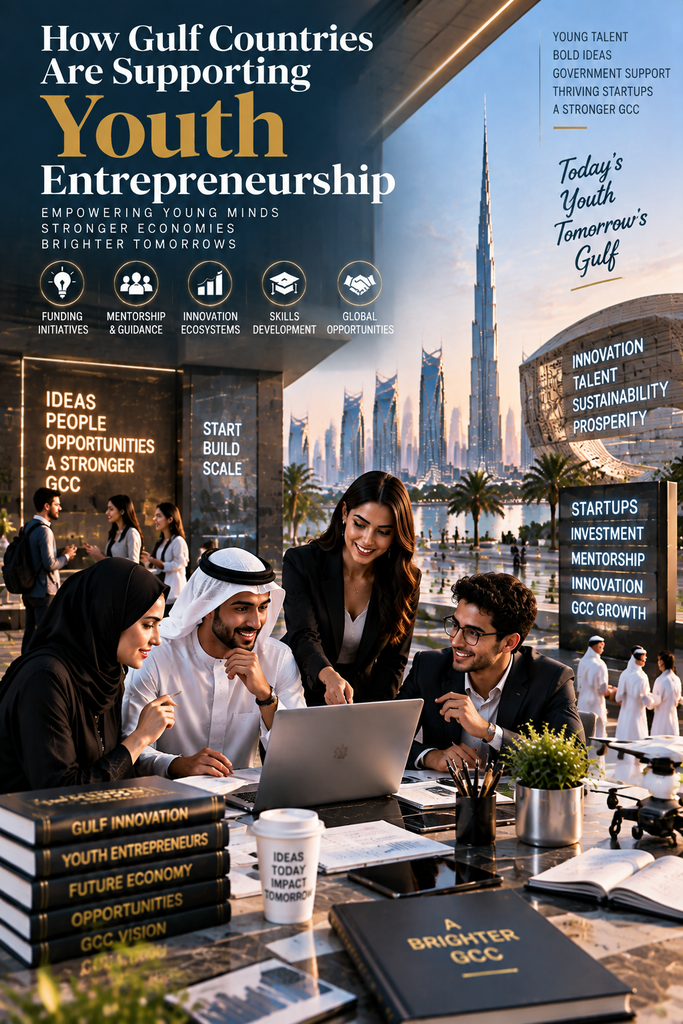
Saudi Arabia has placed youth entrepreneurship at the centre of its economic transformation plans. Through Vision 2030, the Kingdom has focused on developing private sector growth, innovation and new business opportunities.
Young Saudi entrepreneurs are entering industries that are expanding rapidly, including:
- Technology
- Tourism
- Entertainment
- Retail
- Healthcare
- Logistics
- Digital services
The growth of new sectors has created opportunities for young founders to develop businesses that support changing consumer needs.
Saudi Arabia has also focused on creating entrepreneurship programmes that provide training, support and resources for startups.
Important areas of support include:
| Area | Benefit for Young Entrepreneurs |
|---|---|
| Startup programmes | Helps businesses develop |
| Digital platforms | Creates new market access |
| Training initiatives | Improves business skills |
| Innovation centres | Encourages new ideas |
| Investment opportunities | Supports expansion |
Young entrepreneurs are also benefiting from the growth of technology and digital services. Online businesses, applications and technology platforms are creating opportunities for founders who can identify market gaps.
The expansion of tourism and entertainment sectors has further increased opportunities. New businesses are emerging around travel experiences, events, hospitality services and creative industries.
Qatar, Bahrain, Oman and Kuwait: Growing Startup Opportunities
While the UAE and Saudi Arabia have developed some of the largest startup ecosystems in the GCC, other Gulf countries are also creating opportunities for young entrepreneurs through innovation programmes, business support systems and economic development strategies.
Each country has its own strengths and focus areas, but the common goal is encouraging young people to participate in private sector growth and create businesses that contribute to future economies.
Qatar: Supporting Innovation and Knowledge-Based Businesses
Qatar has focused strongly on innovation, research and technology as part of its economic development strategy. The country’s investment in education and knowledge industries has created opportunities for young entrepreneurs interested in building technology-driven businesses.
Young founders in Qatar are exploring areas such as:
- Digital solutions
- Artificial intelligence
- Education technology
- Healthcare innovation
- Sustainability projects
- Creative businesses
The country’s startup ecosystem benefits from research institutions, innovation centres and entrepreneurship programmes that connect young founders with mentors and business resources.
Qatar’s focus on knowledge-based industries provides opportunities for entrepreneurs who want to develop solutions for modern challenges.
Bahrain: A Growing Hub for Startups and FinTech
Bahrain has built a reputation as a regional financial centre and has increasingly focused on supporting startups, especially in technology and financial services.
The country’s FinTech ecosystem has created opportunities for young entrepreneurs developing digital financial solutions.
Areas of growth include:
| Sector | Startup Opportunities |
|---|---|
| FinTech | Digital payments and financial platforms |
| Technology | Software and digital services |
| E-commerce | Online businesses |
| Professional services | Consulting and business solutions |
Bahrain’s relatively flexible business environment and strong financial sector provide a foundation for young founders looking to build scalable businesses.
Oman: Encouraging Entrepreneurship Beyond Traditional Industries
Oman has been focusing on entrepreneurship as part of its efforts to diversify the economy. Young entrepreneurs are developing businesses connected with tourism, logistics, technology and local industries.
Emerging opportunities include:
- Tourism experiences
- Food businesses
- Digital services
- Manufacturing solutions
- Environmental projects
Oman’s young entrepreneurs are contributing to economic development by creating businesses that connect local resources with modern market demands.
Kuwait: Supporting Young Business Owners
Kuwait has a strong culture of entrepreneurship, with many young people exploring private sector opportunities.
Young entrepreneurs are building businesses in:
- Retail
- Technology
- Food and beverage
- Creative industries
- Online services
The growth of digital platforms has allowed more young founders to launch businesses with lower initial barriers and reach customers through online channels.
Funding, Incubators and Mentorship Programmes for Young Founders
One of the most important factors behind the growth of youth entrepreneurship in Gulf countries is the development of support systems for startups.
A successful business ecosystem requires more than just a good idea. Young founders need access to capital, guidance, industry connections and opportunities to test their ideas.
Across the GCC, several types of support systems are helping entrepreneurs:
| Support System | How It Helps |
|---|---|
| Incubators | Support early-stage businesses |
| Accelerators | Help startups grow faster |
| Investors | Provide financial resources |
| Mentorship programmes | Offer business guidance |
| Entrepreneurship events | Build professional networks |
Startup incubators help young entrepreneurs understand the early stages of business development. They provide workspace, training and access to experts who can guide founders through challenges.
Accelerator programmes often focus on helping promising startups expand by improving their business models, connecting them with investors and preparing them for larger markets.
Mentorship is another important element. Experienced business leaders can help young entrepreneurs avoid common mistakes and develop stronger strategies.
Young founders often need advice on:
- Market research
- Customer development
- Business operations
- Hiring strategies
- Financial planning
- Expansion opportunities
By connecting experienced professionals with new entrepreneurs, GCC countries are creating stronger business communities.
Technology and Digital Transformation Helping Youth Businesses Grow
Technology has become one of the biggest drivers behind youth entrepreneurship in Gulf countries. Digital transformation has created opportunities for young people to launch businesses that were not possible through traditional models.
Many startups today can begin with limited resources because digital tools allow entrepreneurs to:
- Build online platforms
- Reach customers globally
- Market products through social media
- Manage operations digitally
- Use data for decision-making
Young entrepreneurs are particularly active in technology-driven industries because many have grown up using digital platforms and understand changing consumer behaviour.
Some important technology areas include:
| Technology | Business Opportunities |
|---|---|
| Artificial Intelligence | Automated solutions and smart services |
| E-commerce | Online shopping platforms |
| FinTech | Digital financial products |
| Cloud Technology | Business management tools |
| Mobile Applications | Customer-focused services |
| Data Analytics | Business intelligence solutions |
Artificial intelligence is creating especially new opportunities. Young founders are developing AI-based solutions for industries such as healthcare, education, retail and finance.
The growth of smart cities across the Gulf is also creating demand for technology businesses that can support urban development, sustainability and improved services.
The Role of Universities in Developing Future Entrepreneurs
Universities across the Gulf are becoming important contributors to entrepreneurship development.
Many educational institutions are encouraging students to think beyond traditional employment and explore innovation and business creation.
University entrepreneurship programmes often provide:
- Startup competitions
- Business training
- Research opportunities
- Innovation labs
- Industry partnerships
These programmes help students understand entrepreneurship before they enter the professional world.
Young entrepreneurs benefit from learning practical skills such as:
- Creating business plans
- Understanding customers
- Managing finances
- Developing products
- Building teams
By introducing entrepreneurship early, universities are helping create a future generation of founders and innovators.
Challenges Young Entrepreneurs Continue to Face
Although Gulf countries have made significant progress in supporting youth entrepreneurship, young founders still face challenges while building and expanding businesses.
Understanding these challenges is important for creating stronger startup ecosystems.
Access to Funding
Finding investment remains one of the biggest challenges for many startups.
Young entrepreneurs often need financial support for:
- Product development
- Hiring employees
- Marketing
- Technology investment
- Business expansion
Improving access to investors and startup funding can help more young companies grow successfully.
Lack of Business Experience
Many young founders have strong ideas but limited experience in managing companies.
Challenges may include:
- Financial planning
- Team management
- Market strategy
- Scaling operations
Mentorship and training programmes can help entrepreneurs develop these skills.
Competition in Growing Markets
As startup ecosystems become stronger, competition also increases. Young businesses need to focus on innovation, customer experience and long-term value.
Expanding Beyond Local Markets
Many entrepreneurs aim to grow internationally, but entering new markets requires:
- Global partnerships
- Market knowledge
- Investment
- Strong business strategies
Supporting startups with international connections can help Gulf businesses compete globally.
How Gulf Countries Can Further Strengthen Youth Entrepreneurship
The future growth of youth entrepreneurship depends on continued investment in business ecosystems.
Several areas can help young entrepreneurs achieve greater success:
| Priority Area | Expected Impact |
|---|---|
| More startup funding | Helps businesses scale |
| International partnerships | Creates global opportunities |
| Entrepreneurship education | Builds stronger founders |
| Technology investment | Encourages innovation |
| Mentorship networks | Improves business knowledge |
Supporting young entrepreneurs is not only about creating companies. It is about developing a culture where innovation and creativity become important parts of economic growth.
The Future of Youth Entrepreneurship in Gulf Countries
The future of youth entrepreneurship in Gulf countries looks closely connected with the region’s economic transformation. As GCC nations continue investing in technology, innovation and private sector development, young entrepreneurs will play an increasingly important role.
Future growth areas are expected to include:
- Artificial intelligence startups
- Sustainable businesses
- Renewable energy solutions
- Digital financial services
- Healthcare technology
- Smart city solutions
- Creative economy businesses
Young entrepreneurs will continue shaping industries by identifying new opportunities and creating solutions for changing markets.
The Gulf’s next generation of business leaders will likely combine technology skills, global knowledge and entrepreneurial thinking.
The success of youth entrepreneurship will depend on collaboration between governments, investors, universities and private companies. Together, these groups can create environments where young founders have the resources and confidence needed to build successful businesses.
Youth entrepreneurship in Gulf countries is no longer just a future possibility. It is already becoming an important part of the region’s economic story.
Quick Takeaways
- Youth entrepreneurship in Gulf countries is becoming a major driver of economic diversification.
- GCC governments are supporting young founders through funding, training and innovation programmes.
- UAE and Saudi Arabia have developed strong startup ecosystems, while Qatar, Bahrain, Oman and Kuwait are expanding opportunities.
- Technology and digital platforms are helping young entrepreneurs build scalable businesses.
- Universities and mentorship programmes are creating stronger future founders.
- Access to funding, experience and global markets remain important areas of development.
- Young entrepreneurs will play a key role in shaping the Gulf’s future economy.
Do follow us on Instagram
Read More – The Rise of Women in Gulf Business: A New Era of Growth