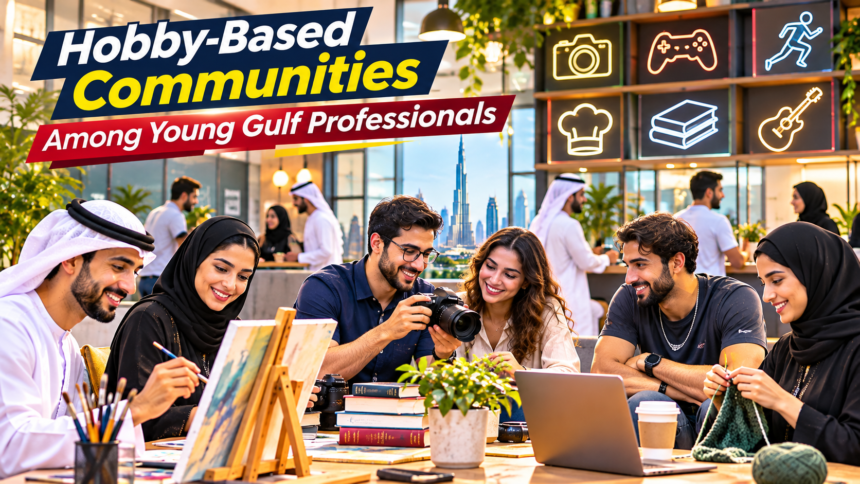
Creative Workshops, Book Clubs and Cultural Communities
A group of young professionals gathers at sunrise for a run along Dubai’s waterfront. Elsewhere, colleagues finish their working day and head to a pottery workshop, while book enthusiasts in Doha meet to discuss their latest reads. These activities may appear unrelated, but they reflect a common social development: people are increasingly looking for opportunities to build connections around shared interests rather than relying exclusively on workplaces, traditional social circles or digital interactions.
- Why Gulf Hobby Communities Are Attracting Young Professionals
- 7 Powerful Reasons Hobby-Based Communities Are Growing
- Running Clubs, Padel and Fitness Communities in Dubai
- Creative Workshops, Book Clubs and Cultural Communities
- Why Hobby Communities Matter for Social Wellbeing
- The Business Economics of Hobby-Based Communities
- Challenges of Building Lasting Hobby Communities in Gulf Cities
- The Future of Gulf Hobby Communities and FAQs
Gulf Hobby Communities are attracting growing attention as young professionals explore running clubs, creative workshops, recreational sports, reading groups and other interest-based activities.
In cities such as Dubai, Abu Dhabi, Riyadh and Doha, hobbies can provide a practical reason for people to meet regularly. Instead of attending an event simply to socialise, participants come together to learn a skill, improve their fitness or explore a personal interest.
This approach can make interactions more natural, particularly for newcomers adjusting to unfamiliar cities.
For expatriate professionals, joining a hobby group may help create connections outside the workplace. For local residents, it can offer opportunities to explore new activities and expand existing social networks.
The development also reflects broader changes in how urban residents spend their leisure time.
Organised fitness activities, creative studios and cultural institutions are creating structured opportunities for community participation.
In 2025, Dubai Fitness Challenge attracted more than three million participants, according to official government figures. Its 2026 edition, running from October 31 to November 29, continues to promote accessible group activities across the city.
Meanwhile, Qatar National Library organises recurring community meet-ups involving creative writing, chess, language exchange, arts and crafts.
These examples demonstrate that opportunities for interest-based interaction are becoming visible across different types of public and private spaces.
However, the evidence requires careful interpretation. Participation in a citywide fitness programme does not establish how many people have joined permanent hobby clubs.
Reliable Gulf-wide statistics measuring the exact growth of hobby-based communities among young professionals remain limited.
Nevertheless, the expanding range of organised activities provides a useful indication of how social life is developing in major Gulf cities.
The trend also creates opportunities for businesses, cultural institutions and community organisers seeking to build lasting relationships with residents.
Why Gulf Hobby Communities Are Attracting Young Professionals
The appeal of hobby-based communities lies in the combination of shared interests, regular activities and opportunities for personal interaction.
For professionals balancing demanding careers and busy schedules, hobbies can provide a reason to step away from work-related responsibilities.
Building Connections Beyond the Workplace
Many professional relationships begin through employment.
While workplace networks can be valuable, they often centre on job responsibilities and career development.
Hobby communities provide a different environment.
A marketing executive and a software engineer may have little professional overlap but share an interest in photography, cycling or creative writing.
An activity gives them something to discuss without requiring a formal introduction.
Making New Cities Feel More Familiar
People relocating to Gulf cities may leave behind established friendships and family networks.
Developing new relationships can require time and effort, particularly when working hours limit opportunities to socialise.
Joining a recurring group creates repeated contact with people who share an interest.
However, participation does not automatically produce close friendships. Meaningful relationships still depend on compatibility, trust and continued interaction.
A More Structured Way to Socialise
Traditional social events may involve unfamiliar conversations without a clear shared activity.
A hobby group offers an immediate purpose.
Participants might complete a running route, prepare a painting or practise a new language together.
This can make it easier for people who prefer activities over unstructured networking.
The Role of Multicultural Communities
Gulf cities bring together residents from different countries and backgrounds.
Shared interests can create common ground even when participants have different languages, cultures or occupations.
Nevertheless, effective communities still need inclusive communication and respectful behaviour.
What Young Professionals May Be Looking For
| Social Need | Hobby Community Opportunity |
|---|---|
| Meeting New People | Recurring Group Activities |
| Personal Development | Learning New Skills |
| Leisure and Recreation | Activities Outside Work |
| Professional Connections | Informal Networking |
| Creative Expression | Workshops and Collaborative Projects |
| Local Belonging | Familiar Groups and Shared Routines |
The appeal of hobby communities is not limited to one benefit. Different participants may value learning, recreation or social interaction for different reasons.
7 Powerful Reasons Hobby-Based Communities Are Growing
Several factors help explain why organised hobbies are becoming an appealing part of urban social life.
These factors do not affect every city or demographic equally, but together they illustrate the opportunities created by shared-interest groups.
1. The Search for Meaningful Friendships
Young professionals may have extensive digital networks but relatively few opportunities for regular face-to-face interaction.
Hobby communities can provide an environment where relationships develop through repeated shared experiences.
A weekly running group or monthly book discussion creates natural opportunities for participants to recognise and reconnect with one another.
2. Greater Interest in Recreational Fitness
Running, cycling, yoga and recreational sports can combine physical activity with social interaction.
In Dubai, organised fitness events have become a prominent part of the city’s public activity calendar.
Local running clubs also provide opportunities for regular participation outside major events.
3. The Appeal of Creative Experiences
Creative workshops offer an alternative to leisure activities centred primarily on shopping or dining.
Painting, pottery, photography and craft sessions allow people to learn and produce something tangible.
Participants may return because they enjoy both the activity and the social environment.
4. Flexible Social Commitments
Not everyone wants to join a formal organisation with extensive membership obligations.
Many hobby activities operate through individual sessions, informal meet-ups or short programmes.
This can suit professionals with changing schedules.
However, frequent participation may still require advance reservations or ongoing fees.
5. Digital Platforms Make Organising Easier
Messaging groups, social media pages and event platforms can simplify communication between organisers and participants.
People can discover activities, register and receive updates without needing personal introductions.
Nevertheless, online visibility does not guarantee that a community is active or well managed.
6. Growing Opportunities for Skill Development
Some participants join communities to learn photography, languages, music or creative techniques.
These activities may provide personal satisfaction and opportunities to collaborate.
Not every hobby needs to become a career or income-generating activity.
7. Demand for Belonging and Routine
Recurring activities can provide structure outside work.
Seeing familiar people at a weekly session may help participants develop a stronger connection to their neighbourhood or city.
The value comes from regular participation and shared experiences rather than the number of people in a group.
Seven Growth Factors Compared
| Factor | Main Attraction | Example |
|---|---|---|
| Friendships | Repeated Social Interaction | Book Clubs |
| Fitness | Recreation With Others | Running Groups |
| Creativity | Learning Through Experience | Pottery Workshops |
| Flexibility | Adaptable Participation | Drop-In Classes |
| Digital Discovery | Easier Event Access | Online Communities |
| Skill Development | Personal Learning | Photography Groups |
| Belonging | Familiar Social Routines | Weekly Meet-Ups |
A successful hobby community often combines several of these characteristics.
Running Clubs, Padel and Fitness Communities in Dubai
Fitness-based groups provide some of the most visible examples of interest-led communities in the UAE.
Running clubs, recreational sports and organised exercise activities offer opportunities for participants to combine movement with social contact.
Dubai’s Running Club Culture
Dubai has an established running community that includes long-standing groups such as Dubai Creek Striders and Desert Road Runners.
In April 2026, Gulf News reported on the continued presence of community running groups across the city.
The article described how organised running provides routine and connection for participants.
A May 2026 GQ Middle East feature also highlighted running clubs as emerging social spaces, reflecting the broader cultural attention these groups are receiving.
However, individual media features cannot establish the total size of the city’s running club market.
Dubai Fitness Challenge 2026
The tenth edition of Dubai Fitness Challenge runs from October 31 to November 29, 2026.
The programme encourages residents and visitors to complete 30 minutes of physical activity daily for 30 days.
Its major activities include Dubai Run, Dubai Ride, Dubai Yoga and Dubai Stand Up Paddle.
The government also promotes neighbourhood fitness hubs and accessible participation opportunities.
More than 16 million participations were recorded across the programme’s first nine editions, according to Dubai’s official announcement. This is a cumulative participation figure, not a count of unique permanent club members.
Workplace Hobby Clubs
Interest-based communities also exist inside large organisations.
In October 2026, Emirates Group announced that close to 24,000 employees were expected to participate in Dubai Fitness Challenge.
The company also referred to more than 20 sports and hobby clubs participating in its current programme.
Its 2025 report had described 30 employee sports and hobby clubs involved in activities including football, badminton, basketball, cricket and cycling.
These are programme-specific descriptions rather than a consistent census of active clubs, but they demonstrate how organised hobbies can become part of workplace culture.
Beyond Running
Recreational sports such as padel, cycling and group fitness can also bring together people who may not know one another professionally.
For beginners, the most important considerations include appropriate coaching, suitable equipment and participation at a comfortable ability level.
Competitive formats can be appealing, but community activities should also leave room for less experienced participants.
Fitness Communities Compared
| Activity | Social Format | Beginner Consideration |
|---|---|---|
| Running | Group Routes | Pace and Distance |
| Cycling | Organised Rides | Road Safety and Equipment |
| Padel | Small-Group Matches | Skill Matching |
| Yoga | Group Sessions | Suitable Instruction |
| Walking | Informal Meet-Ups | Accessibility |
| Recreational Team Sports | Regular Games | Availability and Fair Participation |
Fitness communities can be attractive because they offer both an activity and a recurring social opportunity.
Creative Workshops, Book Clubs and Cultural Communities
Hobby-based communities are not limited to sports.
Art, writing, reading, photography and crafts provide alternative opportunities for people who prefer quieter or more creative activities.
Across the Gulf, cultural venues are increasingly offering programmes that encourage participation rather than passive attendance.
Dubai’s Creative Spaces
Dubai’s Al Quoz district is home to galleries, independent cultural venues and creative workshops.
Alserkal Avenue is particularly associated with contemporary art, performance spaces and independent cultural activities.
Visit Dubai identifies thejamjar as a community arts space offering painting workshops and creative events.
The destination’s official tourism guide also highlights workshops involving ceramics, floral arrangements, watercolour painting and other artistic activities.
These spaces provide opportunities for participants to explore creative interests without necessarily having previous experience.
Why Creative Workshops Can Encourage Connections
A workshop gives participants a shared task.
People may exchange ideas, ask questions and discuss their work while learning from an instructor.
The interaction can feel less formal than conventional networking.
However, not every one-off workshop becomes a continuing community. Organisers may need recurring programmes to encourage stronger connections.
Qatar National Library’s Community Meet-Ups
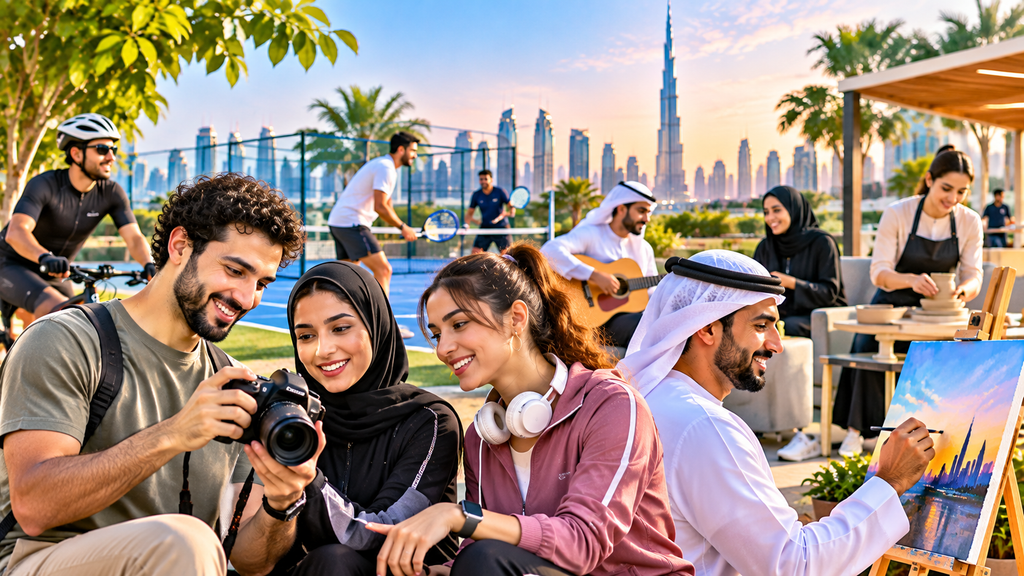
Qatar National Library offers recurring activities involving creative writing, chess, arts and crafts, language exchange and other interests.
Its November 2026 calendar includes Creative Threads gatherings, Chess for All sessions and language-exchange opportunities.
The library also provides an Art Majlis programme where artists can work on projects and share their interests.
These activities demonstrate how a cultural institution can function as a meeting place for people with different hobbies.
Reading and Discussion Groups
Book clubs create opportunities for regular conversation about literature and ideas.
The discussion may involve cultural topics, personal interpretations and shared discoveries.
Participants do not necessarily need identical reading preferences.
However, a welcoming environment should allow people to disagree respectfully and participate at different levels.
Creative Activities Compared
| Community Type | Main Activity | Potential Benefit |
|---|---|---|
| Book Club | Reading and Discussion | Shared Learning |
| Pottery Workshop | Making Ceramics | Creative Practice |
| Photography Group | Photography and Critique | Skill Development |
| Writing Circle | Writing and Feedback | Creative Expression |
| Chess Group | Recreational Games | Regular Interaction |
| Language Exchange | Conversation Practice | Cross-Cultural Learning |
| Art Workshop | Painting or Crafts | Hands-On Recreation |
Creative communities may be particularly valuable for people who want their leisure time to involve learning or artistic expression.
Why Hobby Communities Matter for Social Wellbeing
Social relationships are an important part of everyday life.
For people who have relocated, changed employment or experienced major lifestyle transitions, establishing new routines can take time.
Interest-based communities may provide opportunities for connection, but their effects should not be overstated.
Creating Repeated Social Contact
Many friendships develop gradually through regular interaction.
A recurring group can provide opportunities for people to meet repeatedly without arranging separate individual gatherings.
Over time, participants may become more familiar with one another.
However, attendance alone does not guarantee meaningful relationships.
Separating Work From Personal Identity
Professional success can become a major focus for young adults working in competitive environments.
Hobbies provide opportunities to explore interests unrelated to job titles or workplace performance.
Someone who spends the day working in finance might enjoy ceramics, while a technology professional might join a cycling group.
These activities allow individuals to develop interests outside their occupations.
Supporting Recreation and Relaxation
Creative and recreational activities can provide enjoyable breaks from routine responsibilities.
Physical activities may also contribute to general fitness when undertaken appropriately.
However, hobby groups should not be presented as treatments for mental health conditions or guaranteed solutions to loneliness.
Developing a Sense of Belonging
Belonging is influenced by whether people feel included and respected.
A community may become more meaningful when participants recognise one another and share responsibilities.
Small groups can sometimes provide a more personal environment than large events.
The Importance of Inclusion
A hobby group should not assume that all participants have identical budgets, cultural backgrounds or abilities.
Affordable participation options, accessible facilities and respectful communication can help more people feel welcome.
The purpose should be shared enjoyment rather than social pressure.
The Business Economics of Hobby-Based Communities
The growth of organised hobbies creates commercial opportunities for instructors, venues, event organisers and small businesses.
However, a community should not be treated simply as a customer database.
The long-term value of an interest-based group often depends on trust, programme quality and the willingness of members to return.
Workshops and Paid Memberships
Businesses may generate revenue through individual class fees, monthly memberships or longer training programmes.
A pottery studio, for example, might charge for guided sessions that include equipment and materials.
A recreational sports group may use fees to cover venue reservations, coaching and equipment.
The commercial model should reflect what participants receive.
Partnerships With Local Businesses
Cafés, lifestyle brands, equipment suppliers and other businesses may support hobby events.
A running group might organise a gathering with a coffee shop, while a creative studio may collaborate with an art materials supplier.
However, sponsorship arrangements should remain transparent to participants.
Why Recurring Participation Matters
A successful event can attract attention, but ongoing participation is important for a sustainable community business.
Organisers may need to build a consistent calendar, maintain quality and respond to member feedback.
Repeat attendance can provide a useful measure of whether participants value the experience.
Illustrative Workshop Economics
Consider a fictional Dubai creative workshop organiser running four classes each month.
| Financial Measure | Hypothetical Monthly Amount |
|---|---|
| 4 Classes × 15 Participants × AED 180 | AED 10,800 Revenue |
| Venue Rental | AED 2,500 |
| Materials | AED 2,000 |
| Instructor Payments | AED 2,400 |
| Marketing and Administration | AED 1,000 |
| Illustrative Operating Surplus | AED 2,900 |
This calculation assumes all 60 places are sold.
It excludes additional costs such as business licensing, insurance, taxes, payment processing and equipment replacement.
These figures are fictional and do not represent actual workshop prices or typical profitability.
Different Community Business Models
| Model | Revenue Source | Main Challenge |
|---|---|---|
| Single Workshops | Per-Session Fees | Attendance Variability |
| Membership Clubs | Recurring Payments | Member Retention |
| Coaching Groups | Instruction Fees | Quality and Capacity |
| Sponsored Events | Brand Partnerships | Commercial Independence |
| Community Events | Tickets and Partnerships | Event Costs |
| Creative Studios | Classes and Space Use | Fixed Overheads |
Businesses need to understand their participants rather than assuming that popularity automatically produces financial success.
Challenges of Building Lasting Hobby Communities in Gulf Cities
Although hobby communities can create valuable connections, maintaining them requires ongoing effort.
Organisers must balance convenience, affordability, quality and participant expectations.
High Participation Costs
Some hobbies require specialised equipment, coaching or venue access.
For example, recreational sports may involve court bookings, while creative workshops may require materials.
These costs can exclude people with smaller leisure budgets.
Organisers may consider beginner-friendly sessions, shared equipment or occasional low-cost activities.
Changing Work Schedules
Professionals may have irregular working hours, travel commitments or demanding schedules.
A community that meets at only one time may struggle to accommodate everyone.
Offering alternative sessions can improve flexibility, although it may increase organisational costs.
Weather and Seasonal Conditions
Outdoor activities in the Gulf require planning around high temperatures and seasonal conditions.
Running and cycling groups need to consider appropriate timing, hydration and participant safety.
During hotter periods, indoor venues or adjusted schedules may be necessary.
Unequal Participation
Some groups may become dominated by experienced participants or established friendship circles.
New members can feel excluded if activities are not designed to welcome beginners.
Clear introductions and appropriate skill-level arrangements can help.
Maintaining Community Trust
Organisers may collect contact information, photographs or payment details.
They should handle this information responsibly and explain how it will be used.
Participants should also understand event rules, cancellation arrangements and any charges.
Avoiding Excessive Commercialisation
As communities become popular, businesses may introduce sponsorships and premium membership options.
These arrangements can support operations, but excessive commercial pressure may discourage participation.
A community’s social purpose should remain clear.
Challenges and Practical Responses
| Challenge | Possible Effect | Practical Response |
|---|---|---|
| High Costs | Limited Participation | Offer Affordable Options |
| Busy Schedules | Irregular Attendance | Flexible Session Times |
| Extreme Heat | Outdoor Safety Concerns | Seasonal Planning |
| Skill Differences | Beginner Exclusion | Different Ability Groups |
| Weak Organisation | Reduced Trust | Clear Communication |
| Data Privacy | Personal Information Risks | Responsible Data Handling |
| Commercial Pressure | Member Dissatisfaction | Transparent Sponsorships |
Lasting communities generally require more than successful marketing. They need dependable organisation and positive participant experiences.
The Future of Gulf Hobby Communities and FAQs
Interest-based communities are likely to remain an important option for people seeking recreational activities and new relationships.
However, their future will depend on affordability, accessible spaces and the ability of organisers to maintain meaningful participation.
Different types of communities will suit different personalities and lifestyles.
More Neighbourhood-Based Activities
Large events can introduce people to new activities, while smaller neighbourhood groups may make regular participation more convenient.
Dubai Fitness Challenge’s community hubs provide one example of how organised activity can be brought closer to residential areas.
Such arrangements may reduce travel barriers and encourage repeated engagement.
A Combination of Online and Offline Communities
Digital platforms can make it easier to discover activities, register and stay informed.
However, the core social experience often takes place through in-person participation.
Organisers may increasingly combine online coordination with regular physical gatherings.
The Role of Employers
Workplace hobby clubs can offer employees opportunities to connect outside their immediate departments.
The Emirates Group’s sports and hobby programmes illustrate how large organisations can support interest-based activities.
However, participation should remain voluntary and inclusive.
More Opportunities for Creative Entrepreneurs
Instructors, artists and small businesses may use workshops to introduce people to creative interests.
However, sustainable success requires realistic pricing and consistent programme quality.
Frequently Asked Questions
What are hobby-based communities?
They are groups of people who meet or interact around shared interests such as sports, reading, art, photography or other recreational activities.
Why are hobby communities attracting young professionals in the Gulf?
They offer opportunities to meet people, learn skills, enjoy activities outside work and establish recurring social routines.
Are running clubs popular in Dubai?
Dubai has an established running club scene, and organised running has received increased lifestyle media attention in 2026. However, comprehensive membership figures are not available for all clubs.
What hobbies can people explore in Dubai?
Options include running, cycling, padel, pottery, painting, photography, writing and other activities, depending on current providers and programmes.
Are there hobby communities in Doha?
Yes. Qatar National Library hosts recurring interest-based meet-ups involving writing, chess, crafts and language exchange.
Do people need experience to join hobby groups?
Not always. Some groups welcome beginners, while others require particular skills or equipment.
Are hobby communities free?
Some events are free, while others charge for instruction, equipment, facilities or memberships.
Can hobby communities help people make friends?
They provide opportunities for repeated interaction, but friendships develop through individual relationships and mutual interest.
Can businesses create hobby communities?
Yes. Businesses may organise workshops or activity groups, provided they offer genuine value and manage participation responsibly.
How can someone find a suitable hobby group?
People can explore official community calendars, cultural institutions, sports organisations and established event platforms, then verify the activity details before joining.
Final Thoughts
The rise of hobby-based communities reflects changing ways of building social relationships in Gulf cities.
Running clubs, creative workshops, reading circles and recreational sports provide opportunities for people to meet through shared activities.
For young professionals, these groups can offer experiences beyond workplace networking and conventional leisure routines.
Dubai’s fitness initiatives, the city’s creative venues and Qatar National Library’s community meet-ups demonstrate the range of available opportunities.
However, participation trends should not be confused with evidence that every group is experiencing sustained membership growth.
Building a successful community requires consistent activities, suitable facilities, fair participation costs and a welcoming environment.
For businesses and organisers, the opportunity lies in creating meaningful experiences rather than simply attracting large numbers of attendees.
Ultimately, Gulf Hobby Communities illustrate how shared interests can bring people together across professional, cultural and social boundaries.
Their long-term value will depend on whether participants continue to find enjoyment, friendship and belonging through the activities they share.
Do follow us on Instagram
Read More – The Hidden Economics of Raising a Child in a High-Income City: 7 Major Financial Pressures