



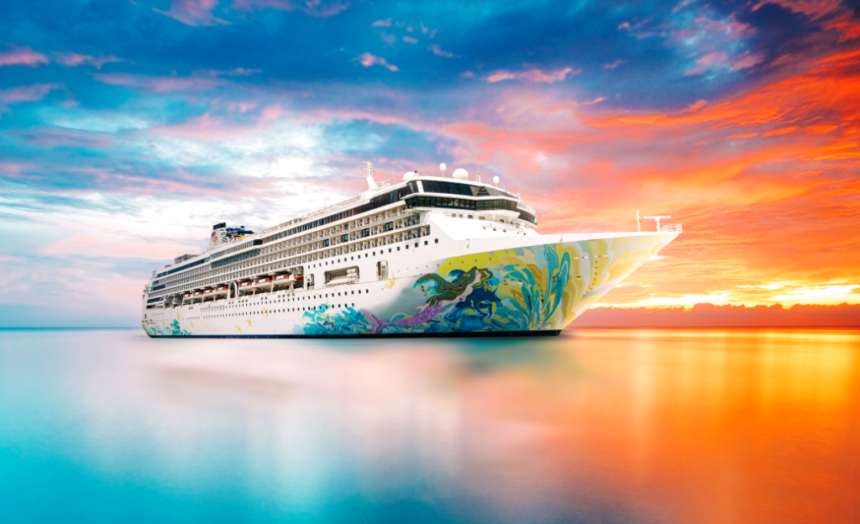
Compare Cruise Lines, Ships and Cabin Types Carefully
A Gulf cruise holiday can be one of the easiest ways to experience several Middle Eastern destinations within a single trip. Instead of changing hotels, arranging flights between cities and repeatedly packing your luggage, you can sleep on the same ship while visiting places such as Dubai, Abu Dhabi, Doha, Muscat and, depending on the itinerary, Bahrain, Saudi Arabia or Oman’s Musandam Peninsula.
- Choose the Right Gulf Cruise Holiday Route and Departure Port
- Pick the Best Time of Year for a Gulf Cruise
- Compare Cruise Lines, Ships and Cabin Types Carefully
- Check Visas and Entry Requirements for Every Port
- Plan Shore Excursions Without Trying to See Everything
- Understand the Real Cost of a Gulf Cruise Holiday
- Pack for the Ship, the Weather and Gulf Culture
- Prepare for Embarkation, Seasickness and Life Onboard
- Build a Simple Gulf Cruise Holiday Plan From Start to Finish
The region is particularly suited to winter cruising. Abu Dhabi’s official tourism authority says its main cruise season runs from October to May, with most activity between December and April. Doha similarly describes November to April as its main winter cruise season.
Dubai is one of the region’s major cruise hubs. Mina Rashid has extensive passenger facilities, while Dubai Harbour also operates a modern cruise terminal close to Palm Jumeirah and Bluewaters Island. Visit Dubai currently notes that itineraries from the city can range from around five and seven nights to longer 12- and 14-night voyages.
A typical Gulf itinerary might combine modern cities with cultural and natural experiences. One day you could be exploring the Burj Khalifa and Old Dubai, another visiting Sheikh Zayed Grand Mosque in Abu Dhabi, followed by the museums and souqs of Doha or the mountains and waterfront of Muscat.
However, choosing the right cruise involves more than comparing the headline fare.
Travellers need to consider the itinerary, cruise line, cabin type, visas, shore excursions, onboard spending, transport to the port and what is actually included in the fare.
A cheap cruise can become expensive once drinks, internet, excursions and service charges are added. Equally, an expensive cabin may not be worth the extra cost if you plan to spend most of the trip exploring ports and using the ship’s public areas.
This guide explains how to plan a Gulf cruise properly, from choosing the season and departure port to budgeting, packing and making the most of each stop.
Choose the Right Gulf Cruise Holiday Route and Departure Port
The first decision should be the itinerary rather than the ship.
Gulf cruises can look very similar when viewed quickly, but the actual port combination can change the experience significantly.
Common regional stops include:
- Dubai
- Abu Dhabi
- Doha
- Muscat
- Khasab
- Bahrain
- Dammam
- Sir Bani Yas Island
Some cruises begin and end in Dubai. Others depart from Abu Dhabi or Doha, while longer itineraries may include more ports around the Arabian Gulf and Gulf of Oman.
Dubai as a departure port
Dubai is particularly convenient for travellers arriving internationally because of its large airport network and established cruise infrastructure.
Mina Rashid is one of the city’s main cruise locations. Visit Dubai describes the terminal as having streamlined check-in facilities, free Wi-Fi, retail outlets, money exchange, restaurants, taxis and some shuttle services.
Dubai Harbour is another cruise location and is closer to areas such as:
Palm Jumeirah
Dubai Marina
Bluewaters Island
JBR
This can make it attractive for passengers who want to spend a few days sightseeing before or after the voyage.
Always check the exact terminal on your booking.
“Dubai cruise terminal” does not necessarily mean every ship leaves from the same place.
Abu Dhabi as a departure port
Abu Dhabi Cruise Terminal is located at Zayed Port.
The official tourism authority says it is approximately 30 minutes from Zayed International Airport and can handle both turnaround cruises and port-of-call passengers.
Abu Dhabi can be a good departure point for travellers who want to combine the cruise with:
Sheikh Zayed Grand Mosque
Louvre Abu Dhabi
Yas Island
Saadiyat Island
The terminal also includes passenger services and airline check-in facilities for selected travellers.
Doha as a departure port
Doha’s Grand Cruise Terminal is directly on the Corniche in the Mina District.
Visit Qatar says the facility can handle up to 12,000 passengers a day across two berths and is located near attractions including the Museum of Islamic Art, Mina District and central Doha.
That makes it possible to combine a Gulf cruise with a short Qatar city break.
Think about port time, not simply the number of destinations
A cruise visiting six countries is not automatically better than one visiting four.
Compare:
| Itinerary Feature | Why It Matters |
|---|---|
| Arrival time | Early arrival gives more sightseeing time |
| Departure time | Late departure allows dinner or evening activities ashore |
| Overnight stays | Provide much more flexibility |
| Sea days | Useful for enjoying the ship |
| Tender ports | Can take longer to reach shore |
| Repeated UAE stops | Convenient but less country variety |
| Longer Oman calls | Better for excursions outside Muscat |
A seven-night cruise with well-timed port calls may provide a better experience than a more complicated itinerary where every visit feels rushed.
Pick the Best Time of Year for a Gulf Cruise
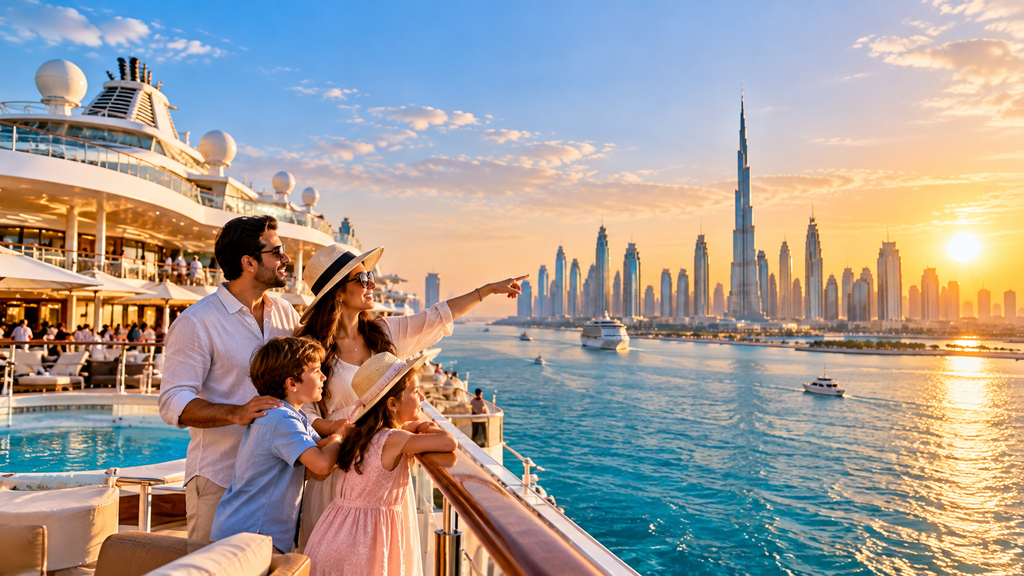
The Gulf cruise season is largely built around the cooler months.
Abu Dhabi officially identifies October to May as its cruise season, with the greatest activity generally taking place from December through April.
Doha describes its main winter cruise period as November to April.
This seasonal pattern exists for an obvious reason: weather.
During the cooler months, travellers can spend more time walking outdoors, visiting heritage districts and taking excursions without dealing with the extreme summer temperatures common across the region.
November and early December
This can be a good period for travellers who want warm weather without the hottest conditions.
Dubai, Abu Dhabi, Doha and Muscat are usually well suited to outdoor sightseeing during this period.
However, major events and public holidays can increase hotel and flight prices.
December to February
These are among the most popular months for Gulf tourism.
The weather is generally suited to:
Beach visits
Walking tours
Desert excursions
Outdoor dining
City sightseeing
Evenings can feel cooler than travellers expect, particularly on open cruise decks, so a light layer can be useful.
March and April
These months can still work well, although daytime temperatures generally begin rising.
Outdoor excursions may become more tiring later in the season.
Should you cruise in summer?
Regional cruise availability becomes much more limited outside the main season.
Even when a suitable itinerary exists, shore sightseeing during the hottest months may be considerably less comfortable.
If your priority is exploring destinations rather than remaining mostly onboard, the winter cruise season is usually more practical.
Compare Cruise Lines, Ships and Cabin Types Carefully
Once you have chosen a route, compare the ships operating it.
Do not select a cruise line only because one fare appears cheaper.
Two ships sailing almost identical Gulf itineraries can offer completely different experiences.
One may focus heavily on families.
Another may feel more premium.
Some ships have extensive entertainment and waterslides, while others are designed around quieter dining, wellness and luxury service.
Think about who is travelling
Families may prioritise:
Kids’ clubs
Pools
Family cabins
Shows
Casual dining
Couples may care more about:
Restaurants
Adult-only areas
Balcony cabins
Spa facilities
Evening entertainment
Older travellers may value:
Easy ship layout
Lift access
Short walking distances
Accessible cabins
Quieter dining
Your preferred ship should match your travel style.
Inside cabin
An inside cabin is normally the cheapest category.
It may make sense when:
You are travelling on a strict budget.
You expect to spend very little time in the room.
You would rather spend the difference on excursions.
The disadvantage is the absence of natural light and an outside view.
Ocean-view cabin
This adds a window but generally does not include private outdoor space.
It can be a useful middle option.
Balcony cabin
A balcony can be particularly enjoyable on a Gulf itinerary because of city skylines, port arrivals and winter weather.
However, it is worth calculating the price difference carefully.
If a balcony costs hundreds or thousands more and you expect to be ashore on most days, the upgrade may not provide enough value.
Suite
Suites can offer more space and additional benefits, depending on the cruise line.
Families and luxury travellers may appreciate the extra room.
Always compare the full package rather than room size alone.
Some premium categories include benefits that would otherwise cost extra.
Check Visas and Entry Requirements for Every Port
Visa planning is one of the most important parts of a Gulf cruise.
A cruise may visit several countries, which means passengers can face different entry requirements during the same journey.
Requirements depend on factors such as:
Nationality
Passport type
Residence status
Cruise itinerary
Entry point
Length of stay
Do not assume the cruise line automatically handles every visa.
UAE cruise entry
Abu Dhabi’s tourism authority notes that visa requirements depend on the passenger’s passport. It also references a multi-entry cruise tourist visa for eligible passengers who cannot obtain a visa on arrival.
Because visa rules can change, confirm current requirements through official government sources and your cruise operator before travelling.
Qatar
Entry requirements for Qatar can differ by nationality and travel circumstances.
A cruise passenger arriving for a day may face different procedures from a traveller beginning or ending a cruise in Doha.
Confirm what applies to your passport rather than relying on another passenger’s experience.
Oman
The same principle applies to Muscat and Khasab.
Some nationalities may qualify for easier entry arrangements, while others may need advance documentation.
Saudi Arabia and Bahrain
If the itinerary includes Dammam, Bahrain or another regional port, check those entry requirements separately.
Never assume that having permission to enter the UAE automatically gives you permission to enter every Gulf country.
Passport validity
Many destinations require passports to remain valid for a minimum period beyond the travel date.
Cruise lines may also impose their own documentation requirements.
Check passport validity several months before sailing rather than discovering a problem at the cruise terminal.
Do not rely entirely on travel forums
Visa rules change.
Use:
Official government immigration sources
Your cruise line
Your travel agent if applicable
for the requirements specific to your sailing.
Plan Shore Excursions Without Trying to See Everything
Shore days are often the highlight of a Gulf cruise.
They can also become the most exhausting part if you try to cover too much.
The best approach is to choose one or two priorities in each destination.
Dubai
A first-time Dubai port day might focus on:
Old Dubai + Dubai Creek
or
Burj Khalifa + Downtown Dubai
or
Palm Jumeirah + Dubai Marina
Trying to cover all three clusters during a short cruise stop can create unnecessary travel.
Abu Dhabi
Many first-time visitors prioritise Sheikh Zayed Grand Mosque.
It can be combined with one additional attraction, depending on port timings.
Possible choices include:
Louvre Abu Dhabi
Qasr Al Watan
Yas Island
The Abu Dhabi Cruise Terminal’s central location at Zayed Port provides relatively straightforward access to many city attractions.
Doha
Doha’s Grand Cruise Terminal is conveniently located close to central attractions.
Visit Qatar identifies nearby places including Mina District, the Corniche and Museum of Islamic Art, while Souq Waqif and the National Museum area can also be reached from the port.
This can make independent exploration practical for travellers who are comfortable organising their own day.
Muscat
Muscat offers a different experience from the Gulf’s skyscraper-focused cities.
Typical interests include:
Traditional souqs
Mosques
Coastal scenery
Museums
Mountain or wadi excursions
Long-distance Oman excursions should be planned carefully because the ship will not wait indefinitely for independent travellers who return late.
Khasab
Khasab is known more for dramatic coastal scenery and the Musandam landscape than for major urban attractions.
Boat trips and nature-focused excursions are common choices.
Cruise-line excursion or independent tour?
| Option | Main Advantage | Main Disadvantage |
|---|---|---|
| Cruise-line excursion | Simpler logistics | Often more expensive |
| Independent guided tour | More flexible | You manage timing risk |
| Taxi/self-guided | Can be affordable | Requires more planning |
| Private tour | Custom itinerary | Higher cost |
Cruise-line excursions can be worth considering when the attraction is far from the port or when timing is tight.
Self-guided exploration works better when major sights are close to the terminal and transport is straightforward.
Understand the Real Cost of a Gulf Cruise Holiday
The advertised cruise fare is only part of the holiday cost.
Before comparing prices, calculate the total trip.
A realistic budget should include:
| Expense | Often Included? |
|---|---|
| Cabin | Yes |
| Main dining | Usually |
| Basic entertainment | Usually |
| Flights | Often no |
| Hotel before cruise | No |
| Visa costs | Varies |
| Transfers | Varies |
| Shore excursions | Usually no |
| Premium restaurants | Usually extra |
| Wi-Fi | Often extra |
| Alcohol/soft drinks | Depends on package |
| Service charges | Depends on cruise line |
| Travel insurance | No |
| Spa treatments | Extra |
| Shopping | Extra |
Drinks can change the budget significantly
Some cruise fares include only basic beverages.
Others offer packages covering soft drinks, coffee or alcoholic drinks.
Before buying a package, calculate how much you realistically expect to consume.
A package is not automatically good value.
Internet packages
Cruise Wi-Fi can be expensive.
If you mainly need internet while ships are in port, local roaming or an appropriate regional data plan may sometimes be more practical.
Check roaming costs first.
Excursions
A family booking paid excursions at every port can spend a substantial amount beyond the original cruise fare.
Choose excursions selectively.
You do not need an organised tour in every city.
Arrive one day early
If you need an international flight to reach Dubai, Abu Dhabi or Doha, arriving the day before the cruise is usually safer than booking a flight that lands only a few hours before departure.
Flight delays can happen.
The ship may not wait.
The extra hotel night should therefore be considered part of the cruise budget rather than an unnecessary expense.
Pack for the Ship, the Weather and Gulf Culture
Packing for a Gulf cruise requires clothing suitable for three different environments:
The cruise ship
Warm outdoor sightseeing
More conservative cultural attractions
Daytime clothing
Lightweight and breathable clothing works well for much of the season.
Comfortable shoes are essential because shore excursions can involve substantial walking.
Evening clothing
Check the cruise line’s dress policy.
Some ships have very casual dining rules.
Others may schedule dressier evenings.
You usually do not need an enormous formal wardrobe, but knowing the policy prevents unnecessary packing.
Religious attractions
Visits to mosques and other religious sites require appropriate clothing.
Requirements can be stricter than the general dress expectations in tourist areas.
Check the rules for the specific attraction before leaving the ship.
A light layer
Air-conditioned indoor areas can feel cool.
Open decks can also become breezy during winter evenings.
A light jacket, shawl or sweater can be useful.
Sun protection
Even during winter, strong sunshine remains possible.
Pack appropriate sun protection and stay hydrated during excursions.
Cruise-day essentials
Keep important travel items in a small carry-on when boarding.
Checked luggage may take time to reach your cabin.
Useful essentials include travel documents, medication, phone charger, swimwear if wanted and anything required during your first few hours onboard.
Prepare for Embarkation, Seasickness and Life Onboard
Embarkation day is easier when you already understand the process.
Your cruise line will normally provide:
Terminal location
Check-in window
Required documents
Baggage labels
Boarding instructions
Read these before leaving the hotel.
Do not arrive at the wrong Dubai terminal
Dubai operates cruise facilities at more than one location, including Mina Rashid and Dubai Harbour.
Confirm the exact terminal name on your booking and show it to your taxi driver.
Keep documents accessible
Do not pack passports, visas or cruise documents inside luggage that will be handed to porters.
You will need them during check-in.
What about seasickness?
The Arabian Gulf can often offer relatively calm cruising conditions, but no sea journey is guaranteed to be completely smooth.
Travellers who are prone to motion sickness may prefer a cabin closer to the middle of the ship and on a lower deck, where movement can sometimes feel less noticeable.
If you plan to use motion-sickness medication, check suitability with a doctor or pharmacist, especially if you have existing medical conditions, are pregnant or take other medication.
Understand ship time
One surprisingly important detail is the time shown by the ship.
Cruises may adjust clocks when moving between destinations.
Always follow the ship’s announced time when planning your return from shore.
Do not rely solely on your phone, which may automatically change according to a local network.
Know the all-aboard time
The departure time shown on the itinerary is not necessarily the time you should return.
The ship will provide an earlier all-aboard deadline.
Treat that deadline seriously.
Independent travellers who return late can be left behind.
Build a Simple Gulf Cruise Holiday Plan From Start to Finish
A smooth trip begins several months before embarkation rather than at the port.
Three to six months before sailing
Choose:
Route
Cruise line
Cabin
Departure city
Check passports and begin reviewing visa requirements.
Book flights if prices and schedules are suitable.
One to three months before sailing
Arrange:
Hotel before the cruise
Travel insurance
Airport transfers if required
Priority shore excursions
Any important restaurant or onboard reservations
Review the cruise line’s app or online account.
Two weeks before sailing
Confirm:
Flight times
Cruise terminal
Check-in window
Visa documents
Weather forecast
Excursion meeting points
Download important booking information rather than depending entirely on internet access.
One day before sailing
Arrive in the departure city whenever possible.
Avoid an exhausting sightseeing schedule.
Have dinner, organise luggage and sleep properly.
Embarkation day
Keep the morning simple.
Travel to the correct terminal with enough time.
Complete check-in and security.
Once onboard, confirm your dining information and explore the ship.
During port days
Do not treat every port like a competition.
One excellent museum, mosque or walking district can be more memorable than spending six hours rushing through a checklist.
After the cruise
If flights allow, consider spending another night in the disembarkation city.
This avoids rushing directly from the ship to the airport and gives you a final day to explore anything you missed.
A well-planned Gulf cruise holiday combines the convenience of a cruise with the variety of several Middle Eastern destinations.
The region’s main cruise season falls during the cooler months, with Abu Dhabi operating a season from October to May and Doha seeing its busiest cruise activity from November through April.
Dubai, Abu Dhabi and Doha all provide established cruise infrastructure, while itineraries can extend to Muscat, Khasab, Bahrain, Saudi Arabia and other regional destinations.
The biggest mistake is choosing only according to the cheapest headline fare.
Instead, compare the complete experience.
Look at the port timings.
Check the exact departure terminal.
Choose a cabin that matches how much time you will actually spend inside it.
Confirm visa rules for every destination.
Budget for excursions, drinks, Wi-Fi and service charges.
And leave enough time to reach the departure city before the ship sails.
A Gulf cruise works best when you do not try to see everything at every port.
Choose the experiences that matter most, leave some time to enjoy the ship and allow the journey itself to become part of the holiday.
That balance can turn a simple week at sea into an easy introduction to several of the Gulf’s most interesting destinations.
Do follow us on Instagram
Read More – How to Explore Dubai Without Spending Much: 15 Budget-Friendly Ideas