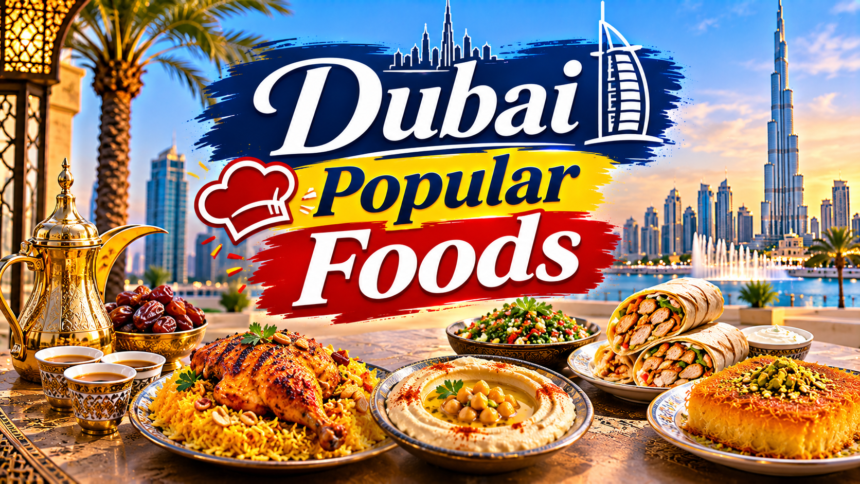
15 Dubai Popular Foods Must-Try Traditional and Famous Dishes Every Food Lover Should Experience
Dubai is one of the world’s most exciting destinations for food lovers. Known for its luxurious lifestyle, modern architecture, beautiful beaches, and vibrant tourism industry, the city is equally famous for its diverse culinary culture. Dubai’s food scene brings together traditional Emirati recipes, Middle Eastern flavours, South Asian influences, and international cuisines. From delicious street food and aromatic rice dishes to sweet desserts and freshly prepared seafood, there is something for everyone.
- Let’s explore some of the most delicious Dubai popular foods that make Dubai a memorable culinary destination:-
- 1. What Is Machboos and Why Is It a Famous Traditional Dish in Dubai?
- 2. What Is Shawarma and Why Is It So Popular in Dubai?
- 3. Why Is Al Harees Considered an Important Emirati Food?
- 4. What Is Luqaimat and Why Do People Love This Emirati Dessert?
- 5. What Makes Madrouba a Special Traditional Food in Dubai?
- 6. Why Is Al Machboos Samak a Favourite Among Seafood Lovers?
- 7. What Is Manakish and Why Is It a Popular Breakfast Choice?
- 8. Why Is Falafel One of Dubai’s Most Popular Vegetarian Foods?
- 9. What Is Hummus and How Is It Enjoyed in Dubai?
- 10. Why Is Mandi a Must-Try Rice Dish in Dubai?
- 11. What Is Camel Meat and Is It Part of Traditional Emirati Cuisine?
- 12. Why Is Knafeh One of the Most Famous Middle Eastern Desserts in Dubai?
- 13. What Is Balaleet and Why Is It a Traditional Emirati Breakfast?
- 14. What Makes Dubai’s Grilled Kebabs So Popular?
- 15. Why Are Dates and Arabic Coffee Important in Dubai’s Food Culture?
- Where Can You Find the Best Traditional and Popular Foods in Dubai?
- What Are the Best Popular Foods in Dubai for Vegetarians?
- What Are the Best Foods to Try in Dubai on a Budget?
- How Has Dubai’s Multicultural Population Influenced Its Food Culture?
- What Is the Best Time to Explore Dubai’s Food Scene?
The food culture of Dubai reflects its fascinating history as a trading port and its position as a global travel destination. Traditional Emirati dishes showcase the region’s heritage, while restaurants and food markets introduce visitors to flavours from around the world. Whether you are visiting Dubai for the first time or living in the city, exploring its popular foods is an excellent way to experience its culture.
But what are the most popular foods in Dubai? Which traditional dishes should visitors try? And where do the city’s famous flavors come from?
Let’s explore some of the most delicious Dubai popular foods that make Dubai a memorable culinary destination:-
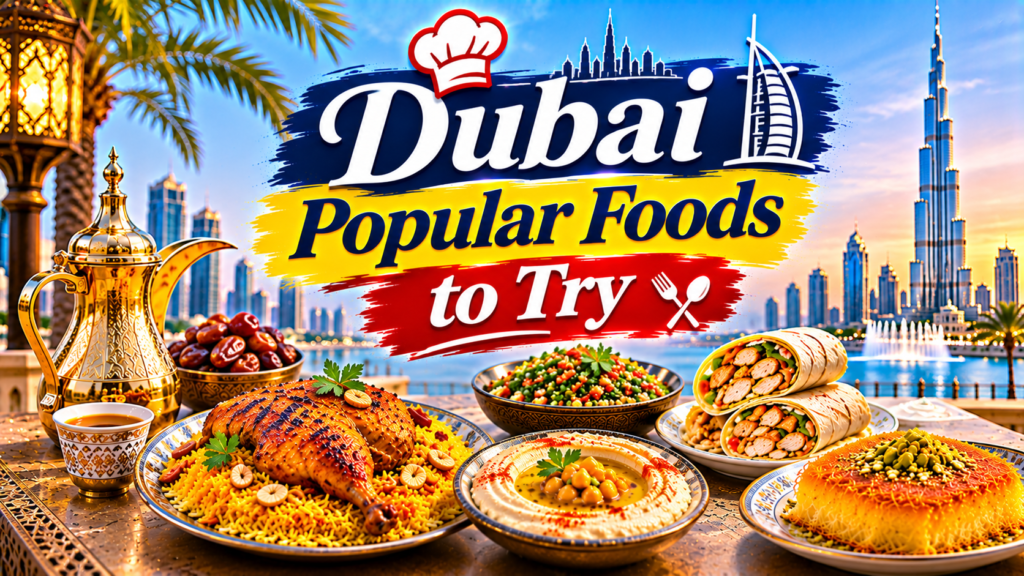
1. What Is Machboos and Why Is It a Famous Traditional Dish in Dubai?
Machboos, also known as Majboos, is one of the most popular traditional dishes in the United Arab Emirates. It is a flavourful rice-based meal prepared with meat, chicken, or seafood, along with aromatic spices. The dish is particularly popular in Emirati households and is often served during family gatherings, celebrations, and special occasions.
Machboos gets its distinctive taste from a combination of spices, including cardamom, cinnamon, cloves, black lime, turmeric, and dried coriander. The ingredients are slowly cooked together, allowing the rice to absorb the rich flavours of the meat and spices.
The dish is generally served with fresh salad, yoghurt, or a spicy tomato sauce.
Why should you try Machboos?
- It represents traditional Emirati cooking.
- It offers a rich combination of spices and flavours.
- It is available in chicken, lamb, and seafood varieties.
- It is a popular choice for family meals and celebrations.
For anyone interested in discovering authentic Dubai cuisine, Machboos is an excellent starting point.
2. What Is Shawarma and Why Is It So Popular in Dubai?
Shawarma is one of the most recognisable and widely enjoyed street foods in Dubai. Although it originated in the wider Middle Eastern region, it has become an essential part of the city’s everyday food culture.
Shawarma is prepared using thin slices of marinated chicken, beef, or lamb cooked on a rotating vertical spit. The meat is slowly roasted until tender and flavourful before being sliced and wrapped in Arabic bread or flatbread.
A traditional shawarma wrap may include garlic sauce, pickles, fresh vegetables, and sometimes French fries. Chicken shawarma is particularly popular, while beef and lamb versions are also widely available.
What makes Dubai shawarma special?
- Freshly roasted and seasoned meat.
- Delicious garlic sauce and traditional marinades.
- Affordable options at many local restaurants.
- A convenient meal for people exploring the city.
Shawarma is perfect for lunch, dinner, or a quick snack. Its delicious flavour and convenience make it one of Dubai’s most popular street foods.
3. Why Is Al Harees Considered an Important Emirati Food?
Al Harees is a traditional Emirati dish with deep cultural significance. It is commonly prepared during Ramadan, Eid celebrations, weddings, and other important family occasions.
The dish is made using wheat, meat, and salt. These ingredients are slowly cooked together for several hours until they develop a soft, smooth, porridge-like consistency. The long cooking process allows the flavours to blend naturally.
Traditionally, Al Harees is prepared in large quantities and shared among family members and guests. It is often finished with melted ghee, which gives it a rich flavour.
Interesting facts about Al Harees:
- It is one of the oldest traditional dishes in Emirati cuisine.
- It represents hospitality and togetherness.
- It is commonly served during religious and cultural celebrations.
- It has a simple ingredient list but requires considerable preparation time.
Al Harees is more than just food; it represents the traditions, generosity, and cultural identity of the UAE.
4. What Is Luqaimat and Why Do People Love This Emirati Dessert?
Luqaimat is one of the most famous traditional desserts in Dubai. These small, round, golden-brown dumplings are crispy on the outside and soft on the inside. They are usually drizzled with date syrup or honey and sprinkled with sesame seeds.
The dessert is especially popular during Ramadan and is frequently served at traditional gatherings, restaurants, and cultural festivals.
Luqaimat is made from a simple batter containing flour, yeast, sugar, and other basic ingredients. The batter is deep-fried in small portions until golden and crispy.
Why is Luqaimat so popular?
- Its crispy exterior and soft centre create a delicious texture.
- Date syrup provides a naturally sweet flavour.
- It is closely associated with Emirati hospitality.
- It is served fresh at many traditional food outlets.
Visitors looking to experience authentic Emirati sweets should definitely add Luqaimat to their Dubai food list.
5. What Makes Madrouba a Special Traditional Food in Dubai?
Madrouba is another traditional Emirati dish that deserves attention. Its name comes from an Arabic word associated with beating or pounding, which describes the preparation process.
The dish is usually prepared with rice, chicken or fish, yoghurt, and a mixture of spices. The ingredients are cooked slowly and stirred or mashed until they form a thick, creamy consistency.
Madrouba is particularly comforting and is often enjoyed as a filling meal. Its smooth texture and mild yet aromatic flavours make it suitable for people who prefer less spicy food.
Popular features of Madrouba include:
- A soft and creamy consistency.
- A combination of rice, meat, and spices.
- A comforting traditional flavour.
- Different regional and household variations.
Madrouba offers visitors an opportunity to explore a less familiar but important part of Emirati culinary heritage.
6. Why Is Al Machboos Samak a Favourite Among Seafood Lovers?
Dubai’s coastal location has played an important role in shaping its traditional food culture. Seafood has historically been a major part of the local diet, and fish-based rice dishes remain popular.
Al Machboos Samak is a traditional seafood preparation featuring fish cooked with seasoned rice and aromatic spices. Depending on the recipe, the fish may be grilled, fried, or cooked with the rice.
Popular fish varieties include locally available seafood such as kingfish and other regional varieties.
The combination of fragrant rice, tender fish, and spices creates a satisfying meal that reflects the UAE’s maritime heritage.
What makes this dish worth trying?
- It highlights the importance of seafood in Emirati cuisine.
- It combines traditional spices with fresh fish.
- It offers an alternative to meat-based rice dishes.
- It is ideal for people who enjoy Middle Eastern seafood recipes.
7. What Is Manakish and Why Is It a Popular Breakfast Choice?
Manakish is a popular Middle Eastern flatbread that can be enjoyed for breakfast, lunch, or as a snack. It is widely available in Dubai’s bakeries, cafes, and Lebanese restaurants.
The bread is traditionally topped with za’atar, a mixture of herbs, sesame seeds, and spices combined with olive oil. Other popular toppings include cheese, minced meat, and vegetables.
Manakish is baked until the bread becomes soft and slightly crispy around the edges.
Popular varieties include:
- Za’atar Manakish: Prepared with traditional herb seasoning.
- Cheese Manakish: Topped with melted cheese.
- Meat Manakish: Prepared with seasoned minced meat.
- Vegetable Manakish: Made with fresh vegetables and herbs.
Its simple preparation and delicious flavours make Manakish a favourite among residents and visitors.
8. Why Is Falafel One of Dubai’s Most Popular Vegetarian Foods?
Falafel is a famous Middle Eastern vegetarian food made primarily from ground chickpeas or fava beans mixed with herbs, garlic, onions, and spices.
The mixture is shaped into small balls or patties and deep-fried until crispy on the outside and soft inside. Falafel is commonly served inside pita bread with hummus, tahini sauce, pickles, and fresh vegetables.
Dubai’s diverse restaurant culture makes it easy to find falafel in traditional eateries, cafes, and street-food outlets.
Why do people enjoy falafel?
- It is a popular plant-based food.
- It offers a satisfying combination of crunch and flavour.
- It can be served as a sandwich or a side dish.
- It pairs well with hummus and fresh salads.
For vegetarian travellers, falafel is one of the easiest and tastiest foods to discover in Dubai.
9. What Is Hummus and How Is It Enjoyed in Dubai?
Hummus is a creamy Middle Eastern dip made from chickpeas, tahini, lemon juice, garlic, and olive oil. It is one of the most widely recognised dishes across the region and is a common feature of dining tables in Dubai.
The ingredients are blended until smooth, creating a creamy texture and a balanced combination of nutty, tangy, and savoury flavours.
Hummus is usually served with Arabic bread, pita, grilled meat, falafel, or fresh vegetables.
Some restaurants offer different variations, including hummus topped with whole chickpeas, pine nuts, mushrooms, or spiced meat.
Hummus is an excellent choice for people who enjoy simple, flavourful, and vegetarian-friendly Middle Eastern food.
10. Why Is Mandi a Must-Try Rice Dish in Dubai?
Mandi is a popular Arabian rice dish that has become a favourite across Dubai. Originally associated with Yemen, it is widely enjoyed throughout the Arabian Peninsula.
The dish traditionally consists of fragrant rice served with tender chicken or lamb. The meat is slow-cooked using a special technique that gives it a soft texture and distinctive smoky flavour.
Mandi rice is prepared with spices such as cardamom, cinnamon, cloves, black pepper, and other aromatic ingredients. It is often served on a large shared platter, making it ideal for family meals and group dining.
What makes Mandi special?
- Tender, slow-cooked meat.
- Fragrant and flavourful rice.
- Traditional Arabian cooking techniques.
- Generous portions suitable for sharing.
Mandi is one of the best dishes to try when exploring Dubai’s Arabian restaurant scene.
11. What Is Camel Meat and Is It Part of Traditional Emirati Cuisine?
Camel meat has historical importance in the food traditions of the Arabian Peninsula. In earlier times, camels played an essential role in transportation, trade, and survival in the desert environment.
Today, camel meat can be found in selected restaurants and traditional dining establishments in Dubai. It is prepared in several ways, including grilled dishes, burgers, and slow-cooked meals.
Camel meat has a distinctive flavor and is generally leaner than some conventional red meats, although its nutritional composition depends on the cut and preparation.
Popular camel meat preparations include:
- Camel meat burgers.
- Grilled camel meat.
- Camel meat stews.
- Traditional rice dishes with camel meat.
For adventurous food lovers, trying camel meat can provide an interesting insight into the region’s culinary history.
12. Why Is Knafeh One of the Most Famous Middle Eastern Desserts in Dubai?
Knafeh, also known as Kunafa, is a much-loved Middle Eastern dessert that is popular in Dubai’s restaurants and sweet shops.
It is traditionally prepared using shredded pastry or fine semolina dough layered with soft cheese or cream. The dessert is baked until golden and crispy before being soaked in sweet sugar syrup, often flavoured with rose water or orange blossom water.
Crushed pistachios are commonly added as a topping, giving the dessert an attractive appearance and nutty flavour.
Knafeh is particularly popular during celebrations, family gatherings, and festive occasions.
Why should dessert lovers try Knafeh?
- It combines crispy pastry with a soft filling.
- It offers a rich and sweet flavour.
- It is often served warm.
- It reflects the wider Middle Eastern dessert tradition.
13. What Is Balaleet and Why Is It a Traditional Emirati Breakfast?
Balaleet is a distinctive traditional Emirati breakfast dish that combines sweet vermicelli noodles with eggs.
The vermicelli is cooked with sugar, cardamom, saffron, and sometimes rose water. A thin omelette or scrambled egg preparation is then served on top or alongside the sweet noodles.
The combination of sweet and savoury flavours makes Balaleet different from many conventional breakfast dishes.
It is particularly associated with Emirati households and is often enjoyed during special occasions and festive mornings.
Balaleet is a wonderful option for visitors who want to discover authentic local breakfast traditions.
14. What Makes Dubai’s Grilled Kebabs So Popular?
Kebabs are among the most widely enjoyed foods in Dubai. Influenced by Turkish, Persian, Levantine, and South Asian culinary traditions, kebabs are available in countless varieties throughout the city.
They are generally prepared using marinated meat, which is grilled over charcoal or cooked using other traditional techniques.
Popular varieties include:
- Shish Kebab: Pieces of marinated meat grilled on skewers.
- Seekh Kebab: Minced meat mixed with herbs and spices.
- Chicken Tikka: Marinated chicken cooked in a tandoor or grill.
- Lamb Kebab: Tender lamb prepared with aromatic seasonings.
Kebabs are commonly served with Arabic bread, rice, grilled vegetables, salads, and sauces.
Their rich flavours and variety make them a popular choice for both residents and tourists.
15. Why Are Dates and Arabic Coffee Important in Dubai’s Food Culture?
Dates and Arabic coffee are deeply connected to Emirati hospitality and traditional customs.
Dates have been an important food in the Arabian Peninsula for centuries. They are naturally sweet, provide energy, and are commonly served to guests during visits and celebrations.
Arabic coffee, known as Gahwa, is traditionally prepared using lightly roasted coffee beans flavoured with cardamom. Some regional preparations also include saffron or other spices.
Coffee is usually served in small cups and offered alongside dates.
Why are dates and Arabic coffee culturally important?
- They represent generosity and hospitality.
- They are traditionally offered to visitors.
- They are important during celebrations and social gatherings.
- They reflect the heritage of Emirati culture.
Enjoying Arabic coffee with dates is one of the simplest ways to experience traditional Emirati hospitality.
Where Can You Find the Best Traditional and Popular Foods in Dubai?
Dubai offers an incredible variety of dining experiences, from traditional restaurants to modern cafes and lively street-food outlets.
Visitors interested in exploring local cuisine can discover different food experiences across several neighbourhoods.
Some popular areas to explore include:
1. Old Dubai and Deira
These historic neighbourhoods offer traditional restaurants, local eateries, and a glimpse into Dubai’s older food culture. Visitors can explore authentic Middle Eastern dishes and discover the city’s culinary heritage.
2. Bur Dubai
Bur Dubai is known for its multicultural food scene. Visitors can find Indian, Pakistani, Iranian, Arabic, and other international cuisines in its restaurants and casual dining establishments.
3. Al Fahidi Historical Neighbourhood
This area is ideal for experiencing the traditional atmosphere of Dubai. Visitors can explore Emirati cultural experiences, traditional refreshments, and heritage-inspired dining.
4. Dubai Marina
Dubai Marina offers modern restaurants, waterfront dining, and international food choices. It is a good destination for visitors interested in contemporary dining experiences.
5. Global Village
During its seasonal operating period, Global Village provides an opportunity to explore international street food, traditional snacks, and regional specialities from different countries.
What Are the Best Popular Foods in Dubai for Vegetarians?
Dubai is a welcoming destination for vegetarian food lovers. Its multicultural population and diverse restaurant industry provide plenty of meat-free choices.
Some popular vegetarian dishes include:
- Falafel: Crispy chickpea or fava bean patties.
- Hummus: Creamy chickpea dip served with bread.
- Fattoush: Fresh salad prepared with vegetables and toasted bread.
- Tabbouleh: A refreshing salad made with parsley, tomatoes, bulgur, and lemon.
- Manakish with Za’atar: Traditional flatbread topped with herbs and olive oil.
- Vegetable Biryani: A flavourful rice dish influenced by South Asian cuisine.
- Luqaimat: Traditional sweet dumplings.
Vegetarian travellers should still check ingredients and preparation methods, as some dishes may contain animal-based stock, dairy products, or other non-vegetarian ingredients.
What Are the Best Foods to Try in Dubai on a Budget?
Dubai has a reputation for luxury dining, but visitors do not need a large budget to enjoy its delicious food culture.
The city offers numerous affordable restaurants, bakeries, cafeterias, and street-food outlets where visitors can enjoy flavourful meals.
Some budget-friendly choices include:
- Chicken shawarma wraps.
- Falafel sandwiches.
- Hummus with Arabic bread.
- Manakish.
- Samosas and other regional snacks.
- Affordable rice meals.
- Fresh juices and traditional refreshments.
Local neighbourhoods such as Deira and Bur Dubai are worth exploring for affordable multicultural dining options.
How Has Dubai’s Multicultural Population Influenced Its Food Culture?
Dubai’s food culture is closely connected to its international population. People from India, Pakistan, Lebanon, Egypt, Iran, the Philippines, Europe, and many other regions have contributed to the city’s culinary diversity.
As a result, visitors can experience traditional Emirati food alongside a wide selection of international cuisines.
Indian biryani, Pakistani kebabs, Lebanese mezze, Persian rice dishes, Filipino specialities, and European desserts are all part of Dubai’s wider food landscape.
This diversity has transformed Dubai into a major global food destination where traditional recipes and modern cooking styles come together.
The city’s restaurants also combine different culinary influences to create innovative dining experiences that appeal to international visitors.
What Is the Best Time to Explore Dubai’s Food Scene?
Dubai’s food scene can be explored throughout the year, but the experience may vary depending on the season and local events.
The cooler months, generally from November to March, are particularly enjoyable for outdoor dining, food festivals, and exploring traditional markets.
Ramadan is another special period for experiencing food traditions. Many restaurants and hotels offer Iftar meals after sunset, featuring dates, Arabic coffee, soups, rice dishes, grilled meats, and traditional desserts.
Food lovers can also explore seasonal events and outdoor dining experiences during Dubai’s cooler months.
Visitors should check restaurant timings during Ramadan and public holidays because operating hours may change.
Conclusion: Why Should Every Food Lover Explore Dubai’s Popular Foods?
Dubai is much more than a destination for luxury shopping, impressive skyscrapers, and unforgettable attractions. It is also a fascinating culinary destination where traditional Emirati recipes meet international flavours.
From Machboos, Al Harees, and Madrouba to Shawarma, Mandi, Falafel, and Knafeh, the city’s popular foods offer something for every taste and preference.
Traditional dishes provide a connection to the UAE’s history and cultural identity, while international street food and modern restaurants showcase Dubai’s multicultural character.
Whether you enjoy aromatic rice dishes, grilled meats, vegetarian snacks, fresh seafood, or traditional desserts, exploring Dubai’s food scene can make your visit even more memorable.
The next time you visit Dubai, take the opportunity to discover its famous local dishes, explore traditional food neighborhoods, and enjoy the flavors that make this city a remarkable destination for food lovers.
Do follow us on Instagram
Read More – Popular Dubai Foods Everyone Should Need To Try