



Global Food Trends 2026: How Food Habits Are Changing Around the World
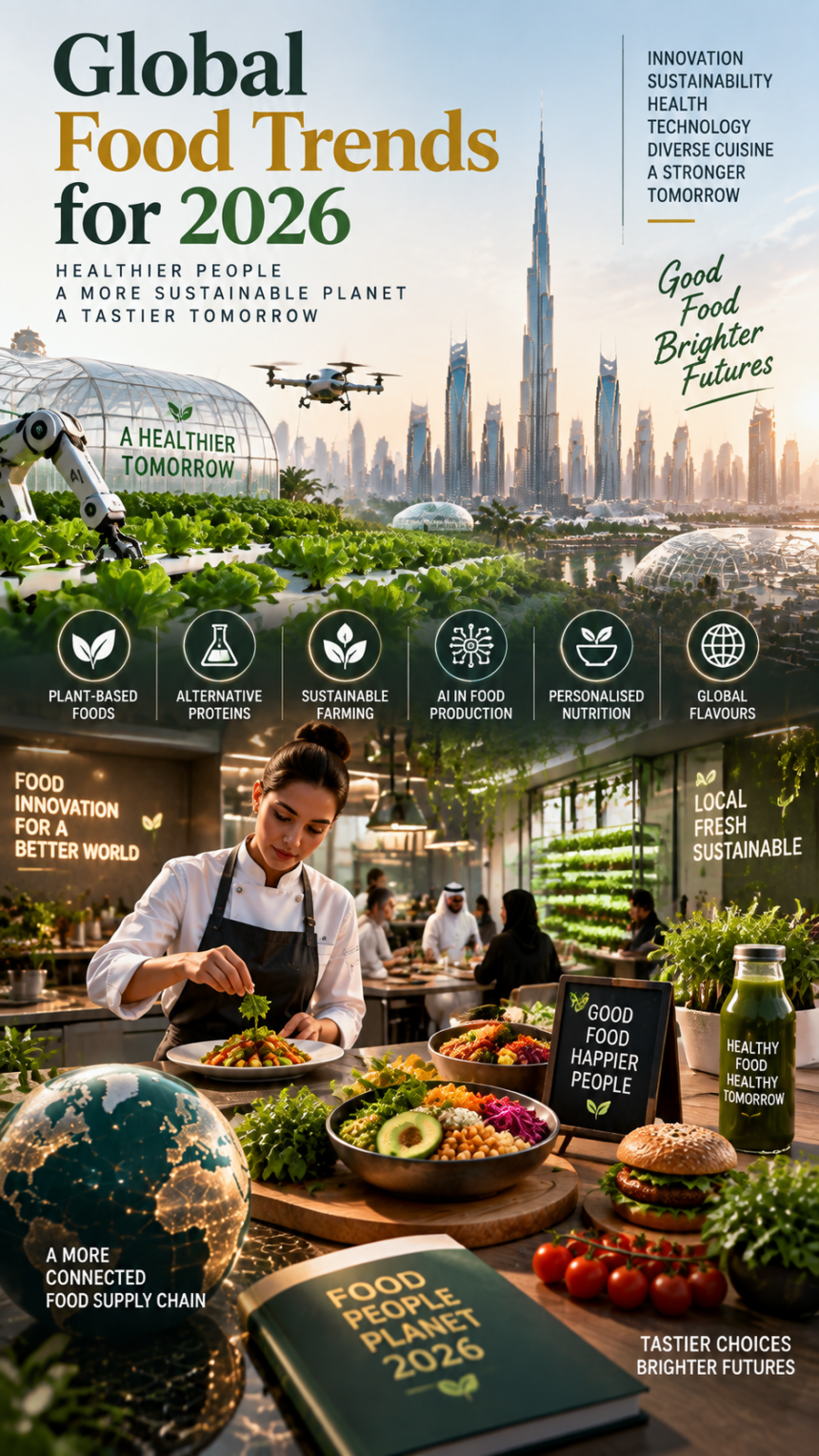
Global food trends 2026 show a major shift in the way people think about eating, health, sustainability and convenience. Food is no longer only about taste and availability. Consumers are increasingly looking for products that support personal health, reflect their values and fit into faster digital lifestyles.
- The Biggest Global Food Trends for 2026
- Personalised Nutrition Is Becoming a Major Food Movement
- Functional Foods Are Moving Into the Mainstream
- AI Is Changing How Food Is Created and Produced
- Sustainable Food Choices Are Becoming More Important
- Plant-Based Food Is Entering a New Phase
- Alternative Proteins Are Expanding Beyond Meat Alternatives
- Traditional Foods Are Making a Comeback
- Convenience Food Is Becoming Smarter
- Food Delivery and Digital Grocery Shopping Continue Growing
- Smart Farming Is Supporting Future Food Production
- Food Waste Reduction Is Becoming a Global Priority
- The Rise of Premium Food Experiences
- Health and Wellness Are Changing Beverage Trends
- Social Media Is Influencing Food Choices
- How Global Food Trends Compare Across Regions
- Challenges Facing the Future Food Industry
- What the Future of Food Could Look Like After 2026
- Quick Takeaway: Biggest Global Food Trends 2026
- Global Food Trends 2026 Are Redefining the Way People Eat
The food industry is entering a period where technology, nutrition science and changing consumer expectations are coming together. From AI-powered food development to personalised nutrition plans, companies are redesigning products around individual needs rather than one-size-fits-all solutions.
At the same time, global challenges such as climate change, supply-chain uncertainty and rising costs are influencing what people buy and how companies produce food. Reports from organisations including FAO and WHO continue to highlight the importance of making healthy diets more accessible while building stronger food systems.
Food trends in 2026 are therefore shaped by two major questions:
How can food become healthier for people?
And how can food systems become more sustainable for the planet?
The Biggest Global Food Trends for 2026
The food industry is seeing multiple changes happening at the same time. Some trends focus on health, while others are driven by technology, sustainability or changing lifestyles.
| Trend | What Is Driving It |
|---|---|
| Personalised nutrition | Consumers want diets based on individual needs |
| AI in food production | Companies are using technology for innovation |
| Sustainable ingredients | Growing environmental awareness |
| Functional foods | Demand for food with health benefits |
| Plant-based evolution | Search for alternative proteins |
| Smart farming | Need for efficient food production |
| Digital food shopping | Growth of online grocery platforms |
| Traditional ingredients | Interest in heritage and natural foods |
| Premium experiences | Consumers seeking emotional connections with food |
| Reduced food waste | Focus on efficiency and sustainability |
Food companies are no longer competing only on flavour and price. They are competing on purpose, transparency and the overall experience.
Personalised Nutrition Is Becoming a Major Food Movement
One of the biggest shifts in 2026 is the move toward personalised eating.
Instead of recommending the same diet for everyone, companies are developing products and services based on individual goals, lifestyles and health requirements.
Technology is helping this change through:
- Health tracking devices
- Nutrition apps
- Genetic insights
- AI recommendations
- Digital wellness platforms
A person interested in fitness may look for high-protein foods, while another consumer may focus on digestive health, energy levels or specific nutritional needs.
Traditional Nutrition vs Personalised Nutrition
| Traditional Approach | Personalised Approach |
|---|---|
| General diet recommendations | Individual food plans |
| Same products for everyone | Customised solutions |
| Limited personal data | Uses health information |
| Broad nutrition goals | Specific lifestyle targets |
This trend reflects a larger movement where consumers expect products and services to understand their personal preferences.
Functional Foods Are Moving Into the Mainstream
Functional foods are becoming one of the fastest-growing categories globally.
These products are designed to provide benefits beyond basic nutrition.
Examples include:
- Foods with added protein
- Probiotic products
- Vitamin-enriched drinks
- Foods supporting gut health
- Ingredients linked with energy or immunity
Consumers increasingly want food that fits into their wellness goals.
A snack is no longer only a snack. It may also be viewed as a source of protein, energy or nutritional support.
Popular Functional Food Categories
| Category | Consumer Interest |
|---|---|
| Protein products | Fitness and active lifestyles |
| Gut-health foods | Digestive wellness |
| Adaptogenic ingredients | Stress management interest |
| Fortified beverages | Convenient nutrition |
| Omega-rich foods | Long-term health focus |
The growth of functional foods shows how the line between food and wellness products is becoming less clear.
AI Is Changing How Food Is Created and Produced
Artificial intelligence is becoming an important tool across the food industry.
Companies are using AI to analyse consumer preferences, develop new flavours, improve supply chains and reduce waste.
AI Applications in Food
| Area | AI Use |
|---|---|
| Product development | Predicting consumer preferences |
| Agriculture | Monitoring crops |
| Supply chains | Improving forecasting |
| Retail | Personalised recommendations |
| Restaurants | Optimising menus |
| Quality control | Detecting problems faster |
AI can help companies understand what customers want before launching new products.
It can also improve efficiency by reducing unnecessary production and improving inventory management.
Sustainable Food Choices Are Becoming More Important
Sustainability is one of the strongest forces shaping food trends in 2026.
Consumers are increasingly paying attention to where food comes from, how it is produced and what environmental impact it creates.
Food companies are responding by focusing on:
- Lower-carbon production
- Sustainable packaging
- Local sourcing
- Reduced waste
- Responsible farming
The challenge is balancing sustainability with affordability.
Consumers may support environmentally friendly products, but price remains an important factor when making everyday food decisions.
Sustainable Food Priorities
| Priority | Why It Matters |
|---|---|
| Less packaging waste | Reduces environmental impact |
| Local production | Shortens supply chains |
| Efficient farming | Uses fewer resources |
| Alternative ingredients | Reduces pressure on resources |
| Food recycling | Limits waste |
Sustainability is becoming less of a marketing message and more of a requirement for many consumers.
Plant-Based Food Is Entering a New Phase
Plant-based food has changed significantly.
Earlier growth was driven mainly by consumers looking for meat alternatives. In 2026, the category is becoming more focused on taste, nutrition and quality.
Consumers are becoming more selective.
They want plant-based products that are:
- High in protein
- Affordable
- Natural
- Good tasting
- Easy to include in daily meals
The future of plant-based food is likely to focus less on replacing every traditional food and more on offering additional choices.
Alternative Proteins Are Expanding Beyond Meat Alternatives
The search for sustainable protein sources is creating new opportunities.
Companies are exploring:
- Plant proteins
- Fermentation-based proteins
- Cultivated food technologies
- New protein ingredients
The goal is to produce nutritious food while reducing pressure on traditional agricultural systems.
However, consumer acceptance remains an important factor.
People care about taste, safety, affordability and cultural acceptance.
Technology alone cannot create a successful food trend. It must connect with everyday eating habits.
Traditional Foods Are Making a Comeback
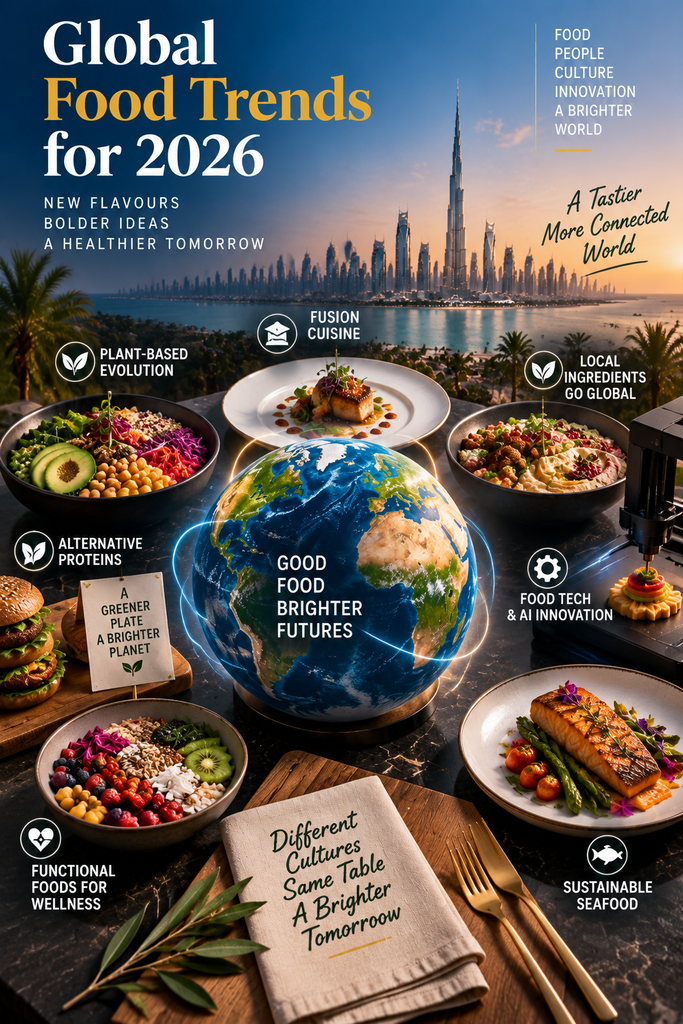
Interestingly, while technology is shaping the future of food, traditional ingredients are also becoming more popular.
Consumers are showing greater interest in foods connected with history, culture and natural preparation methods.
This includes:
- Ancient grains
- Traditional spices
- Regional recipes
- Fermented foods
- Heritage ingredients
Many consumers see traditional foods as authentic and trustworthy.
Food brands are combining old and new approaches by using traditional ingredients with modern packaging, nutrition information and convenience.
Convenience Food Is Becoming Smarter
Busy lifestyles continue to influence food choices.
However, convenience no longer simply means fast food.
Consumers increasingly want convenience combined with health.
The new generation of convenience products focuses on:
| Old Convenience | New Convenience |
|---|---|
| Quick preparation | Quick and nutritious |
| Processed options | Better ingredients |
| Limited choices | Personalised options |
| Low transparency | Clear information |
Meal kits, healthy ready-to-eat options and smart food delivery services are growing because they save time without completely compromising nutrition.
Food Delivery and Digital Grocery Shopping Continue Growing
Digital platforms have changed how people buy food.
Online grocery shopping, food delivery applications and subscription services are becoming part of normal consumer behaviour.
Technology is improving:
- Faster delivery
- Better recommendations
- Easier ordering
- Personalised offers
- Inventory management
In cities with high digital adoption, consumers increasingly expect food access to be available anytime.
This is especially important in markets such as the Gulf, Asia and major global cities where convenience plays a major role in purchasing decisions.
Smart Farming Is Supporting Future Food Production
The future of food depends not only on changing consumer habits but also on improving production.
Smart farming uses technology to increase efficiency.
Examples include:
- AI crop monitoring
- Automated irrigation
- Vertical farming
- Controlled environments
- Robotics
These methods help farmers produce more while using fewer resources.
The OECD-FAO Agricultural Outlook 2026-2035 highlights productivity improvements, technology adoption and sustainable production as important factors shaping future agriculture.
Smart Farming Benefits
| Technology | Benefit |
|---|---|
| Sensors | Better resource management |
| AI monitoring | Early problem detection |
| Automation | Reduced labour challenges |
| Controlled farming | More predictable production |
| Data analysis | Improved decision-making |
Smart farming will become increasingly important as countries face climate and resource challenges.
Food Waste Reduction Is Becoming a Global Priority
Reducing food waste is becoming one of the biggest opportunities in the food industry.
Food is lost during:
- Production
- Transportation
- Storage
- Retail
- Household consumption
Reducing waste can improve food security without requiring significantly more production.
Ways Companies Are Reducing Waste
- Better demand forecasting
- Improved storage systems
- Food donation programmes
- Sustainable packaging
- Recycling solutions
Food waste reduction is becoming both an environmental and economic priority.
The Rise of Premium Food Experiences
Consumers are increasingly looking for memorable food experiences.
This is especially visible in:
- Luxury dining
- Unique ingredients
- Chef-led concepts
- Cultural food experiences
- Experimental menus
Food is becoming connected with lifestyle and identity.
People are not only asking:
“What does this food taste like?”
They are also asking:
“Where did it come from?”
“Does it represent something meaningful?”
“Is the experience worth sharing?”
Health and Wellness Are Changing Beverage Trends
The beverage industry is experiencing major changes.
Consumers are moving away from traditional sugary drinks and exploring healthier alternatives.
Growing categories include:
- Functional beverages
- Low-sugar drinks
- Plant-based beverages
- Vitamin drinks
- Natural ingredients
The focus is shifting from simple refreshment toward wellness support.
Social Media Is Influencing Food Choices
Food discovery has become highly digital.
Platforms such as Instagram, TikTok and YouTube influence what consumers try, buy and share.
Food trends can now become global within days.
Social media influences:
- Restaurant popularity
- New product launches
- Cooking styles
- Food challenges
- Consumer expectations
For brands, digital storytelling has become almost as important as the product itself.
How Global Food Trends Compare Across Regions
| Region | Major Food Trend |
|---|---|
| GCC | Smart farming, premium dining, health-focused foods |
| North America | Functional foods and personalised nutrition |
| Europe | Sustainability and ethical production |
| Asia | Digital food services and convenience |
| Latin America | Traditional ingredients and local production |
Different regions have different priorities, but many global trends are moving in similar directions.
Challenges Facing the Future Food Industry
Despite innovation, the food sector faces several challenges.
| Challenge | Impact |
|---|---|
| Climate change | Affects production stability |
| Rising costs | Increases food prices |
| Supply-chain risks | Creates uncertainty |
| Health concerns | Changes consumer behaviour |
| Regulation | Influences new food technologies |
| Consumer trust | Determines adoption |
The future food industry will need to balance innovation with affordability and accessibility.
What the Future of Food Could Look Like After 2026
The future of food will likely become more personalised, technology-driven and sustainable.
Consumers may experience:
- AI-generated meal recommendations
- Smart kitchens
- More personalised nutrition products
- Automated food production
- Sustainable packaging
- More efficient farming systems
The biggest transformation will be that food becomes increasingly connected with technology and personal health.
Quick Takeaway: Biggest Global Food Trends 2026
The major food movements shaping 2026 include:
- Personalised nutrition.
- AI-powered food innovation.
- Sustainable production.
- Functional foods.
- Smarter farming.
- Better food-waste management.
- Digital food experiences.
- Health-focused beverages.
- Modernised traditional foods.
- Technology-driven convenience.
These trends show that the future of food is not only about what people eat, but also how food is created, delivered and experienced.
Global Food Trends 2026 Are Redefining the Way People Eat
Global food trends 2026 reflect a major transformation in the relationship between consumers, technology and food systems.
People are becoming more interested in personalised health, sustainable choices and meaningful food experiences. Companies are responding with AI-powered innovation, smarter farming methods and products designed around changing lifestyles.
At the same time, global challenges such as food affordability, climate pressure and supply-chain uncertainty continue to influence the industry. International organisations continue highlighting the need for stronger, more resilient food systems.
The future of food will not be defined by one single trend.
It will be shaped by the combination of technology, sustainability, health and human preferences.
In 2026 and beyond, food will become not only something people consume, but something increasingly connected with personal wellbeing, environmental responsibility and innovation.
Do follow us on Instagram
Read More – AI in Gulf Countries: How Artificial Intelligence Is Changing Everyday Life