




Abu Dhabi Real Estate Guide 2026: Everything You Need to Know About Buying Property
Abu Dhabi is one of the UAE’s major real estate markets, offering a wide range of residential, commercial, and investment properties. As the capital of the United Arab Emirates, the emirate combines a strong economy, established infrastructure, modern communities, waterfront developments, and a growing range of property options for residents and investors.
- Can Foreigners Buy Property in Abu Dhabi?
- What Are Investment Areas in Abu Dhabi?
- What Types of Property Can You Buy in Abu Dhabi?
- Which Are the Popular Areas for Abu Dhabi Real Estate?
- How Much Does Property Cost in Abu Dhabi?
- Is Abu Dhabi Real Estate Good for Investment?
- What Is the Abu Dhabi Property Buying Process?
- Can You Buy Property in Abu Dhabi From Outside the UAE?
- What Documents Are Needed to Buy Property in Abu Dhabi?
- What Costs Should Buyers Consider When Purchasing Abu Dhabi Property?
- Should You Buy a Ready Property or an Off-Plan Property in Abu Dhabi?
- Can You Get a Mortgage to Buy Property in Abu Dhabi?
- What Should You Check Before Buying Property in Abu Dhabi?
- What Is DARI and How Does It Help Property Buyers?
- What Is the Difference Between Freehold, Usufruct and Musataha?
- Is Abu Dhabi Property Suitable for Families?
- How Can You Choose the Right Abu Dhabi Area?
- What Mistakes Should Property Buyers Avoid in Abu Dhabi?
- How Can Investors Calculate Abu Dhabi Property Rental Returns?
- Is Abu Dhabi Real Estate Suitable for Long-Term Investment?
- What Are the Benefits of Using Official Abu Dhabi Real Estate Data?
- What Should First-Time Property Buyers Know About Abu Dhabi Real Estate?
- What Is the Future of Abu Dhabi Real Estate?
- What Is the Final Abu Dhabi Real Estate Buying Checklist?
The Abu Dhabi real estate market includes apartments, villas, townhouses, residential plots, commercial properties, offices, retail spaces, and development opportunities. Buyers can find both established communities and newer master-planned developments, allowing them to choose property according to their budget, lifestyle, and investment objectives.
For international buyers, understanding the rules governing property ownership is particularly important. Abu Dhabi permits non-UAE nationals to own and acquire real estate rights in designated investment areas, subject to applicable regulations.
This Abu Dhabi real estate guide explains the property-buying process, ownership rules, popular areas, property types, costs, financing, investment considerations, and practical tips for buyers.
Can Foreigners Buy Property in Abu Dhabi?
Yes, eligible foreign nationals can buy property in Abu Dhabi, but the location of the property is an important consideration. According to Abu Dhabi’s official DARI guidance, UAE nationals and eligible public shareholding companies can buy in both investment and development areas, while other nationalities are eligible to buy in investment areas.
Abu Dhabi’s amended property ownership legislation provides that non-UAE natural and legal persons may own and acquire principal and accessory real rights over properties located within investment areas.
Therefore, foreign buyers should verify the property’s classification before committing to a purchase.
Key points for international buyers include:
- Check whether the property is located in an eligible investment area.
- Confirm the type of ownership or real estate right being offered.
- Verify the property’s registration status.
- Review the sale agreement carefully.
- Check all applicable registration, service, financing, and transaction costs.
- Use authorised professionals where appropriate.
Because regulations and procedures can change, buyers should verify the latest requirements with the relevant Abu Dhabi authorities before completing a transaction.
What Are Investment Areas in Abu Dhabi?
Investment areas are locations in Abu Dhabi where eligible non-UAE nationals can acquire real estate rights under the applicable property ownership framework. These areas are particularly relevant to international investors and expatriates considering buying property in Abu Dhabi.
The exact eligibility of a property should always be checked before purchase. A buyer should not assume that every property in Abu Dhabi has identical ownership rules simply because it is located within the emirate.

When evaluating a property, ask:
- Is the property located in an investment area?
- What type of ownership is available?
- Is the property completed or under development?
- Is the title registered?
- Are there any restrictions or outstanding obligations?
- What government and transaction procedures apply?
What Types of Property Can You Buy in Abu Dhabi?
The Abu Dhabi property market provides several types of real estate for residential and investment purposes. The most common options include apartments, villas, townhouses, land, offices, retail units, and other commercial properties.
Apartments
Apartments are popular among residents and investors because they are available in a variety of sizes and locations. Buyers can choose from studios, one-bedroom, two-bedroom, three-bedroom, and larger apartments.
Apartments may be suitable for buyers looking for a residence as well as investors interested in rental income. However, potential buyers should consider service charges, building maintenance, community facilities, location, parking, and rental demand before purchasing.
Villas
Villas generally provide more space and privacy and are often preferred by families. Depending on the community, villas may include private gardens, parking areas, terraces, community facilities, and access to schools and retail amenities.
Townhouses
Townhouses can provide a middle ground between apartments and standalone villas. They may appeal to families and buyers seeking additional living space within a planned community.
Commercial Property
Commercial real estate includes offices, retail units, and other business-oriented properties. These investments require additional research because factors such as tenant demand, location, business activity, lease terms, operating costs, and property management can have a significant impact on performance.
Which Are the Popular Areas for Abu Dhabi Real Estate?
Abu Dhabi has several established and emerging communities, each offering different property types and lifestyles. Areas frequently considered by buyers include Al Reem Island, Yas Island, Saadiyat Island, Al Raha Beach, and other established residential communities.
Why Consider Al Reem Island?
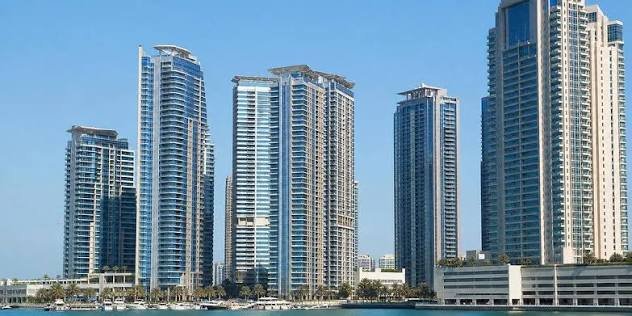
Al Reem Island is a prominent residential and mixed-use area known for high-rise apartments, waterfront surroundings, modern buildings, and proximity to central Abu Dhabi.
The area can appeal to professionals, families, and investors looking for apartment properties. Buyers should compare individual buildings rather than assessing the entire island as one market because property quality, service charges, amenities, views, and rental demand can vary.
Why Is Yas Island Popular?
Yas Island is a major leisure and entertainment destination with residential communities, hotels, attractions, retail facilities, and recreational options.
The area offers apartments, villas, and townhouses and may appeal to buyers looking for a lifestyle-oriented community. Its entertainment infrastructure can also make it relevant to investors assessing rental demand.
What Makes Saadiyat Island Attractive?
Saadiyat Island is known for its cultural, residential, beachfront, and luxury developments. It offers premium residential options and is associated with high-end apartments, villas, and waterfront properties.
Buyers considering Saadiyat Island should carefully compare property specifications, community amenities, developer reputation, location, service charges, and long-term ownership costs.
Why Consider Al Raha Beach?
Al Raha Beach is a waterfront community offering apartments, villas, and other residential properties. Its location, waterfront setting, and access to major roads make it a consideration for both residents and investors.
How Much Does Property Cost in Abu Dhabi?
There is no single Abu Dhabi property price because prices vary considerably according to location, property type, size, development, building quality, views, amenities, age, and market conditions.
For example, a studio apartment and a luxury waterfront villa will have completely different price levels. Even two apartments of the same size can have different prices depending on the building, floor, view, condition, parking, facilities, and location.
Before deciding on a property, buyers should compare:
- Price per square foot.
- Total purchase price.
- Comparable properties in the same community.
- Recent transaction information where available.
- Expected rental income.
- Service charges.
- Financing costs.
- Maintenance expenses.
- Potential resale demand.
Official DARI market information provides transaction and market data for Abu Dhabi, and the platform states that its market insight data is supplied by the Department of Municipalities and Transport and updated daily.
Is Abu Dhabi Real Estate Good for Investment?
Whether a property is suitable as an investment depends on the individual property, purchase price, financing structure, rental market, holding period, and investor objectives.
Abu Dhabi’s property market provides opportunities across different price segments, from apartments aimed at rental demand to luxury residential developments and commercial assets.
Instead of looking only at the purchase price, investors should calculate the potential overall return.
Important factors include:
- Purchase price.
- Expected annual rent.
- Vacancy periods.
- Service charges.
- Maintenance costs.
- Property management fees.
- Financing expenses.
- Registration and transaction costs.
- Potential resale value.
- Local supply and demand.
A property with a lower purchase price is not automatically a better investment. Likewise, a premium property may involve higher acquisition and operating costs. Investors should assess the complete financial picture.
What Is the Abu Dhabi Property Buying Process?
The property-buying process can vary depending on the type of property, buyer, seller, financing arrangement, and transaction structure. However, buyers typically begin by identifying their requirements and budget before selecting a suitable property.
A general buying process can include:
- Define your budget and objectives.
- Research suitable Abu Dhabi communities.
- Identify eligible properties.
- Verify ownership eligibility.
- Compare property prices.
- Conduct due diligence.
- Agree on commercial terms.
- Review and sign the relevant sale documentation.
- Arrange financing if required.
- Complete the required registration and transfer procedures.
- Receive the relevant ownership documentation.
Abu Dhabi’s DARI digital real estate ecosystem provides services for buying and selling land and units and supports various real estate transactions.
Can You Buy Property in Abu Dhabi From Outside the UAE?
Foreign buyers may be able to purchase eligible Abu Dhabi property without being physically present in the UAE for every stage of the process. DARI guidance states that an overseas buyer can buy property without an Emirates ID, although the applicable transaction requirements still need to be satisfied.
International buyers should confirm the current identification, documentation, payment, registration, and representation requirements before starting the transaction.
If a power of attorney or representative is used, buyers should ensure that the arrangement complies with the applicable legal requirements.
What Documents Are Needed to Buy Property in Abu Dhabi?
The exact documents required depend on the transaction and the buyer’s circumstances. Buyers should be prepared to provide identification and transaction-related documents requested by the relevant authorities, developer, seller, bank, or real estate professional.
Depending on the circumstances, documentation may include:
- Passport.
- Emirates ID, where applicable.
- Unified identification number, where applicable.
- Proof of payment or financing documentation.
- Sale and purchase documentation.
- Mortgage documentation, if financing is used.
- Corporate documents for company purchases.
- Power of attorney documents, where applicable.
DARI’s transaction guidance indicates that buyer information can include an Emirates ID or unified number, along with contact details and supporting documents.
What Costs Should Buyers Consider When Purchasing Abu Dhabi Property?
The purchase price is only one part of the total cost of buying real estate. Buyers should create a complete budget before signing an agreement.
Potential expenses can include:
- Property registration or transfer fees.
- Real estate agency fees, where applicable.
- Mortgage arrangement and bank-related costs.
- Valuation fees.
- Legal or professional fees.
- Developer or administrative charges, where applicable.
- Service charges.
- Insurance and maintenance costs.
- Utility-related expenses.
The exact fees depend on the transaction and should be confirmed with the relevant authority or service provider before purchase.
Should You Buy a Ready Property or an Off-Plan Property in Abu Dhabi?
Both ready and off-plan properties have different characteristics.
A ready property allows the buyer to inspect the completed unit and surrounding community before purchasing. Buyers can assess the building, facilities, view, condition, parking, and immediate surroundings.
An off-plan property is purchased before completion. Depending on the project, buyers may benefit from developer payment plans or access to new developments, but they also need to consider construction timelines, project terms, developer track record, and market conditions.
Before buying off-plan property, consider:
- Developer reputation and track record.
- Project registration and approvals.
- Payment schedule.
- Expected completion date.
- Contract terms.
- Service charges.
- Resale conditions.
- Financing arrangements.
- Exit strategy.
Can You Get a Mortgage to Buy Property in Abu Dhabi?
Mortgage financing may be available to eligible buyers through banks and financial institutions, subject to their individual lending criteria.
Mortgage eligibility can depend on factors such as income, employment, residency status, nationality, credit history, age, existing financial commitments, property value, and the bank’s lending policy.
Before selecting a mortgage, buyers should compare:
- Interest or profit rate.
- Loan-to-value requirements.
- Arrangement fees.
- Valuation charges.
- Early repayment conditions.
- Insurance requirements.
- Fixed versus variable rates.
- Total repayment amount.
Buyers should obtain financing approval and understand their borrowing capacity before committing to a property purchase.
What Should You Check Before Buying Property in Abu Dhabi?
Property due diligence is one of the most important parts of the buying process. A property may look attractive during a viewing, but buyers should investigate the legal, financial, physical, and commercial aspects before purchasing.
Important checks include:
- Confirm the seller’s ownership.
- Verify the property registration.
- Confirm that the property is eligible for the buyer.
- Check for mortgages or other encumbrances.
- Review outstanding service charges.
- Inspect the physical condition.
- Verify the size and specifications.
- Review parking arrangements.
- Examine community facilities.
- Compare similar properties.
- Review the sale agreement.
- Understand all additional charges.
Abu Dhabi’s registration framework provides that real estate rights and transfers are registered, with registration serving as evidence of ownership and related rights.
What Is DARI and How Does It Help Property Buyers?
DARI is Abu Dhabi’s digital real estate ecosystem. It brings together various real estate services and allows users to manage certain property transactions digitally.
The platform supports services related to buying, selling, ownership transfers, and other real estate processes.
DARI also provides a Market Insight dashboard for Abu Dhabi real estate data. According to its official guidance, the market data is supplied by the Department of Municipalities and Transport and is updated daily.
For buyers, using official digital resources can help provide greater visibility into transaction procedures and available market information.
What Is the Difference Between Freehold, Usufruct and Musataha?
Property ownership in Abu Dhabi can involve different types of real estate rights. Buyers should understand exactly what right they are acquiring rather than assuming that every property transaction represents the same form of ownership.
Under Abu Dhabi’s property ownership framework, non-UAE persons can acquire real estate rights in investment areas. The legal framework also addresses rights such as usufruct and musataha.
The Abu Dhabi investor guide describes several real estate investment structures, including ownership, musataha, usufruct, and long-term lease arrangements.
The terms and legal implications can differ significantly, so buyers should carefully review the specific contract and obtain professional advice where necessary.
Is Abu Dhabi Property Suitable for Families?
Abu Dhabi offers a broad selection of residential communities designed for different lifestyles. Families may consider villas, townhouses, or larger apartments depending on their budget and requirements.
When choosing a family property, buyers should consider more than the property’s interior.
Important considerations include:
- Schools and nurseries nearby.
- Healthcare facilities.
- Supermarkets and retail.
- Parks and outdoor spaces.
- Road connectivity.
- Public transport.
- Community security.
- Parking.
- Recreational facilities.
- Distance from work.
A slightly more expensive property in a convenient location can have different practical value compared with a cheaper property that requires significantly longer commuting.
How Can You Choose the Right Abu Dhabi Area?
The right location depends on your purpose for buying.
A person purchasing a home may prioritise schools, commuting time, community facilities, and lifestyle. An investor may focus more heavily on rental demand, tenant profile, property liquidity, operating costs, and potential returns.
A simple approach is to create a shortlist based on:
- Budget.
- Property type.
- Intended use.
- Preferred location.
- Required amenities.
- Expected holding period.
- Financing availability.
- Potential rental demand.
Once the shortlist is created, compare individual properties rather than making decisions solely on the reputation of a neighbourhood.
What Mistakes Should Property Buyers Avoid in Abu Dhabi?
Buying property is a significant financial decision, and rushing the process can create avoidable problems.
Some common mistakes include:
- Buying without checking ownership eligibility.
- Focusing only on the advertised price.
- Ignoring service charges.
- Failing to inspect the property.
- Not comparing similar properties.
- Overlooking the location and commute.
- Assuming projected rental income is guaranteed.
- Signing documents without understanding the terms.
- Failing to verify the property’s registration status.
- Taking on a mortgage without calculating the complete repayment cost.
- Ignoring future resale considerations.
Buyers should make decisions based on verified information rather than promotional claims.
How Can Investors Calculate Abu Dhabi Property Rental Returns?
Investors can start by calculating the gross rental yield.
The basic formula is:
Gross Rental Yield = Annual Rental Income ÷ Property Purchase Price × 100
For example, if a property costs AED 1,000,000 and generates AED 60,000 in annual rent, the gross rental yield would be 6%.
However, gross yield does not account for expenses. A more complete assessment should consider service charges, maintenance, vacancy, management fees, financing costs, and other expenses.
This means investors should examine the potential net return rather than relying only on headline rental yields.
Is Abu Dhabi Real Estate Suitable for Long-Term Investment?
Long-term property investment requires a broader perspective than short-term price movements. Investors should consider population and economic trends, infrastructure, development activity, rental demand, property supply, operating costs, and the characteristics of the individual asset.
Different properties can perform differently even within the same community. Factors such as building quality, location, views, amenities, unit layout, maintenance, and purchase price can influence rental and resale demand.
Consequently, investors should conduct property-specific research rather than assuming that the entire Abu Dhabi market will perform in the same way.
What Are the Benefits of Using Official Abu Dhabi Real Estate Data?
Official data can help buyers move beyond marketing information and examine actual market activity.
DARI’s Market Insight dashboard provides Abu Dhabi real estate transaction information and states that its data is provided directly by the Department of Municipalities and Transport and updated daily.
Buyers can use official information to investigate:
- Transaction activity.
- Market trends.
- Property locations.
- Available market information.
- Transaction-related information.
Using reliable data alongside professional advice can make property research more structured.
What Should First-Time Property Buyers Know About Abu Dhabi Real Estate?
First-time buyers should start with a realistic budget rather than beginning with a particular property.
The budget should include the purchase price as well as transaction expenses, financing costs, furnishing, maintenance, service charges, and other ownership expenses.
First-time buyers should also understand whether they are buying for personal use or investment. These two objectives can lead to different property choices.
For example, an owner-occupier may prioritise space and lifestyle, while an investor may focus on rental demand and operating costs.
The most important principle is to understand the complete financial and legal structure before committing.
What Is the Future of Abu Dhabi Real Estate?
Abu Dhabi continues to develop its residential, commercial, tourism, cultural, and infrastructure landscape. New communities and projects can create additional property choices for residents and investors.
At the same time, real estate markets can change because of interest rates, economic conditions, supply, demand, regulations, construction activity, and buyer sentiment.
Therefore, buyers should avoid assuming that past market performance will automatically continue into the future.
A long-term property strategy should be based on the individual property’s fundamentals, affordability, location, ownership structure, and intended use.
What Is the Final Abu Dhabi Real Estate Buying Checklist?
Before buying property in Abu Dhabi, use the following checklist:
- Define your purpose: home or investment.
- Establish your total budget.
- Research suitable communities.
- Confirm your eligibility to purchase.
- Verify that the property is in an eligible area.
- Compare comparable properties.
- Review transaction and ownership costs.
- Inspect the property.
- Verify ownership and registration information.
- Check mortgages or other encumbrances.
- Review service charges.
- Understand the sale agreement.
- Arrange financing if necessary.
- Use official Abu Dhabi real estate platforms where applicable.
- Complete the required registration procedures.
- Keep copies of all transaction documents.
Why Should You Research Carefully Before Buying Abu Dhabi Property?
Abu Dhabi offers a diverse real estate market with apartments, villas, townhouses, commercial properties, land, and new developments. For eligible international buyers, investment areas provide opportunities to acquire real estate rights under Abu Dhabi’s property ownership framework.
However, choosing a property requires more than comparing advertised prices. Buyers should evaluate location, property quality, ownership eligibility, transaction costs, financing, rental demand, service charges, and long-term objectives.
Official resources such as DARI can provide useful information about transactions, registration procedures, and market data.
Whether you are a first-time buyer, an expatriate looking for a home, or an investor researching the Abu Dhabi property market, careful due diligence can help you understand the opportunity and the obligations associated with property ownership.
In short, the Abu Dhabi real estate market offers a wide range of choices, but the right property depends on your budget, eligibility, objectives, preferred location, and financial strategy. Always verify current regulations, fees, and transaction requirements with the relevant Abu Dhabi authorities before completing a purchase.
Do follow us on Instagram
Read More – Real Estate Dubai Ultimate Guide