Gulf Travel Countries: Discover the Best Destinations, Attractions, Culture and Travel Experiences
The Gulf region has become one of the world’s most fascinating travel destinations, attracting millions of visitors with its modern cities, beautiful coastlines, rich cultural heritage, luxury hotels, desert landscapes, and unforgettable experiences. Located in the Middle East, the Gulf countries offer a unique combination of traditional Arabian hospitality and contemporary lifestyles. From the impressive skyscrapers of Dubai and the cultural attractions of Saudi Arabia to the peaceful beaches of Oman and the vibrant atmosphere of Qatar, every destination has something special to offer.
- Which Countries Are Included in the Gulf Region?
- Why Should You Visit the United Arab Emirates?
- What Are the Best Places to Visit in Saudi Arabia?
- Why Is Qatar Becoming a Popular Travel Destination?
- What Makes Oman Different from Other Gulf Countries?
- What Can Travellers Explore in Bahrain?
- Why Should You Include Kuwait in Your Gulf Travel Plans?
- What Are the Best Travel Experiences Available Across Gulf Countries?
- What Is the Best Time to Visit Gulf Travel Countries?
- What Should Travellers Know About Gulf Culture and Traditions?
- What Are the Most Popular Foods to Try in Gulf Countries?
- Are Gulf Countries Suitable for Family Holidays?
- How Can Travellers Plan a Budget-Friendly Gulf Holiday?
- What Travel Documents Are Required to Visit Gulf Countries?
- How Can Visitors Travel Between Gulf Countries?
- What Are the Most Important Travel Tips for Visiting Gulf Countries?
- Why Is Gulf Tourism Important for the Region’s Future?
The Gulf Cooperation Council (GCC) consists of six countries: the United Arab Emirates (UAE), Saudi Arabia, Qatar, Oman, Bahrain, and Kuwait. Each country has its own identity, traditions, natural beauty, and tourism attractions. Whether travellers are interested in luxury holidays, adventure tourism, historical exploration, shopping, family vacations, or relaxing beach experiences, the Gulf region provides a wide range of opportunities.
What makes these destinations particularly attractive is their ability to offer different travel experiences within a relatively connected region. Visitors can explore modern architecture, traditional markets, ancient forts, beautiful islands, and spectacular deserts while discovering the region’s fascinating culture.
Which Countries Are Included in the Gulf Region?
The Gulf region is commonly associated with the six GCC countries. These destinations share geographical, cultural, and economic connections while offering different experiences for international travelers.
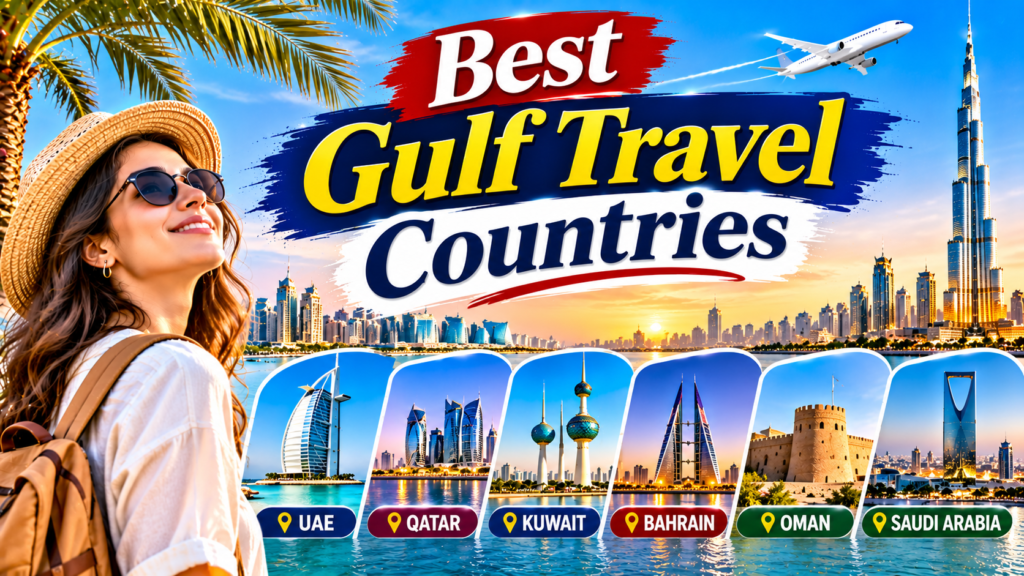
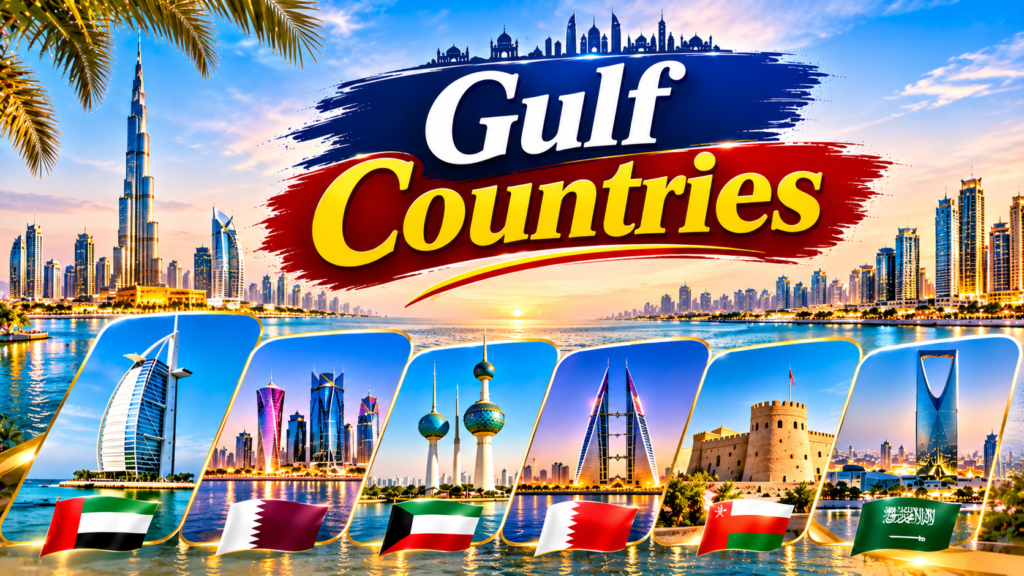
The six major Gulf travel countries include:
- United Arab Emirates: Famous for Dubai, Abu Dhabi, luxury shopping, modern architecture, and desert adventures.
- Saudi Arabia: Known for its historical cities, religious heritage, Red Sea coastline, and emerging tourism destinations.
- Qatar: Recognised for Doha’s modern skyline, cultural museums, luxury hospitality, and beautiful waterfront attractions.
- Oman: Popular for its mountains, beaches, traditional villages, deserts, and historical forts.
- Bahrain: Known for its ancient history, island attractions, cultural heritage, and modern entertainment.
- Kuwait: Offers traditional Arabian markets, waterfront attractions, museums, and contemporary urban experiences.
Together, these countries represent an exciting travel region where visitors can experience Arabian traditions alongside modern tourism facilities.
Why Should You Visit the United Arab Emirates?
The United Arab Emirates is among the most popular travel destinations in the Gulf region. Known for its luxurious lifestyle, impressive architecture, beautiful beaches, and international entertainment attractions, the UAE welcomes visitors from across the world.
Dubai and Abu Dhabi are the country’s best-known tourism destinations. Dubai attracts travellers with its remarkable skyline, shopping malls, entertainment attractions, and luxury hotels. The city is home to Burj Khalifa, one of the world’s tallest buildings, along with the famous Dubai Mall, Palm Jumeirah, and Dubai Marina.
Abu Dhabi offers a different but equally impressive travel experience. Visitors can explore the magnificent Sheikh Zayed Grand Mosque, Louvre Abu Dhabi, Qasr Al Watan, and the beautiful Corniche waterfront. The city also offers cultural experiences, family attractions, and opportunities to enjoy the Arabian desert.
Other interesting places in the UAE include:
- Sharjah: Known for museums, art, heritage, and cultural attractions.
- Ras Al Khaimah: Famous for mountain adventures, beaches, and outdoor activities.
- Fujairah: Popular for its coastline, diving opportunities, and mountain scenery.
- Ajman: Offers peaceful beaches and traditional Arabian experiences.
- Umm Al Quwain: Known for its quieter coastal atmosphere and natural attractions.
Whether visitors are looking for luxury holidays, family entertainment, shopping experiences, or outdoor adventures, the UAE offers something for almost every type of traveller.
What Are the Best Places to Visit in Saudi Arabia?
Saudi Arabia is one of the most historically and culturally significant countries in the Gulf region. In recent years, the country has been expanding its tourism industry and introducing new opportunities for international visitors.
Riyadh, the capital city, is a fascinating destination where modern architecture meets traditional Arabian heritage. Visitors can explore Kingdom Centre Tower, Masmak Fortress, the National Museum, and Diriyah, a historic area recognised for its cultural importance.
Jeddah is another popular destination, offering a beautiful Red Sea coastline, historic neighbourhoods, shopping destinations, and waterfront attractions. Al-Balad, the historic district of Jeddah, is particularly interesting because of its traditional architecture and cultural heritage.
Saudi Arabia also has remarkable natural and historical destinations, including:
- AlUla: Famous for ancient archaeological sites, desert landscapes, and the remarkable Hegra heritage site.
- Abha: Known for mountains, cooler weather, and beautiful natural scenery.
- Taif: Popular for its mountain atmosphere, rose farms, and scenic surroundings.
- Al Khobar: Offers waterfront attractions, shopping, and coastal experiences.
- NEOM region: Associated with ambitious development projects and emerging tourism destinations.
For religious travellers, Makkah and Madinah hold exceptional importance as the two holiest cities in Islam. These cities attract millions of Muslim visitors for Hajj and Umrah.
Saudi Arabia is an appealing destination for travellers interested in history, culture, architecture, nature, and religious tourism.
Why Is Qatar Becoming a Popular Travel Destination?
Qatar has established itself as an important tourism destination in the Middle East. Its modern infrastructure, cultural attractions, luxury hotels, sporting facilities, and traditional Arabian heritage make it an interesting destination for international visitors.
Doha, the capital city, is the centre of Qatar’s tourism industry. The city features a beautiful skyline, impressive museums, luxury shopping centres, and attractive waterfront areas.
One of the most famous attractions is the Museum of Islamic Art, which showcases remarkable collections of Islamic artistic heritage. The National Museum of Qatar is another important attraction, presenting the country’s history, culture, and development.
Visitors can also explore Souq Waqif, a traditional marketplace where they can discover local products, spices, handicrafts, traditional clothing, and authentic food experiences.
Other attractions worth exploring include:
- The Pearl-Qatar: A modern waterfront destination with restaurants, shopping, and beautiful marina views.
- Katara Cultural Village: A centre for art, culture, exhibitions, and entertainment.
- Lusail: A modern city featuring contemporary architecture and entertainment attractions.
- Khor Al Adaid: A remarkable inland sea surrounded by impressive sand dunes.
- Aspire Park: A popular green space for relaxation and outdoor activities.
Qatar is suitable for travellers interested in culture, shopping, sports, luxury experiences, and desert adventures.
What Makes Oman Different from Other Gulf Countries?
Oman offers a distinctive travel experience because of its natural landscapes, traditional architecture, peaceful atmosphere, and rich cultural heritage. Unlike some of the region’s highly developed urban destinations, Oman is particularly attractive to travellers who enjoy nature, outdoor activities, and historical exploration.
Muscat, the capital city, is known for its attractive coastline, traditional markets, mosques, and mountain surroundings. The Sultan Qaboos Grand Mosque is one of the country’s most impressive architectural attractions. Visitors can also explore Mutrah Souq, the Royal Opera House Muscat, and the beautiful waterfront.
Oman’s natural attractions are among its biggest tourism highlights. The country offers mountains, deserts, beaches, valleys, and traditional villages.
Some of the best places to explore in Oman include:
- Nizwa: Famous for its historic fort, traditional souq, and cultural heritage.
- Wahiba Sands: A spectacular desert destination offering camping and dune adventures.
- Wadi Shab: Known for its beautiful natural pools and dramatic canyon scenery.
- Jebel Akhdar: Popular for mountain landscapes, villages, and cooler surroundings.
- Salalah: Famous for its natural beauty and the Khareef monsoon season.
- Sur: Known for its maritime history, traditional dhow-building heritage, and coastal attractions.
Oman is an excellent choice for travellers seeking scenic road trips, adventure tourism, cultural exploration, and peaceful holidays.
What Can Travellers Explore in Bahrain?
Bahrain is a small island country with a fascinating combination of ancient history, modern attractions, traditional markets, and beautiful coastal locations. Its compact size makes it convenient for visitors who want to explore several attractions during a relatively short holiday.
Manama, the capital city, is the main centre for tourism, shopping, dining, and entertainment. Visitors can explore Bahrain National Museum, Bab Al Bahrain, and the lively Manama Souq.
One of Bahrain’s most important historical attractions is Qal’at al-Bahrain, also known as Bahrain Fort. This UNESCO World Heritage Site provides insight into the ancient Dilmun civilisation and the region’s historical trading connections.
Other attractions include:
- Al Fateh Grand Mosque: An important religious and architectural landmark.
- Bahrain National Museum: A place to discover the country’s history and cultural heritage.
- Tree of Life: A remarkable natural attraction in the desert.
- Muharraq: Known for its traditional architecture and pearl-diving heritage.
- Amwaj Islands: Popular for waterfront dining, hotels, and leisure experiences.
- Bahrain International Circuit: A major destination for motorsport enthusiasts.
Bahrain offers an enjoyable combination of history, shopping, entertainment, and island experiences.
Why Should You Include Kuwait in Your Gulf Travel Plans?
Kuwait is another interesting destination for visitors who want to discover Arabian culture, modern city life, traditional markets, and historical attractions. Although it is not always the first country travellers consider when planning a Gulf holiday, it offers several rewarding experiences.
Kuwait City is the country’s main tourism and commercial centre. Its most recognisable landmark is the Kuwait Towers, which offer impressive views of the surrounding city and coastline.
Visitors can explore the Grand Mosque, Kuwait National Museum, and the traditional Souq Al-Mubarakiya. These attractions provide opportunities to understand the country’s cultural traditions and historical development.
Some other places worth visiting include:
- The Scientific Center: An educational attraction featuring an aquarium and discovery experiences.
- Failaka Island: An island with important archaeological and historical sites.
- Al Shaheed Park: A beautiful urban park with landscaped gardens and cultural attractions.
- Tareq Rajab Museum: Known for its collections of Islamic art and cultural objects.
- Marina Crescent: A popular waterfront area featuring restaurants and leisure facilities.
Kuwait is particularly suitable for visitors interested in cultural experiences, architecture, museums, and discovering a different side of Gulf tourism.
What Are the Best Travel Experiences Available Across Gulf Countries?
One of the biggest advantages of visiting Gulf countries is the variety of experiences available throughout the region. Each country offers unique attractions, allowing travellers to enjoy different activities during their holidays.
1. Desert Safari and Adventure Tourism
Desert adventures are among the most popular experiences in the Gulf region. Visitors can explore enormous sand dunes, enjoy traditional desert camps, experience dune driving, and watch beautiful sunsets.
The UAE, Saudi Arabia, Oman, and Qatar offer several opportunities for desert tourism.
2. Luxury Hotels and Resorts
The Gulf region is internationally recognised for its luxury hospitality industry. Travellers can choose from beachfront resorts, premium city hotels, desert retreats, and exclusive accommodation experiences.
Dubai, Abu Dhabi, Doha, and Muscat are particularly popular for luxury stays.
3. Shopping and Traditional Markets
Shopping is an important part of the Gulf travel experience. Modern shopping malls offer international brands, entertainment, and restaurants, while traditional souqs provide handicrafts, spices, perfumes, jewellery, and regional products.
4. Historical and Cultural Tourism
Visitors can discover ancient forts, museums, traditional villages, archaeological sites, and historical neighbourhoods. These attractions help travellers understand the region’s heritage and cultural development.
5. Beach Holidays and Water Sports
The Arabian Gulf and the Arabian Sea offer opportunities for beach holidays, boating, diving, snorkelling, and other water-based activities. Oman and the UAE also offer access to beautiful coastal areas along the Gulf of Oman.
6. Food and Culinary Experiences
Food is an important part of travelling across the Gulf. Visitors can enjoy traditional dishes, international cuisines, local seafood, Arabian coffee, dates, and regional sweets.
What Is the Best Time to Visit Gulf Travel Countries?
Choosing the right travel season can make a significant difference to the overall holiday experience. Most Gulf countries have hot desert climates, with extremely warm summers and generally milder winters.
The period between November and March is often considered one of the most comfortable times for outdoor sightseeing in many Gulf destinations. During these months, visitors can enjoy city tours, beaches, desert activities, outdoor markets, and cultural festivals more comfortably.
Summer, generally between June and September, can bring very high temperatures, particularly in inland desert areas. However, this period may be suitable for travellers who prefer indoor attractions, shopping malls, museums, hotels, and selected resort experiences.
Oman has additional seasonal attractions. For example, Salalah experiences the Khareef season, generally from June to September, when monsoon conditions transform parts of the region into greener landscapes.
Before travelling, visitors should check local weather conditions, seasonal events, and attraction opening schedules.
What Should Travellers Know About Gulf Culture and Traditions?
Understanding local culture is an important part of enjoying a holiday in the Gulf region. Although each country has its own customs and traditions, hospitality, family values, respect, and cultural heritage are important throughout the region.
Islam plays a significant role in the social and cultural life of Gulf countries. Visitors should be respectful of religious practices, especially when visiting mosques and other religious locations.
Some useful cultural guidelines include:
- Dress modestly when visiting religious sites and traditional neighbourhoods.
- Ask permission before photographing people, particularly in sensitive settings.
- Respect local customs and religious practices.
- Follow the rules regarding public behaviour and photography.
- Observe local guidelines during Ramadan.
- Learn a few basic Arabic greetings to make interactions more welcoming.
International visitors are generally welcomed throughout the region, and learning about local traditions can make travel more meaningful.
What Are the Most Popular Foods to Try in Gulf Countries?
Gulf cuisine is an important part of the region’s cultural identity. Traditional meals often include rice, meat, seafood, spices, dates, and aromatic herbs. Each country has its own culinary specialities, although several dishes are popular across the region.
Some traditional foods worth trying include:
- Machboos: A popular rice dish prepared with spices, meat, or seafood.
- Harees: A traditional dish made using wheat and meat.
- Mandi: A fragrant rice and meat dish widely enjoyed in the Arabian Peninsula.
- Shuwa: An Omani speciality featuring slowly cooked marinated meat.
- Luqaimat: Sweet fried dumplings commonly served with syrup or date molasses.
- Balaleet: A traditional preparation combining sweet vermicelli and eggs.
- Khubz: Traditional Arabic bread served with different meals.
Visitors can discover these dishes in traditional restaurants, local markets, hotels, and family-owned food establishments.
Exploring regional cuisine is a wonderful way to understand the traditions and hospitality of Gulf communities.
Are Gulf Countries Suitable for Family Holidays?
Yes, Gulf countries offer many attractions and facilities suitable for family holidays. Modern hotels, entertainment parks, beaches, shopping centres, museums, and outdoor attractions provide activities for visitors of different age groups.
The UAE is particularly popular with families because of its theme parks, aquariums, water parks, and entertainment attractions. Qatar also offers family-friendly museums, parks, waterfront destinations, and cultural experiences.
Oman is an attractive option for families who enjoy nature, road trips, beaches, and outdoor exploration. Bahrain and Kuwait provide accessible urban attractions, museums, shopping, and leisure activities.
Saudi Arabia also offers a growing range of family-oriented tourism experiences, including historical destinations, entertainment attractions, and coastal resorts.
When planning a family holiday, visitors should consider accommodation, transportation, weather conditions, accessibility, and age-appropriate activities.
How Can Travellers Plan a Budget-Friendly Gulf Holiday?
The Gulf region offers travel experiences for different budgets. Although some destinations are famous for luxury hotels and premium shopping, visitors can also enjoy affordable accommodation, public transportation, local restaurants, and free or low-cost attractions.
Travellers can manage their holiday expenses by following a few practical tips:
- Book flights early: Comparing airline prices and booking in advance may help reduce travel costs.
- Choose accommodation carefully: Consider hotels, serviced apartments, and other suitable accommodation options.
- Use public transportation: Metro systems, buses, and other public transport services can help reduce local travel expenses.
- Explore local restaurants: Traditional eateries often offer excellent food at reasonable prices.
- Visit free attractions: Beaches, public parks, waterfront areas, and selected cultural locations can provide enjoyable experiences.
- Travel during suitable off-peak periods: Comparing seasonal hotel and flight prices can help identify better-value travel dates.
- Plan activities in advance: Researching entry fees, transport costs, and tour packages helps avoid unexpected expenses.
A well-planned itinerary can help visitors experience the best of the Gulf without spending unnecessarily.
What Travel Documents Are Required to Visit Gulf Countries?
Travel documentation requirements depend on the traveller’s nationality, destination, and purpose of travel. Many Gulf countries offer different visa arrangements, including visa-free entry for eligible nationalities, visas on arrival, and electronic visa applications.
Before booking a trip, visitors should check the official immigration or government tourism website of the country they intend to visit.
Important travel preparations may include:
- A valid passport.
- An appropriate tourist visa or entry permission, where required.
- Confirmed accommodation details.
- Return or onward travel arrangements, where applicable.
- Travel insurance, if required or recommended.
- Copies of important travel documents.
Travellers should also check passport validity requirements, entry regulations, customs rules, and any health-related travel guidance before departure.
How Can Visitors Travel Between Gulf Countries?
Travelling between Gulf countries is relatively convenient because the region has well-connected international airports and established transport networks. Major airlines operate routes connecting important cities such as Dubai, Abu Dhabi, Riyadh, Jeddah, Doha, Muscat, Manama, and Kuwait City.
Air travel is generally the most convenient option for international visitors travelling between different Gulf destinations.
Road travel is another possibility between certain neighbouring countries. However, travellers should confirm border entry requirements, vehicle documentation, insurance coverage, and visa conditions before planning an international road journey.
A multi-country Gulf holiday can include several destinations, depending on the available time and budget.
For example, a traveller might combine Dubai and Abu Dhabi in the UAE with Muscat in Oman or Doha in Qatar. Longer holidays can include Saudi Arabia, Bahrain, and Kuwait as well.
What Are the Most Important Travel Tips for Visiting Gulf Countries?
Preparing properly before travelling can make a Gulf holiday more comfortable, convenient, and enjoyable.
Here are some useful travel tips:
- Check the weather before choosing outdoor activities.
- Carry comfortable clothing suitable for the local climate.
- Respect cultural traditions and religious practices.
- Keep important travel documents accessible.
- Use licensed taxis and recognised transportation services.
- Stay hydrated, especially during warmer months.
- Compare hotel and flight prices before booking.
- Check local laws and regulations before travelling.
- Follow official travel advisories and entry requirements.
- Keep emergency contact information available.
Travellers should also understand that local regulations can differ between countries. Researching destination-specific rules before departure is always recommended.
Why Is Gulf Tourism Important for the Region’s Future?
Tourism is becoming an increasingly important part of economic development across the Gulf region. Several countries are investing in airports, hotels, entertainment facilities, cultural attractions, heritage restoration, and large-scale tourism projects.
Saudi Arabia’s tourism development initiatives, the UAE’s international hospitality industry, Qatar’s cultural and sporting attractions, Oman’s nature-based tourism, and Bahrain’s heritage destinations demonstrate the region’s growing interest in attracting international visitors.
Tourism also creates opportunities for employment, entrepreneurship, hospitality businesses, transportation services, and cultural industries.
Another important development is the growing focus on sustainable tourism. Protecting natural landscapes, preserving historical sites, supporting local communities, and promoting responsible travel can help ensure that future generations continue to enjoy the region’s attractions.
As international connectivity improves and new tourism experiences become available, Gulf countries are expected to remain important destinations for global travellers.
Conclusion: Why Should You Explore the Gulf Travel Countries?
The Gulf travel countries offer an extraordinary combination of modern attractions, traditional Arabian culture, historical landmarks, natural landscapes, luxury hospitality, and unforgettable travel experiences. From the iconic skyscrapers of the UAE and the historical treasures of Saudi Arabia to the beautiful mountains of Oman, cultural attractions of Qatar, island experiences of Bahrain, and heritage destinations of Kuwait, every country provides something different.
Whether you are planning a family holiday, a luxury vacation, a cultural journey, a desert adventure, or a short city break, the Gulf region offers a wide range of destinations to explore.
With proper planning, an understanding of local traditions, and an interest in discovering new places, travellers can enjoy memorable experiences across these fascinating countries.
As Gulf tourism continues to grow, the region offers exciting opportunities for visitors who want to discover the beauty, hospitality, culture, and diversity of the Arabian Peninsula.
Explore Gulf travel countries, discover remarkable destinations, and make your next Middle Eastern holiday an unforgettable experience.
Do follow us on Instagram
Read More – Ultimate Gulf Travel Guide