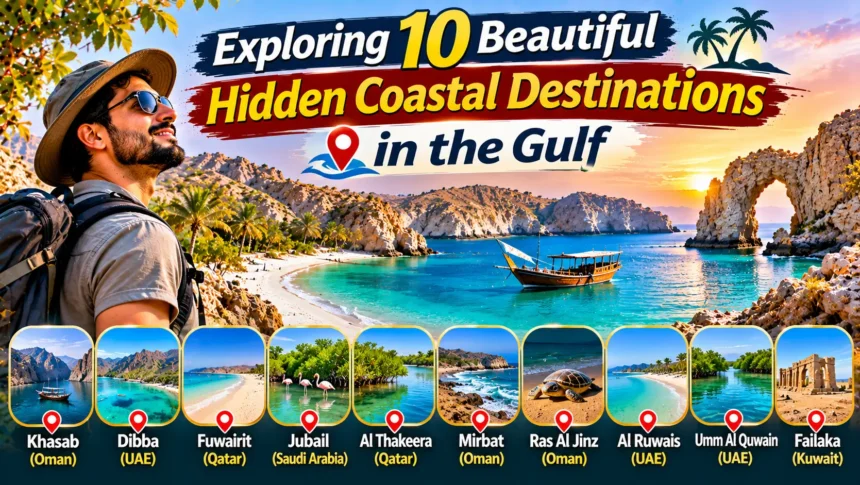
Exploring the Beautiful Hidden Coastal Destinations In the Gulf
The Gulf region is often associated with modern cities, luxury resorts, famous beaches and impressive waterfronts. However, beyond the popular tourist areas, there are many beautiful coastal places waiting to be explored. From quiet islands and hidden bays to mangrove forests and peaceful fishing villages, the Gulf offers a different kind of travel experience for people who enjoy nature and less crowded destinations.
- 1. Farasan Islands, Saudi Arabia: A Peaceful Escape in the Red Sea
- 2. Umluj, Saudi Arabia: Beautiful Islands and Clear Blue Water
- 3. Bandar Khayran, Oman: A Collection of Beautiful Coastal Bays
- 4. Daymaniyat Islands, Oman: A Natural Paradise for Snorkelling
- 5. Kalba, UAE: Mangroves, Beaches and Coastal Wildlife
- 6. Al Aqah and Snoopy Island, UAE: A Beautiful Coastal Escape in Fujairah
- 7. Purple Island, Qatar: A Quiet Island Surrounded by Mangroves
- 8. Fuwairit Beach, Qatar: White Sand and Peaceful Coastal Views
- 9. Hawar Islands, Bahrain: A Special Place for Nature and Marine Life
- 10. Failaka Island, Kuwait: Coastal Beauty with a Rich History
- Best Time to Explore Hidden Coastal Destinations in the Gulf
- Tips for Visiting Lesser-Known Coastal Destinations
- Why Hidden Coastal Destinations Are Worth Exploring
- Conclusion
- Frequently Asked Questions
The six countries of the Gulf Cooperation Council (GCC)—Bahrain, Kuwait, Oman, Qatar, Saudi Arabia and the United Arab Emirates—have coastlines with very different landscapes. Some destinations feature clear blue water and white sand, while others are known for rocky shores, coral reefs, mangroves and small islands.
Many of these places are less crowded than the region’s best-known beach destinations. They are ideal for travellers who want to enjoy a peaceful day near the sea, explore local culture, try water activities or discover the natural beauty of the Arabian Peninsula.
In this guide, we explore 10 beautiful hidden coastal destinations in the Gulf that deserve more attention. Some are quiet natural escapes, while others combine seaside views with history, wildlife and outdoor adventures.
1. Farasan Islands, Saudi Arabia: A Peaceful Escape in the Red Sea
Located 50 kilometer off the coast of Jazan in southwestern Saudi Arabia, the Farasan Islands are among the region’s most interesting coastal destinations. This group of islands is surrounded by the clear waters of the Red Sea and is known for its beaches, coral reefs, mangroves and marine life.
It Recognised as a UNESCO Biosphere Reserve, they are known for their peaceful beaches, beautiful coral reefs, mangrove forests, and interesting historical sites.
Farasan is a wonderful choice for travellers who prefer nature and quiet surroundings over busy tourist areas. Its coastal landscape includes sandy shores, rocky areas and shallow waters that create different habitats for birds and marine animals.
The islands are also important for local history and culture. Fishing has long supported communities in the area, and visitors can discover traditional coastal life while exploring the island.
Some experiences to enjoy in the Farasan Islands include:
- Exploring quiet beaches and coastal views.
- Taking boat trips around the islands.
- Discovering mangrove areas and marine habitats.
- Enjoying birdwatching and nature photography.
- Learning about local fishing traditions and island life.
The Farasan Islands are also a protected natural area with rich biodiversity, including mangroves, seagrass beds and important bird habitats. Visitors should respect conservation rules and avoid disturbing wildlife.
For travellers looking for a quieter side of Saudi Arabia, Farasan offers a refreshing coastal experience away from the country’s larger cities.
2. Umluj, Saudi Arabia: Beautiful Islands and Clear Blue Water
Umluj is a coastal destination in northwestern Saudi Arabia, along the Red Sea. It is often recognised for its white sandy beaches, clear water and nearby islands. The area is sometimes described as the Saudi Maldives because of its tropical-looking coastal scenery.
Unlike busy city beaches, Umluj offers a more relaxed atmosphere. Visitors can enjoy boat trips, explore nearby islands and spend time along the shoreline. The surrounding waters are home to coral reefs and marine life, which also make the area interesting for people who enjoy snorkelling and nature activities.
Some of the experiences visitors can enjoy include:
- Taking a boat trip to nearby islands.
- Exploring sandy beaches and quiet coastal areas.
- Snorkelling in suitable locations with local operators.
- Enjoying sunset views over the Red Sea.
- Photographing the natural coastline.
Umluj also has a connection to Saudi Arabia’s maritime history. Fishing and coastal trade have played an important role in the lives of local communities.
Umluj’s coral reefs are home to more than 300 types of hard coral and 1,200 species of fish. The area also supports sea turtles, dolphins, and dugongs.
Private fishing boat trips from Umluj marina have faced some restrictions due to coastal development and conservation efforts.
However, visitors can still explore nearby islands through approved boat tours or by staying at luxury resorts such as Shebara Resort and The St. Regis Red Sea Resort.
With its beautiful islands and natural surroundings, Umluj is an excellent choice for travellers who want to discover a different side of Saudi Arabia. Visitors should choose responsible boat operators and follow instructions around coral reefs and marine wildlife.
3. Bandar Khayran, Oman: A Collection of Beautiful Coastal Bays
Bandar Khayran, located southeast of Muscat, is one of Oman’s attractive coastal escapes. The area is known for its rocky hills, small islands, sheltered bays and clear seawater.
What makes Bandar Khayran special is the way the land and sea come together. Rocky mountains surround quiet inlets, creating beautiful views and sheltered areas that are ideal for boat trips and water activities when conditions are suitable.
Its calm and sheltered waters make it one of the best places for kayaking in Oman. Tour operators like Wave Summit offer guided kayaking and camping trips through the area’s caves and narrow waterways
It is a good destination for travellers who want to explore Oman’s coastline beyond the main city beaches. The peaceful surroundings make it especially appealing to people who enjoy nature and outdoor experiences.
Popular activities around Bandar Khayran include:
- Exploring the coastal bays by boat.
- Kayaking in suitable sheltered areas.
- Snorkelling in clear water.
- Enjoying scenic viewpoints.
- Taking photographs of the rocky coastline.
The best way to explore some of the smaller coves is with a suitable guided boat or kayaking trip. Visitors should check sea conditions before going out because wind and water conditions can change.
Boat trips from Marina Bandar Al Rowdha often give visitors a chance to see spinner and bottlenose dolphins along the coast. The boats then stop at quiet bays where visitors can enjoy swimming.
Bandar Khayran offers a beautiful combination of rocky landscapes and calm coastal scenery, making it one of the places worth including in an Oman travel plan.
4. Daymaniyat Islands, Oman: A Natural Paradise for Snorkelling
The Daymaniyat Islands are among Oman’s most beautiful marine destinations. Located off the coast near Muscat, this group of islands is known for its clear water, coral reefs, sandy beaches and marine wildlife.
The islands are especially popular with visitors interested in snorkelling and diving. Their surrounding waters support different marine species, and travellers may have opportunities to see colourful reef fish and sea turtles.
Quiet and sheltered spots like Coral Garden and Turtle Beach often have clear water, with visibility of 15 to 25 metres. This makes them great places for both beginners and experienced snorkelers to explore underwater life.
The natural environment is the main attraction here. Unlike developed beach resorts, the islands offer a more nature-focused experience. Boat trips allow visitors to enjoy the coastline, explore underwater areas and appreciate the peaceful surroundings.
Activities include:
- Snorkelling around coral reefs.
- Scuba diving with authorised operators.
- Enjoying boat trips around the islands.
- Watching marine life from a respectful distance.
- Experiencing the natural beauty of the islands.
However, the Daymaniyat Islands are a protected nature reserve, so visitors must follow official entry rules. The Environment Authority requires permits, and landing on the islands is prohibited from May to October to protect nesting wildlife. Visitors should check the latest regulations before booking a trip.
For those who enjoy the sea and marine nature, the Daymaniyat Islands offer an unforgettable experience.
5. Kalba, UAE: Mangroves, Beaches and Coastal Wildlife
Kalba is a coastal town on the eastern side of Sharjah, close to the UAE’s border with Oman. It is a lovely destination for people who enjoy natural landscapes, wildlife and peaceful seaside views.
One of Kalba’s most important attractions is Khor Kalba, which is known for its mangrove forest. These trees grow in salty coastal water and provide important habitats for birds, fish and other wildlife.
The area is different from the more developed beaches of Dubai and Abu Dhabi. Instead of large buildings and busy waterfronts, visitors can enjoy green mangroves, open water and a relaxed coastal atmosphere.
Some activities to enjoy in Kalba include:
- Kayaking through mangrove waterways.
- Watching coastal birds and other wildlife.
- Enjoying a walk along Kalba Beach Corniche.
- Visiting the Khor Kalba Mangrove Centre.
- Exploring nearby heritage attractions.
The Khor Kalba Mangrove Centre offers visitors an opportunity to learn about the area’s natural environment and its wildlife. The surrounding protected area is particularly important for birdlife and coastal habitats.
Kalba is a good destination for families, nature lovers and photographers looking for something different from the UAE’s major tourist beaches.
6. Al Aqah and Snoopy Island, UAE: A Beautiful Coastal Escape in Fujairah
Fujairah has a different coastal character from many other parts of the UAE. Located along the Gulf of Oman, its eastern coastline features beaches, rocky mountains and clear water.
Al Aqah is one of the most attractive beach areas in the emirate. It is surrounded by mountains and offers beautiful views of the sea. The nearby Snoopy Island is a popular attraction for visitors who enjoy snorkelling and water activities.
Snoopy Island gets its name from its shape, which resembles the famous cartoon character Snoopy lying down. The small rocky island is located just offshore from Al Aqah and attracts visitors interested in marine experiences.
Activities around Al Aqah include:
- Snorkelling around Snoopy Island.
- Scuba diving with local dive centres.
- Swimming in suitable beach areas.
- Enjoying mountain and sea views.
- Taking boat trips and trying water activities.
The combination of mountains, beaches and marine life makes Al Aqah a good choice for travellers who want to explore the UAE’s eastern coast.
Although Al Aqah is not completely unknown, it offers a very different atmosphere from the busy waterfront areas of Dubai and Abu Dhabi.
7. Purple Island, Qatar: A Quiet Island Surrounded by Mangroves
Purple Island, also known as Bin Ghannam Island, is located near Al Khor in northeastern Qatar. It is known for its natural beauty, mangrove vegetation, shallow water and archaeological history.
The island offers a peaceful experience for people who enjoy spending time outdoors. Its green surroundings and coastal landscape make it different from the more developed beaches around Doha.
The name Purple Island comes from its historical connection with the purple dye industry during the second millennium BC. The island was once an important centre for producing purple dye, which was associated with royalty.
Today, visitors mainly come to enjoy its natural surroundings and outdoor activities.
Things to enjoy at Purple Island include:
- Walking along the island’s natural trails.
- Exploring the mangrove surroundings.
- Kayaking in suitable waterways.
- Enjoying a family picnic.
- Taking photographs of the coastal landscape.
- Learning about the island’s history.
Purple Island is particularly attractive to nature lovers because it offers a peaceful break from the busy city environment. Visitors should avoid leaving rubbish behind and take care around the mangroves and shallow-water habitats.
8. Fuwairit Beach, Qatar: White Sand and Peaceful Coastal Views
Located in northeastern Qatar, Fuwairit Beach is one of the country’s beautiful natural coastal destinations. It is known for its soft white sand, clear water and open surroundings.
The beach is a good place for visitors who want to enjoy the sea away from the city. Its wide shoreline provides space for relaxing, walking, photography and outdoor activities.
Fuwairit is also known for water sports, especially kitesurfing, because of the wind conditions in the area. Visitors can enjoy the coastal scenery or explore activities offered by authorised local operators.
Some experiences at Fuwairit include:
- Walking along the sandy shoreline.
- Enjoying sunrise views over the sea.
- Swimming where conditions are safe.
- Trying kitesurfing with suitable guidance.
- Photographing the natural coastline.
Fuwairit is also an important nesting area for hawksbill sea turtles. During nesting season, parts of the beach may be restricted to protect turtle nests and support conservation work. Visitors should check access information before travelling and follow all instructions in protected areas.
For people looking for a peaceful coastal destination in Qatar, Fuwairit offers a lovely combination of natural beauty and outdoor experiences.
9. Hawar Islands, Bahrain: A Special Place for Nature and Marine Life
The Hawar Islands are located south of Bahrain and are known for their natural beauty, beaches and wildlife. This island group is particularly important for migratory birds and other coastal species.
The islands offer a different experience from Bahrain’s busy urban areas. Their natural surroundings make them attractive to travellers who enjoy peaceful landscapes, birdwatching and marine life.
The area is recognised as an important wildlife reserve. Visitors can enjoy its coastal setting while learning about the need to protect the islands and their surrounding environment.
Some highlights of the Hawar Islands include:
- Beautiful sandy beaches.
- Coastal and island scenery.
- Birdwatching opportunities.
- Natural habitats and marine wildlife.
- Boat journeys around the islands.
Hawar is a particularly interesting destination for people who enjoy nature photography. Its landscape and wildlife offer a different view of Bahrain beyond its shopping areas and historical attractions.
Access is generally arranged through the designated departure point at Al-Dur Jetty. Visitors should check current transport arrangements and any access requirements before planning their trip.
10. Failaka Island, Kuwait: Coastal Beauty with a Rich History
Failaka Island is located in the Arabian Gulf, around 20 kilometres from Kuwait City. It is known for its historical importance, coastal setting and archaeological sites.
The island has a long history of human settlement. Evidence of different civilisations, including the ancient Dilmun period and the Hellenistic period, has been found here.
Unlike a typical beach destination, Failaka offers a combination of coastal scenery and cultural exploration. Visitors can spend time near the sea, learn about the island’s past and discover historical remains.
Some interesting things to explore include:
- The island’s coastal views and beaches.
- Archaeological remains and historical sites.
- Local island heritage.
- Traditional fishing and maritime connections.
- The peaceful atmosphere away from Kuwait City.
Failaka is a good destination for travellers who enjoy places where nature and history come together. Ferry services operate between the mainland and the island, but visitors should confirm current schedules before travelling.
Best Time to Explore Hidden Coastal Destinations in the Gulf
The best time to explore many coastal destinations in the GCC is during the cooler months, generally between November and March. The weather is usually more comfortable for walking, sightseeing, kayaking, boat trips and outdoor dining.
However, the ideal visiting season depends on the destination and the activity.
- Winter: A comfortable time for beach walks, island visits, sightseeing and outdoor activities.
- Spring: Suitable for many coastal trips, although some wildlife areas may have seasonal restrictions.
- Summer: Temperatures can be very high, so early morning or evening activities are generally more comfortable. Some protected beaches and islands may also have access restrictions.
- Autumn: A useful period for exploring coastal destinations as temperatures begin to become more comfortable.
For destinations such as the Daymaniyat Islands and Fuwairit Beach, visitors should pay special attention to seasonal wildlife protection rules before making travel plans.
Tips for Visiting Lesser-Known Coastal Destinations
Hidden coastal destinations often have fewer facilities than major tourist beaches. Some islands and remote shorelines may not have restaurants, shops, public toilets or regular transport.
A little preparation can make the trip more comfortable.
Here are some useful travel tips:
- Check accessibility: Find out whether the destination can be reached by car, ferry or organised boat trip.
- Check local rules: Some islands and marine reserves require permits or have seasonal closures.
- Carry essentials: Bring drinking water, sunscreen, snacks and suitable footwear.
- Respect marine life: Avoid touching coral, collecting shells from protected areas or disturbing sea turtles.
- Follow safety advice: Check sea conditions before swimming, kayaking or taking a boat trip.
- Keep the coast clean: Take your rubbish with you and avoid single-use plastic where possible.
- Support local businesses: Choose local guides, boat operators and small businesses whenever possible.
These simple steps help travellers enjoy the coastline while protecting the natural environment.
Why Hidden Coastal Destinations Are Worth Exploring
The Gulf has many famous beaches and luxury resorts, but its quieter coastal destinations offer something different. They allow visitors to experience the region’s natural beauty without focusing only on shopping, hotels and crowded tourist areas.
Places such as the Farasan Islands, Bandar Khayran, Kalba and Purple Island show how varied the Gulf’s coastline can be. Some destinations are known for coral reefs and clear water, while others offer mangrove forests, birdlife, historical sites and peaceful island surroundings.
Exploring these places can also help visitors understand the importance of marine conservation. Mangroves, coral reefs, beaches and coastal wetlands provide homes for many species and support the natural balance of the region.
As interest in nature-based tourism grows, these destinations have an opportunity to welcome visitors while supporting local communities and protecting their natural surroundings.
Conclusion
The Gulf’s hidden coastal destinations offer a wonderful mix of natural beauty, history, wildlife and outdoor experiences. From Saudi Arabia’s Red Sea islands and Oman’s sheltered bays to Qatar’s mangroves, Bahrain’s Hawar Islands and Kuwait’s historic Failaka Island, every destination has something different to offer.
These places are ideal for travellers who want to discover a quieter side of the GCC. Whether it is enjoying a peaceful beach, exploring coral reefs, kayaking through mangroves or learning about an island’s history, coastal travel in the Gulf can be both relaxing and memorable.
With proper planning and responsible travel, visitors can enjoy these beautiful places while helping protect them for future generations.
Frequently Asked Questions
1. What are the most beautiful hidden coastal destinations in the Gulf?
Some beautiful lesser-known coastal destinations include the Farasan Islands in Saudi Arabia, Bandar Khayran in Oman, Kalba in the UAE, Purple Island in Qatar, Hawar Islands in Bahrain and Failaka Island in Kuwait.
2. Which GCC country has the most beautiful coastal scenery?
Each GCC country has a different coastal character. Oman is known for its rocky bays and islands, Saudi Arabia has beautiful Red Sea islands, Qatar offers mangroves and sandy beaches, and the UAE has scenic beaches along the Gulf of Oman and Arabian Gulf.
3. What is the best time to visit coastal destinations in the Gulf?
The cooler months from November to March are generally suitable for outdoor coastal activities. However, visitors should check local weather and seasonal access rules before travelling.
4. Are there islands in the Gulf that tourists can visit?
Yes. Visitors can explore places such as the Farasan Islands in Saudi Arabia, the Daymaniyat Islands in Oman, Purple Island in Qatar, Hawar Islands in Bahrain and Failaka Island in Kuwait. Access rules and transport options differ by destination.
5. Which coastal destinations in the Gulf are best for nature lovers?
The Farasan Islands, Daymaniyat Islands, Kalba mangroves, Purple Island and Hawar Islands are good choices for nature lovers. These destinations offer opportunities to learn about birds, coral reefs, mangroves and coastal wildlife.
6. How can visitors protect the Gulf’s coastal environment?
Visitors can help by avoiding littering, following protected-area rules, respecting wildlife, not touching coral reefs and using responsible boat operators. Small actions can help protect fragile coastal ecosystems.
Do follow us on Instagram
Read More – Why Desert Tourism Is Popular in the GCC