


Healthy Eating in Dubai Complete Guide to Healthy Food and a Balanced Lifestyle
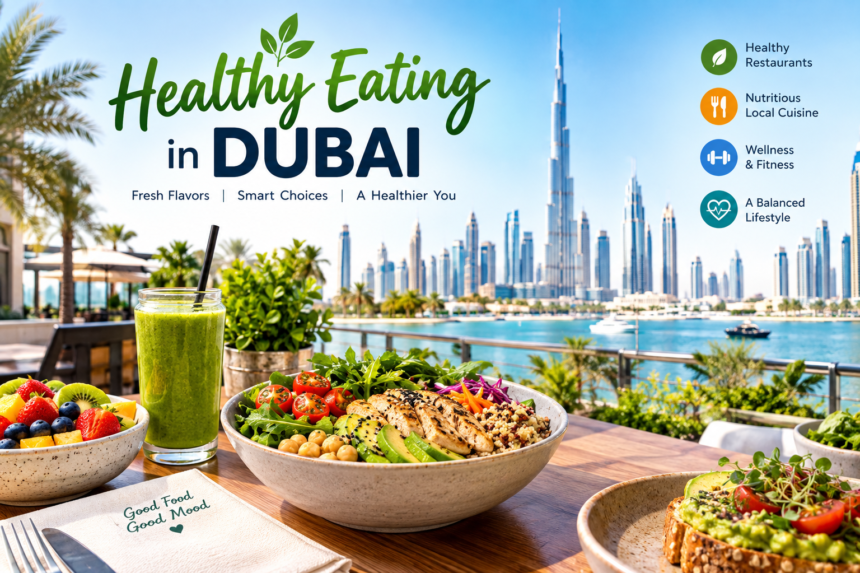
Healthy eating in Dubai means making balanced, nutritious and sustainable food choices while enjoying the city’s diverse culinary culture. Dubai is known for its international restaurants, cafés, food markets and wide variety of cuisines, which makes it possible to follow a healthy diet without giving up enjoyable meals.
- Why Is Healthy Eating Important in Dubai?
- What Are the Best Healthy Foods to Eat in Dubai?
- Can You Eat Healthy Food at Restaurants in Dubai?
- What Are Some Healthy Breakfast Ideas in Dubai?
- What Are the Best Healthy Lunch Options in Dubai?
- What Should You Eat for a Healthy Dinner in Dubai?
- How Can You Eat Healthy Emirati Food?
- Is Arabic Food Healthy?
- How Can You Stay Healthy When Eating Out Frequently in Dubai?
- What Are the Best Healthy Snacks in Dubai?
- How Important Is Hydration for Healthy Eating in Dubai?
- Are Fresh Juices Healthy in Dubai?
- How Can You Eat Healthy During Ramadan in Dubai?
- What Are the Best Healthy Eating Habits for Busy Professionals in Dubai?
- How Can Families Practice Healthy Eating in Dubai?
- Can You Follow a Vegetarian or Vegan Diet in Dubai?
- How Can You Make Healthy Food More Affordable in Dubai?
- What Common Healthy Eating Mistakes Should You Avoid?
- How Can You Create a Healthy Weekly Meal Plan in Dubai?
- What Are the Best Tips for Healthy Eating in Dubai?
- Can Healthy Eating and Dubai’s Food Culture Coexist?
- Frequently Asked Questions About Healthy Eating in Dubai
A healthy eating plan usually includes vegetables, fruits, whole grains, lean proteins, healthy fats and enough water. At the same time, it is useful to limit excessive amounts of added sugar, highly processed foods, unhealthy fats and sodium.
Because Dubai offers everything from traditional Emirati food to Mediterranean, Indian, Asian and international cuisine, people can find many options that fit different dietary preferences. Whether you are a resident, professional, student or visitor, healthy eating in Dubai can be made easier by planning meals, reading menus carefully and choosing nutrient-rich ingredients.
The goal is not to completely avoid favourite foods. Instead, healthy eating is about creating a balanced routine that provides the body with the nutrients and energy it needs.
Why Is Healthy Eating Important in Dubai?
Why should people living in or visiting Dubai pay attention to their diet? A balanced diet can support everyday energy, concentration, physical activity and general well-being.
Dubai is a fast-paced city where people often have busy work schedules, long commutes, social commitments and frequent opportunities to eat outside the home. These habits can sometimes make convenience food an easy choice.
Planning healthy meals can help create a more consistent eating routine. Meals containing vegetables, fruits, whole grains and protein can also make it easier to build a balanced diet.
Some practical reasons to focus on healthy eating include:
- Supporting everyday energy levels
- Including essential vitamins and minerals in the diet
- Supporting an active lifestyle
- Making meals more satisfying
- Developing sustainable eating habits
- Reducing dependence on highly processed foods
- Encouraging better portion awareness
Healthy eating does not have to mean following a strict diet. Small, consistent changes can make a significant difference to everyday food choices.
What Are the Best Healthy Foods to Eat in Dubai?
What foods are suitable for a healthy diet in Dubai? The answer depends on individual dietary needs, but a balanced meal can include vegetables, fruits, whole grains, legumes, lean protein and healthy sources of fat.
Fresh vegetables are an important part of a nutritious diet. Salads, grilled vegetables, vegetable soups and mixed vegetable dishes can add fibre, vitamins and minerals to meals.
Fruits can also be included as snacks, breakfast ingredients or desserts. Apples, oranges, berries, bananas, melons and other seasonal fruits can provide naturally occurring nutrients and fibre.
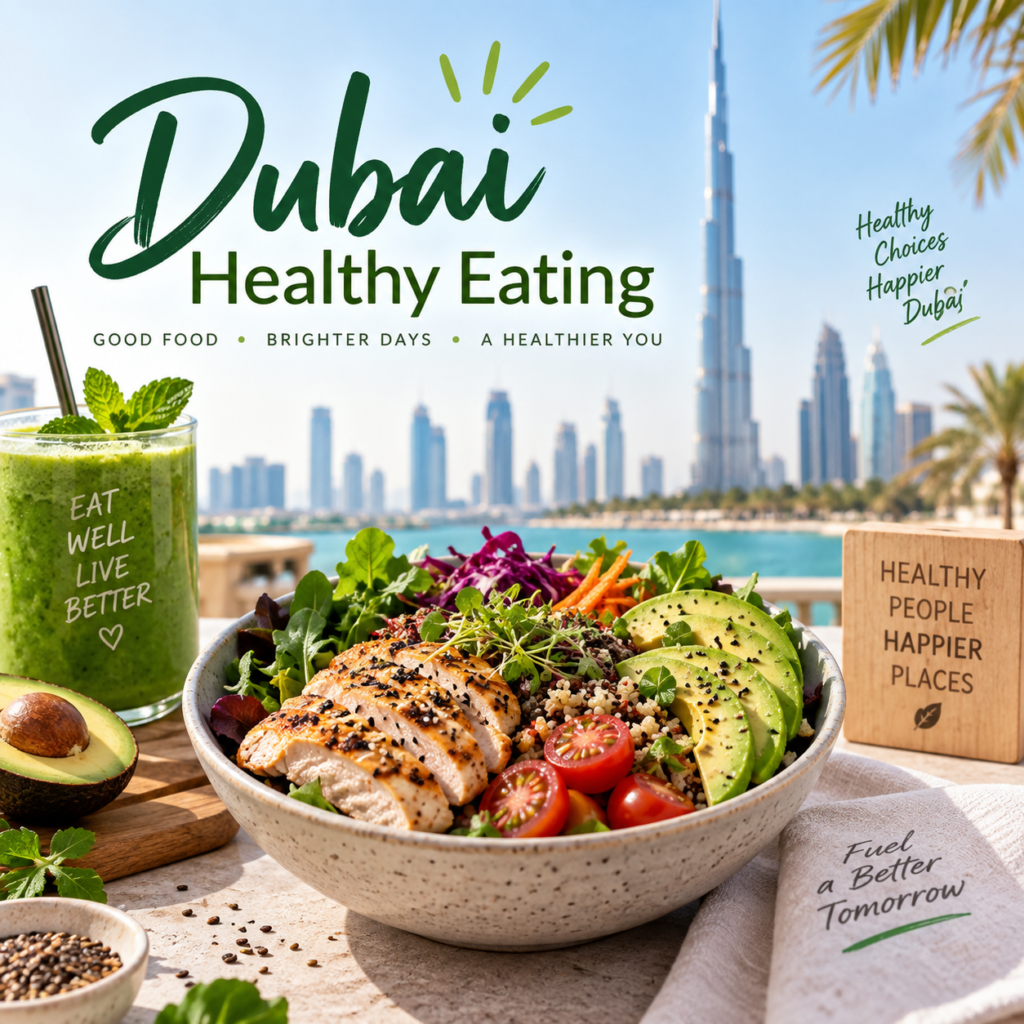
Protein sources can include:
- Fish
- Chicken
- Eggs
- Lentils
- Beans
- Chickpeas
- Greek yogurt
- Tofu
- Lean meats
Whole grains such as oats, brown rice and whole-grain bread can also be useful alternatives to more refined grain products.
Healthy fats can come from foods such as nuts, seeds, avocado and olive oil. Portion size remains important because foods containing healthy fats can still be energy-dense.
Can You Eat Healthy Food at Restaurants in Dubai?
Can you maintain healthy eating habits while dining at restaurants in Dubai? Yes. Eating out does not automatically mean abandoning a balanced diet.
Dubai has a broad restaurant scene, so diners can often find grilled, steamed, roasted or fresh food choices. The key is to look beyond attractive menu descriptions and consider how a meal is prepared.
For example, grilled fish with vegetables may be a balanced choice, while a heavily fried meal with creamy sauces may contain significantly more calories, saturated fat or sodium.
When ordering at a restaurant, consider asking for:
- Grilled or baked protein instead of fried food
- Vegetables or salad as a side
- Sauces and dressings served separately
- Whole-grain options where available
- Water instead of sugary beverages
- Fresh fruit instead of a heavy dessert
Portion sizes can also be considered. If a restaurant serves a large portion, sharing the meal or saving part for later can help avoid overeating.
What Are Some Healthy Breakfast Ideas in Dubai?
What should you eat for a healthy breakfast in Dubai? A nutritious breakfast can combine protein, fibre and healthy carbohydrates to create a satisfying start to the day.
Oatmeal topped with fruit and nuts is one simple option. Eggs with whole-grain toast and vegetables can provide protein and carbohydrates. Greek yogurt with berries, seeds and a small amount of nuts can also be a convenient breakfast.
Traditional foods can also be incorporated into a healthy breakfast when portions and preparation methods are considered.
Some breakfast ideas include:
- Oats with fresh fruit and nuts
- Eggs with vegetables and whole-grain toast
- Greek yogurt with berries and seeds
- Fruit and yogurt bowls
- Whole-grain sandwiches with eggs or lean protein
- Smoothies containing fruit, yogurt and vegetables
A healthy breakfast does not need to be complicated. Preparing ingredients in advance can make nutritious choices easier on busy mornings.
What Are the Best Healthy Lunch Options in Dubai?
What makes a healthy lunch in Dubai? A balanced lunch generally combines vegetables, protein and a suitable portion of carbohydrates.
A grilled chicken salad with vegetables and a light dressing can be one option. Grilled fish with brown rice and vegetables is another. Lentil soup combined with a salad or whole-grain bread can work well for people looking for a plant-based meal.
For office workers, preparing lunch at home can make ingredients and portions easier to control.
Healthy lunch ideas include:
- Grilled chicken with mixed salad
- Grilled fish with vegetables and brown rice
- Lentil soup with whole-grain bread
- Chickpea and vegetable salad
- Brown rice bowl with vegetables and tofu
- Whole-grain wrap with grilled chicken and vegetables
The best lunch is one that fits your nutritional needs, schedule and preferences.
What Should You Eat for a Healthy Dinner in Dubai?
What does a balanced dinner look like? Dinner can follow the same basic principles as other meals: include vegetables, a protein source and a suitable carbohydrate portion.
For example, grilled salmon with vegetables and a small serving of brown rice can provide a combination of protein, healthy fats and carbohydrates. A vegetable and chickpea bowl can provide a plant-based alternative.
Dinner choices may include:
- Grilled fish with vegetables
- Chicken with roasted vegetables
- Lentil and vegetable curry
- Chickpea salad with whole grains
- Vegetable soup with a protein source
- Tofu and vegetable stir-fry
Heavy fried foods and very large portions may not be ideal for people trying to maintain a balanced eating routine.
How Can You Eat Healthy Emirati Food?
Can traditional Emirati cuisine be part of healthy eating in Dubai? Absolutely. Traditional foods can be enjoyed as part of a balanced diet.
Many traditional dishes use ingredients such as rice, meat, fish, vegetables, dates, legumes and spices. The overall nutritional profile of a meal can depend on preparation method, portion size and accompanying foods.
When enjoying traditional dishes, consider balancing the plate with vegetables and choosing reasonable portions of rice and meat.
Traditional foods can remain an important part of a healthy lifestyle because healthy eating does not require removing cultural foods from your diet.
Instead, focus on balance, variety and moderation.
Is Arabic Food Healthy?
Is Arabic food suitable for a healthy diet? Many Arabic and Middle Eastern dishes contain nutritious ingredients, including vegetables, legumes, whole grains, herbs and olive oil.
Hummus, for example, is made primarily from chickpeas and tahini. Fattoush contains vegetables and herbs, while grilled meats can provide protein.
However, the nutritional value of any dish depends on its preparation and portion size. Fried foods, large quantities of bread, rich sauces and excessive portions can change the overall balance of a meal.
When choosing Arabic food, consider options such as:
- Hummus with vegetables
- Fattoush salad
- Lentil soup
- Grilled chicken
- Grilled fish
- Vegetable-based dishes
- Bean and chickpea dishes
A varied selection can make Middle Eastern cuisine compatible with many healthy eating plans.
How Can You Stay Healthy When Eating Out Frequently in Dubai?
How can busy people maintain healthy eating habits when they frequently eat outside? Planning ahead is one of the simplest strategies.
Before ordering, look for meals that contain vegetables and a clear protein source. Avoid making every restaurant visit an occasion for oversized portions, sugary drinks or fried foods.
You can also develop a few simple habits:
- Check the menu before visiting the restaurant
- Choose grilled, baked or steamed foods
- Add vegetables to your meal
- Ask for sauces separately
- Drink water regularly
- Pay attention to portion sizes
- Avoid automatically ordering dessert
- Choose fruit when available
You do not need to make every meal perfect. The goal is to create a consistent pattern of sensible choices.
What Are the Best Healthy Snacks in Dubai?
What can you eat between meals without relying on highly processed snacks? Dubai offers many places where fresh and nutritious snack options can be found.
Fresh fruit is one of the simplest choices. Nuts and seeds can also be convenient, although portion sizes should be considered.
Other options include:
- Greek yogurt
- Fresh fruit
- Unsalted nuts
- Hummus with vegetables
- Boiled eggs
- Homemade energy bites
- Whole-grain crackers
- Vegetable sticks
Keeping a healthy snack available at home, work or while travelling can make it easier to avoid impulsive food choices.
How Important Is Hydration for Healthy Eating in Dubai?
Why is hydration especially important when following a healthy lifestyle in Dubai? Dubai has a hot climate for much of the year, making regular fluid intake an important part of everyday well-being.
Water should generally be the main beverage for hydration. People who are physically active or spend considerable time outdoors may need to pay particular attention to fluid intake.
Some people mistake thirst for hunger, which can lead to unnecessary snacking. Drinking water regularly can help maintain normal hydration.
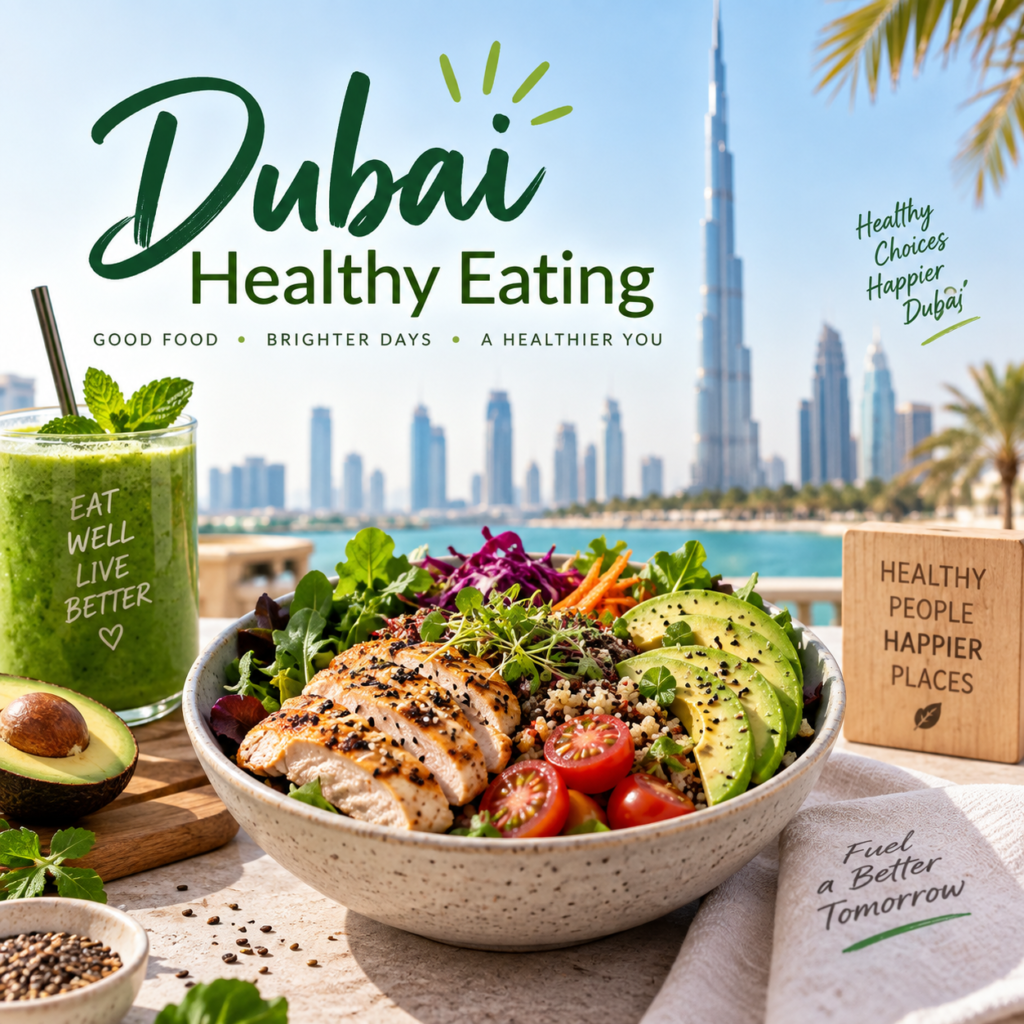
Practical hydration habits include:
- Carrying a reusable water bottle
- Drinking water throughout the day
- Drinking water with meals
- Choosing water instead of sugary drinks
- Increasing attention to hydration during outdoor activities
Individual hydration needs vary depending on factors such as activity, climate and health status.
Are Fresh Juices Healthy in Dubai?
Are fresh juices automatically healthy because they contain fruit? Not necessarily. Fresh fruit contains useful nutrients, but juicing can remove much of the fibre found in whole fruit and can make it easier to consume a large amount of naturally occurring sugar quickly.
Whole fruit is generally a convenient way to include fibre in the diet.
If you enjoy fresh juice, consider keeping portions moderate and avoiding juices with added sugar or sweetened syrups.
Water, unsweetened beverages and whole fruit can be useful parts of a balanced eating routine.
How Can You Eat Healthy During Ramadan in Dubai?
How can people maintain balanced nutrition during Ramadan? Meal planning becomes particularly important because eating occurs within specific periods.
During suhoor, foods containing protein, fibre and complex carbohydrates can help create a more balanced meal. Options may include oats, eggs, yogurt, whole grains, fruit and vegetables.
At iftar, starting with water and eating a balanced meal can help avoid consuming excessive amounts of fried or sugary foods.
Healthy Ramadan food choices may include:
- Dates in moderate portions
- Water
- Lentil soup
- Fresh salads
- Grilled chicken or fish
- Vegetables
- Whole grains
- Yogurt
- Fresh fruit
Because nutritional and hydration requirements vary, people with medical conditions or specific dietary requirements should seek individual advice from an appropriately qualified healthcare professional.
What Are the Best Healthy Eating Habits for Busy Professionals in Dubai?
How can professionals maintain healthy eating habits despite busy schedules? Preparation is often more effective than relying on willpower at mealtimes.
Preparing lunch the night before, keeping healthy snacks at work and planning restaurant choices can reduce the need for last-minute decisions.
A simple weekly meal plan might include:
- Two or three protein sources
- Several vegetables
- Fresh fruits
- Whole grains
- Healthy snack options
- Simple breakfast ingredients
Meal preparation does not have to involve cooking every meal in advance. Washing vegetables, preparing grains and portioning snacks can already make healthy eating easier.
How Can Families Practice Healthy Eating in Dubai?
How can families encourage healthy eating without making food stressful? The focus should be on variety and positive habits rather than strict restrictions.
Parents can introduce children to different fruits, vegetables, whole grains and protein sources. Involving children in grocery shopping and simple food preparation can also make nutritious foods more familiar.
Family meals can include:
- Vegetable soups
- Grilled chicken
- Fish
- Rice and vegetable dishes
- Lentils and beans
- Fresh fruit
- Yogurt
- Homemade sandwiches
It is also useful to remember that children have different nutritional needs from adults. Parents concerned about a child’s nutrition should seek guidance from a qualified healthcare professional.
Can You Follow a Vegetarian or Vegan Diet in Dubai?
Is it possible to follow a vegetarian or vegan diet in Dubai? Yes. Dubai’s diverse food scene provides many plant-based options.
Vegetarians can choose foods such as lentils, beans, chickpeas, vegetables, dairy products and eggs. Vegans can focus on legumes, vegetables, fruits, grains, nuts, seeds and plant-based alternatives.
Plant-based meal ideas include:
- Chickpea bowls
- Lentil soup
- Vegetable curries
- Hummus with vegetables
- Tofu and vegetable dishes
- Bean salads
- Oatmeal with fruit and seeds
People following restrictive diets should pay attention to obtaining adequate nutrients, particularly protein, iron, vitamin B12 and other nutrients depending on the diet.
How Can You Make Healthy Food More Affordable in Dubai?
Is healthy eating expensive in Dubai? It can be, particularly when buying premium health products or eating at specialty restaurants. However, healthy eating does not require expensive ingredients.
Basic foods such as oats, lentils, beans, rice, seasonal vegetables, eggs and fruit can form the foundation of many affordable meals.
To manage your food budget:
- Plan meals before grocery shopping
- Buy seasonal produce
- Compare prices
- Cook larger batches
- Use beans and lentils regularly
- Reduce unnecessary takeaway orders
- Avoid buying expensive health products simply because they are marketed as healthy
Cooking at home can also make it easier to control ingredients and portions.
What Common Healthy Eating Mistakes Should You Avoid?
What mistakes can make a healthy diet difficult? One common mistake is assuming that every food labelled “healthy,” “natural” or “fitness” is automatically nutritious.
Some products can contain significant amounts of added sugar, sodium or calories despite their health-focused marketing.
Other common mistakes include:
- Skipping meals and becoming extremely hungry later
- Drinking too many sugary beverages
- Eating oversized portions
- Relying heavily on processed snacks
- Avoiding entire food groups without a nutritional reason
- Following restrictive diets without professional guidance
- Forgetting to drink enough water
Healthy eating is more sustainable when it focuses on overall dietary patterns rather than individual foods.
How Can You Create a Healthy Weekly Meal Plan in Dubai?
How can you make healthy eating easier throughout the week? A simple meal plan can remove some of the daily decision-making.
Start by choosing several proteins, vegetables, fruits and whole grains. Then combine them into different meals.
For example:
Breakfast: Oats with fruit and nuts
Lunch: Grilled chicken with salad and brown rice
Snack: Greek yogurt and fruit
Dinner: Grilled fish with vegetables
Another day could include eggs for breakfast, lentil soup for lunch and a vegetable-based dinner.
The objective is variety. Eating the same food every day can become boring, while rotating ingredients can make a healthy diet easier to maintain.
What Are the Best Tips for Healthy Eating in Dubai?
What simple habits can make the biggest difference? Healthy eating does not need to be complicated. A few practical habits can support a balanced lifestyle.
Try to:
- Include vegetables in most main meals
- Eat a variety of fruits
- Choose whole grains regularly
- Include a source of protein with meals
- Choose healthy fats in reasonable portions
- Drink water regularly
- Limit sugary drinks
- Pay attention to portion sizes
- Cook at home when practical
- Enjoy restaurant meals mindfully
- Avoid extreme diets
- Build sustainable habits rather than seeking quick results
Can Healthy Eating and Dubai’s Food Culture Coexist?
Can you enjoy Dubai’s famous food culture while maintaining a healthy lifestyle? Yes. Healthy eating does not mean avoiding restaurants, traditional cuisine or occasional treats.
Dubai’s multicultural food scene provides an opportunity to explore many types of cuisine. The key is to balance indulgent meals with nutritious choices throughout the week.
You can enjoy a favourite dessert occasionally while continuing to eat vegetables, fruits, whole grains and protein-rich foods regularly.
A sustainable approach is usually more practical than trying to follow a perfect diet every day.
Frequently Asked Questions About Healthy Eating in Dubai
Q1. What is the healthiest food to eat in Dubai?
Ans: There is no single healthiest food. A balanced diet can include vegetables, fruits, whole grains, legumes, lean proteins, fish, nuts, seeds and other nutrient-rich foods. Variety is important.
Q2. What are the best healthy foods in Dubai?
Ans: Healthy food choices can include salads, grilled fish, grilled chicken, lentils, chickpeas, vegetables, fruit, oats, whole grains, yogurt and nuts. Preparation method and portion size also matter.
Q3. Can I eat healthy while dining out in Dubai?
Ans: Yes. Look for grilled, baked or steamed dishes, include vegetables, choose reasonable portions and ask for sauces or dressings separately when possible.
Q4. Is Arabic food healthy?
Ans: Many Arabic dishes contain nutritious ingredients such as chickpeas, lentils, vegetables, herbs and olive oil. However, the nutritional value depends on the specific dish, preparation method and portion size.
Q5. How can I eat healthy on a budget in Dubai?
Ans: Plan meals, shop for basic ingredients, choose seasonal produce, cook at home and use affordable staples such as oats, lentils, beans, rice, eggs and vegetables.
Q6. What should I drink for a healthy lifestyle in Dubai?
Ans: Water is a practical primary beverage. Unsweetened drinks can also be included, while sugary beverages and heavily sweetened juices are best consumed less frequently.
Q7. Is healthy eating expensive in Dubai?
Ans: It does not have to be. Premium health foods and specialty restaurants can be expensive, but nutritious meals can also be built from affordable everyday ingredients.
Q8. How can I start healthy eating in Dubai?
Ans: Start with small changes. Add more vegetables and fruit to your meals, drink more water, reduce sugary drinks, choose less-fried foods and pay attention to portions.
Conclusion: How Can You Build a Sustainable Healthy Lifestyle in Dubai?
Healthy eating in Dubai is less about following a strict diet and more about creating sustainable everyday habits. With access to a wide range of cuisines, fresh ingredients and different dining options, residents and visitors can build balanced meals around vegetables, fruits, whole grains, protein and healthy fats.
Whether you are eating at home, ordering from a restaurant, preparing meals for work or enjoying traditional Emirati and Middle Eastern food, moderation and variety can help create a practical approach to nutrition.
The most important step is to start with manageable changes. Drink more water, add vegetables to meals, choose nutritious snacks, watch portion sizes and make informed choices when eating out.
Dubai’s vibrant food culture does not have to conflict with healthy living. With thoughtful planning and a balanced approach, you can enjoy the city’s diverse cuisine while making nutritious food choices part of your everyday lifestyle.
Do follow us on Instagram
Read More – Fitness Guide for Living in Dubai